

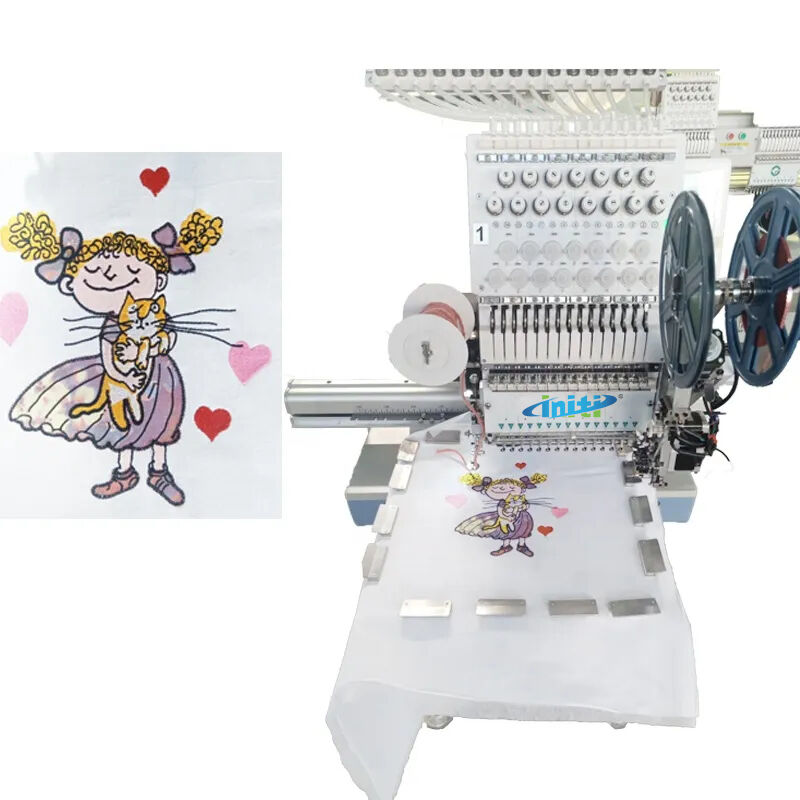
Modern textile manufacturing has revolutionized through advanced automation, with the computerized embroidery machine leading this transformation. These sophisticated systems have become indispensable tools for businesses seeking to enhance production efficiency while maintaining exceptional quality standards. The integration of digital technology with traditional embroidery techniques has created opportunities for manufacturers to scale operations and deliver consistent results across diverse applications.
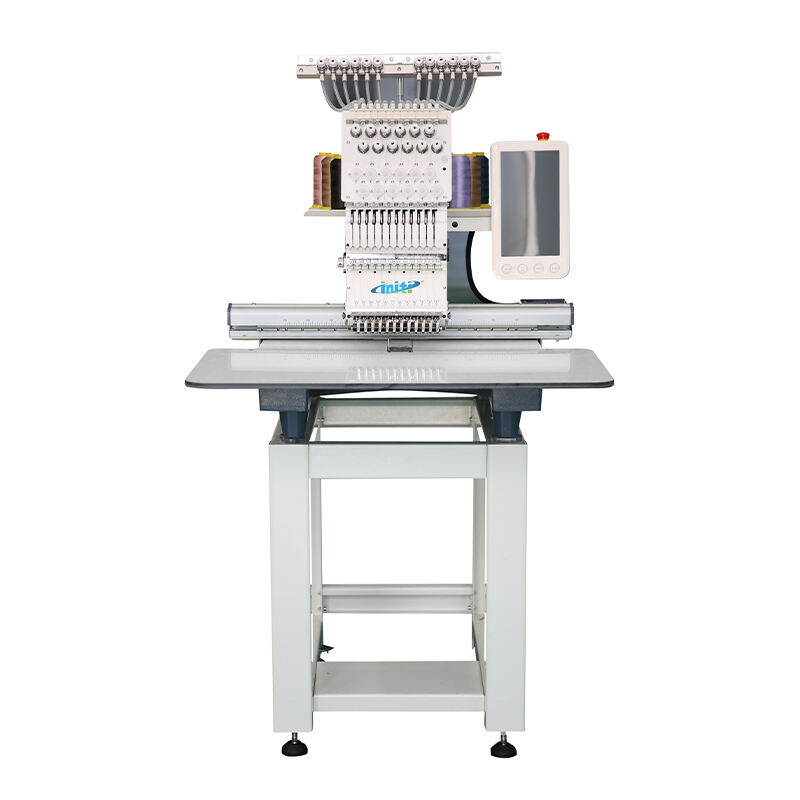
Understanding the technical capabilities of these machines enables businesses to make informed investment decisions. The shift from manual embroidery processes to automated systems represents more than technological advancement—it signifies a fundamental change in production methodology. Companies implementing computerized embroidery solutions report significant improvements in throughput, design accuracy, and operational flexibility.
Essential Components of Advanced Embroidery Systems
Digital Control Interface Technology
The heart of every efficient computerized embroidery machine lies in its digital control system. These interfaces translate complex design files into precise mechanical movements, ensuring consistent stitch placement across multiple production runs. Modern systems feature intuitive touchscreen displays that simplify operation while providing comprehensive monitoring capabilities for quality control purposes.
Advanced control interfaces incorporate real-time feedback mechanisms that continuously adjust operational parameters. This adaptive technology maintains optimal thread tension, needle positioning, and fabric handling throughout the embroidery process. The result is enhanced production reliability with minimal operator intervention required during extended manufacturing cycles.
Precision Mechanical Framework
The mechanical foundation of a computerized embroidery machine determines its long-term performance and durability. High-quality systems utilize robust steel frames designed to minimize vibration and maintain positional accuracy during high-speed operations. These structural components work together to ensure consistent stitch quality across various fabric types and design complexities.
Critical mechanical elements include precision-engineered drive systems, calibrated tensioning mechanisms, and responsive hoop positioning assemblies. Each component contributes to the overall operational efficiency while reducing maintenance requirements. The integration of these elements creates a stable platform capable of handling demanding production schedules with reliable performance characteristics.
Productivity Enhancement Features
Multi-Head Configuration Advantages
Single-head and multi-head configurations offer distinct advantages depending on production requirements. A well-designed computerized embroidery machine with single-head configuration provides flexibility for small batch production and prototype development. This setup allows operators to focus on design refinement and quality optimization without the complexity of managing multiple simultaneous operations.
Multi-head systems excel in high-volume production environments where consistent output is paramount. These configurations enable simultaneous embroidery on multiple garments, significantly reducing per-unit production time. The coordination between heads requires sophisticated control algorithms that ensure synchronized operation while maintaining individual quality standards for each embroidered piece.
Automated Thread Management Systems
Efficient thread handling represents a critical productivity factor in modern computerized embroidery machine operations. Automated systems monitor thread consumption, detect breaks, and execute color changes without manual intervention. These capabilities eliminate production delays while ensuring consistent thread quality throughout the manufacturing process.
Advanced thread management includes features such as automatic cutting, trimming, and tie-off functions. These automated processes reduce labor requirements while improving finished product appearance. The integration of sensors and feedback systems enables predictive maintenance scheduling, preventing thread-related production interruptions before they occur.
Quality Control and Precision Standards
Stitch Formation Technology
The quality of stitch formation directly impacts both aesthetic appeal and structural integrity of embroidered products. Modern computerized embroidery machine systems employ precise needle control mechanisms that maintain consistent penetration depth and angle across varying fabric densities. This technology ensures uniform stitch appearance while preventing fabric damage during the embroidery process.
Advanced stitch formation includes adaptive algorithms that adjust parameters based on real-time fabric behavior. These systems recognize fabric stretch, thickness variations, and tension changes, automatically compensating to maintain optimal stitch quality. The result is improved product consistency with reduced rejection rates and enhanced customer satisfaction.
Design File Processing Capabilities
Sophisticated design processing enables a computerized embroidery machine to handle complex patterns with multiple color changes and intricate details. Modern systems support various file formats while providing optimization tools that enhance design efficiency. These capabilities include automatic pathing algorithms that minimize thread changes and reduce production time.
The processing power of contemporary systems allows for real-time design modifications and scaling adjustments. Operators can preview embroidery results before production begins, identifying potential issues and making corrections. This capability reduces material waste while ensuring final products meet exact specifications and quality requirements.
Operational Efficiency Considerations
Speed and Throughput Optimization
Maximum operational speed of a computerized embroidery machine depends on multiple factors including design complexity, fabric characteristics, and quality requirements. High-performance systems achieve optimal balance between speed and precision through dynamic adjustment capabilities. These machines automatically modify operating parameters to maintain quality standards while maximizing throughput.
Efficient speed management includes acceleration and deceleration profiles that minimize mechanical stress while maintaining smooth operation. Advanced systems incorporate predictive algorithms that anticipate design requirements and adjust performance accordingly. This intelligent operation extends machine life while ensuring consistent production output across varying operational conditions.
Energy Consumption and Sustainability
Modern computerized embroidery machine designs emphasize energy efficiency without compromising performance capabilities. Efficient motor systems, optimized mechanical designs, and intelligent power management contribute to reduced operational costs. These features become increasingly important as businesses focus on sustainability goals and operational cost control.
Energy-efficient operation includes standby modes, variable speed controls, and optimized power distribution systems. These technologies reduce environmental impact while lowering operational expenses. The long-term benefits include reduced utility costs and improved corporate sustainability metrics that enhance brand reputation and market positioning.
Maintenance and Support Systems
Preventive Maintenance Protocols
Systematic maintenance ensures optimal performance and longevity of any computerized embroidery machine investment. Comprehensive maintenance protocols include regular lubrication schedules, calibration procedures, and component inspection routines. These practices prevent unexpected failures while maintaining production quality standards throughout the equipment lifecycle.
Advanced maintenance systems incorporate diagnostic capabilities that monitor component condition and predict service requirements. These tools enable proactive maintenance scheduling that minimizes production disruptions. The integration of remote monitoring capabilities allows for expert technical support and optimization recommendations based on actual operational data.
Technical Support and Training Resources
Comprehensive technical support ensures maximum utilization of computerized embroidery machine capabilities. Quality manufacturers provide extensive training programs that cover operational procedures, maintenance protocols, and troubleshooting techniques. These resources enable operators to achieve optimal performance while reducing downtime and operational costs.
Ongoing support includes software updates, design optimization assistance, and performance enhancement recommendations. Access to expert technical guidance ensures that businesses can adapt to changing market requirements while maintaining competitive advantages. The availability of comprehensive support resources represents a critical factor in equipment selection and long-term operational success.
FAQ
What factors determine the optimal computerized embroidery machine selection for specific business needs
Selection criteria include production volume requirements, design complexity expectations, available floor space, and budget considerations. Businesses should evaluate thread handling capabilities, software compatibility, and maintenance support availability. The intended application range and future expansion plans also influence optimal equipment selection decisions.
How does automation improve overall production efficiency in computerized embroidery operations
Automation reduces manual intervention requirements while maintaining consistent quality standards across production runs. Automated features include thread changing, tension adjustment, and quality monitoring systems. These capabilities minimize labor costs while increasing throughput and reducing error rates in finished products.
What maintenance practices ensure long-term reliability of computerized embroidery equipment
Regular maintenance includes lubrication schedules, calibration checks, and component inspection procedures. Preventive maintenance programs should address mechanical systems, software updates, and environmental considerations. Proper maintenance extends equipment life while maintaining optimal performance characteristics and production quality standards.
How do modern computerized embroidery machines adapt to different fabric types and design requirements
Advanced systems incorporate adaptive control algorithms that adjust operational parameters based on fabric characteristics and design complexity. These features include automatic tension adjustment, speed optimization, and stitch formation modification. The result is consistent quality across diverse applications without manual parameter adjustments for different materials or designs.
Table of Contents
- Essential Components of Advanced Embroidery Systems
- Productivity Enhancement Features
- Quality Control and Precision Standards
- Operational Efficiency Considerations
- Maintenance and Support Systems
-
FAQ
- What factors determine the optimal computerized embroidery machine selection for specific business needs
- How does automation improve overall production efficiency in computerized embroidery operations
- What maintenance practices ensure long-term reliability of computerized embroidery equipment
- How do modern computerized embroidery machines adapt to different fabric types and design requirements