

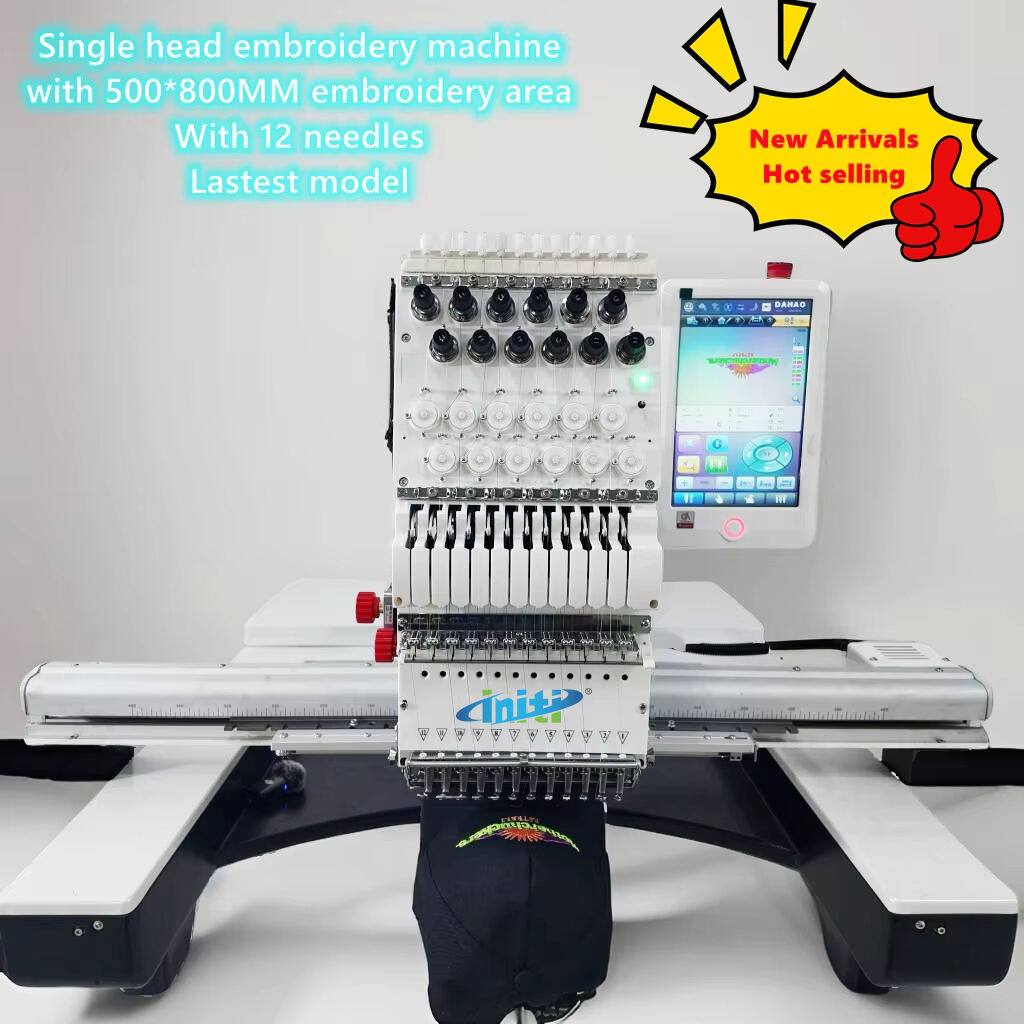
Manufacturing businesses today face unprecedented pressure to deliver customized products quickly while maintaining exceptional quality standards. The demand for personalized textiles, branded merchandise, and custom apparel has reached new heights, making efficient embroidery solutions more critical than ever. A reliable single head embroidery machine represents the cornerstone of modern textile customization operations, offering the perfect balance between production capacity and operational flexibility that growing businesses need to thrive in competitive markets.
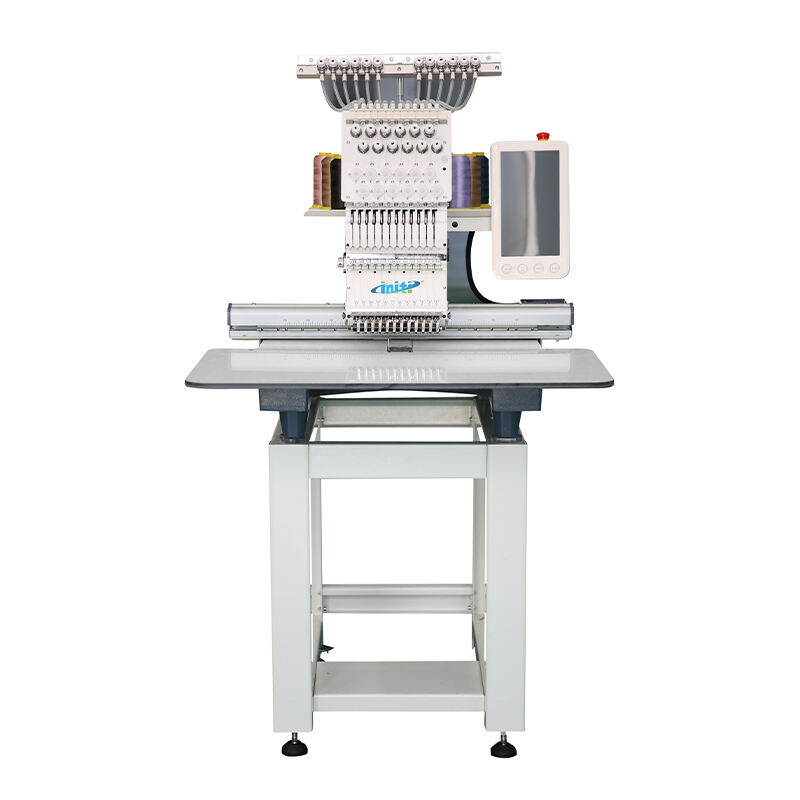
The evolution of computerized embroidery technology has transformed how manufacturers approach textile decoration projects. Modern single head embroidery machine systems integrate sophisticated software platforms with precision mechanical components, enabling operators to execute complex designs with minimal setup time. These advanced systems have become indispensable tools for businesses ranging from small custom shops to large-scale production facilities, offering scalability that grows alongside expanding operational requirements.
Understanding the technical specifications and operational advantages of contemporary embroidery equipment helps businesses make informed investment decisions that align with their production goals. The integration of automated features, enhanced precision controls, and user-friendly interfaces has revolutionized the embroidery industry, making professional-grade results accessible to operators across all skill levels while dramatically reducing the learning curve associated with complex textile decoration processes.
Advanced Technology Features in Modern Embroidery Systems
Computerized Control Systems and Software Integration
Contemporary single head embroidery machine models incorporate cutting-edge computerized control systems that revolutionize the way operators manage complex embroidery projects. These sophisticated systems feature intuitive touchscreen interfaces that provide real-time monitoring of stitching progress, thread tension adjustments, and design modifications. The integration of advanced software platforms enables seamless import and export of embroidery files across multiple formats, ensuring compatibility with industry-standard design applications and facilitating smooth workflow integration within existing production environments.
The software capabilities of modern embroidery systems extend far beyond basic design playback functionality. Advanced pattern editing tools allow operators to modify designs directly on the machine interface, adjusting stitch density, scaling elements, and optimizing color sequences without requiring external design software. These built-in editing capabilities significantly reduce setup time and enable real-time adjustments that enhance production efficiency while maintaining consistent quality standards across all embroidered products.
Quality control features integrated into computerized embroidery systems provide comprehensive monitoring of critical production parameters. Automated thread break detection, tension monitoring, and stitch quality verification systems ensure consistent results while minimizing material waste and reducing the need for manual intervention. These intelligent systems can automatically pause operations when irregularities are detected, allowing operators to address issues promptly and maintain uninterrupted production flow.
Precision Mechanics and Performance Optimization
The mechanical foundation of high-performance single head embroidery machine units features precision-engineered components designed to deliver exceptional accuracy and reliability throughout extended production cycles. Advanced servo motor systems provide precise control over needle positioning and fabric movement, ensuring consistent stitch placement even during high-speed operations. These sophisticated drive systems minimize vibration and noise while maximizing operational efficiency, creating an optimal working environment for operators.
Innovative hoop systems and fabric holding mechanisms have evolved to accommodate a wide range of material types and thicknesses while maintaining consistent tension throughout the embroidery process. Multi-position hoop configurations enable operators to work on various garment sizes and fabric types without compromising stitch quality or design accuracy. These flexible holding systems reduce setup time between projects and enable efficient batch processing of similar items.
Thread handling and tensioning systems in modern embroidery machines incorporate automatic adjustments that adapt to different thread types and embroidery techniques. These intelligent systems monitor thread flow and automatically compensate for variations in material properties, ensuring optimal stitch formation across diverse applications. Advanced tensioning mechanisms reduce thread breaks and eliminate the need for frequent manual adjustments, significantly improving overall production efficiency.
Production Capacity and Operational Efficiency
Speed and Throughput Optimization
Modern single head embroidery machine systems achieve remarkable production speeds while maintaining exceptional stitch quality and design accuracy. Advanced control algorithms optimize needle movement patterns and minimize unnecessary travel time, enabling higher throughput rates without compromising the precision required for complex embroidery designs. These efficiency improvements translate directly into increased profitability and faster order fulfillment capabilities for businesses of all sizes.
The implementation of intelligent speed control systems allows operators to balance production speed with design complexity, automatically adjusting operational parameters based on specific embroidery requirements. These adaptive systems recognize intricate design elements that require slower speeds for optimal quality while maintaining maximum efficiency during simpler stitching sequences. This dynamic approach to speed optimization ensures consistent results across diverse project types while maximizing overall production capacity.
Energy efficiency features integrated into contemporary embroidery systems reduce operational costs while supporting sustainable manufacturing practices. Advanced power management systems automatically adjust energy consumption based on operational requirements, minimizing waste during idle periods and optimizing power usage during active embroidery cycles. These efficiency improvements contribute to lower overall operating costs and reduced environmental impact.
Workflow Integration and Automation Features
Seamless integration capabilities enable single head embroidery machine systems to function as integral components within comprehensive production workflows. Network connectivity features allow remote monitoring and control of embroidery operations, enabling supervisors to track production progress and manage multiple machines from centralized locations. These connectivity options facilitate efficient resource allocation and enable proactive maintenance scheduling that minimizes unplanned downtime.
Automated material handling features reduce manual intervention requirements and streamline production processes throughout extended embroidery cycles. Automatic thread cutting, color change sequences, and design positioning systems minimize operator involvement while maintaining precise control over critical quality parameters. These automation features enable single operators to manage multiple production tasks simultaneously, significantly improving overall labor efficiency and reducing per-unit production costs.
Quality assurance protocols built into modern embroidery systems provide comprehensive documentation of production parameters and quality metrics for each completed project. Detailed production logs track thread usage, cycle times, and quality control checkpoints, enabling operators to identify optimization opportunities and maintain consistent quality standards. These documentation features support certification requirements and provide valuable data for continuous improvement initiatives.
Material Compatibility and Application Versatility
Fabric Types and Specialized Applications
The versatility of contemporary single head embroidery machine designs accommodates an extensive range of fabric types and material weights, from delicate silk and lightweight cotton to heavy-duty canvas and synthetic materials. Advanced needle systems and presser foot configurations automatically adapt to different material characteristics, ensuring optimal stitch penetration and fabric handling across diverse applications. This adaptability enables businesses to expand their service offerings and target multiple market segments with a single equipment investment.
Specialized applications such as leather embroidery, performance textile decoration, and technical fabric customization require specific machine configurations and capabilities. Modern embroidery systems accommodate these specialized requirements through adjustable pressure settings, variable speed controls, and specialized needle options designed for challenging materials. These capabilities enable operators to tackle complex projects that require precise control and specialized techniques.
Multi-layer fabric constructions and composite materials present unique challenges that contemporary embroidery systems address through advanced fabric handling mechanisms and intelligent stitch optimization algorithms. These systems automatically adjust penetration depth, stitch density, and thread tension to accommodate varying material thickness and ensure consistent results across complex fabric assemblies. Such capabilities are essential for automotive, aerospace, and industrial textile applications where precision and durability are paramount.
Thread Types and Color Management
Compatibility with diverse thread types enables single head embroidery machine operators to achieve specific aesthetic and functional requirements across various applications. From standard polyester and rayon threads to specialized metallic, reflective, and performance threads, modern systems accommodate thread characteristics through automatic tension adjustments and optimized feeding mechanisms. This compatibility expands creative possibilities while ensuring consistent stitch quality regardless of thread selection.
Color management systems integrated into contemporary embroidery machines streamline thread changing processes and minimize setup time between design elements. Automated thread routing and cutting systems reduce manual intervention while maintaining precise color sequences throughout complex multi-color designs. These features enable operators to execute intricate designs with multiple color changes without compromising production efficiency or stitch quality.
Thread inventory management features help operators track thread consumption and anticipate material requirements for upcoming projects. Integration with inventory management systems enables automatic reordering of frequently used thread colors and provides detailed cost tracking for individual projects. These capabilities support accurate project costing and ensure adequate material availability for uninterrupted production schedules.
Installation and Setup Considerations
Space Requirements and Environmental Factors
Proper installation of single head embroidery machine systems requires careful consideration of space requirements, environmental conditions, and operator accessibility. Modern embroidery machines feature compact footprints that maximize production capacity while minimizing floor space requirements, making them suitable for diverse facility configurations. Adequate clearance around the machine ensures safe operation and facilitates maintenance access, while proper ventilation maintains optimal operating temperatures for electronic components.
Environmental factors such as humidity, temperature stability, and dust control significantly impact embroidery machine performance and longevity. Climate-controlled environments protect sensitive electronic components while ensuring consistent thread behavior and stitch quality. Proper lighting conditions reduce operator fatigue and enable accurate quality assessment throughout production cycles, contributing to overall operational efficiency and product quality.
Power requirements and electrical infrastructure must accommodate the specific needs of computerized embroidery systems while providing stable, clean power for optimal performance. Voltage regulation and surge protection safeguard expensive electronic components from power fluctuations that could cause equipment damage or data loss. Proper grounding and electrical safety measures ensure operator safety while protecting sensitive control systems from electrical interference.
Initial Configuration and Calibration
Initial setup procedures for single head embroidery machine installations involve comprehensive calibration of mechanical and electronic systems to ensure optimal performance from the first project. Precision alignment of embroidery components, including needle positioning, hoop mechanisms, and thread handling systems, establishes the foundation for consistent stitch quality and design accuracy. These calibration procedures require specialized tools and expertise to achieve the precise tolerances necessary for professional-grade results.
Software configuration and user interface customization enable operators to optimize system settings for specific production requirements and operator preferences. Integration with existing design software, file management systems, and production tracking applications streamlines workflow integration while maximizing the benefits of computerized embroidery capabilities. Proper initial configuration reduces the learning curve and enables operators to achieve productive output levels quickly.
Training programs and technical support services ensure operators develop the skills necessary to maximize equipment capabilities and maintain consistent production quality. Comprehensive training covers machine operation, maintenance procedures, troubleshooting techniques, and design optimization strategies. Ongoing support services provide access to technical expertise and ensure continued peak performance throughout the equipment lifecycle.
Maintenance and Service Requirements
Preventive Maintenance Protocols
Regular maintenance protocols for single head embroidery machine systems focus on preserving mechanical precision and extending equipment lifespan through systematic inspection and servicing procedures. Daily maintenance tasks include cleaning thread paths, lubricating moving components, and verifying proper tension settings. These routine procedures prevent the accumulation of debris and ensure smooth operation while identifying potential issues before they impact production quality or equipment reliability.
Weekly and monthly maintenance schedules address more comprehensive inspection and adjustment requirements, including timing belt tension, motor alignment, and electronic system diagnostics. These intermediate maintenance procedures help maintain optimal performance while identifying wear patterns that might require attention. Proper documentation of maintenance activities provides valuable historical data for predicting service needs and optimizing maintenance schedules.
Annual overhaul procedures involve comprehensive inspection and refurbishment of critical system components to maintain like-new performance standards. Professional service technicians perform detailed diagnostics, replace worn components, and update software systems to incorporate latest improvements and features. These thorough maintenance procedures maximize equipment lifespan while ensuring continued reliability and performance consistency.
Technical Support and Parts Availability
Comprehensive technical support services provide immediate assistance for operational questions, troubleshooting guidance, and emergency repair situations. Remote diagnostic capabilities enable service technicians to assess system status and provide real-time support without requiring on-site visits. These support services minimize downtime and ensure operators can maintain productive output levels even when technical challenges arise.
Parts availability and inventory management systems ensure critical replacement components remain readily available when needed for routine maintenance or emergency repairs. Strategic parts stocking programs balance inventory costs with availability requirements, ensuring essential components are available while minimizing carrying costs. Express shipping options and emergency service protocols further reduce potential downtime associated with component replacement needs.
Service documentation and training resources provide operators with the knowledge and tools necessary to perform routine maintenance tasks and basic troubleshooting procedures independently. Comprehensive service manuals, video training materials, and online support portals enable efficient problem resolution while reducing dependence on external service technicians. These resources empower operators to maintain peak equipment performance while minimizing service costs.
FAQ
What factors should I consider when selecting a single head embroidery machine for my business
When selecting a single head embroidery machine, consider your production volume requirements, the types of materials you'll be working with, and your available floor space. Evaluate the machine's maximum embroidery area, stitching speed capabilities, and thread handling capacity to ensure they align with your project requirements. Additionally, assess software compatibility, automation features, and available technical support to determine which system best fits your operational needs and budget constraints.
How much space do I need to install and operate a single head embroidery machine effectively
A typical single head embroidery machine requires approximately 6 by 8 feet of floor space for the machine itself, plus additional clearance for operator movement and material handling. Consider ceiling height requirements for thread stands and ensure adequate access to all sides of the machine for maintenance and material loading. Additional space should be allocated for thread storage, design workstation, and finished product staging areas to create an efficient workflow environment.
What ongoing maintenance is required to keep a single head embroidery machine operating at peak performance
Daily maintenance includes cleaning thread paths, checking tension settings, and ensuring proper lubrication of moving parts. Weekly tasks involve more thorough cleaning, inspection of drive belts, and verification of calibration settings. Monthly maintenance should include comprehensive system diagnostics, software updates, and detailed inspection of wear components. Annual professional service is recommended to maintain warranty coverage and ensure optimal long-term performance.
How long does it typically take to learn to operate a single head embroidery machine proficiently
Basic operation skills can typically be developed within one to two weeks of regular practice, including loading designs, setting up hoops, and managing thread changes. Achieving proficiency in design editing, troubleshooting, and optimization techniques usually requires four to six weeks of consistent operation. Advanced skills such as digitizing, complex design modifications, and specialized material handling may require several months to master fully, depending on prior experience and training intensity.
Table of Contents
- Advanced Technology Features in Modern Embroidery Systems
- Production Capacity and Operational Efficiency
- Material Compatibility and Application Versatility
- Installation and Setup Considerations
- Maintenance and Service Requirements
-
FAQ
- What factors should I consider when selecting a single head embroidery machine for my business
- How much space do I need to install and operate a single head embroidery machine effectively
- What ongoing maintenance is required to keep a single head embroidery machine operating at peak performance
- How long does it typically take to learn to operate a single head embroidery machine proficiently