

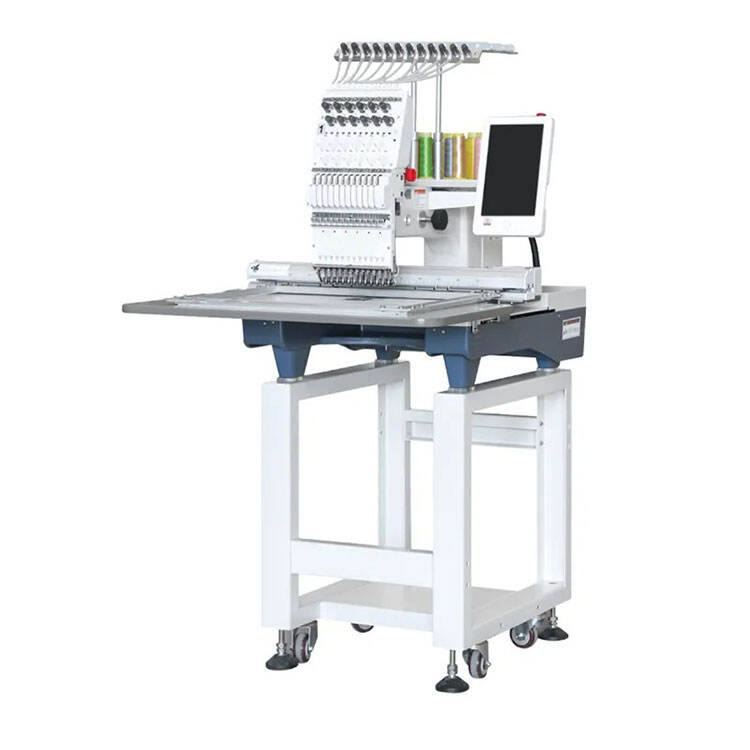
Manufacturing excellence in today's competitive landscape demands strategic sourcing decisions that can significantly impact your bottom line and operational efficiency. When considering embroidery equipment procurement, the choice between traditional distributors and direct factory sourcing represents a critical business decision. A single head machine purchased directly from the manufacturer offers unprecedented advantages in cost savings, quality assurance, and technical support that can transform your production capabilities. Understanding these benefits becomes essential for businesses seeking to optimize their embroidery operations while maintaining competitive pricing and superior product quality.
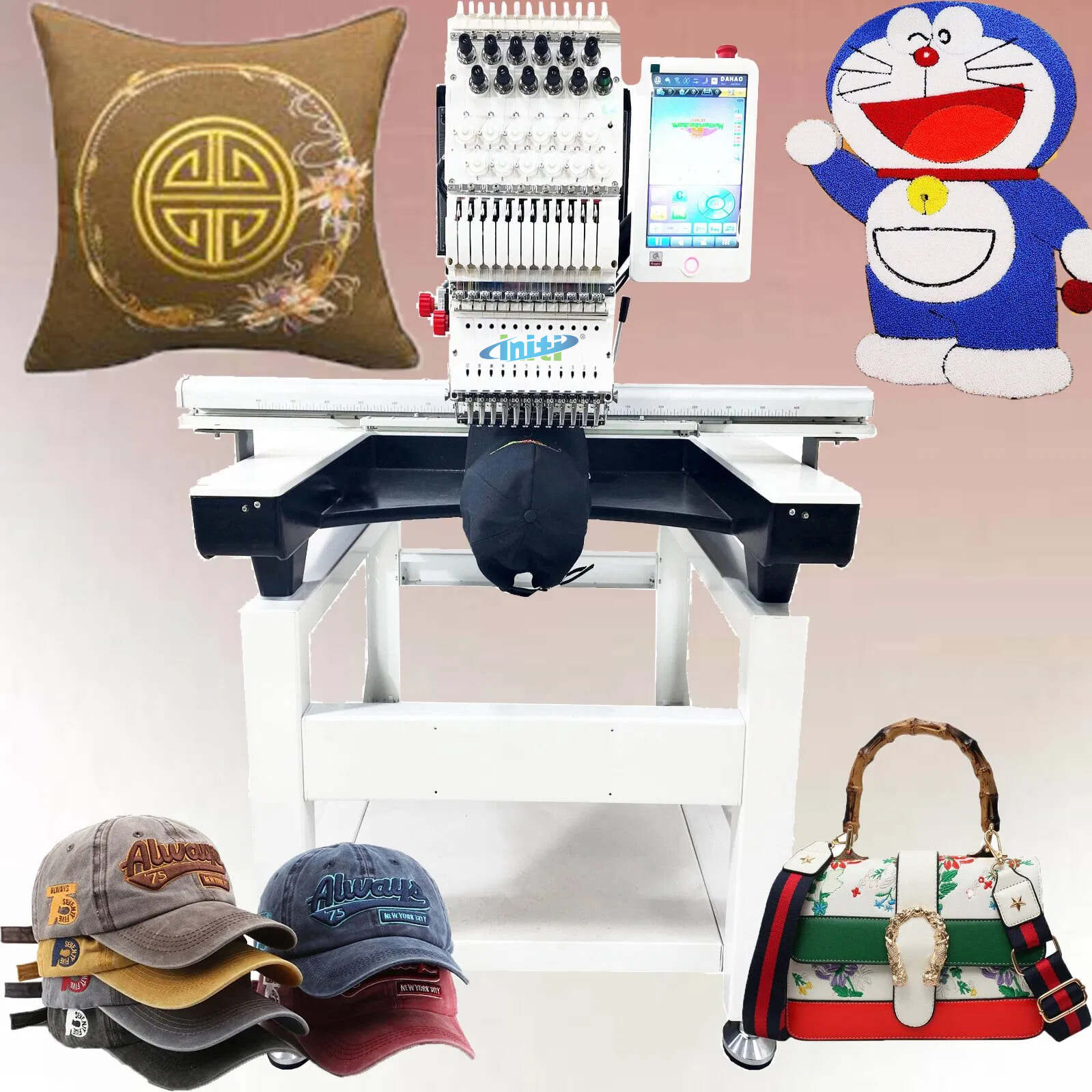
Cost Advantages of Direct Factory Sourcing
Elimination of Middleman Markups
Direct factory purchasing eliminates the multiple layers of markup that traditionally inflate equipment costs. When you source your single head machine through distributors, each intermediary adds their profit margin, resulting in prices that can be 30-50% higher than factory direct costs. This markup structure not only increases your initial investment but also affects your return on investment calculations and overall profitability projections. Manufacturing facilities can offer competitive pricing because they control the entire production process and eliminate unnecessary overhead costs associated with distribution networks.
The transparency in pricing becomes another significant advantage when dealing directly with manufacturers. Factory direct pricing provides clear visibility into actual production costs, allowing for more accurate budgeting and financial planning. This transparency extends to understanding what drives cost fluctuations, enabling better long-term purchasing strategies. Additionally, factories often provide volume discounts and flexible payment terms that distributors cannot match due to their own financial constraints and profit requirements.
Currency Exchange Benefits
International direct sourcing allows businesses to leverage favorable currency exchange rates, particularly when purchasing from manufacturing hubs in Asia. These exchange rate advantages can result in substantial savings, especially during periods of currency volatility. When working directly with factories, businesses can time their purchases to maximize currency benefits and potentially lock in favorable rates through forward contracts. This financial flexibility becomes impossible when working through domestic distributors who have already absorbed currency fluctuations into their pricing structures.
Furthermore, direct factory relationships enable businesses to negotiate pricing in their preferred currency, reducing exposure to exchange rate risks. Many established manufacturers offer multi-currency pricing options, providing stability in budgeting and financial planning. This currency flexibility particularly benefits businesses operating in multiple markets or those planning international expansion, as it allows for consistent equipment costs across different regions.
Quality Control and Customization Opportunities
Direct Manufacturing Oversight
Manufacturing quality control reaches its highest standards when customers maintain direct relationships with production facilities. A single head machine manufactured under direct oversight allows for real-time quality monitoring and immediate correction of any production issues. Factory direct sourcing enables customers to participate in quality control processes, inspect equipment during production phases, and ensure that their specific requirements are met before shipment. This level of involvement becomes impossible when purchasing through intermediaries who have limited influence over manufacturing processes.
Direct factory relationships also provide access to detailed quality documentation, including material certifications, testing results, and compliance reports. This comprehensive documentation supports regulatory requirements and provides complete traceability for quality assurance purposes. Manufacturers typically maintain more detailed quality records for direct customers, recognizing the importance of these relationships for long-term business success. These quality assurance measures become particularly valuable for businesses operating in regulated industries or those with stringent quality requirements.
Customization and Specification Flexibility
Custom configurations represent one of the most compelling advantages of direct factory sourcing. When purchasing a single head machine directly from manufacturers, businesses can specify unique features, colors, software configurations, and performance parameters that meet their exact operational requirements. This customization capability extends beyond standard options typically available through distributors, allowing for truly tailored solutions that optimize productivity and efficiency for specific applications.
The collaborative design process between customers and manufacturers often results in innovative solutions that address unique operational challenges. Factory engineering teams can modify existing designs, incorporate new technologies, or develop entirely custom features based on customer feedback and requirements. This level of customization partnership creates competitive advantages for businesses by enabling unique capabilities that competitors cannot easily replicate through standard equipment purchases.
Technical Support and Service Excellence
Direct Access to Engineering Expertise
Technical support quality improves dramatically when customers maintain direct relationships with manufacturing engineers and design teams. A single head machine supported directly by its manufacturer provides access to the deepest level of technical knowledge, including design specifications, troubleshooting procedures, and optimization techniques. This direct access eliminates the communication delays and knowledge gaps that often occur when technical issues must be filtered through distributor support teams who may lack comprehensive product knowledge.
Manufacturing teams possess intimate knowledge of their equipment's capabilities, limitations, and optimal operating parameters. This expertise proves invaluable during installation, training, and ongoing operation phases. Direct factory support often includes access to senior engineers and designers who participated in the original product development, providing insights that significantly exceed standard technical support capabilities. These relationships often evolve into consultative partnerships that help customers maximize their equipment investment and operational efficiency.
Rapid Response and Resolution
Service response times improve significantly when dealing directly with manufacturers who prioritize customer relationships and brand reputation. Factory direct support teams typically maintain comprehensive parts inventories and can expedite shipping for critical components. This direct relationship eliminates the delays associated with distributor inventory management and reduces downtime costs that can severely impact production schedules and customer commitments.
Additionally, manufacturers often provide remote diagnostic capabilities and real-time technical assistance that enables immediate problem resolution. These advanced support capabilities, including video conferencing, remote access software, and comprehensive diagnostic tools, represent investments that manufacturers make to support their direct customers. The efficiency of direct factory support often translates into higher equipment uptime and improved overall operational reliability.
Long-term Partnership Benefits
Technology Updates and Upgrades
Direct factory relationships provide preferential access to technology updates, software upgrades, and new feature releases. When manufacturers develop improvements for their single head machine product lines, direct customers often receive priority notification and early adoption opportunities. This technology access ensures that equipment remains current with industry standards and continues to provide competitive advantages throughout its operational lifespan.
The relationship continuity between manufacturers and direct customers creates opportunities for collaborative product development and feature enhancement. Customer feedback directly influences product roadmaps and development priorities, resulting in equipment that better serves real-world operational requirements. This collaborative relationship often results in exclusive access to beta testing programs and early adoption opportunities that provide competitive advantages in rapidly evolving markets.
Supply Chain Transparency
Manufacturing transparency becomes a critical advantage for businesses requiring detailed supply chain documentation and compliance verification. Direct factory relationships provide complete visibility into component sourcing, manufacturing processes, and quality control procedures. This transparency supports regulatory compliance requirements, sustainability initiatives, and ethical sourcing commitments that increasingly influence business partnerships and customer relationships.
Supply chain visibility also enables better planning and risk management strategies. Understanding manufacturing lead times, component availability, and production capacity allows for more accurate demand planning and inventory management. This operational intelligence becomes particularly valuable during market volatility or supply chain disruptions, enabling proactive rather than reactive management approaches.
Risk Management and Reliability
Warranty and Service Commitments
Warranty terms and service commitments typically improve when dealing directly with manufacturers who stand behind their products with comprehensive support programs. A single head machine purchased directly from the factory often includes extended warranty periods, comprehensive coverage terms, and guaranteed service response times that exceed standard distributor offerings. Manufacturers recognize that direct customer relationships reflect directly on their brand reputation and invest accordingly in customer satisfaction programs.
Service commitment reliability increases significantly when manufacturers maintain direct responsibility for customer satisfaction. This accountability creates strong incentives for rapid issue resolution and comprehensive support delivery. Direct factory relationships often include service level agreements that guarantee specific response times, resolution procedures, and escalation processes that ensure consistent support quality throughout the equipment's operational life.
Business Continuity Assurance
Direct manufacturer relationships provide greater assurance of long-term parts availability, service support, and business continuity. Established manufacturers typically maintain longer-term commitments to product lines and customer support than distributors who may change product focus based on market trends or profitability considerations. This stability proves particularly important for businesses making long-term equipment investments and planning multi-year operational strategies.
The financial stability and longevity of direct manufacturer relationships also provides greater confidence in equipment lifecycle support. Manufacturers typically maintain more comprehensive parts inventories, technical documentation, and service capabilities throughout product lifecycles. This comprehensive support structure reduces the risks associated with equipment obsolescence and ensures continued operational capability even as technology evolves and market conditions change.
FAQ
How does direct factory pricing compare to distributor pricing for embroidery equipment?
Direct factory pricing typically offers 20-40% cost savings compared to distributor pricing, as it eliminates multiple markup layers. Factories can provide transparent pricing that reflects actual manufacturing costs plus reasonable profit margins, while distributors must add their own markup to cover sales, marketing, and operational expenses. Additional savings often come from volume discounts, flexible payment terms, and the ability to time purchases advantageously based on currency exchange rates or promotional periods.
What level of customization is available when purchasing directly from manufacturers?
Manufacturers typically offer extensive customization options including software configurations, hardware modifications, color schemes, and performance specifications tailored to specific applications. This customization capability extends to developing entirely new features or modifications based on customer requirements, creating unique competitive advantages. The collaborative design process with factory engineering teams often results in innovative solutions that address specific operational challenges while maintaining product reliability and warranty coverage.
How does technical support quality differ between factory direct and distributor channels?
Factory direct technical support provides access to original design engineers and comprehensive product knowledge that distributor support teams typically cannot match. Response times are generally faster, problem resolution more thorough, and technical expertise significantly deeper when working directly with manufacturers. Additionally, factory support often includes remote diagnostic capabilities, video consultation services, and direct access to senior technical personnel who participated in the original product development.
What are the main risks of bypassing distributors for direct factory purchases?
The primary risks include potential language barriers, time zone differences for support, and the need for more sophisticated international purchasing procedures including customs, shipping, and payment processing. However, established manufacturers typically address these concerns through dedicated international sales teams, comprehensive export documentation, and proven logistics networks. Many factories also provide local service networks or partnerships that maintain support quality while preserving the cost advantages of direct purchasing.
Table of Contents
- Cost Advantages of Direct Factory Sourcing
- Quality Control and Customization Opportunities
- Technical Support and Service Excellence
- Long-term Partnership Benefits
- Risk Management and Reliability
-
FAQ
- How does direct factory pricing compare to distributor pricing for embroidery equipment?
- What level of customization is available when purchasing directly from manufacturers?
- How does technical support quality differ between factory direct and distributor channels?
- What are the main risks of bypassing distributors for direct factory purchases?