

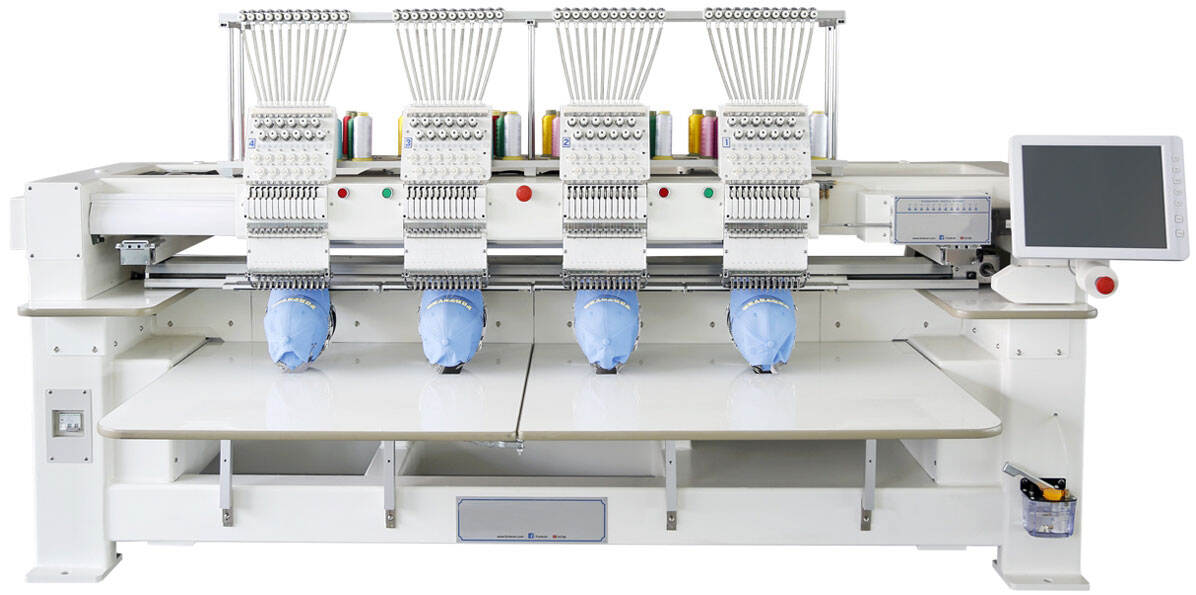
The embroidery industry continues to evolve with technological advancements that revolutionize how businesses approach textile decoration. Modern manufacturing demands have created an urgent need for reliable, efficient machinery that can deliver professional-quality results while maintaining cost-effectiveness. A single head embroidery machine represents the perfect solution for small to medium-sized businesses seeking to enter or expand their embroidery operations. These versatile machines combine precision engineering with user-friendly operation, making them ideal for entrepreneurs, established businesses, and production facilities looking to enhance their capabilities. With immediate availability and ready-to-ship status, these high-performance units eliminate lengthy wait times that often hinder business growth and project timelines.
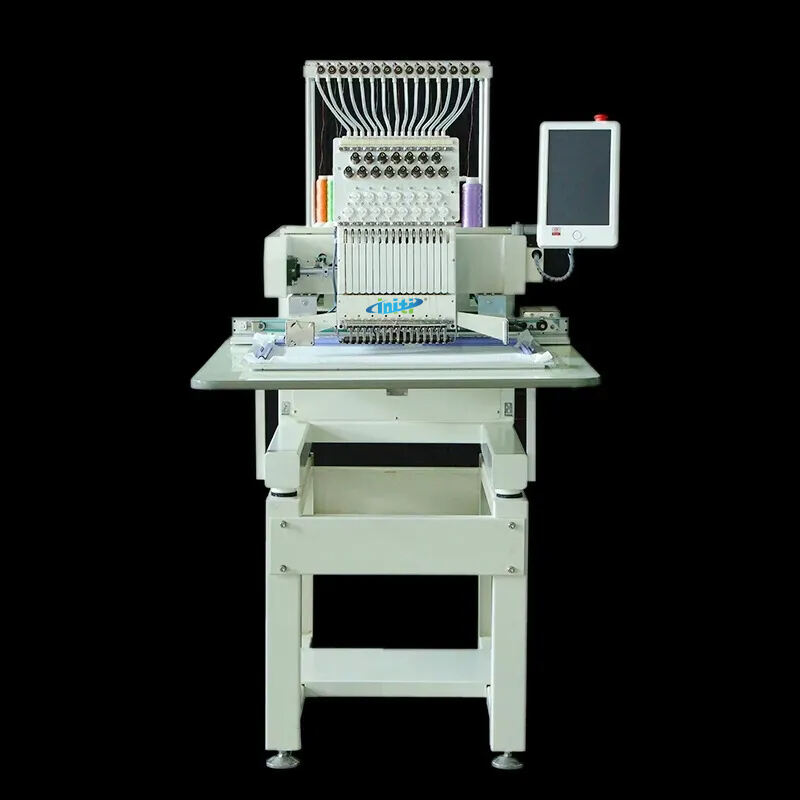
Advanced Engineering and Design Features
Precision Servo Motor Technology
Modern single head embroidery machine units incorporate state-of-the-art servo motor technology that ensures exceptional precision and consistency across all stitching operations. These motors provide superior torque control and positioning accuracy, eliminating the common issues of thread breaks and uneven tension that plague older mechanical systems. The servo-driven mechanism responds instantly to speed variations and directional changes, maintaining perfect stitch formation even during complex pattern execution. This technology significantly reduces material waste and rework requirements, directly impacting operational profitability and production efficiency.
The integration of intelligent motor control systems allows operators to achieve consistent results regardless of fabric type or thread material. Variable speed controls enable precise adjustments for different embroidery techniques, from delicate monogramming to heavy-duty industrial applications. These motors operate with minimal noise levels, creating a more comfortable working environment while reducing mechanical wear and extending machine lifespan. Regular maintenance requirements are significantly reduced compared to traditional mechanical drive systems, resulting in lower operational costs and increased uptime.
Computer-Controlled Pattern Management
Contemporary single head embroidery machine models feature sophisticated computer control systems that streamline pattern selection, editing, and execution processes. Built-in memory capabilities store hundreds of embroidery designs, eliminating the need for external storage devices or frequent pattern transfers. The intuitive touchscreen interface allows operators to preview designs, adjust sizing parameters, and modify color sequences without requiring extensive technical training or experience. Pattern scaling, rotation, and positioning functions provide complete creative control over final output appearance.
Advanced software compatibility ensures seamless integration with popular design programs and file formats used throughout the embroidery industry. Automatic thread trimming functions reduce manual intervention requirements, allowing operators to focus on quality control and production planning activities. Real-time monitoring displays provide instant feedback on stitching progress, thread consumption, and potential issue identification. These computer systems incorporate automatic backup features that protect valuable design data and operational settings from unexpected power interruptions or system failures.
Production Efficiency and Throughput Optimization
High-Speed Stitching Capabilities
Performance specifications of modern single head embroidery machine units demonstrate remarkable improvements in stitching speed without compromising quality standards. These machines routinely achieve speeds exceeding 1000 stitches per minute while maintaining precise thread placement and consistent tension control. Variable speed settings accommodate different fabric types and design complexities, ensuring optimal results across diverse application requirements. Rapid acceleration and deceleration capabilities minimize transition times between different pattern sections, maximizing overall production throughput.
Automatic thread tensioning systems continuously monitor and adjust thread delivery to prevent breaks and ensure uniform stitch appearance. Quick-change thread systems reduce setup times between color changes, supporting efficient production workflows for multi-colored designs. The combination of high-speed operation and reliable performance enables businesses to meet tight deadlines while maintaining exceptional quality standards. Production planning becomes more predictable and efficient when utilizing equipment capable of consistent high-speed operation without frequent interruptions or quality compromises.
Multi-Format Design Compatibility
Versatility in design file compatibility makes single head embroidery machine systems valuable assets for businesses serving diverse customer bases with varying design requirements. Support for industry-standard formats including DST, PES, JEF, and EMB ensures seamless workflow integration regardless of customer design origins or preferred software platforms. Automatic format conversion capabilities eliminate time-consuming file preparation steps, allowing operators to focus on production activities rather than technical file management tasks.
Built-in editing functions provide basic design modification capabilities without requiring external software or specialized design expertise. Color mapping systems automatically assign thread colors based on available inventory, streamlining production planning and reducing setup complexity. Design preview functions allow operators to identify potential issues before beginning embroidery production, preventing material waste and ensuring customer satisfaction. These compatibility features significantly expand market opportunities by enabling businesses to accept orders regardless of customer design formats or technical specifications.
Quality Control and Consistency Standards
Automatic Thread Management Systems
Sophisticated thread management systems integrated into modern single head embroidery machine designs ensure consistent thread delivery and tension control throughout production runs. Automatic tensioning mechanisms continuously monitor thread flow and adjust delivery parameters to maintain optimal stitching conditions. These systems detect thread breaks instantly and pause operation to prevent material damage or pattern distortion. Color change sequences execute automatically, reducing manual intervention requirements and minimizing production interruptions.
Thread consumption monitoring provides accurate usage tracking for cost analysis and inventory management purposes. Predictive maintenance alerts notify operators when thread supplies approach depletion levels, preventing unexpected production stoppages. Quality sensors detect variations in stitch formation and adjust machine parameters automatically to maintain consistent output standards. These advanced management systems significantly reduce operator skill requirements while ensuring professional-quality results across all production activities.
Frame and Hoop Positioning Precision
Precision positioning systems ensure accurate fabric placement and consistent registration across multiple design elements and color changes. Servo-controlled frame movement provides micrometer-level accuracy in X and Y positioning, eliminating registration errors that compromise design quality. Automatic hoop recognition systems detect frame sizes and adjust working parameters accordingly, preventing operational errors and material damage. Quick-release mechanisms facilitate rapid frame changes between production runs, supporting efficient workflow management.
Magnetic or pneumatic hold-down systems maintain fabric tension without causing distortion or marking, particularly important for delicate materials and finished garments. Digital position displays provide real-time feedback on frame location and movement, enabling precise manual adjustments when required. Return-to-origin functions ensure consistent starting positions for repeated designs or production runs. These positioning systems contribute directly to output quality and consistency while reducing setup times and operator training requirements for effective single head embroidery machine operation.
Business Applications and Market Opportunities
Custom Apparel and Promotional Products
The custom apparel market presents significant opportunities for businesses equipped with reliable single head embroidery machine capabilities. Corporate branding requirements drive consistent demand for embroidered uniforms, promotional shirts, and branded merchandise. Small to medium-sized orders become profitable when utilizing efficient single-head systems that minimize setup costs and production complexity. Event-based promotions, team uniforms, and personalized gifts represent recurring revenue streams that benefit from quick turnaround capabilities and consistent quality output.
Online customization platforms have expanded market reach beyond traditional local customer bases, enabling businesses to serve nationwide markets through efficient shipping and production management. Personalization trends continue growing across consumer segments, creating opportunities for monogramming services, custom designs, and limited-edition products. The ability to handle diverse fabric types and garment styles expands service offerings and market positioning advantages. Single head embroidery machine systems provide the flexibility needed to capitalize on these diverse market opportunities while maintaining operational efficiency.
Contract Manufacturing and Subcontracting
Manufacturing partnerships and subcontracting arrangements represent stable revenue sources for businesses operating single head embroidery machine equipment. Established embroidery companies often outsource overflow work during peak seasons, providing consistent production volume for smaller operations. Specialized applications requiring unique capabilities or materials create niche market opportunities with premium pricing potential. Quality certifications and production capacity documentation enable participation in larger commercial contracts and government procurement opportunities.
Geographic location advantages allow businesses to serve regional markets more efficiently than distant competitors, particularly for rush orders or specialized services. Partnerships with screen printing companies, garment decorators, and promotional product distributors create referral networks and collaborative opportunities. The reliability and consistency of modern single head embroidery machine systems support long-term contract relationships built on dependable delivery schedules and quality standards. Building reputation through consistent performance opens doors to larger contracts and expanded business relationships.
Installation and Operational Considerations
Space Requirements and Setup Planning
Effective installation planning ensures optimal performance and operational efficiency from single head embroidery machine systems. Standard space requirements include adequate clearance for frame movement, operator access, and material handling activities. Electrical specifications typically require dedicated circuits with appropriate voltage and current capacity to support motor systems and computer controls. Proper ventilation considerations account for heat generation from electronic components and motors during extended operation periods.
Work surface heights and operator positioning affect productivity and comfort during extended production runs. Adequate lighting systems ensure accurate color matching and quality inspection capabilities. Storage requirements for thread inventory, hoops, and accessories should be planned to support efficient workflow organization. Network connectivity enables software updates, design transfers, and remote monitoring capabilities that enhance operational flexibility. These installation considerations directly impact operational efficiency and long-term productivity potential.
Operator Training and Skill Development
Comprehensive operator training programs maximize the productivity potential of single head embroidery machine investments. Basic operation procedures cover startup sequences, design loading, and routine production activities. Advanced training topics include troubleshooting techniques, maintenance procedures, and quality control processes. Understanding thread characteristics, fabric handling, and tension adjustments enables operators to achieve optimal results across diverse applications and materials.
Ongoing skill development programs keep operators current with software updates, new techniques, and industry best practices. Cross-training multiple operators ensures production continuity and reduces dependency on individual personnel. Safety procedures and emergency protocols protect both operators and equipment from potential hazards. Documentation of training completion and skill certifications supports quality management systems and customer confidence in production capabilities. Investment in comprehensive training programs directly correlates with equipment productivity and output quality achievements.
Maintenance and Longevity Strategies
Preventive Maintenance Protocols
Systematic preventive maintenance programs ensure reliable operation and extend the productive lifespan of single head embroidery machine equipment. Daily cleaning procedures remove lint, thread fragments, and debris that can interfere with mechanical components and cause premature wear. Regular lubrication schedules maintain optimal performance of moving parts while preventing costly repairs and unexpected downtime. Calibration procedures verify accuracy of positioning systems and maintain precise stitch formation capabilities.
Component inspection schedules identify wear patterns and potential issues before they result in equipment failure or quality problems. Software maintenance includes regular updates, backup procedures, and system optimization activities that maintain peak performance levels. Environmental controls protect electronic components from dust, moisture, and temperature fluctuations that can cause premature failure. Documentation of maintenance activities supports warranty compliance and helps identify patterns that may indicate operational improvements or component upgrade opportunities.
Parts Availability and Service Support
Reliable parts availability and service support networks ensure minimal production interruptions and long-term equipment viability. Manufacturer partnerships provide access to genuine replacement parts and technical expertise when issues arise. Local service providers offer faster response times and reduced service costs compared to factory-direct support options. Inventory management for critical spare parts balances carrying costs against potential production losses from extended downtime periods.
Technical support resources include documentation, video tutorials, and remote diagnostic capabilities that enable rapid issue resolution. Training programs for maintenance personnel ensure proper repair techniques and component installation procedures. Extended warranty options provide additional protection against unexpected repair costs and equipment failures. These support systems contribute to overall equipment reliability and help protect the investment value of single head embroidery machine purchases over their operational lifespan.
FAQ
What production capacity can I expect from a single head embroidery machine
Production capacity depends on design complexity, thread changes, and operator efficiency, but typical single head embroidery machine units can complete 15-25 standard logos per hour. Simple designs with minimal color changes achieve higher throughput rates, while complex multi-colored patterns require additional time for setup and execution. Factors such as fabric type, thread quality, and machine speed settings also influence overall production capacity. With proper planning and efficient workflow organization, businesses can typically process 100-150 pieces per 8-hour shift.
How difficult is it to learn single head embroidery machine operation
Modern single head embroidery machine systems feature intuitive interfaces that enable basic operation within a few hours of training. Most operators can handle simple designs and routine production tasks after one week of hands-on experience. Advanced techniques, troubleshooting, and complex design work typically require 2-4 weeks of comprehensive training. The learning curve varies based on previous experience with computer-controlled equipment and general technical aptitude. Manufacturer training programs and online resources significantly accelerate the learning process.
What ongoing costs should I budget for single head embroidery machine operation
Primary ongoing costs include thread inventory, stabilizer materials, and routine maintenance supplies. Thread costs typically range from $0.50-$2.00 per finished piece depending on design complexity and thread quality. Preventive maintenance supplies average $50-100 monthly for normal production volumes. Electricity costs are generally minimal due to efficient motor systems. Software updates, training, and occasional repairs should be budgeted at approximately 5-8% of initial equipment cost annually.
Can single head embroidery machine systems handle different fabric types effectively
Quality single head embroidery machine equipment accommodates diverse fabric types including cotton, polyester, denim, leather, and specialty materials. Proper stabilizer selection and tension adjustments enable successful embroidery on lightweight fabrics, stretchy materials, and heavy-duty textiles. Different needle types and thread selections optimize results for specific fabric characteristics. While some materials require additional setup time and specialized techniques, experienced operators can achieve excellent results across a wide range of textile applications using appropriate accessories and techniques.
Table of Contents
- Advanced Engineering and Design Features
- Production Efficiency and Throughput Optimization
- Quality Control and Consistency Standards
- Business Applications and Market Opportunities
- Installation and Operational Considerations
- Maintenance and Longevity Strategies
-
FAQ
- What production capacity can I expect from a single head embroidery machine
- How difficult is it to learn single head embroidery machine operation
- What ongoing costs should I budget for single head embroidery machine operation
- Can single head embroidery machine systems handle different fabric types effectively