

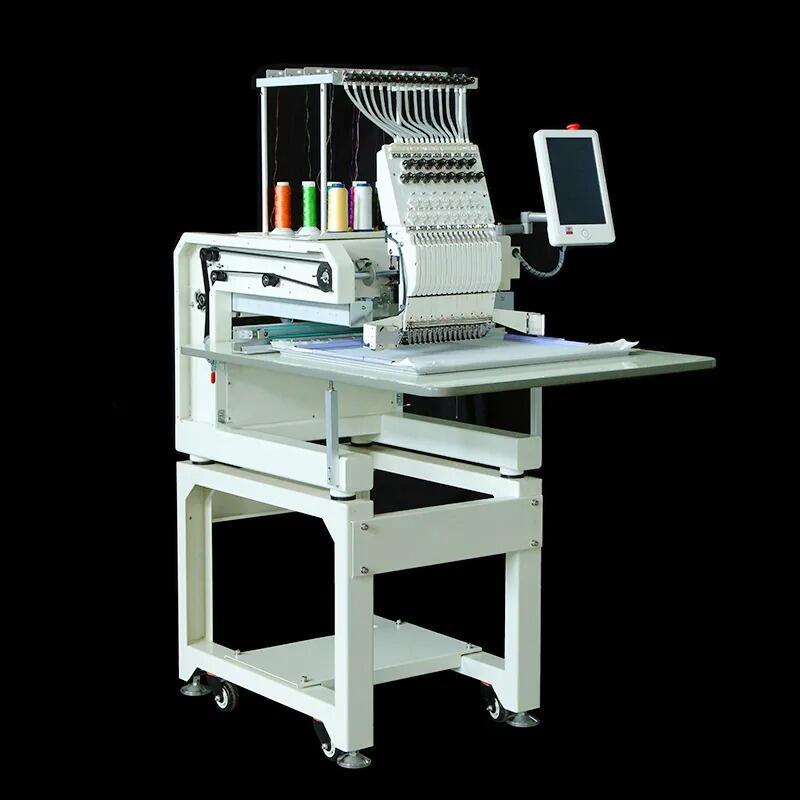
The longevity of a computerized embroidery machine represents one of the most critical investment considerations for textile manufacturers, custom apparel businesses, and industrial production facilities. Understanding the durability metrics that determine a machine's operational lifespan can mean the difference between profitable long-term production and costly equipment replacement cycles. Modern computerized embroidery machines incorporate sophisticated engineering principles designed to withstand intensive commercial use while maintaining precision and reliability over thousands of operating hours.
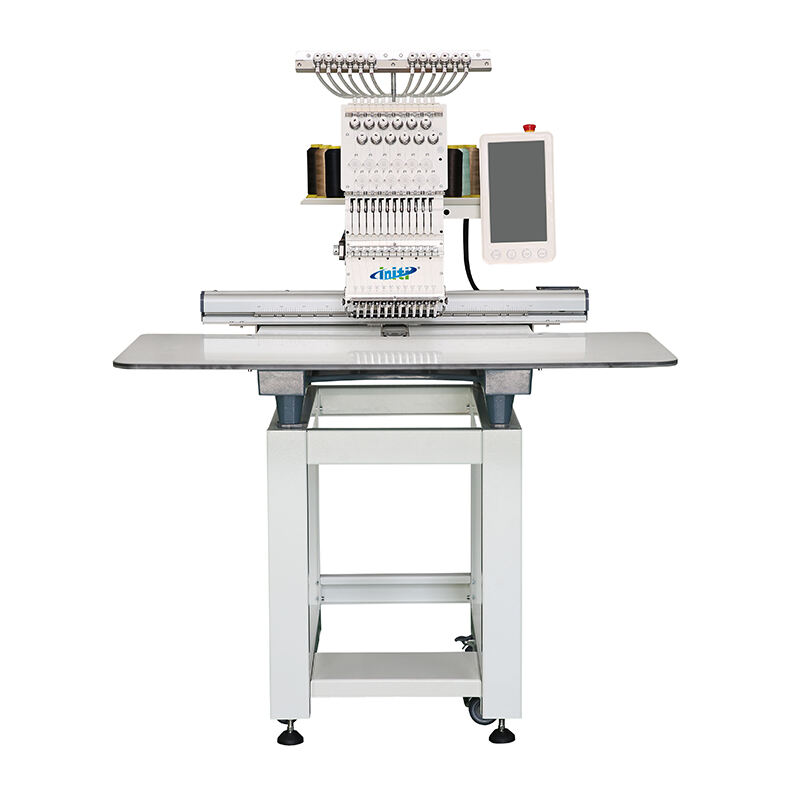
Manufacturing excellence in embroidery equipment requires comprehensive analysis of mechanical components, electronic systems, and operational environments that directly impact machine durability. Professional-grade computerized embroidery machines undergo rigorous testing protocols to establish performance benchmarks and identify potential failure points before reaching commercial markets. These durability assessments encompass multiple operational parameters including stitch accuracy retention, motor performance consistency, and frame stability under continuous production conditions.
Mechanical Component Engineering and Longevity
Frame Construction and Material Selection
The structural foundation of any durable computerized embroidery machine begins with robust frame construction utilizing high-grade steel alloys or precision-machined aluminum components. Premium manufacturers invest in advanced metallurgy to ensure frame materials resist vibration fatigue, thermal expansion stress, and mechanical wear that accumulates during extended production runs. Frame geometry plays an equally important role, with optimized design configurations distributing operational forces evenly across the machine structure to prevent localized stress concentrations.
Surface treatments and protective coatings applied to frame components significantly extend the operational lifespan of computerized embroidery machines operating in challenging industrial environments. Electroplating, anodization, and specialized polymer coatings provide corrosion resistance while maintaining dimensional stability crucial for maintaining embroidery precision over time. Regular inspection protocols should evaluate frame condition indicators including surface finish integrity, connection point tightness, and alignment accuracy to identify potential durability concerns before they impact production quality.
Drive System Reliability and Maintenance Requirements
Advanced drive systems incorporating servo motors, precision gearing, and computer-controlled positioning mechanisms form the operational heart of modern computerized embroidery machines. Motor selection criteria emphasize torque consistency, speed regulation accuracy, and thermal management capabilities that directly influence long-term reliability. High-quality servo motors feature sealed bearing assemblies, temperature monitoring systems, and overload protection circuits designed to prevent premature component failure during intensive production schedules.
Transmission components including timing belts, drive pulleys, and gear reduction assemblies require periodic inspection and replacement to maintain optimal performance characteristics. Manufacturers typically specify maintenance intervals based on operational hour accumulation or production cycle counts to ensure drive system components remain within acceptable wear tolerances. Proper lubrication schedules using manufacturer-recommended lubricants prevent premature bearing failure and reduce mechanical noise levels that often indicate developing durability issues.
Electronic System Durability and Control Architecture
Computer Processing Platform Specifications
The electronic control system of a computerized embroidery machine represents a sophisticated integration of processing hardware, memory architecture, and input/output interfaces designed for continuous industrial operation. Modern control platforms utilize embedded computer systems with redundant memory configurations, error correction capabilities, and thermal management systems to ensure reliable operation across varying environmental conditions. Processing speed and memory capacity directly impact the machine's ability to handle complex embroidery patterns while maintaining consistent stitch quality and production throughput.
Electronic component selection emphasizes industrial-grade specifications including extended temperature operating ranges, electromagnetic interference immunity, and shock resistance ratings appropriate for manufacturing environments. Quality computerized embroidery machines incorporate surge protection circuits, filtered power supplies, and isolation transformers to protect sensitive electronic components from power quality disturbances common in industrial facilities. Regular software updates and system diagnostics help identify potential electronic system issues before they impact production reliability.
Interface Systems and Connectivity Durability
User interface components including touchscreen displays, control panels, and connectivity ports must withstand frequent operator interaction while maintaining responsive performance characteristics. Industrial-grade touchscreen technologies feature tempered glass surfaces, sealed membrane switches, and backlighting systems designed for extended operational lifespans under continuous use conditions. Connection interfaces for design transfer, network communication, and peripheral device integration require robust connector designs with appropriate environmental sealing to prevent contamination-related failures.
Communication protocols and network connectivity features enable remote monitoring, diagnostic data collection, and software maintenance capabilities that support proactive durability management strategies. Advanced computerized embroidery machine systems provide detailed operational logging, component performance tracking, and predictive maintenance alerts to optimize equipment longevity and minimize unplanned downtime events.
Environmental Factors and Operational Conditions
Temperature and Humidity Control Requirements
Operating environment conditions significantly influence the long-term durability of computerized embroidery machines, with temperature and humidity levels requiring careful control to prevent component degradation and performance drift. Electronic components are particularly sensitive to thermal cycling, condensation formation, and humidity-induced corrosion that can compromise system reliability over time. Manufacturers typically specify optimal operating ranges for temperature and relative humidity along with recommendations for environmental conditioning systems in production facilities.
Thermal management systems within computerized embroidery machines include cooling fans, heat sinks, and ventilation pathways designed to maintain component temperatures within acceptable limits during continuous operation. Proper facility ventilation and climate control systems complement machine-level thermal management to create stable operating conditions that maximize component lifespan. Regular cleaning of cooling system components and monitoring of operating temperatures help identify potential thermal issues before they impact machine durability.
Contamination Prevention and Maintenance Protocols
Dust, lint, and fabric particles generated during embroidery operations pose significant threats to the long-term reliability of computerized embroidery machines if not properly managed through preventive maintenance protocols. Accumulation of contaminants in mechanical assemblies, electronic enclosures, and optical sensors can cause premature wear, overheating, and system malfunctions that compromise production quality and equipment longevity. Comprehensive cleaning schedules should address all machine areas where contamination typically accumulates during normal operation.
Filtration systems and protective enclosures help minimize contamination exposure while allowing necessary airflow for thermal management and operator access for routine maintenance tasks. Regular inspection of sealing systems, gaskets, and protective covers ensures contamination barriers remain effective throughout the machine's operational lifespan. Documentation of cleaning procedures and maintenance intervals provides valuable data for optimizing durability management strategies specific to individual facility conditions and production requirements.
Performance Monitoring and Predictive Maintenance
Operational Data Collection and Analysis
Modern computerized embroidery machines incorporate sophisticated data collection capabilities that monitor key performance indicators related to component health, operational efficiency, and quality metrics. These monitoring systems track parameters including motor current consumption, positioning accuracy, stitch count accumulation, and error frequency to identify trends that may indicate developing durability issues. Advanced analytics platforms process this operational data to generate predictive maintenance recommendations and component replacement schedules optimized for individual machine usage patterns.
Historical performance data enables facility managers to establish baseline performance characteristics for their computerized embroidery machines and identify deviations that may signal component wear or system degradation. Trend analysis of key durability indicators helps optimize maintenance intervals, identify training needs for operators, and justify equipment upgrades based on quantitative performance data rather than subjective assessments. Integration with facility management systems provides comprehensive asset tracking and maintenance planning capabilities.
Component Lifecycle Management Strategies
Effective component lifecycle management for computerized embroidery machines requires understanding of individual component wear characteristics, replacement intervals, and performance impact on overall system durability. Critical wear components including needles, hooks, timing belts, and electronic assemblies have specific service life expectations that vary based on operational intensity, maintenance quality, and environmental conditions. Proactive replacement strategies prevent unexpected failures that can damage other machine components and disrupt production schedules.
Spare parts inventory management and supplier relationships play crucial roles in maintaining computerized embroidery machine durability over extended operational periods. Establishing relationships with authorized parts suppliers ensures access to genuine replacement components that meet original equipment specifications and maintain warranty coverage. Strategic inventory levels for critical wear components minimize machine downtime while avoiding excessive capital investment in spare parts that may become obsolete before use.
Quality Standards and Certification Requirements
International Durability Testing Protocols
Professional-grade computerized embroidery machines undergo comprehensive testing according to international standards that establish minimum durability requirements for commercial and industrial applications. These testing protocols evaluate mechanical endurance, electronic system reliability, and operational performance consistency under accelerated wear conditions designed to simulate years of typical usage in compressed timeframes. Certification bodies validate test results and provide independent verification of manufacturer durability claims.
Industry-specific durability standards address unique requirements for computerized embroidery machines used in apparel manufacturing, promotional products, and technical textile applications. These standards consider factors including production volume expectations, quality tolerance requirements, and environmental conditions typical for each application segment. Compliance with relevant durability standards provides assurance that equipment investments will deliver expected operational lifespans and performance characteristics.
Manufacturer Warranty and Support Programs
Comprehensive warranty programs and technical support services reflect manufacturer confidence in computerized embroidery machine durability and provide protection against premature component failures or design defects. Extended warranty options and maintenance service contracts offer additional protection for high-volume production environments where equipment reliability directly impacts business profitability. Evaluation of warranty terms, coverage limitations, and service response times should factor into equipment selection decisions.
Technical support capabilities including remote diagnostics, software updates, and training programs contribute to long-term equipment durability by ensuring proper operation and maintenance practices. Manufacturer support networks with local service technicians and parts distribution facilities provide timely response to durability issues and minimize production disruptions. Ongoing relationship management with equipment suppliers supports continuous improvement in durability management strategies and operational optimization.
FAQ
What is the typical lifespan of a commercial computerized embroidery machine?
A well-maintained commercial computerized embroidery machine typically operates reliably for 10 to 15 years under normal production conditions, with some premium models exceeding 20 years when properly serviced. Actual lifespan depends on factors including operating hours per day, production volume, maintenance quality, and environmental conditions. Machines used for light commercial applications may last longer, while intensive industrial operations may require replacement or major refurbishment sooner. Regular preventive maintenance and component replacement significantly extend operational lifespan beyond manufacturer specifications.
Which components require the most frequent replacement in computerized embroidery machines?
Needles, hooks, and timing belts represent the most frequently replaced components in computerized embroidery machines due to their direct exposure to operational stresses and wear. Needles typically require replacement every 4-8 hours of operation depending on fabric type and thread characteristics. Hooks and timing components may last 500-1000 operating hours but require regular inspection for wear indicators. Electronic components like touchscreens and control boards have longer service intervals but may need replacement due to technological obsolescence rather than mechanical wear.
How can facility conditions affect computerized embroidery machine durability?
Environmental factors including temperature fluctuations, humidity levels, dust accumulation, and power quality significantly impact computerized embroidery machine durability. Excessive heat accelerates component aging while high humidity promotes corrosion and electrical issues. Dust and lint contamination cause premature wear of mechanical components and cooling system blockages. Poor power quality with voltage fluctuations or electrical noise can damage electronic control systems. Maintaining stable facility conditions with appropriate climate control, filtration, and power conditioning extends equipment lifespan substantially.
What maintenance intervals are recommended for optimal computerized embroidery machine durability?
Daily maintenance should include cleaning lint and debris, checking thread tension, and inspecting needles for damage. Weekly maintenance involves lubricating specified points, cleaning cooling fans, and checking belt tension. Monthly inspections should evaluate timing accuracy, electronic system performance, and frame alignment. Annual maintenance requires comprehensive component inspection, calibration verification, and replacement of wear items according to manufacturer specifications. Following these maintenance intervals helps identify potential durability issues early and prevents minor problems from causing major system failures.
Table of Contents
- Mechanical Component Engineering and Longevity
- Electronic System Durability and Control Architecture
- Environmental Factors and Operational Conditions
- Performance Monitoring and Predictive Maintenance
- Quality Standards and Certification Requirements
-
FAQ
- What is the typical lifespan of a commercial computerized embroidery machine?
- Which components require the most frequent replacement in computerized embroidery machines?
- How can facility conditions affect computerized embroidery machine durability?
- What maintenance intervals are recommended for optimal computerized embroidery machine durability?