

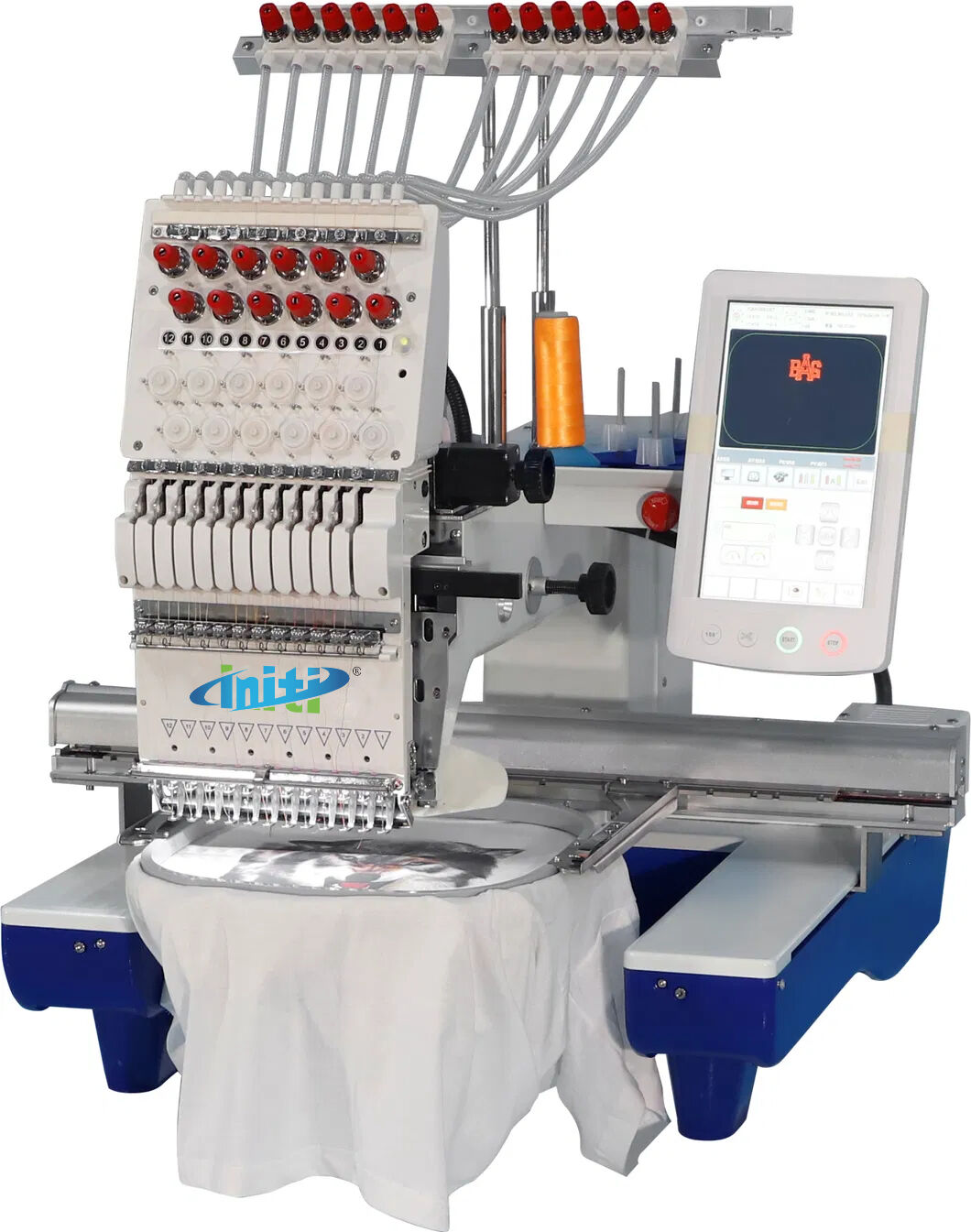
In today's competitive textile and garment industry, businesses are constantly seeking ways to enhance productivity while maintaining exceptional quality standards. Automatic embroidery machines have emerged as game-changing solutions that revolutionize how manufacturers approach decorative stitching and customization processes. These sophisticated devices combine precision engineering with advanced computer technology to deliver consistent, professional-grade embroidery results across various fabric types and applications. The integration of automatic embroidery machines into production workflows has transformed traditional manual embroidery operations into streamlined, efficient processes that significantly reduce labor costs while maximizing output quality.
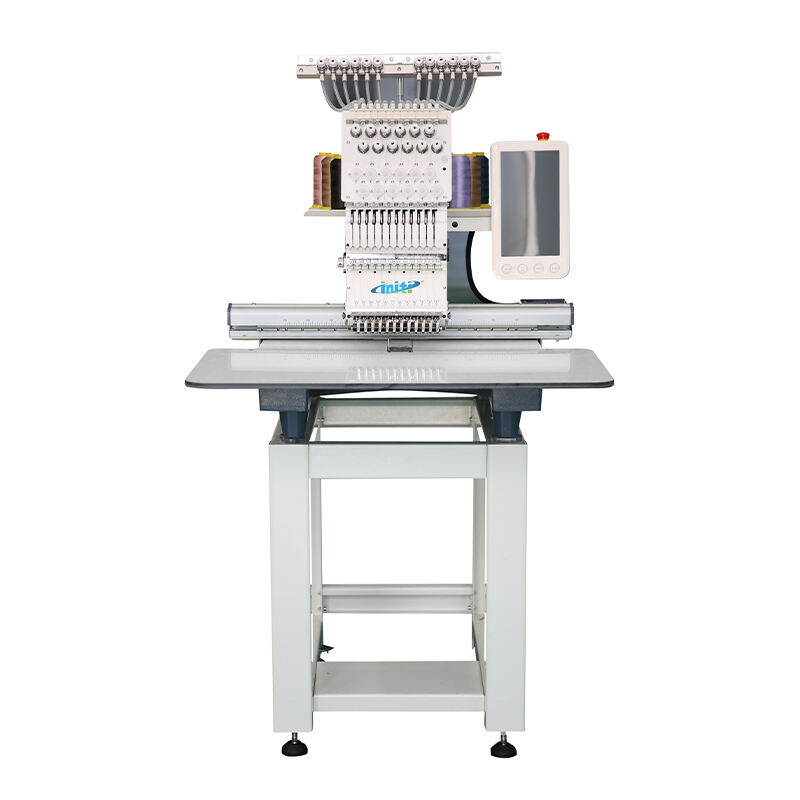
Understanding Automatic Embroidery Technology
Core Components and Functionality
Modern automatic embroidery machines incorporate several critical components that work in perfect synchronization to achieve superior stitching results. The computerized control system serves as the brain of the operation, processing digital embroidery files and translating them into precise needle movements and thread selections. High-resolution touch screens provide intuitive interfaces for operators to manage designs, adjust parameters, and monitor production progress in real-time. The precision servo motors ensure accurate positioning of the embroidery hoop while maintaining consistent tension throughout the stitching process.
Advanced thread management systems within automatic embroidery machines eliminate the need for manual thread changes during multi-color designs. Automated thread cutting mechanisms reduce waste while ensuring clean transitions between different design elements. The integrated tension control systems adapt automatically to different thread types and fabric weights, maintaining optimal stitch quality regardless of material variations. These technological advancements collectively contribute to the superior performance characteristics that distinguish automatic embroidery machines from traditional manual alternatives.
Digital Design Integration Capabilities
The seamless integration between digital design software and automatic embroidery machines has revolutionized the customization landscape for businesses across multiple industries. Contemporary machines support various file formats including DST, PES, JEF, and EMB, ensuring compatibility with popular embroidery design software packages. USB connectivity and network capabilities enable rapid design transfers and remote monitoring of production processes. The built-in design editing features allow operators to make real-time adjustments without requiring separate software applications.
Pattern scaling and positioning tools within automatic embroidery machines provide unprecedented flexibility for customization projects. Operators can resize designs proportionally, adjust stitch density parameters, and optimize thread paths for enhanced efficiency. The preview functions display accurate representations of finished products before production begins, minimizing material waste and ensuring client satisfaction. These digital integration capabilities position automatic embroidery machines as essential tools for businesses offering personalized products and custom branding solutions.
Productivity Enhancement Through Automation
Speed and Throughput Optimization
The implementation of automatic embroidery machines typically results in productivity increases of 300-500% compared to manual embroidery processes. High-speed stitching capabilities, often exceeding 1000 stitches per minute, enable rapid completion of complex designs without compromising quality standards. Multi-needle configurations eliminate time-consuming thread changes, allowing continuous operation during multi-color projects. The automated trimming and tie-off functions further reduce cycle times while maintaining professional finishing standards.
Batch processing capabilities of modern automatic embroidery machines enable simultaneous production of multiple identical items, maximizing throughput during large-volume orders. The consistent stitching speed and tension control ensure uniform quality across entire production runs, eliminating the variations typically associated with manual operations. Advanced scheduling features allow operators to queue multiple designs and material types, enabling unattended operation during extended production periods. These efficiency improvements translate directly into increased profitability and enhanced competitive positioning.
Labor Cost Reduction Strategies
Automatic embroidery machines significantly reduce labor requirements while enabling existing staff to focus on higher-value activities such as design development and quality control. The simplified operation procedures allow businesses to utilize less specialized operators without sacrificing production quality. Training requirements are substantially reduced compared to traditional embroidery techniques, enabling faster onboarding of new personnel. The reduced physical demands of operating automatic embroidery machines also contribute to improved workplace ergonomics and reduced injury risks.
The ability to operate multiple automatic embroidery machines simultaneously allows skilled operators to oversee larger production volumes effectively. Remote monitoring capabilities enable supervisors to track production progress and identify potential issues before they impact delivery schedules. The predictable operation cycles facilitate accurate production planning and resource allocation, improving overall operational efficiency. These labor optimization benefits provide compelling return-on-investment justifications for businesses considering automation upgrades.
Quality Control and Consistency Advantages
Precision Stitching Mechanisms
The precision engineering incorporated into automatic embroidery machines ensures exceptional stitch accuracy and consistency across all production runs. Computer-controlled needle positioning systems maintain tolerances measured in hundredths of millimeters, resulting in perfectly aligned design elements and smooth curves. The integrated feedback systems continuously monitor and adjust thread tension, preventing puckering and ensuring optimal stitch formation on various fabric types. Advanced algorithm-based compensation techniques account for fabric stretch and distortion, maintaining design integrity even on challenging materials.
Automatic thread tension adjustment capabilities within modern embroidery systems respond dynamically to changing conditions throughout the stitching process. The precision drive mechanisms eliminate the human variables that can affect stitch quality in manual operations, resulting in superior consistency across large production volumes. Quality monitoring sensors detect potential issues such as thread breaks or needle deflection, automatically pausing operation to prevent defective products. These precision control features establish automatic embroidery machines as the preferred solution for applications requiring exceptional quality standards.
Reproducibility and Standardization
The digital nature of automatic embroidery machines enables perfect reproduction of designs across unlimited quantities, ensuring brand consistency for commercial applications. Standardized production parameters eliminate the variations inherent in manual processes, resulting in identical products regardless of operator skill levels or environmental conditions. The ability to save and recall specific machine settings for different fabric types and thread combinations streamlines setup procedures for repeat orders. Version control capabilities track design modifications and machine configurations, facilitating quality assurance and troubleshooting processes.
Statistical process control features within advanced automatic embroidery machines provide real-time quality metrics and production analytics. Automated documentation systems maintain comprehensive records of production parameters, enabling continuous improvement initiatives and quality certification compliance. The elimination of human subjectivity in design execution ensures that customer specifications are met precisely on every unit produced. These standardization capabilities position automatic embroidery machines as essential equipment for businesses serving quality-conscious markets.
Cost-Effectiveness and Return on Investment
Initial Investment Considerations
While the upfront capital investment for automatic embroidery machines represents a significant financial commitment, the long-term economic benefits typically justify the expenditure within 12-24 months of operation. Comprehensive cost analysis should include not only the machine purchase price but also installation, training, and initial material costs. Financing options and equipment leasing programs make advanced automatic embroidery machines accessible to businesses of various sizes and financial capacities. Government incentives and tax advantages for manufacturing equipment investments can further improve the financial attractiveness of automation upgrades.
The scalability of automatic embroidery machines allows businesses to expand production capacity without proportional increases in labor costs or facility requirements. Energy-efficient designs minimize ongoing operational expenses while advanced diagnostics reduce maintenance costs through predictive servicing capabilities. The enhanced production capabilities enable businesses to pursue higher-value contracts and premium market segments previously inaccessible with manual processes. These economic advantages create compelling business cases for investing in automatic embroidery machines across diverse industry applications.
Long-term Operational Savings
The operational savings achieved through automatic embroidery machines extend far beyond direct labor cost reductions to encompass material efficiency, quality improvements, and capacity utilization benefits. Precise thread consumption calculations minimize waste while automated cutting functions reduce material losses compared to manual operations. The consistent quality output reduces rework rates and customer returns, improving overall profitability and customer satisfaction metrics. Enhanced production capacity enables businesses to accept larger orders and negotiate better pricing with suppliers and customers.
Maintenance costs for modern automatic embroidery machines are typically lower than expected due to robust construction and advanced diagnostic systems that prevent major failures through early intervention. The extended operational life of quality machines, often exceeding 15-20 years with proper maintenance, provides excellent long-term value retention. Resale values remain strong due to continuous demand for reliable embroidery equipment in expanding markets. These factors combine to create favorable total cost of ownership profiles that support investment decisions in automatic embroidery machines.
Applications Across Industries
Apparel and Fashion Manufacturing
The apparel industry has embraced automatic embroidery machines as essential tools for creating distinctive branded products and custom designs that differentiate brands in competitive markets. High-volume production capabilities enable fashion manufacturers to meet seasonal demand cycles while maintaining consistent quality across global supply chains. The ability to execute complex multi-color designs with precision positioning makes automatic embroidery machines ideal for luxury fashion applications where attention to detail is paramount. Fashion designers benefit from rapid prototyping capabilities that accelerate the design-to-market process.
Sports apparel manufacturers rely heavily on automatic embroidery machines for team logos, player names, and sponsor branding applications that require durability and professional appearance. The machines' ability to handle various fabric weights and stretch materials makes them suitable for technical sportswear applications. Uniform suppliers utilize automatic embroidery machines to provide cost-effective customization services for corporate clients, schools, and organizations requiring consistent branding across large quantities. These applications demonstrate the versatility and reliability of automatic embroidery machines in demanding commercial environments.
Promotional Products and Corporate Branding
The promotional products industry has experienced significant growth due to the capabilities provided by automatic embroidery machines, enabling cost-effective customization of items such as caps, bags, and corporate gifts. The quick-change capabilities of modern machines allow efficient production of small batches with different logos and designs, meeting the diverse needs of promotional product distributors. Variable data embroidery features enable personalization of individual items within production runs, adding value for end customers and increasing profit margins for manufacturers.
Corporate branding applications benefit from the professional quality and consistency achievable with automatic embroidery machines, ensuring that company logos and messaging are reproduced accurately across various promotional materials. The ability to match specific thread colors to corporate brand guidelines maintains brand integrity while automated production processes ensure timely delivery of marketing materials. Trade show and event applications leverage the speed and flexibility of automatic embroidery machines to provide on-demand customization services that engage customers and create memorable brand experiences.
Maintenance and Operational Excellence
Preventive Maintenance Protocols
Implementing comprehensive preventive maintenance programs for automatic embroidery machines maximizes equipment reliability while minimizing unexpected downtime that can disrupt production schedules. Regular lubrication schedules ensure smooth operation of mechanical components while periodic calibration procedures maintain stitching accuracy over extended operational periods. Cleaning protocols remove thread debris and dust accumulation that can interfere with precision mechanisms. Operator training programs emphasize proper daily maintenance procedures that prevent minor issues from developing into major problems.
Advanced diagnostic systems within modern automatic embroidery machines provide early warning indicators for components approaching service intervals or experiencing performance degradation. Scheduled replacement of consumable items such as needles, bobbins, and drive belts prevents unexpected failures during production runs. Environmental controls including temperature and humidity monitoring help maintain optimal operating conditions for sensitive electronic components. These proactive maintenance approaches significantly extend equipment life while maintaining peak performance levels throughout the operational lifecycle.
Technical Support and Training Requirements
Comprehensive operator training programs are essential for maximizing the capabilities of automatic embroidery machines while ensuring safe and efficient operation. Initial training typically covers machine setup procedures, design loading processes, material handling techniques, and basic troubleshooting methods. Advanced training modules address complex design editing, production optimization strategies, and preventive maintenance procedures. Ongoing education programs keep operators current with software updates and new feature implementations.
Technical support services from equipment manufacturers provide valuable resources for optimizing automatic embroidery machines performance and resolving operational challenges. Remote diagnostic capabilities enable expert technicians to assess machine status and provide guidance without requiring on-site visits. Comprehensive documentation including operation manuals, maintenance schedules, and troubleshooting guides support independent problem resolution. User communities and online forums facilitate knowledge sharing among operators of automatic embroidery machines, providing practical insights and solution strategies for common challenges.
FAQ
What factors should be considered when selecting automatic embroidery machines for a new business
When choosing automatic embroidery machines for a new business, consider production volume requirements, design complexity needs, available floor space, and budget constraints. Evaluate the machine's maximum embroidery area, number of needle positions, and supported file formats to ensure compatibility with your intended applications. Consider the availability of local technical support, training programs, and parts supply networks. Research the manufacturer's reputation for reliability and customer service to ensure long-term operational success.
How do automatic embroidery machines compare to traditional manual embroidery methods in terms of quality
Automatic embroidery machines typically deliver superior consistency and precision compared to manual embroidery methods, as they eliminate human variables that can affect stitch quality. While skilled manual embroiderers can achieve exceptional results on individual pieces, automatic embroidery machines maintain consistent quality across large production volumes without fatigue-related variations. The computer-controlled tension and positioning systems ensure optimal stitch formation on various fabric types, often achieving better results than manual methods on challenging materials.
What ongoing costs should be budgeted for operating automatic embroidery machines
Ongoing operational costs for automatic embroidery machines include thread and backing materials, needles and other consumables, electricity consumption, and periodic maintenance services. Budget approximately 10-15% of the machine's purchase price annually for maintenance, repairs, and consumable supplies. Consider costs for software updates, training programs, and potential facility modifications required for optimal machine operation. Factor in insurance costs and depreciation allowances when calculating total cost of ownership for financial planning purposes.
Can automatic embroidery machines handle specialty fabrics and unconventional materials
Modern automatic embroidery machines are designed to handle a wide range of fabrics and materials including delicate silks, heavy canvas, leather, and synthetic technical fabrics. Advanced tension control systems automatically adjust to different material characteristics while specialized presser feet and backing materials accommodate various fabric weights and stretch properties. However, extremely thick or rigid materials may require specialized attachments or modified techniques to achieve optimal results. Consult with equipment manufacturers regarding specific material compatibility requirements for unusual applications.
Table of Contents
- Understanding Automatic Embroidery Technology
- Productivity Enhancement Through Automation
- Quality Control and Consistency Advantages
- Cost-Effectiveness and Return on Investment
- Applications Across Industries
- Maintenance and Operational Excellence
-
FAQ
- What factors should be considered when selecting automatic embroidery machines for a new business
- How do automatic embroidery machines compare to traditional manual embroidery methods in terms of quality
- What ongoing costs should be budgeted for operating automatic embroidery machines
- Can automatic embroidery machines handle specialty fabrics and unconventional materials