

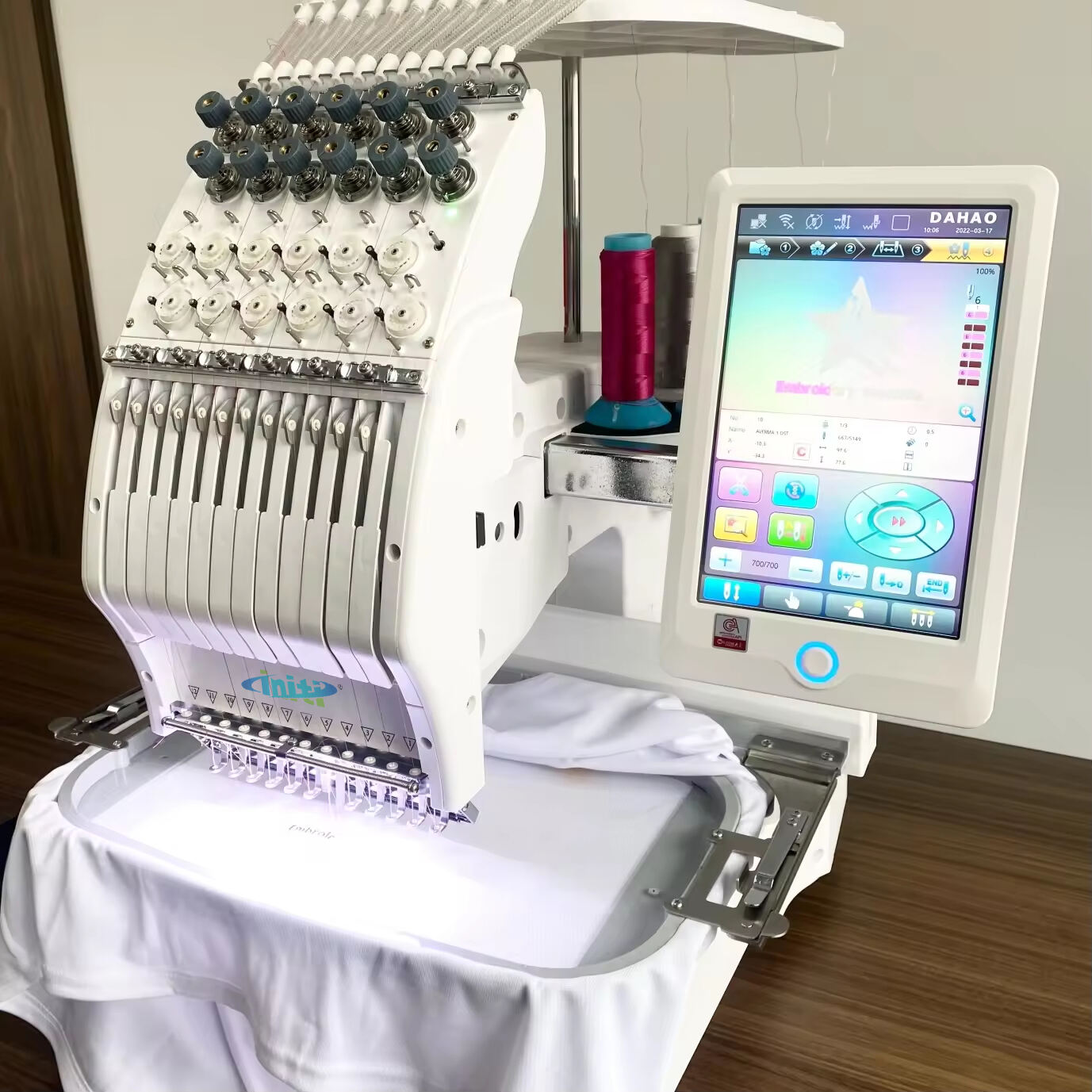
The manufacturing landscape has undergone a dramatic transformation with the introduction of automatic machines that operate without constant human intervention. These sophisticated systems have fundamentally changed how production facilities approach efficiency, quality control, and operational scalability. Modern automatic machines represent the pinnacle of engineering excellence, combining precision mechanics with advanced control systems to deliver consistent results across various industrial applications. The evolution from manual processes to fully automated production lines has enabled manufacturers to achieve unprecedented levels of productivity while maintaining superior quality standards.

Understanding Automatic Machine Technology
Core Components of Modern Automation
Automatic machines integrate multiple sophisticated components that work in harmony to execute complex manufacturing tasks. The control system serves as the brain, utilizing programmable logic controllers and advanced software algorithms to coordinate every aspect of operation. Sensors and feedback mechanisms continuously monitor performance parameters, ensuring optimal functionality throughout the production cycle. These automatic machines incorporate precision actuators, servo motors, and hydraulic systems that provide the mechanical power necessary for high-speed operations while maintaining exceptional accuracy.
The integration of computer vision systems has revolutionized how automatic machines perceive and respond to their environment. Advanced cameras and image processing software enable real-time quality inspection, dimensional verification, and defect detection. This technological advancement allows automatic machines to make intelligent decisions based on visual data, significantly reducing the likelihood of producing defective products. The combination of artificial intelligence and machine learning algorithms further enhances the adaptive capabilities of these systems.
Programming and Control Systems
Contemporary automatic machines utilize sophisticated programming interfaces that allow operators to define complex operational sequences with remarkable precision. Human-machine interfaces provide intuitive control panels where technicians can adjust parameters, monitor performance metrics, and troubleshoot potential issues. The programming flexibility of modern automatic machines enables manufacturers to quickly adapt production processes for different products without requiring extensive mechanical modifications or prolonged downtime periods.
Remote monitoring capabilities have become standard features in advanced automatic machines, allowing production managers to oversee operations from centralized control rooms or even off-site locations. Cloud connectivity enables real-time data transmission, predictive maintenance scheduling, and performance analytics that optimize overall equipment effectiveness. These automatic machines generate comprehensive operational reports that provide valuable insights into production efficiency, quality metrics, and maintenance requirements.
Production Efficiency Benefits
Speed and Throughput Improvements
The implementation of automatic machines has delivered substantial improvements in production speed compared to traditional manual processes. These systems operate continuously without fatigue, breaks, or performance degradation throughout extended production runs. Automatic machines can maintain consistent cycle times while processing materials at rates that far exceed human capabilities. The elimination of human variability ensures predictable throughput rates that enable accurate production planning and delivery scheduling.
Multi-axis coordination capabilities allow automatic machines to perform multiple operations simultaneously, further enhancing overall productivity. Complex manufacturing tasks that previously required sequential processing can now be completed in parallel operations, dramatically reducing total cycle time. The precision timing control inherent in automatic machines ensures optimal coordination between different operational stages, minimizing idle time and maximizing equipment utilization.
Quality Consistency and Precision
Automatic machines deliver exceptional consistency in product quality by eliminating human error and maintaining precise control over critical process parameters. The mechanical precision inherent in these systems ensures dimensional accuracy within tight tolerances, regardless of production volume or operating duration. Advanced feedback control systems continuously adjust operational parameters to compensate for environmental variations, tool wear, or material property fluctuations that could impact product quality.
Statistical process control integration enables automatic machines to monitor quality metrics in real-time and automatically adjust operations to maintain specifications. These systems can detect quality deviations before they result in defective products, implementing corrective actions to prevent waste and rework. The comprehensive data logging capabilities of automatic machines provide detailed quality documentation that supports regulatory compliance and continuous improvement initiatives.
Cost-Effectiveness and ROI Analysis
Labor Cost Reduction Strategies
The deployment of automatic machines significantly reduces direct labor costs by minimizing the number of operators required for production activities. These systems can operate during night shifts and weekends without additional labor costs, extending productive hours and maximizing facility utilization. The reduction in manual handling requirements also decreases workplace injury risks and associated compensation costs, contributing to overall operational savings.
Skilled operators can oversee multiple automatic machines simultaneously, multiplying their productivity impact across the production facility. This operational model allows manufacturers to redeploy human resources to higher-value activities such as quality assurance, maintenance planning, and process optimization. The consistent performance of automatic machines reduces the dependency on finding and retaining skilled manual operators, addressing labor shortage challenges that affect many industries.
Material Waste Minimization
Automatic machines optimize material utilization through precise control over cutting patterns, forming processes, and assembly operations. Advanced nesting algorithms maximize material yield by calculating optimal part arrangements that minimize waste generation. The precision control capabilities of automatic machines reduce material consumption variations that typically occur with manual operations, resulting in more predictable material costs and inventory management.
Real-time monitoring systems within automatic machines track material usage patterns and identify opportunities for further waste reduction. These systems can detect when tools require replacement before they begin producing defective parts, preventing material waste from quality issues. The ability to quickly switch between different product configurations allows automatic machines to minimize setup waste and optimize production scheduling for diverse product portfolios.
Industry Applications and Implementation
Textile and Apparel Manufacturing
The textile industry has embraced automatic machines for embroidery, cutting, and finishing operations that require exceptional precision and repeatability. Modern embroidery automatic machines can execute intricate designs with thread tension control, color changes, and positioning accuracy that surpasses manual capabilities. These systems process various fabric types while maintaining consistent stitch quality and design registration across large production runs.
Pattern recognition technology enables automatic machines to adapt cutting operations based on fabric characteristics and design requirements. Computer-controlled cutting systems optimize blade angles, cutting speeds, and feed rates to minimize fraying and ensure clean edges across different material types. The integration of automatic machines in textile production has enabled manufacturers to meet increasing demands for customization while maintaining competitive pricing structures.
Electronics and Precision Assembly
Electronics manufacturing relies heavily on automatic machines for component placement, soldering, and inspection processes that require microscopic precision. Pick-and-place systems can handle components measuring fractions of millimeters while maintaining positioning accuracy within micrometers. These automatic machines operate at speeds that enable high-volume production of complex circuit boards while ensuring electrical connectivity and mechanical integrity.
Vision-guided assembly systems allow automatic machines to adapt to component variations and board warpage that could affect assembly quality. Advanced algorithms process optical feedback to make real-time adjustments that maintain assembly accuracy despite manufacturing tolerances. The clean room compatibility of specialized automatic machines enables production of sensitive electronic components that require contamination-free environments.
Future Trends and Technological Advancement
Artificial Intelligence Integration
The next generation of automatic machines incorporates artificial intelligence algorithms that enable adaptive learning and predictive optimization. Machine learning systems analyze historical performance data to identify patterns and optimize operational parameters for improved efficiency. These intelligent automatic machines can predict maintenance requirements, adjust processing parameters for different materials, and optimize production schedules based on real-time demand fluctuations.
Neural network integration allows automatic machines to recognize complex patterns in production data that traditional programming approaches cannot address. These systems continuously improve their performance through operational experience, becoming more efficient and accurate over time. The ability to share learning between connected automatic machines creates network effects that benefit entire production facilities through collective intelligence.
Connectivity and Industry 4.0 Integration
Modern automatic machines are designed with comprehensive connectivity features that enable seamless integration into Industry 4.0 manufacturing environments. Internet of Things sensors provide granular monitoring of operational parameters, enabling predictive analytics and condition-based maintenance strategies. Cloud integration allows automatic machines to access updated programming, share performance data, and receive remote diagnostics support from equipment manufacturers.
Blockchain technology integration provides secure traceability for products manufactured by automatic machines, ensuring supply chain transparency and quality verification. Digital twin technology creates virtual replicas of automatic machines that enable simulation-based optimization and training without disrupting production operations. These technological advances position automatic machines as central components of smart manufacturing ecosystems that adapt dynamically to changing market demands.
FAQ
What maintenance requirements do automatic machines typically have
Automatic machines require regular preventive maintenance that includes lubrication of mechanical components, calibration of sensors, and replacement of wear items according to manufacturer specifications. Modern systems provide predictive maintenance alerts based on operational data analysis, helping facilities schedule maintenance activities during planned downtime periods. Proper maintenance extends equipment life, maintains precision accuracy, and prevents unexpected production interruptions that could impact delivery commitments.
How do automatic machines handle product changeovers
Contemporary automatic machines utilize quick-change tooling systems and programmable parameters that enable rapid transitions between different product configurations. Stored program libraries allow operators to recall previously validated settings for specific products, minimizing setup time and reducing the potential for configuration errors. Advanced systems can automatically adjust mechanical components and process parameters based on product identification codes or barcode scanning.
What safety considerations apply to automatic machine operation
Automatic machines incorporate multiple safety systems including light curtains, pressure-sensitive mats, and emergency stop circuits that immediately halt operations when personnel enter hazardous areas. Lockout-tagout procedures ensure safe maintenance access, while interlocked guards prevent operation with protective barriers removed. Regular safety training ensures operators understand proper procedures for working with automatic machines and responding to emergency situations.
How do automatic machines integrate with existing production systems
Modern automatic machines support standard communication protocols that facilitate integration with enterprise resource planning systems, manufacturing execution systems, and quality management databases. Flexible input-output configurations allow connection to existing conveyor systems, material handling equipment, and upstream or downstream processes. Gradual implementation strategies enable facilities to integrate automatic machines without disrupting ongoing production activities or requiring complete system overhauls.