

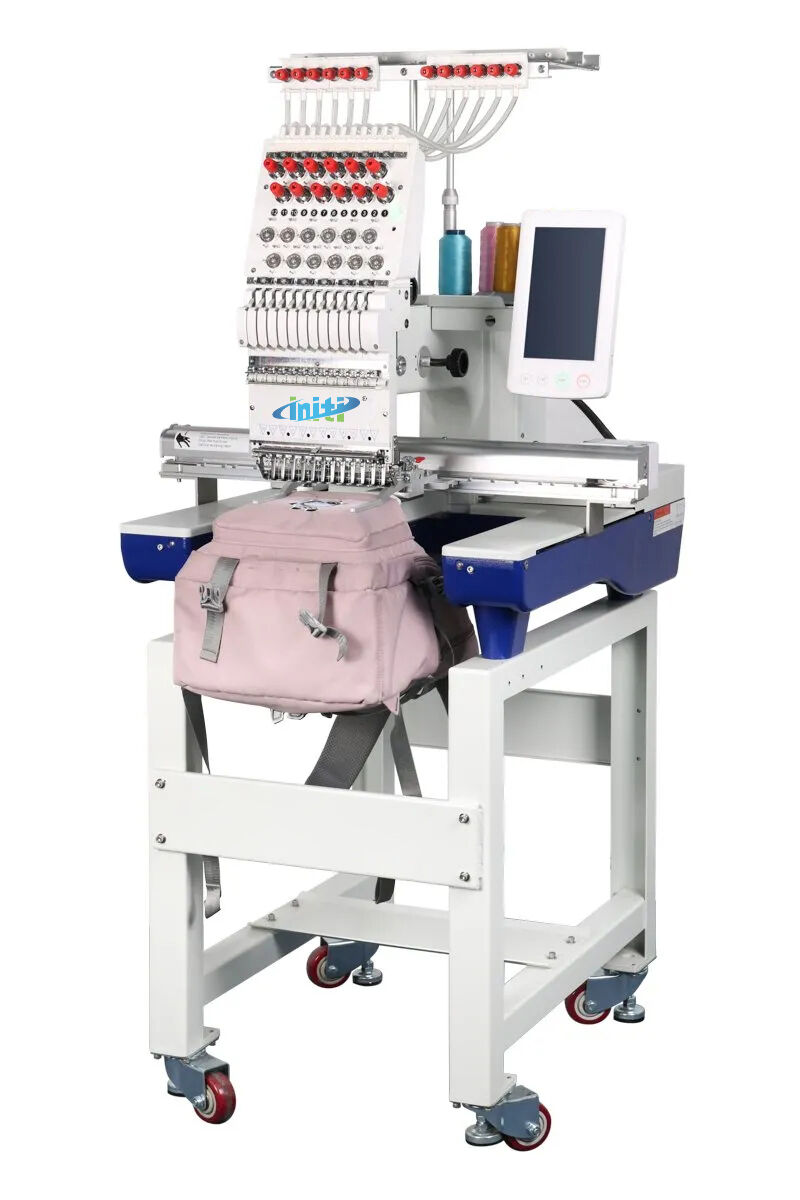
Selecting the right cap machine manufacturer represents a critical decision that can significantly impact your embroidery business operations, production efficiency, and long-term profitability. The embroidery industry has witnessed tremendous growth in recent years, with cap customization becoming increasingly popular across various sectors including sports, corporate branding, and fashion. Understanding the key factors that distinguish a reliable cap machine manufacturer from the competition will help you make an informed investment decision that supports your business goals. Whether you are establishing a new embroidery operation or upgrading existing equipment, the choice of manufacturer will influence machine performance, maintenance costs, technical support availability, and overall return on investment.
Industry Experience and Manufacturing Heritage
Years of Specialization in Embroidery Equipment
A reputable cap machine manufacturer should demonstrate extensive experience specifically in embroidery equipment development and production. Companies with decades of specialization understand the unique challenges associated with cap embroidery, including fabric tension management, thread breakage prevention, and consistent stitch quality across various cap styles. Established manufacturers have refined their engineering processes through years of customer feedback and continuous improvement initiatives. This experience translates into superior machine design, enhanced reliability, and proven performance in demanding commercial environments. When evaluating potential suppliers, investigate their manufacturing history, milestone achievements, and evolution of their product lines to assess their commitment to the embroidery industry.
The depth of manufacturing heritage often correlates with innovation capabilities and technical expertise. Experienced manufacturers typically invest significantly in research and development, enabling them to introduce cutting-edge features that improve productivity and stitch quality. They also maintain comprehensive understanding of market trends, customer requirements, and emerging technologies that influence embroidery equipment design. Furthermore, established companies usually possess robust supply chains, ensuring consistent component quality and availability of replacement parts throughout the machine lifecycle.
Track Record of Customer Success Stories
Evaluating a cap machine manufacturer requires examining their customer success stories and testimonials from businesses similar to yours. Reputable manufacturers willingly share case studies demonstrating how their equipment has helped customers achieve specific business objectives, whether increasing production capacity, improving product quality, or expanding service offerings. These success stories provide valuable insights into machine performance under real-world conditions and highlight the manufacturer's commitment to customer satisfaction. Request references from current customers and, if possible, arrange site visits to observe machines in operation firsthand.
Customer retention rates and long-term relationships serve as strong indicators of manufacturer reliability and product satisfaction. Companies that maintain partnerships with customers for multiple machine purchases demonstrate consistent value delivery and trustworthy business practices. Additionally, manufacturers with diverse customer portfolios spanning various industries and geographic regions typically possess broader expertise and proven adaptability to different market requirements and operational environments.
Technical Specifications and Machine Capabilities
Embroidery Speed and Production Efficiency
Modern cap embroidery operations demand high-speed machines capable of maintaining consistent stitch quality while maximizing production throughput. A quality cap machine manufacturer designs equipment with optimized embroidery speeds that balance productivity requirements with precision stitching capabilities. Advanced machines typically feature variable speed controls, allowing operators to adjust embroidery rates based on design complexity, thread types, and fabric characteristics. When comparing manufacturers, evaluate maximum embroidery speeds, acceleration capabilities, and the machine's ability to maintain quality at different operating speeds.
Production efficiency extends beyond raw embroidery speed to include factors such as automatic thread trimming, color change mechanisms, and design positioning accuracy. Leading manufacturers integrate sophisticated automation features that minimize manual intervention, reduce operator fatigue, and ensure consistent results across large production runs. Consider how different manufacturers approach efficiency optimization and evaluate which features align best with your specific production requirements and workflow preferences.
Multi-Head Configuration Options
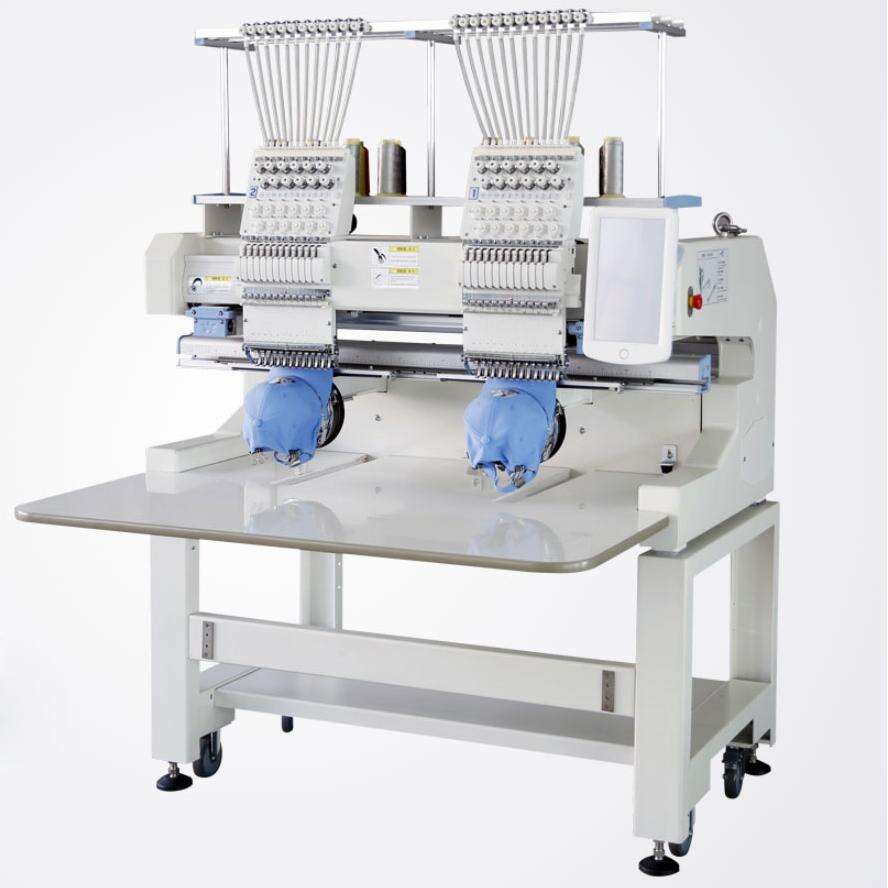
The number of embroidery heads significantly impacts production capacity and operational flexibility. A versatile cap machine manufacturer offers various head configurations to accommodate different business scales and production volumes. Single-head machines suit smaller operations or specialized applications, while multi-head configurations enable simultaneous embroidery of multiple caps, dramatically increasing hourly output. Some manufacturers provide modular designs allowing future expansion by adding additional heads as business grows.
Beyond head quantity, evaluate the spacing between heads, accessibility for loading and unloading caps, and the manufacturer's approach to synchronizing multiple heads for consistent results. Quality manufacturers ensure each head maintains identical tension settings, timing precision, and stitch quality regardless of the total number of heads in operation. This consistency becomes increasingly important as head counts increase and production volumes scale upward.
Software Integration and Design Capabilities
Digitizing Software Compatibility
Modern embroidery operations rely heavily on sophisticated digitizing software to create, edit, and optimize embroidery designs. A forward-thinking cap machine manufacturer ensures their equipment integrates seamlessly with popular industry-standard software platforms, enabling efficient design transfer and machine communication. Compatibility with multiple file formats provides operational flexibility and eliminates potential conversion issues that could impact production schedules. Evaluate which software packages each manufacturer supports and consider how this aligns with your existing design workflow or planned software investments.
Some manufacturers develop proprietary software solutions designed specifically for their machines, offering enhanced functionality and optimized performance. These specialized programs often include features such as automatic thread color matching, stitch optimization algorithms, and machine-specific parameter adjustments that can improve embroidery quality and reduce production time. While proprietary software may require additional training, it often provides superior integration and access to advanced features not available in generic alternatives.
Design Storage and Management Systems
Efficient design management becomes crucial as embroidery operations expand and design libraries grow. Professional-grade machines from established cap machine manufacturer typically include substantial onboard memory for storing frequently used designs, reducing setup time and improving production flow. Advanced systems may offer network connectivity, enabling remote design transfer and centralized design library management across multiple machines. Consider the storage capacity, file organization capabilities, and backup options provided by different manufacturers.
Cloud-based design management represents an emerging trend that some manufacturers are beginning to integrate into their equipment offerings. This technology enables secure design storage, version control, and collaborative design development across multiple locations. While not yet universal, manufacturers investing in cloud integration demonstrate forward-thinking approaches to technology adoption and customer convenience.
Build Quality and Component Reliability
Frame Construction and Mechanical Stability
The foundation of any reliable embroidery machine lies in its frame construction and mechanical stability. Superior cap machine manufacturer utilize heavy-duty steel or aluminum construction designed to minimize vibration and maintain precise positioning throughout extended operation periods. Robust frame design becomes particularly important for high-speed embroidery operations where mechanical stability directly impacts stitch quality and machine longevity. Examine the frame materials, welding quality, and overall construction methods employed by different manufacturers.
Machine stability affects not only embroidery quality but also operator comfort and workplace safety. Well-designed machines incorporate vibration dampening systems, noise reduction features, and ergonomic considerations that create more pleasant working environments. Additionally, stable construction reduces wear on mechanical components, extending machine lifespan and reducing maintenance requirements over time.
Motor Systems and Drive Mechanisms
The motor systems and drive mechanisms represent critical components that determine machine performance, reliability, and energy efficiency. Leading manufacturers typically employ servo motors that provide precise speed control, rapid acceleration and deceleration, and consistent torque across varying load conditions. High-quality drive systems ensure smooth operation, accurate positioning, and minimal mechanical wear during extended production runs. When comparing options from different cap machine manufacturer, investigate motor specifications, drive system design, and energy consumption characteristics.
Advanced motor control systems often include features such as automatic tension adjustment, thread break detection, and adaptive speed optimization based on design complexity. These intelligent systems reduce operator intervention requirements while maintaining consistent embroidery quality across diverse design types and thread materials. Consider how different manufacturers implement motor control technology and evaluate which features provide the greatest value for your specific applications.
Technical Support and Service Infrastructure
Training Programs and Operator Education
Comprehensive training programs distinguish exceptional manufacturers from those providing only basic equipment delivery. Professional cap machine manufacturer understand that operator proficiency directly impacts machine productivity, embroidery quality, and equipment longevity. Quality training programs should cover machine operation, maintenance procedures, troubleshooting techniques, and software utilization. Evaluate the depth and duration of training offerings, availability of ongoing education opportunities, and accessibility of training resources.
Some manufacturers provide multiple training formats including on-site instruction, factory-based intensive courses, and online learning platforms. This flexibility accommodates different learning preferences and business scheduling constraints. Additionally, manufacturers offering train-the-trainer programs enable customers to develop internal expertise, reducing dependence on external support while building organizational knowledge and capabilities.
Maintenance Support and Parts Availability
Reliable maintenance support and readily available replacement parts are essential for minimizing machine downtime and maintaining consistent production schedules. Established manufacturers maintain comprehensive parts inventories and efficient distribution networks ensuring rapid parts delivery when needed. Evaluate parts pricing, availability guarantees, and typical delivery timeframes when comparing different suppliers. Additionally, consider the manufacturer's approach to obsolescence management and their commitment to long-term parts support for older machine models.
Preventive maintenance programs and predictive maintenance technologies represent advanced support offerings that some manufacturers provide to help customers optimize machine performance and prevent unexpected failures. These programs may include scheduled maintenance visits, remote monitoring capabilities, and performance analytics that identify potential issues before they impact production operations.
Warranty Coverage and Financial Considerations
Comprehensive Warranty Terms
Warranty coverage reflects the manufacturer's confidence in their product quality and commitment to customer satisfaction. Reputable cap machine manufacturer typically offer comprehensive warranty packages covering major components, labor costs, and sometimes even travel expenses for service calls during the warranty period. Examine warranty duration, coverage scope, and any exclusions or limitations that might impact your operations. Additionally, investigate whether extended warranty options are available and evaluate their cost-effectiveness based on your expected machine utilization patterns.
Beyond basic warranty coverage, some manufacturers provide performance guarantees or satisfaction commitments that demonstrate exceptional confidence in their equipment capabilities. These additional protections may include productivity guarantees, quality standards, or even buyback options if machines fail to meet specified performance criteria under normal operating conditions.
Financing Options and Total Cost of Ownership
The initial purchase price represents only one component of the total cost of ownership for embroidery equipment. Experienced manufacturers often provide financing options, leasing programs, or payment plans that make equipment acquisition more accessible for growing businesses. Evaluate available financing terms, interest rates, and payment structures offered by different cap machine manufacturer to determine which options best align with your cash flow requirements and business growth plans.
Total cost of ownership calculations should include factors such as energy consumption, maintenance costs, parts replacement expenses, and expected machine lifespan. Manufacturers providing detailed cost projections and lifecycle analysis demonstrate transparency and help customers make informed financial decisions. Additionally, consider potential resale values and trade-in programs that some manufacturers offer when upgrading to newer equipment models.
FAQ
What factors most significantly impact cap machine manufacturer selection
The most critical factors include manufacturing experience and reputation, technical specifications matching your production requirements, software compatibility with existing workflows, build quality and mechanical reliability, comprehensive technical support infrastructure, and total cost of ownership considerations. Additionally, evaluate warranty coverage, training programs, parts availability, and the manufacturer's commitment to ongoing product development and customer support.
How important is software compatibility when choosing embroidery equipment
Software compatibility is extremely important as it affects operational efficiency, design transfer capabilities, and integration with existing workflows. Ensure the cap machine manufacturer supports industry-standard file formats and popular digitizing software platforms. Some manufacturers offer proprietary software with enhanced features, but evaluate whether the benefits justify potential learning curves and software dependencies.
What should I expect from manufacturer training and support programs
Comprehensive training should cover machine operation, maintenance procedures, troubleshooting techniques, and software utilization. Quality manufacturers provide multiple training formats including on-site instruction and online resources. Ongoing support should include technical assistance, parts availability, maintenance programs, and access to software updates and product enhancements throughout the equipment lifecycle.
How do I evaluate the long-term reliability of different manufacturers
Assess manufacturer reliability by examining their industry experience, customer testimonials, reference installations, and track record of innovation. Request information about parts availability commitments, service network coverage, and historical performance data. Additionally, evaluate financial stability, research and development investments, and their approach to product lifecycle management and customer relationship maintenance.