

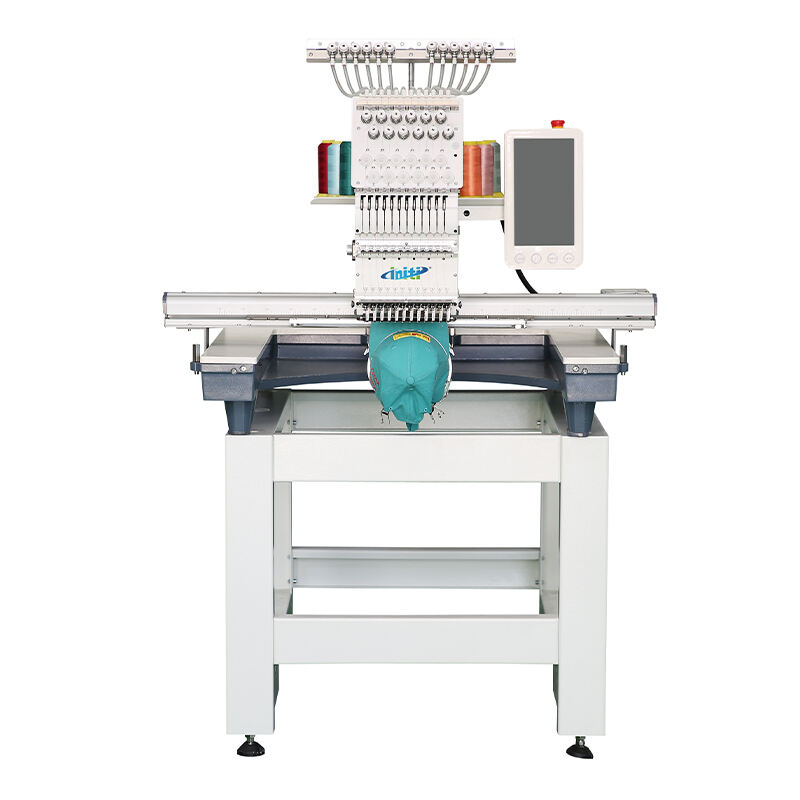
The modern textile and crafting industry demands equipment that balances affordability with versatility, particularly when it comes to embroidery operations. A customizable embroidery machine represents the perfect solution for businesses and hobbyists who need professional-quality results without compromising their budget or operational flexibility. These machines offer the unique advantage of being tailored to specific requirements while maintaining cost-effectiveness across various production scales.
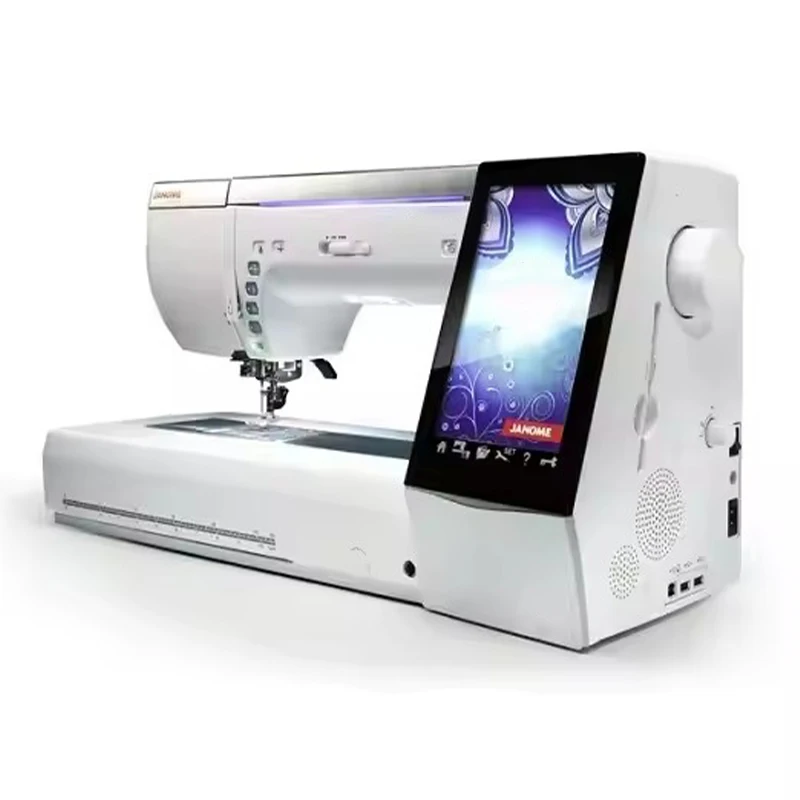
Understanding the landscape of budget-friendly yet flexible embroidery solutions requires examining how customization options can enhance productivity without inflating costs. Modern manufacturers have recognized the need for adaptable equipment that grows with business requirements, leading to innovative designs that prioritize both functionality and economic viability. The integration of digital technology with traditional embroidery techniques has created opportunities for unprecedented customization at accessible price points.
Market research indicates that small to medium-sized businesses increasingly prioritize equipment investments that offer long-term adaptability over single-purpose machinery. This shift has driven manufacturers to develop modular systems and software-based customization options that allow users to modify machine capabilities as their needs evolve. The result is a new generation of embroidery equipment that challenges traditional assumptions about the relationship between cost and functionality.
Core Features of Budget-Conscious Customizable Systems
Modular Hardware Architecture
The foundation of any effective customizable embroidery machine lies in its modular hardware design, which allows users to add, remove, or upgrade components based on specific project requirements. This architecture typically includes interchangeable needle assemblies, adjustable hoop systems, and expandable thread management solutions that can be modified without replacing the entire machine. Such flexibility ensures that initial investments remain valuable as operational needs change over time.
Modern modular designs incorporate standardized connection systems that facilitate easy component swapping, reducing downtime and maintenance costs. These systems often feature tool-free adjustment mechanisms that enable operators to reconfigure machines quickly for different fabric types, thread weights, or design complexities. The modularity extends to software interfaces as well, allowing users to install additional design libraries, digitizing tools, and automation features as budgets permit.
Hardware modularity also supports incremental capability expansion, enabling businesses to start with basic configurations and gradually add advanced features like multi-color threading, automatic trimming systems, or specialized presser feet. This approach distributes capital expenditure over time while ensuring that each addition provides immediate operational benefits. The result is a customizable embroidery machine that evolves alongside business growth trajectories.
Software Customization Capabilities
Software-driven customization represents perhaps the most cost-effective method of enhancing machine capabilities, as it leverages digital technology to expand functionality without requiring additional hardware investments. Modern embroidery machines include comprehensive software suites that allow users to modify stitch patterns, adjust tension settings, and create custom design libraries tailored to specific applications. These software tools often feature intuitive interfaces that make advanced customization accessible to operators with varying technical backgrounds.
Advanced software packages include parametric design tools that enable users to create scalable embroidery patterns that automatically adjust to different fabric types and thicknesses. Machine learning algorithms can analyze fabric behavior and automatically optimize stitch sequences for improved quality and reduced thread breakage. Some systems even offer cloud-based design sharing capabilities that allow multiple operators to access and modify patterns collaboratively.
The integration of artificial intelligence in software customization has opened new possibilities for automated quality control and pattern optimization. Smart algorithms can detect potential issues before they affect production quality, automatically adjusting machine parameters to maintain consistent results across different materials and environmental conditions. This level of intelligent customization significantly reduces the skill requirements for achieving professional-quality embroidery results.
Economic Advantages of Customizable Solutions
Initial Investment Optimization
Choosing a customizable embroidery machine strategy allows businesses to optimize their initial capital investment by purchasing only the features they immediately need while maintaining the option to expand capabilities later. This approach contrasts sharply with traditional fixed-configuration machines that may include expensive features that remain unused for extended periods. The ability to start with a basic configuration and add components as revenue grows creates a more sustainable financial model for emerging businesses.
Financial flexibility extends beyond initial purchase decisions to include ongoing operational costs, as modular systems typically require less inventory of spare parts and consumables. Standardized components across different machine configurations mean that businesses can maintain smaller parts inventories while still supporting multiple machine types. This standardization also simplifies maintenance procedures and reduces the training requirements for technical staff.
The resale value of customizable systems tends to remain higher than fixed-configuration alternatives, as buyers can modify purchased equipment to meet their specific requirements rather than searching for machines with predetermined feature sets. This retained value provides additional financial security and supports equipment upgrade cycles that might otherwise be prohibitively expensive for smaller operations.
Operational Cost Efficiency
Long-term operational costs benefit significantly from the flexibility inherent in customizable embroidery machine designs, particularly in areas such as energy consumption, maintenance requirements, and operator training. Modular systems allow users to activate only the components needed for specific projects, reducing unnecessary power consumption and extending component lifecycles. This selective activation capability becomes increasingly important as energy costs continue to rise across industrial applications.
Maintenance efficiency improves through standardized component interfaces and diagnostic systems that can identify potential issues across multiple machine configurations. Predictive maintenance algorithms can analyze usage patterns and component wear rates to optimize service schedules, reducing both planned and unplanned downtime. The ability to replace individual modules rather than entire assemblies significantly reduces repair costs and inventory requirements.
Training costs decrease as operators become familiar with standardized interfaces and procedures that apply across different machine configurations. This consistency reduces the learning curve associated with equipment upgrades and enables more efficient cross-training programs. The result is a more flexible workforce capable of adapting to changing production requirements without extensive retraining investments.
Technical Implementation Strategies
Integration Planning and Assessment
Successful implementation of a customizable embroidery machine requires careful assessment of current operational requirements and future growth projections to ensure that selected configurations provide optimal value. This assessment should include detailed analysis of production volumes, design complexity requirements, fabric types, and quality standards to identify the essential features for initial implementation. Understanding these parameters helps prevent over-investment in unnecessary capabilities while ensuring that critical functionality is available from the start.
Integration planning must also consider existing workflow processes and identify opportunities for improvement through customization options. This analysis often reveals bottlenecks or inefficiencies that can be addressed through strategic feature selection or workflow modifications. The goal is to create a configuration that not only meets current needs but also supports process optimization and productivity improvements.
Technical compatibility assessment ensures that new equipment integrates smoothly with existing systems, including design software, inventory management systems, and quality control procedures. This compatibility analysis should extend to file formats, communication protocols, and data exchange requirements to prevent integration issues that could disrupt operations or require additional software investments.
Scalability and Upgrade Pathways
Developing clear upgrade pathways ensures that customizable embroidery machine investments remain viable as business requirements evolve, providing a roadmap for capability expansion that aligns with revenue growth and market opportunities. These pathways should identify logical upgrade sequences that maximize the value of each addition while maintaining operational continuity. Understanding the relationships between different customization options helps prioritize investments and avoid incompatible combinations.
Scalability planning includes consideration of physical space requirements, power consumption increases, and operator skill development needs associated with different upgrade options. Some customization features may require facility modifications or additional support equipment, making advance planning essential for smooth implementation. The timing of upgrades should align with business cycles and cash flow projections to minimize financial strain while maximizing competitive advantages.
Future-proofing strategies involve selecting base configurations and upgrade pathways that remain relevant as technology evolves and market demands change. This forward-thinking approach considers emerging trends in embroidery design, automation capabilities, and connectivity requirements to ensure that investments maintain their value over extended periods. The goal is to create an upgrade strategy that supports long-term competitiveness while managing financial risks.
Industry Applications and Use Cases
Small Business and Startup Operations
Small businesses and startup operations particularly benefit from customizable embroidery machine solutions, as these configurations provide professional capabilities without the capital requirements associated with industrial-grade fixed systems. The ability to start with basic functionality and expand as revenue grows creates opportunities for businesses that might otherwise be excluded from the embroidery market due to financial constraints. This accessibility has democratized access to professional embroidery capabilities across various industries.
Startup operations often face uncertain demand patterns and evolving customer requirements, making flexibility more valuable than raw capacity. A customizable embroidery machine allows these businesses to adapt quickly to market feedback and customer requests without major equipment changes. This adaptability can provide significant competitive advantages in markets where responsiveness and customization are key differentiators.
The learning curve associated with embroidery operations becomes more manageable when businesses can start with simplified configurations and gradually add complexity as operator skills develop. This progressive approach reduces the risk of overwhelming new operators while ensuring that advanced capabilities are available when needed. The result is more efficient skill development and reduced training costs.
Educational and Training Environments
Educational institutions benefit significantly from customizable embroidery machine implementations, as these systems can be configured to support different skill levels and curriculum requirements within the same facility. Basic configurations serve introductory courses, while advanced modules support specialized training programs and research projects. This flexibility maximizes the educational value of equipment investments while providing students with exposure to current industry technologies.
Training environments require equipment that can demonstrate various techniques and technologies without requiring multiple specialized machines. Customizable systems allow instructors to modify configurations to illustrate different concepts and provide hands-on experience with various embroidery approaches. This versatility enhances the educational experience while preparing students for diverse industry applications.
Budget constraints in educational settings make the economic efficiency of customizable embroidery machine solutions particularly attractive, as institutions can provide comprehensive training capabilities without exhausting equipment budgets. The ability to upgrade systems as funding becomes available ensures that educational programs can maintain current relevance while managing financial resources effectively.
Quality Control and Performance Optimization
Precision and Consistency Standards
Maintaining consistent quality output across different customization configurations requires careful attention to calibration procedures and performance monitoring systems. Modern customizable embroidery machine designs include automated calibration routines that adjust machine parameters based on selected configurations and environmental conditions. These systems ensure that quality standards remain consistent regardless of which modules or features are active for specific projects.
Quality control systems integrated into customizable platforms can adapt their monitoring parameters based on current machine configurations and project requirements. This adaptive approach ensures that quality assessments remain relevant and accurate across different operational modes. Advanced systems can even learn from previous production runs to optimize quality control parameters automatically.
Standardization of quality metrics across different configurations enables more effective performance comparison and optimization. This consistency allows operators to identify the most efficient configurations for specific applications and develop best practices that can be applied across different machine setups. The result is improved overall quality and reduced variation in production outputs.
Maintenance and Reliability Considerations
Maintenance strategies for customizable embroidery machine systems must account for the varying wear patterns and service requirements associated with different configuration options. Modular designs typically simplify maintenance by allowing component-level servicing without affecting other system elements. This approach reduces maintenance time and costs while improving overall system reliability.
Predictive maintenance capabilities become more sophisticated in customizable systems, as monitoring algorithms can account for actual usage patterns of individual modules rather than assuming uniform wear across all components. This precision enables more accurate service scheduling and reduces the likelihood of unexpected failures. The result is improved uptime and lower total maintenance costs.
Reliability optimization involves selecting component combinations and usage patterns that minimize stress on critical system elements while maximizing productive capacity. Understanding the interactions between different modules helps operators develop usage strategies that extend equipment lifecycles and maintain consistent performance over time. This knowledge becomes particularly valuable as systems accumulate operating hours and approach major service intervals.
FAQ
What are the primary cost benefits of choosing a customizable embroidery machine over fixed-configuration alternatives
The primary cost benefits include lower initial investment requirements, as you only purchase immediately needed features, improved long-term value through upgrade flexibility, reduced inventory costs for spare parts due to standardized components, and higher resale values due to adaptability. Additionally, operational costs tend to be lower due to energy efficiency features and reduced maintenance complexity associated with modular designs.
How difficult is it to upgrade or modify a customizable embroidery machine after the initial purchase
Modern customizable embroidery machine systems are designed for easy modification through standardized connection interfaces and tool-free adjustment mechanisms. Most hardware upgrades can be completed in minutes without special tools or extensive technical knowledge. Software upgrades are typically even simpler, often requiring only download and installation procedures similar to computer software updates. Comprehensive documentation and support resources ensure that modifications can be completed successfully.
Can customizable embroidery machines maintain the same quality standards as specialized fixed-configuration machines
Yes, customizable embroidery machine systems can maintain equivalent or superior quality standards compared to fixed-configuration alternatives. Modern designs include automated calibration systems that optimize performance for each configuration, ensuring consistent results. Advanced quality control algorithms adapt monitoring parameters based on active modules and project requirements, often providing better quality assurance than traditional fixed systems.
What factors should be considered when selecting the initial configuration for a customizable embroidery machine
Key factors include current production volume requirements, typical design complexity, primary fabric types, available operator skill levels, budget constraints, and anticipated growth patterns. It is also important to consider integration requirements with existing systems, available workspace, and power supply capabilities. A thorough assessment of these factors helps ensure that the initial configuration provides optimal value while supporting future expansion needs.
Table of Contents
- Core Features of Budget-Conscious Customizable Systems
- Economic Advantages of Customizable Solutions
- Technical Implementation Strategies
- Industry Applications and Use Cases
- Quality Control and Performance Optimization
-
FAQ
- What are the primary cost benefits of choosing a customizable embroidery machine over fixed-configuration alternatives
- How difficult is it to upgrade or modify a customizable embroidery machine after the initial purchase
- Can customizable embroidery machines maintain the same quality standards as specialized fixed-configuration machines
- What factors should be considered when selecting the initial configuration for a customizable embroidery machine