

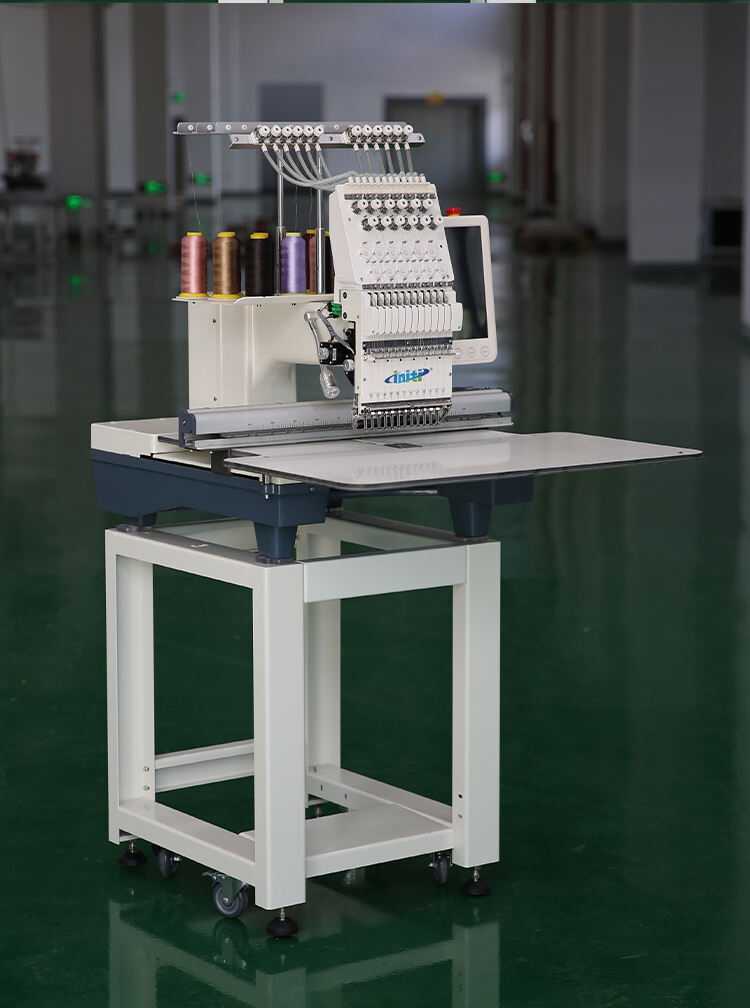
Selecting the right cap embroidery machine represents a critical investment decision that can significantly impact your business's productivity, profitability, and market competitiveness. Modern embroidery operations require specialized equipment designed specifically for curved surfaces and three-dimensional cap construction. Understanding the technical specifications, operational capabilities, and long-term value proposition of different cap embroidery machine models helps business owners make informed purchasing decisions that align with their production requirements and growth objectives.
Essential Features and Specifications
Embroidery Area and Hoop Configuration
The embroidery area determines the maximum design size your cap embroidery machine can accommodate across different cap styles and construction types. Standard cap frames typically provide working areas ranging from 100mm x 60mm for smaller logos up to 130mm x 70mm for larger designs. Advanced cap embroidery machine models offer adjustable frame systems that accommodate various cap depths, from low-profile fitted caps to high-crown trucker styles. Frame positioning mechanisms should provide precise alignment capabilities to ensure consistent logo placement across production runs.
Multi-position cap frames enable simultaneous embroidery of multiple caps, dramatically increasing production throughput while maintaining consistent quality standards. Professional-grade cap embroidery machine systems feature pneumatic or servo-driven frame positioning that ensures repeatable accuracy across thousands of production cycles. Frame compatibility with different cap styles, including snapbacks, fitted caps, beanies, and visors, expands your market opportunities and customer base significantly.
Needle Configuration and Thread Management
Needle count directly influences design complexity, color variety, and production efficiency in cap embroidery machine operations. Six-needle configurations handle basic logo work effectively, while twelve or fifteen-needle systems accommodate complex multi-color designs without thread changes. Advanced cap embroidery machine models feature individual needle tension controls, allowing optimal thread tension adjustment for different thread types, weights, and embroidery techniques across various cap materials.
Thread break detection systems minimize production interruptions and material waste by immediately stopping embroidery operations when thread breaks occur. Automatic thread trimming functions reduce manual intervention requirements while maintaining clean, professional finish quality. Thread pathway engineering in modern cap embroidery machine designs minimizes friction and tension variations that can cause thread breaks or inconsistent stitch formation during high-speed production runs.
Production Capacity and Speed Considerations
Stitching Speed and Efficiency Metrics
Maximum stitching speed specifications provide baseline performance expectations, but actual production speeds depend on design complexity, thread changes, and cap material characteristics. High-performance cap embroidery machine systems typically operate between 800-1200 stitches per minute under optimal conditions. However, complex designs with frequent color changes, small text, or intricate details may require reduced speeds to maintain quality standards and prevent thread breaks or registration issues.
Production efficiency calculations must account for setup time, thread changes, cap loading, and quality inspection procedures beyond raw stitching speed. A cap embroidery machine with faster setup procedures and automated functions often delivers higher actual production rates than machines with superior maximum stitching speeds but longer preparation requirements. Operator skill level and experience significantly influence overall production efficiency regardless of machine capabilities.
Multi-Head Configuration Benefits
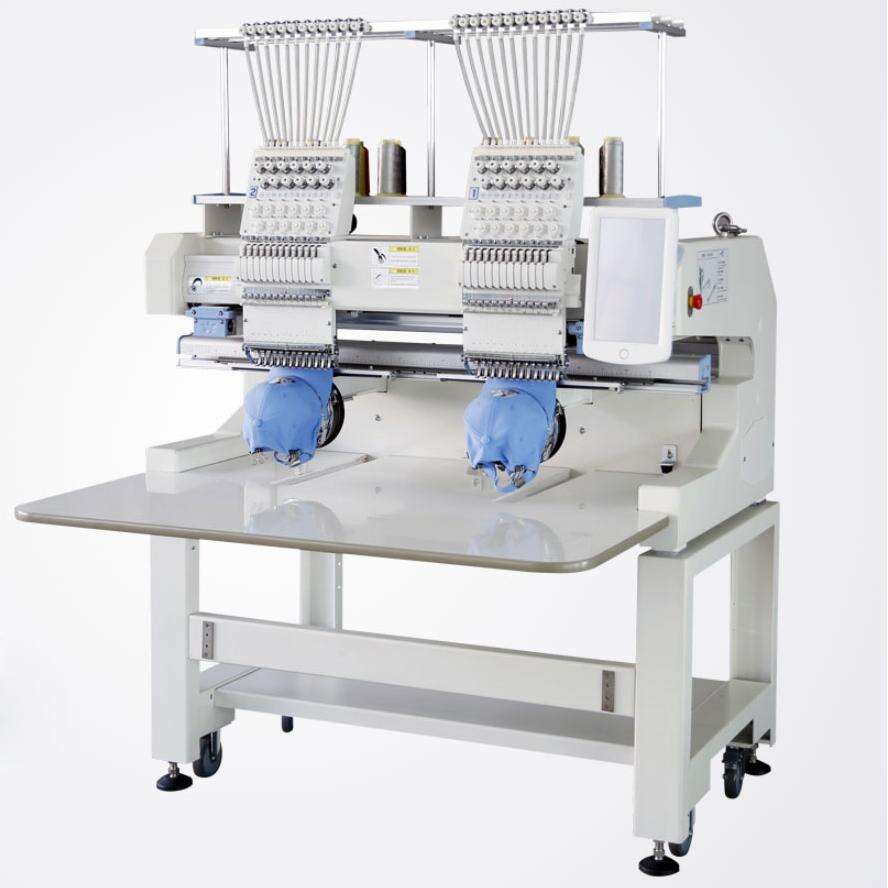
Multi-head cap embroidery machine configurations multiply production capacity by embroidering multiple caps simultaneously using identical designs and thread sequences. Two-head systems double production output while maintaining synchronized operation and consistent quality across both embroidery positions. Four-head and six-head configurations provide proportional capacity increases but require more sophisticated control systems and operator training to maximize efficiency benefits.
Independent head operation capabilities allow different designs or color sequences on each embroidery position, increasing production flexibility and order fulfillment options. Advanced multi-head cap embroidery machine systems feature network connectivity that enables remote monitoring, production tracking, and maintenance scheduling across multiple machines. Scalable configurations allow businesses to add additional heads as production demands increase without replacing entire machine systems.
Material Compatibility and Versatility
Cap Construction and Fabric Types
Different cap constructions require specific embroidery techniques and machine capabilities to achieve professional results without damaging materials or compromising structural integrity. Structured caps with buckram or plastic inserts provide stable embroidery surfaces but require appropriate needle penetration force and backing material selection. Unstructured caps made from cotton, polyester, or blended fabrics need careful tension control to prevent puckering or distortion during embroidery processes.
Mesh caps, trucker styles, and performance fabrics present unique challenges that advanced cap embroidery machine systems address through specialized hooping techniques and stitch compensation algorithms. Leather, suede, and synthetic leather materials require specific needle types, thread selections, and reduced embroidery speeds to prevent material damage while achieving clean, professional results. Machine versatility in handling diverse cap materials expands market opportunities and customer service capabilities significantly.
Thread and Backing Material Options
Thread compatibility encompasses various fiber types, weights, and specialty threads that expand creative possibilities and application options for cap embroidery machine operations. Polyester threads provide excellent colorfastness and durability for outdoor applications, while rayon threads offer superior sheen and color vibrancy for premium appearance requirements. Metallic threads, glow-in-the-dark options, and specialized performance threads require specific tension settings and embroidery techniques that professional-grade machines accommodate effectively.
Backing material selection significantly influences embroidery quality, durability, and appearance across different cap constructions and thread types. Tear-away backings work well for stable cap materials, while cut-away backings provide superior support for stretchy or lightweight fabrics. Water-soluble backings enable clean finishing on mesh materials or delicate fabrics where traditional backing removal might damage the cap structure or embroidered design integrity.
Software Integration and Design Capabilities
Embroidery Software Compatibility
Software compatibility determines design creation flexibility, file format support, and workflow integration capabilities for cap embroidery machine operations. Professional embroidery software packages offer specialized cap digitizing tools that account for curved surface distortion and three-dimensional design placement requirements. Advanced software systems provide automatic stitch compensation, density adjustments, and underlay generation specifically optimized for cap embroidery applications and various fabric types.
File format support should encompass industry-standard formats including DST, PES, EXP, and native format compatibility with popular digitizing software packages. Cloud-based design libraries and networked design sharing capabilities streamline workflow processes and enable remote design access across multiple production locations. Software updates and technical support availability ensure long-term compatibility with evolving industry standards and emerging embroidery techniques.
Automated Functions and User Interface
User interface design significantly influences operator productivity, training requirements, and overall cap embroidery machine efficiency in production environments. Touchscreen controls with intuitive menu structures reduce learning curves and operational errors while providing real-time production monitoring and diagnostic information. Automated functions including thread trimming, jump stitch removal, and color change sequences minimize manual intervention and improve consistency across production runs.
Memory storage capabilities allow operators to store frequently used designs, machine settings, and production parameters for quick setup and consistent results. Network connectivity enables remote monitoring, production tracking, and maintenance scheduling while supporting integration with business management systems and inventory control software. Advanced cap embroidery machine systems feature predictive maintenance alerts and diagnostic capabilities that minimize downtime and extend equipment lifecycle.
Investment Analysis and Return Considerations
Initial Equipment Costs and Financing
Cap embroidery machine pricing varies significantly based on features, production capacity, and technological sophistication levels required for specific business applications. Entry-level single-head machines suitable for startup operations typically range from moderate investment levels, while high-capacity multi-head systems represent substantial capital expenditures justified by increased production volume and efficiency gains. Financing options including equipment leasing, manufacturer financing programs, and traditional business loans provide acquisition flexibility for different business situations and cash flow requirements.
Total cost analysis must include installation, training, software licensing, and initial supply inventory beyond base machine pricing. Warranty coverage, service agreement options, and parts availability significantly influence long-term ownership costs and operational reliability. Energy consumption, facility requirements, and insurance considerations contribute to comprehensive investment evaluation and operational budgeting processes for cap embroidery machine acquisitions.
Production Revenue and Profit Margins
Revenue generation potential depends on market pricing, production capacity, and operational efficiency achieved with specific cap embroidery machine configurations. Custom embroidery services typically command premium pricing compared to blank cap wholesale, with profit margins influenced by design complexity, order quantity, and local market competition. High-volume production capabilities enable competitive pricing on large orders while maintaining healthy profit margins through operational efficiency and reduced per-unit production costs.
Market diversification opportunities including corporate branding, sports team merchandise, promotional products, and fashion applications expand revenue streams and reduce business risk concentration. Seasonal demand fluctuations in cap embroidery markets require production flexibility and inventory management strategies that modern cap embroidery machine systems support through rapid setup changes and diverse material compatibility. Long-term profitability analysis should account for equipment depreciation, technology obsolescence, and market evolution factors affecting competitive positioning.
FAQ
What production volume justifies investing in a multi-head cap embroidery machine system
Multi-head cap embroidery machine investments become financially justified when daily production requirements exceed single-head capacity or when order fulfillment time constraints demand parallel processing capabilities. Generally, businesses processing over 100 caps daily benefit from two-head systems, while operations handling 300+ caps daily should consider four-head or larger configurations. The investment threshold varies based on local market pricing, labor costs, and customer delivery expectations in your specific market area.
How do I determine the appropriate embroidery area size for my cap embroidery machine needs
Embroidery area requirements depend on your typical design sizes, cap styles served, and market positioning strategy. Standard 100mm x 60mm areas handle most logo applications effectively, while 130mm x 70mm capabilities accommodate larger designs and specialty applications. Analyze your current and projected design requirements, considering customer requests and market trends in your service area. Larger embroidery areas provide future flexibility but may increase machine costs and space requirements significantly.
What maintenance requirements should I expect with professional cap embroidery machine equipment
Regular maintenance for cap embroidery machine systems includes daily cleaning, weekly lubrication, and periodic calibration procedures outlined in manufacturer specifications. Professional maintenance schedules typically require monthly technical inspections, quarterly precision adjustments, and annual comprehensive service procedures. Maintenance costs generally range from 2-4% of initial machine investment annually, varying based on usage intensity, environmental conditions, and preventive maintenance adherence. Proper maintenance significantly extends equipment life and maintains production quality standards.
Can cap embroidery machine systems handle other garment types beyond caps and hats
While cap embroidery machine systems are optimized for curved surfaces and three-dimensional applications, many models accommodate flat garment embroidery with appropriate frame changes and setup adjustments. However, dedicated flat embroidery machines typically provide superior results and efficiency for shirt, jacket, and flat garment applications. Consider your production mix and whether specialized cap embroidery machine capabilities justify potential limitations in flat garment processing efficiency and quality outcomes for comprehensive business planning purposes.
Table of Contents
- Essential Features and Specifications
- Production Capacity and Speed Considerations
- Material Compatibility and Versatility
- Software Integration and Design Capabilities
- Investment Analysis and Return Considerations
-
FAQ
- What production volume justifies investing in a multi-head cap embroidery machine system
- How do I determine the appropriate embroidery area size for my cap embroidery machine needs
- What maintenance requirements should I expect with professional cap embroidery machine equipment
- Can cap embroidery machine systems handle other garment types beyond caps and hats