

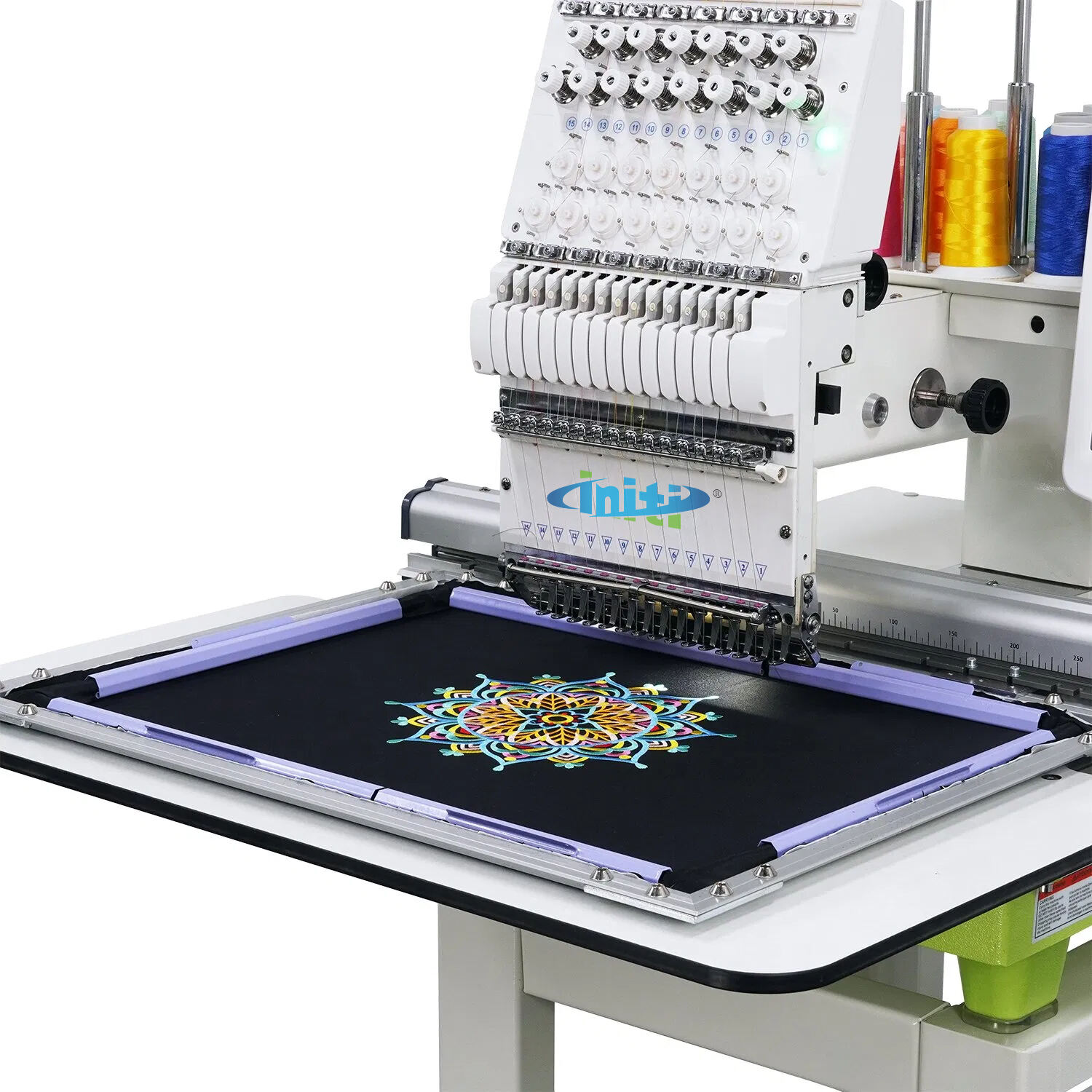
Investing in a cap embroidery machine represents a significant decision for businesses looking to expand their customization services or improve production efficiency. The right cap embroidery machine can transform your operation, delivering professional-quality results while maximizing profitability. However, selecting the wrong equipment can lead to costly mistakes, production delays, and customer dissatisfaction. Understanding the essential factors before making your purchase ensures you choose a cap embroidery machine that aligns perfectly with your business goals and technical requirements.
Production Capacity Assessment
Daily Output Requirements
Before selecting any cap embroidery machine, thoroughly evaluate your anticipated daily production volume. Small businesses typically require machines capable of producing 50-100 embroidered caps per day, while commercial operations may need equipment handling 500+ units daily. Consider both current demand and projected growth over the next 2-3 years. A cap embroidery machine with insufficient capacity will create bottlenecks, while oversized equipment leads to unnecessary expenses and underutilized resources.
Factor in peak seasons, rush orders, and special events that may temporarily increase production demands. Your chosen cap embroidery machine should handle these fluctuations without compromising quality or delivery schedules. Document historical order patterns and customer feedback to establish realistic capacity targets that support sustainable business growth.
Multi-Head Configuration Benefits
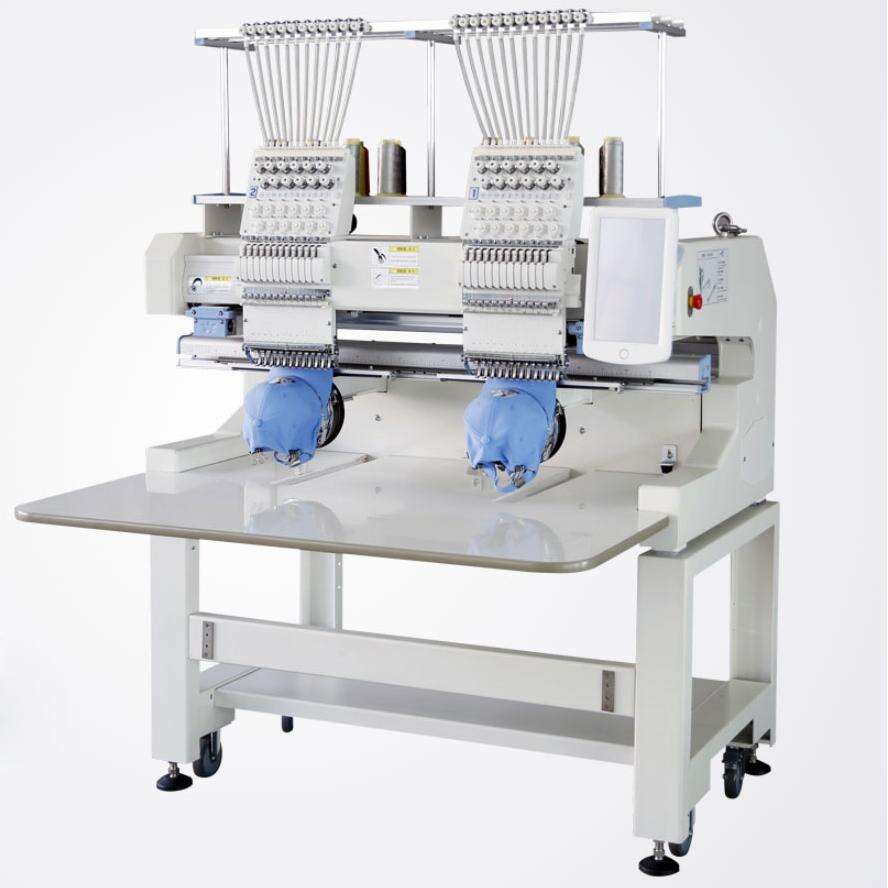
Multi-head cap embroidery machine configurations offer significant advantages for medium to large-scale operations. Two-head systems double production capacity while maintaining consistent quality across both stations. Four-head or six-head machines provide even greater throughput for high-volume commercial applications. Consider the space requirements, operator training needs, and maintenance complexity associated with multi-head cap embroidery machine setups.
Evaluate whether your current facility can accommodate a larger cap embroidery machine footprint and whether your staff possesses the technical skills to operate advanced multi-head systems. Factor in the initial investment cost against long-term production benefits and return on investment calculations.
Technical Specifications and Features
Embroidery Field Size and Positioning
The embroidery field size determines the maximum design dimensions your cap embroidery machine can accommodate. Standard cap hoops typically handle designs up to 100mm x 60mm, while larger specialty hoops extend to 130mm x 100mm or more. Consider your typical design requirements and customer preferences when evaluating field size options. A versatile cap embroidery machine should accommodate various cap styles, from fitted baseball caps to trucker hats and visors.
Precise positioning systems ensure accurate design placement on curved cap surfaces. Look for cap embroidery machine models featuring laser positioning guides, digital measurement displays, and adjustable height settings. These features minimize setup time, reduce material waste, and ensure consistent results across production runs.
Thread Management and Tension Control
Advanced thread management systems distinguish professional-grade cap embroidery machine models from basic equipment. Automatic thread trimming reduces manual intervention and speeds production cycles. Thread break detection sensors immediately halt operation when issues occur, preventing damaged caps and wasted materials. Consistent tension control across all needle positions ensures uniform stitch quality regardless of design complexity.
Evaluate the thread path design and tensioning mechanisms on your prospective cap embroidery machine. Smooth thread delivery prevents breaks, reduces maintenance requirements, and extends thread life. Consider machines offering individual needle tension adjustments for optimal performance with various thread types and weights.
Software Compatibility and Design Capabilities
Embroidery Software Integration
Modern cap embroidery machine operations depend heavily on compatible design software for creating, editing, and managing embroidery files. Ensure your chosen machine supports industry-standard file formats including DST, PES, and EMB. Compatibility with popular design software packages like Wilcom, Pulse, and Hatch expands your creative capabilities and simplifies workflow integration.
Consider whether the cap embroidery machine manufacturer provides proprietary software or recommends specific third-party solutions. Evaluate the learning curve associated with new software platforms and factor training time into your implementation timeline. Some cap embroidery machine models include built-in design libraries and editing capabilities that reduce dependency on external software.
Design Customization and Editing Tools
Flexible design customization capabilities enable your cap embroidery machine to handle diverse customer requirements efficiently. Look for machines offering on-board editing functions such as sizing, rotation, and color changes. These features allow quick modifications without returning to design software, streamlining production workflows and reducing setup times.
Evaluate the machine's memory capacity for storing frequently used designs and customer logos. Adequate storage eliminates repetitive file transfers and speeds order processing. Consider cloud connectivity options that enable remote design uploads and centralized file management across multiple cap embroidery machine locations.
Build Quality and Reliability Factors
Frame Construction and Stability
The frame construction directly impacts your cap embroidery machine's longevity, precision, and reliability. Heavy-duty steel or aluminum frames provide superior stability during high-speed operations, minimizing vibration and ensuring accurate stitch placement. Lightweight frames may reduce initial costs but can compromise precision and durability over time.
Examine the frame design for reinforcement points, welding quality, and overall engineering. A well-constructed cap embroidery machine frame should exhibit minimal flex during operation and maintain alignment tolerances even after years of intensive use. Consider the machine's weight distribution and whether additional floor reinforcement may be necessary for your installation location.
Component Quality and Sourcing
Premium components distinguish professional cap embroidery machine models from budget alternatives. Evaluate the origin and reputation of key components including servo motors, encoders, and control systems. Japanese and German components typically offer superior precision and longevity compared to generic alternatives, justifying higher initial investment through reduced maintenance costs and extended service life.
Research the manufacturer's component sourcing practices and quality control procedures. Established cap embroidery machine manufacturers maintain strict supplier standards and conduct thorough testing protocols. Request detailed specifications for critical components and verify warranty coverage for major systems.
Maintenance and Support Considerations
Routine Maintenance Requirements
Understanding maintenance requirements helps you budget for ongoing cap embroidery machine operation costs and plan for productive uptime. Daily maintenance typically includes thread path cleaning, tension adjustments, and lubrication of moving parts. Weekly tasks may involve deeper cleaning, calibration checks, and consumable replacement. Monthly maintenance often requires professional service visits for comprehensive inspections and adjustments.
Evaluate the accessibility of maintenance points on your prospective cap embroidery machine. Well-designed machines feature easily removable covers, clearly marked service points, and intuitive maintenance procedures. Consider the availability and cost of consumable parts including needles, bobbins, and lubricants when calculating total ownership costs.
Technical Support and Training
Comprehensive technical support ensures your cap embroidery machine investment delivers consistent returns throughout its service life. Evaluate the manufacturer's support infrastructure including phone support hours, response times, and technician availability. Local service representation often provides faster response times and lower service costs compared to distant corporate support centers.
Inquire about training programs for operators and maintenance personnel. Proper training maximizes your cap embroidery machine's capabilities while minimizing operator errors and equipment damage. Consider whether training costs are included in the purchase price or require separate budgeting.
Cost Analysis and Return on Investment
Initial Investment and Financing Options
Cap embroidery machine prices vary significantly based on features, capacity, and build quality. Entry-level single-head machines may start around $15,000, while advanced multi-head commercial systems can exceed $100,000. Factor in additional costs including software licenses, training, installation, and initial supplies when calculating total investment requirements.
Explore financing options offered by manufacturers or third-party lenders to spread the cap embroidery machine investment over manageable monthly payments. Leasing arrangements may provide tax advantages and preserve capital for other business needs. Compare interest rates, terms, and equipment upgrade provisions when evaluating financing alternatives.
Operating Cost Calculations
Beyond the initial purchase price, ongoing operating costs significantly impact your cap embroidery machine's profitability. Calculate thread consumption rates, needle replacement frequency, and maintenance expenses to establish accurate per-unit production costs. Factor in electricity consumption, facility overhead, and operator wages to develop comprehensive cost models.
Compare operating costs across different cap embroidery machine models to identify the most economical long-term choice. Higher-efficiency machines may justify premium pricing through reduced per-unit costs and improved productivity. Document all cost assumptions and regularly review actual expenses to refine your financial projections.
Space Requirements and Installation Planning
Physical Space and Environmental Needs
Proper space planning ensures your cap embroidery machine operates efficiently and safely within your facility. Measure the machine dimensions including any extended arms or attachment points, then add adequate clearance for operator access and material handling. Consider ceiling height requirements for thread storage systems and ventilation equipment.
Evaluate environmental conditions including temperature stability, humidity control, and dust protection. Most cap embroidery machine models perform best in controlled environments with consistent temperature and low humidity levels. Excessive dust, vibration, or temperature fluctuations can compromise precision and accelerate component wear.
Utility Requirements and Infrastructure
Verify that your facility's electrical system can support your chosen cap embroidery machine's power requirements. Three-phase power connections provide more efficient operation for larger machines, while single-phase connections may suffice for smaller units. Consider voltage requirements, amperage demands, and whether electrical upgrades are necessary.
Evaluate compressed air requirements for automatic functions and determine whether your existing air system provides adequate pressure and volume. Plan for network connectivity if your cap embroidery machine includes remote monitoring or file transfer capabilities. Factor utility upgrade costs into your total project budget.
FAQ
What production volume justifies investing in a commercial cap embroidery machine
A commercial cap embroidery machine typically becomes cost-effective when producing 200-300 embroidered caps monthly or more. This volume generates sufficient revenue to cover equipment payments, operating costs, and provide reasonable profit margins. Consider your current outsourcing costs, markup potential, and growth projections when evaluating the investment threshold for your specific situation.
How long does it take to learn cap embroidery machine operation
Basic cap embroidery machine operation can be learned within 1-2 weeks with proper training and practice. However, achieving proficiency in design setup, troubleshooting, and quality optimization typically requires 2-3 months of regular operation. Advanced techniques and maintenance procedures may take 6-12 months to master completely.
What warranty coverage should I expect from a quality cap embroidery machine
Reputable cap embroidery machine manufacturers typically offer 1-3 year warranties covering major components and workmanship defects. Premium machines may include longer warranties or extended coverage options. Ensure warranty terms clearly define covered components, response times, and whether on-site service is included for your location.
Can a single-head cap embroidery machine handle commercial production requirements
Single-head cap embroidery machine models can support commercial production for businesses with moderate volume requirements, typically up to 100-150 caps daily. While slower than multi-head configurations, single-head machines offer lower initial investment, reduced complexity, and easier operation for smaller teams. Consider your specific volume requirements and growth plans when choosing between single-head and multi-head configurations.
Table of Contents
- Production Capacity Assessment
- Technical Specifications and Features
- Software Compatibility and Design Capabilities
- Build Quality and Reliability Factors
- Maintenance and Support Considerations
- Cost Analysis and Return on Investment
- Space Requirements and Installation Planning
-
FAQ
- What production volume justifies investing in a commercial cap embroidery machine
- How long does it take to learn cap embroidery machine operation
- What warranty coverage should I expect from a quality cap embroidery machine
- Can a single-head cap embroidery machine handle commercial production requirements