

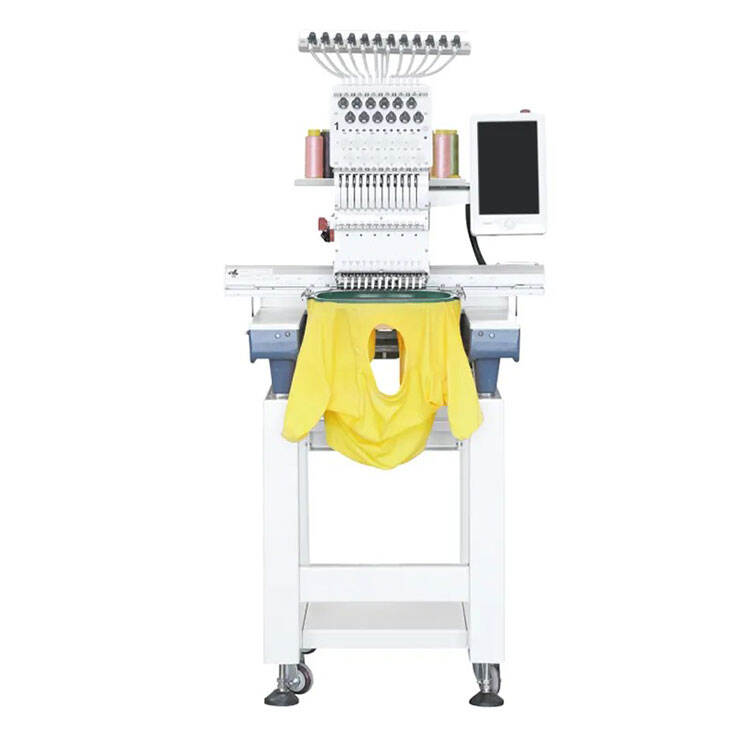
Manufacturing facilities dedicated to producing cap embroidery machines represent some of the most sophisticated industrial operations in the textile automation sector. These specialized factories combine precision engineering, advanced manufacturing techniques, and rigorous quality control processes to create equipment that serves embroidery businesses worldwide. Understanding the intricate production processes, technological innovations, and operational challenges within these manufacturing environments provides valuable insights into how modern cap embroidery machine production meets the evolving demands of commercial embroidery operations.
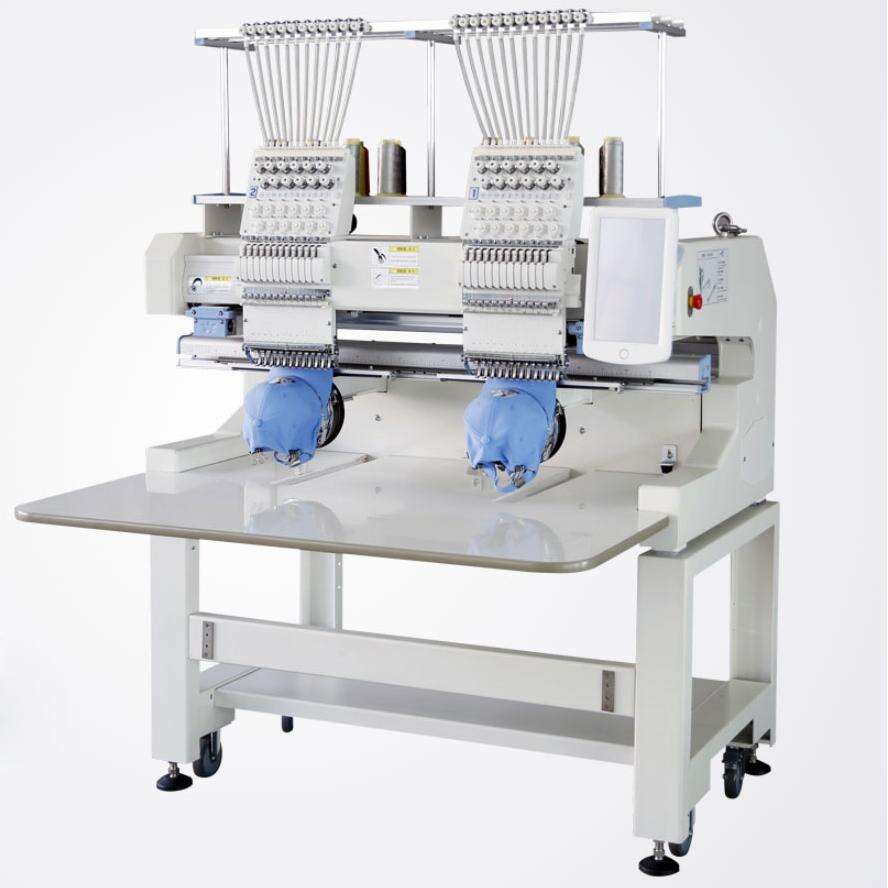
Manufacturing Infrastructure and Facility Design
Factory Layout and Production Flow
Modern cap embroidery machine manufacturing facilities are meticulously designed to optimize production efficiency and ensure consistent quality output. The factory floor typically follows a linear production flow, beginning with raw material receiving areas and progressing through various specialized manufacturing zones. Each zone is strategically positioned to minimize material handling time while maintaining strict quality control checkpoints. The layout incorporates designated areas for precision machining, electronic component integration, and final assembly operations.
Production planning within these facilities requires sophisticated coordination between multiple departments, including procurement, manufacturing, quality assurance, and logistics. The cap embroidery machine production process demands precise timing to ensure that mechanical components, electronic systems, and software elements converge seamlessly during final assembly. Manufacturing managers utilize advanced planning software to coordinate these complex operations while maintaining optimal inventory levels and minimizing production bottlenecks.
Clean Room Environments and Quality Standards
Critical assembly areas within cap embroidery machine factories maintain controlled environments to prevent contamination that could affect sensitive electronic components. These clean room environments feature filtered air systems, controlled humidity levels, and restricted access protocols. Workers in these areas follow strict protocols, including the use of anti-static equipment and specialized clothing to prevent electrostatic discharge that could damage delicate circuitry.
Quality management systems implemented throughout these facilities adhere to international standards such as ISO 9001 and industry-specific certifications. Documentation protocols track every component from initial receipt through final product testing, creating comprehensive traceability records. This systematic approach ensures that each cap embroidery machine meets stringent performance specifications and reliability standards expected by commercial embroidery operations.
Component Manufacturing and Assembly Processes
Precision Machining Operations
The heart of cap embroidery machine production lies in the precision machining of mechanical components that ensure accurate needle positioning and consistent stitch quality. Computer Numerical Control (CNC) machining centers operate continuously to produce critical components such as drive assemblies, needle bars, and frame structures. These machines achieve tolerances measured in thousandths of an inch, ensuring that finished cap embroidery machine units deliver the precision required for professional embroidery applications.
Material selection for these components involves careful consideration of factors including durability, dimensional stability, and compatibility with lubricants used in embroidery operations. High-grade aluminum alloys, precision-ground steel components, and engineered plastics undergo rigorous testing to verify their suitability for long-term operation under the demanding conditions typical of commercial embroidery environments. Quality control procedures include dimensional verification, surface finish inspection, and material certification documentation.
Electronic System Integration
Modern cap embroidery machines incorporate sophisticated electronic control systems that manage everything from thread tension to stitch sequencing. The manufacturing process for these systems begins with printed circuit board assembly in controlled environments using automated pick-and-place equipment. Each board undergoes comprehensive testing to verify proper component placement, soldering integrity, and electrical functionality before integration into the complete cap embroidery machine system.
Software installation and calibration represent critical steps in the production process, as these systems must interface seamlessly with mechanical components to achieve optimal embroidery results. Technicians utilize specialized test equipment to verify proper communication between control systems and mechanical assemblies. This integration testing ensures that each cap embroidery machine delivers consistent performance across its full range of operational parameters.
Quality Assurance and Testing Protocols
Pre-Assembly Component Verification
Before components enter the final assembly process, each undergoes comprehensive testing to verify compliance with design specifications. Mechanical components are subjected to dimensional inspection using coordinate measuring machines that verify critical dimensions to within micron tolerances. Surface finish measurements ensure that moving parts will operate smoothly throughout the expected service life of the cap embroidery machine. Load testing of critical components verifies their ability to withstand operational stresses encountered during high-speed embroidery operations.
Electronic components undergo functional testing that simulates actual operating conditions encountered in commercial embroidery environments. This includes temperature cycling, vibration testing, and electrical stress testing to identify potential reliability issues before final assembly. Component suppliers must provide certification documentation demonstrating compliance with specified performance parameters, and incoming inspection procedures verify these certifications through sample testing protocols.
Final Product Testing and Validation
Completed cap embroidery machines undergo extensive testing protocols that simulate real-world operating conditions. These tests include continuous operation cycles using various thread types, needle configurations, and embroidery patterns to verify consistent stitch quality and mechanical reliability. Performance testing evaluates factors such as maximum operating speed, thread break frequency, and positional accuracy across the full range of embroidery areas.
Calibration procedures ensure that each cap embroidery machine delivers consistent results regardless of the specific combination of components used in its assembly. Technicians utilize standardized test patterns and measurement procedures to verify that stitch placement accuracy meets specified tolerances. Documentation of these test results becomes part of the permanent record for each machine, providing traceability and supporting warranty programs offered to end users.
Supply Chain Management and Vendor Relations
Strategic Sourcing and Supplier Development
Successful cap embroidery machine manufacturing depends heavily on establishing reliable relationships with suppliers who can consistently deliver high-quality components. Supplier selection involves comprehensive evaluation of manufacturing capabilities, quality management systems, and financial stability. Long-term partnerships with key suppliers enable collaborative development of improved components and cost reduction initiatives that benefit both manufacturers and end users of cap embroidery machine equipment.
Supplier development programs focus on continuous improvement initiatives that enhance component quality while reducing costs. Regular audits of supplier facilities ensure compliance with quality standards and verify implementation of best manufacturing practices. Technical collaboration between cap embroidery machine manufacturers and suppliers often results in innovative solutions that improve product performance or reduce manufacturing complexity.
Inventory Management and Production Scheduling
Efficient inventory management systems balance the need to maintain adequate component stocks with the goal of minimizing carrying costs. Advanced planning software analyzes historical demand patterns, seasonal variations, and lead time requirements to optimize inventory levels for critical components. Just-in-time delivery arrangements with key suppliers reduce inventory carrying costs while ensuring component availability for scheduled production runs.
Production scheduling systems coordinate the complex interplay between component availability, manufacturing capacity, and customer delivery requirements. These systems must account for the varying lead times required for different cap embroidery machine models while maintaining efficient utilization of manufacturing resources. Advanced scheduling algorithms optimize production sequences to minimize setup times and maximize throughput while meeting customer delivery commitments.
Technology Integration and Innovation
Automation in Manufacturing Processes
Modern cap embroidery machine factories increasingly utilize automated manufacturing systems to improve consistency and reduce production costs. Robotic assembly systems handle repetitive tasks such as component installation and fastening operations with greater precision than manual methods. These systems incorporate vision systems and force feedback sensors to ensure proper component alignment and installation torque specifications.
Automated testing equipment performs comprehensive functional verification of completed cap embroidery machine units without requiring extensive manual intervention. These systems can operate continuously, providing consistent test conditions and eliminating variability associated with manual testing procedures. Data collection capabilities of automated systems provide valuable insights into manufacturing trends and help identify opportunities for process improvements.
Digital Manufacturing and Industry 4.0 Implementation
Implementation of Industry 4.0 concepts within cap embroidery machine manufacturing facilities enables real-time monitoring of production processes and predictive maintenance of manufacturing equipment. Internet of Things (IoT) sensors throughout the facility collect data on machine performance, environmental conditions, and product quality metrics. This data feeds into analytical systems that identify trends and predict potential issues before they impact production schedules.
Digital manufacturing systems enable rapid prototyping and testing of new cap embroidery machine designs using virtual simulation tools. These capabilities reduce development time and costs while improving the likelihood of successful product launches. Integration of customer feedback into design systems enables continuous improvement of cap embroidery machine features and capabilities based on real-world usage patterns and operator preferences.
Workforce Development and Training
Technical Skill Requirements
Manufacturing cap embroidery machines requires a skilled workforce capable of working with precision mechanical components, sophisticated electronic systems, and complex software applications. Training programs for production workers emphasize safety procedures, quality standards, and technical skills specific to embroidery machine manufacturing. Cross-training initiatives ensure that workers can perform multiple functions within the production process, providing flexibility to adapt to changing production requirements.
Engineering staff responsible for cap embroidery machine design and development require advanced technical education combined with practical experience in mechanical engineering, electronics, and software development. Continuing education programs keep technical staff current with evolving technologies and industry best practices. Collaboration with academic institutions provides access to emerging research and helps attract talented graduates to the embroidery machine manufacturing industry.
Safety and Compliance Training
Comprehensive safety training programs ensure that all factory personnel understand and follow proper procedures for working with manufacturing equipment, hazardous materials, and electrical systems. Regular safety audits identify potential hazards and verify compliance with occupational safety regulations. Emergency response procedures are regularly practiced to ensure effective response to potential incidents that could affect worker safety or production continuity.
Compliance training addresses regulatory requirements specific to cap embroidery machine manufacturing, including environmental regulations, export control requirements, and product safety standards. Documentation systems track training completion and ensure that all personnel maintain current certifications required for their job functions. Regular updates to training programs reflect changes in regulations and incorporate lessons learned from industry incidents.
Environmental Considerations and Sustainability
Waste Reduction and Recycling Programs
Environmental stewardship within cap embroidery machine manufacturing facilities focuses on reducing waste generation and implementing comprehensive recycling programs. Material waste from machining operations is collected and recycled through specialized metal recovery programs. Packaging materials are selected based on recyclability and environmental impact, with preference given to materials that can be reused or recycled by end users.
Energy efficiency initiatives reduce the environmental footprint of manufacturing operations while lowering operating costs. LED lighting systems, high-efficiency motors, and optimized HVAC systems contribute to reduced energy consumption throughout the facility. Energy monitoring systems track consumption patterns and identify opportunities for further efficiency improvements in cap embroidery machine production processes.
Sustainable Manufacturing Practices
Sustainable manufacturing practices in cap embroidery machine production encompass material selection, process optimization, and end-of-life considerations. Preference is given to suppliers who demonstrate environmental responsibility in their own operations. Design for recyclability principles ensure that cap embroidery machine components can be properly disposed of or recycled at the end of their useful life.
Water conservation programs minimize water usage in manufacturing processes and implement treatment systems for wastewater generated during production. Chemical management programs ensure proper handling, storage, and disposal of materials used in cap embroidery machine manufacturing while minimizing environmental impact. Regular environmental audits verify compliance with regulations and identify opportunities for further environmental improvements.
Market Trends and Future Developments
Emerging Technologies in Embroidery Manufacturing
The cap embroidery machine manufacturing industry continues to evolve in response to changing market demands and technological advances. Integration of artificial intelligence and machine learning capabilities enables predictive maintenance, automatic tension adjustment, and intelligent thread break detection. These technologies improve operational efficiency and reduce operator skill requirements while maintaining high-quality embroidery output.
Advanced materials and manufacturing techniques enable the production of lighter, more durable cap embroidery machine components. Carbon fiber composites, advanced ceramics, and precision-molded plastics offer improved performance characteristics while reducing overall machine weight. These material advances contribute to improved machine portability and reduced shipping costs for end users.
Customization and Flexible Manufacturing
Market demand for customized cap embroidery machine configurations drives the development of flexible manufacturing systems that can efficiently produce small batches of specialized equipment. Modular design approaches enable customers to specify particular feature combinations while maintaining manufacturing efficiency. This flexibility allows cap embroidery machine manufacturers to serve niche markets while maintaining cost-effective production methods.
Advanced manufacturing systems enable rapid reconfiguration of production lines to accommodate different cap embroidery machine models and options. Flexible tooling systems and programmable assembly stations reduce the time and cost associated with product changeovers. These capabilities enable manufacturers to respond quickly to changing market demands while maintaining efficient production operations.
FAQ
What quality control measures ensure cap embroidery machine reliability
Cap embroidery machine factories implement comprehensive quality control measures throughout the manufacturing process, including incoming component inspection, in-process quality checks, and final product testing. Each machine undergoes extensive functional testing using standardized test patterns to verify stitch quality, positional accuracy, and mechanical reliability. Documentation systems track quality metrics and provide traceability for all components used in production.
How do manufacturers ensure consistent performance across different machine models
Manufacturers maintain consistent performance across different cap embroidery machine models through standardized component specifications, common control systems, and unified calibration procedures. Shared design platforms and component families enable consistent performance characteristics while allowing for model-specific features. Comprehensive testing protocols verify that all models meet the same basic performance standards regardless of their specific configurations.
What factors influence cap embroidery machine production lead times
Production lead times for cap embroidery machines depend on factors including component availability, manufacturing capacity, customization requirements, and seasonal demand patterns. Standard models typically have shorter lead times due to component availability and established production processes. Custom configurations may require additional time for special components or unique assembly procedures. Efficient supply chain management and production planning help minimize lead times while maintaining quality standards.
How do manufacturers stay competitive in the global embroidery machine market
Cap embroidery machine manufacturers maintain competitiveness through continuous innovation, efficient manufacturing processes, and strong customer support programs. Investment in research and development enables the introduction of advanced features and improved performance characteristics. Lean manufacturing principles reduce production costs while maintaining quality standards. Comprehensive service and support programs help build long-term customer relationships and support repeat business opportunities.
Table of Contents
- Manufacturing Infrastructure and Facility Design
- Component Manufacturing and Assembly Processes
- Quality Assurance and Testing Protocols
- Supply Chain Management and Vendor Relations
- Technology Integration and Innovation
- Workforce Development and Training
- Environmental Considerations and Sustainability
- Market Trends and Future Developments
-
FAQ
- What quality control measures ensure cap embroidery machine reliability
- How do manufacturers ensure consistent performance across different machine models
- What factors influence cap embroidery machine production lead times
- How do manufacturers stay competitive in the global embroidery machine market