

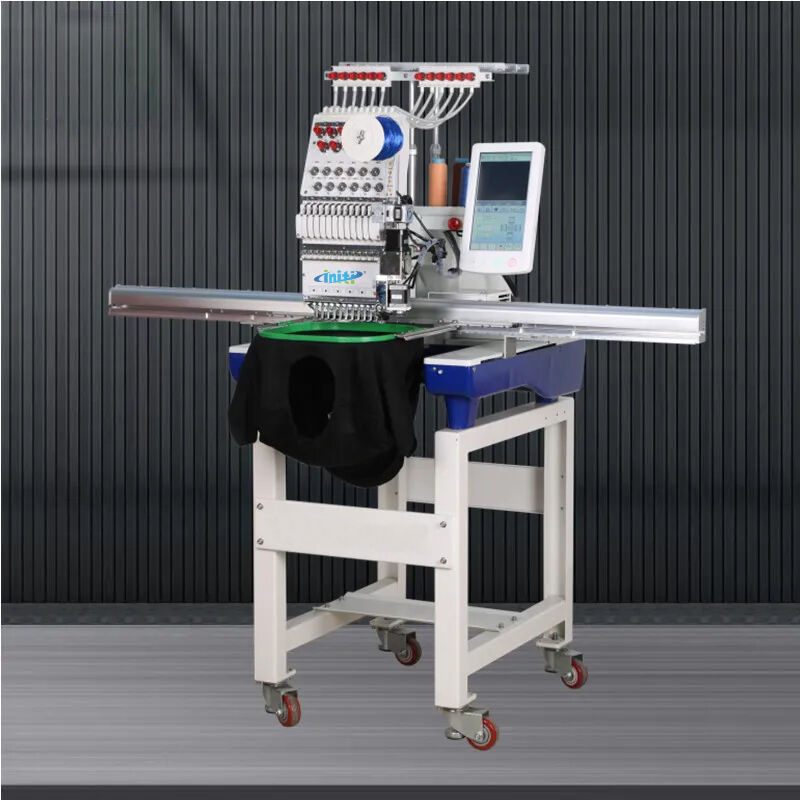
The modern textile industry demands precision, efficiency, and reliability when it comes to customizing apparel and accessories. Among the most specialized equipment in this sector is the hat embroidery machine, which has revolutionized how businesses approach headwear customization. These sophisticated devices combine advanced technology with mechanical precision to deliver exceptional results across various fabric types and cap styles. Understanding what defines a true quality hat embroidery machine becomes essential for businesses looking to invest in equipment that will serve their long-term production needs while maintaining consistent output standards.
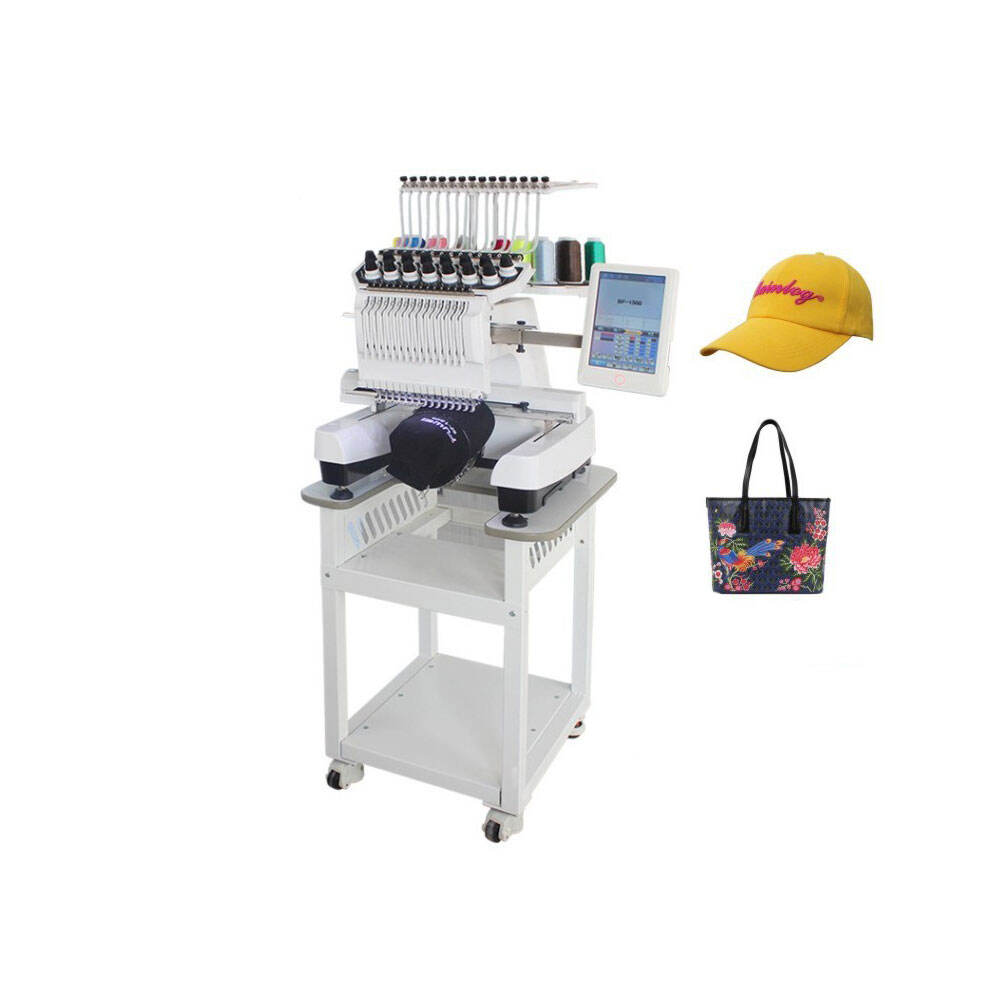
Core Components That Define Quality
Advanced Needle Control Systems
The foundation of any superior hat embroidery machine lies in its needle control system. Quality machines feature multiple needle configurations, typically ranging from 12 to 15 needles, allowing for complex multi-color designs without manual thread changes. The precision of these needle systems directly impacts stitch quality, thread tension consistency, and overall design accuracy. Modern machines incorporate servo motors that provide exceptional control over needle movement, ensuring each puncture creates the perfect stitch depth and angle. This level of control becomes particularly crucial when working with curved surfaces found on various cap styles, from fitted baseball caps to structured snapbacks.
Professional-grade needle control systems also include automatic thread trimming capabilities, which significantly reduce production time while maintaining clean finish quality. The synchronization between needle movement and thread delivery must operate flawlessly to prevent thread breaks, skipped stitches, or tension irregularities that could compromise the final product. Quality machines often feature individual needle monitoring systems that can detect and compensate for variations in thread tension or needle performance, ensuring consistent results throughout extended production runs.
Hoop and Clamping Mechanisms
The effectiveness of a hat embroidery machine heavily depends on its hoop and clamping system design. Quality machines feature specialized cap frames that accommodate various hat styles while maintaining proper fabric tension during the embroidery process. These frames must securely hold the cap without distorting its shape or causing permanent indentations that could affect the finished appearance. The clamping mechanism should distribute pressure evenly across the cap's surface, preventing fabric shifting that could result in misaligned designs or stitch inconsistencies.
Advanced machines incorporate adjustable clamping systems that can accommodate different cap heights, bill curves, and crown shapes without requiring extensive setup modifications between jobs. The frame construction typically utilizes lightweight yet durable materials that minimize vibration during high-speed operation while maintaining precise positioning throughout the embroidery cycle. This stability becomes essential when creating intricate designs that require exact placement and dimensional accuracy.
Technical Specifications and Performance Metrics
Speed and Efficiency Capabilities
Professional hat embroidery machines operate at speeds ranging from 800 to 1200 stitches per minute, balancing productivity with stitch quality. The optimal operating speed varies depending on fabric type, thread material, and design complexity, with quality machines featuring variable speed controls that allow operators to adjust performance parameters for specific applications. Higher-end models include automatic speed adjustment features that optimize performance based on stitch type and fabric characteristics, maximizing efficiency while preventing damage to delicate materials or complex designs.
The relationship between speed and quality remains critical in professional embroidery operations. A true quality hat embroidery machine maintains consistent stitch formation even at maximum operating speeds, preventing issues such as thread breaks, loose stitches, or fabric puckering that could require time-consuming rework. The machine's ability to maintain precision at varying speeds demonstrates the quality of its mechanical components and control systems.
Memory and Design Storage Systems
Modern hat embroidery machines incorporate sophisticated computer control systems with substantial memory capacity for storing embroidery designs and operational parameters. Quality machines typically feature internal memory capable of storing hundreds of designs in various formats, including industry-standard file types such as DST, PES, and EMB. The user interface should provide intuitive navigation through stored designs while offering preview capabilities that allow operators to verify pattern placement before beginning production.
Advanced machines include USB connectivity and network capabilities that enable seamless design transfer from computer-aided design software. The control system should also maintain detailed production records, including stitch counts, completion times, and any operational irregularities encountered during production. This data proves valuable for quality control purposes and helps optimize production schedules while tracking machine performance over time.
Build Quality and Construction Standards
Frame and Structural Integrity
The physical construction of a hat embroidery machine directly influences its long-term performance and reliability. Quality machines feature robust steel frames designed to minimize vibration and maintain precise component alignment during operation. The frame construction must provide sufficient rigidity to support the embroidery head assembly while accommodating the dynamic forces generated during high-speed stitching operations. Proper vibration dampening becomes essential for maintaining stitch accuracy and preventing premature wear of critical components.
Professional-grade machines often incorporate reinforcement elements at stress concentration points, such as motor mounting locations and guide rail attachment points. The surface finish should include protective coatings that resist corrosion and wear while facilitating easy cleaning and maintenance procedures. Quality manufacturers typically provide detailed specifications regarding frame materials and construction methods, demonstrating confidence in their engineering approaches and manufacturing standards.
Motor and Drive System Quality
The motor and drive systems represent critical components that determine a hat embroidery machine's performance capabilities and operational reliability. Quality machines utilize servo motors that provide precise speed control and positioning accuracy while maintaining consistent torque output across the entire operating range. These motors should operate quietly while generating minimal heat, indicating efficient design and quality manufacturing standards that contribute to extended service life.
The drive system connecting the motor to the needle assembly must transmit power smoothly while accommodating the rapid directional changes required for complex embroidery patterns. Quality machines incorporate precision bearings and gear systems that minimize backlash and maintain accurate timing between components. Regular maintenance requirements should be minimal, with accessible lubrication points and easily replaceable wear items that allow operators to maintain optimal performance without extensive technical expertise.
Software Integration and User Experience
Operating Software Capabilities
The software interface of a quality hat embroidery machine serves as the primary connection between operator intentions and machine execution. Advanced machines include comprehensive software packages that support design editing, automatic digitizing features, and production management tools. The interface should provide clear visual feedback regarding design placement, estimated completion times, and any potential issues that might affect production quality. Compatibility with industry-standard design software becomes essential for businesses working with external designers or customers who provide their own artwork.
Quality software implementations include features such as automatic color sequencing, which optimizes thread usage and minimizes production time by grouping similar colors together. The system should also provide density adjustment capabilities that allow operators to modify stitch characteristics based on fabric type and design requirements. Advanced machines may include automatic underlay generation features that create appropriate foundation stitches for different embroidery applications, ensuring proper adhesion and dimensional stability of the finished design.
Maintenance and Diagnostic Features
Professional hat embroidery machines incorporate diagnostic capabilities that monitor system performance and alert operators to potential maintenance requirements before they impact production quality. These systems track operational parameters such as motor temperature, thread tension variations, and needle wear indicators, providing valuable data for preventive maintenance scheduling. Quality machines often include self-diagnostic routines that verify system calibration and component alignment during startup procedures.
The diagnostic system should maintain detailed maintenance logs that document service intervals, component replacements, and any adjustments made to operational parameters. This information proves valuable for warranty claims and helps establish optimal maintenance schedules based on actual usage patterns rather than arbitrary time intervals. Advanced machines may include remote diagnostic capabilities that allow technical support personnel to evaluate system performance and provide guidance without requiring on-site visits.
Production Versatility and Application Range
Fabric and Material Compatibility
A true quality hat embroidery machine demonstrates exceptional versatility in handling various fabric types and material weights commonly encountered in headwear production. The machine must effectively process everything from lightweight cotton twill to heavy canvas and synthetic blend materials without requiring extensive setup modifications. Thread tension systems should automatically adjust to accommodate different fabric characteristics while maintaining consistent stitch quality across material transitions within the same design.
The machine's ability to handle specialty materials such as leather, vinyl, or technical fabrics expands its application range and increases its value to diverse customer bases. Quality machines include adjustable presser foot pressure and variable penetration settings that prevent damage to delicate materials while ensuring adequate thread anchoring in heavy fabrics. The needle selection system should accommodate various needle types and sizes required for different material applications, from fine fabrics requiring sharp points to heavy materials needing reinforced needles.
Design Complexity and Size Capabilities
Professional hat embroidery machines must handle designs ranging from simple text applications to complex multi-color logos with intricate detail work. The embroidery area dimensions determine the maximum design size possible, with quality machines typically offering work areas sufficient for large back panel designs or wraparound applications. The positioning accuracy becomes critical when creating designs with fine details or when combining multiple elements that must align precisely.
Advanced machines support various specialty stitch types including satin stitches, fill patterns, and decorative elements that enhance design appeal and professional appearance. The system should maintain consistent stitch density and direction throughout large design areas while preventing thread buildup or gaps that could compromise visual quality. Quality hat embroidery machines often include automatic density compensation features that adjust stitch parameters based on design size and complexity, ensuring optimal results regardless of pattern characteristics.
FAQ
What is the typical production capacity of a quality hat embroidery machine
A quality hat embroidery machine can typically produce 40 to 60 finished caps per hour, depending on design complexity, thread changes required, and operator efficiency. Simple single-color designs may allow for higher production rates, while complex multi-color patterns with extensive detail work may reduce throughput. The machine's automatic features, such as thread trimming and color change capabilities, significantly impact overall production efficiency and help maintain consistent output rates throughout extended production runs.
How often does a hat embroidery machine require maintenance
Regular maintenance for a hat embroidery machine should occur daily for basic cleaning and thread path inspection, with more comprehensive service performed weekly or after every 100 hours of operation. Critical maintenance tasks include lubrication of moving parts, needle replacement as needed, and calibration verification to ensure continued accuracy. Quality machines typically include maintenance reminder systems that track operational hours and alert operators when service intervals approach, helping prevent unexpected downtime and maintaining optimal performance standards.
What factors should be considered when selecting a hat embroidery machine
Key selection factors include production volume requirements, available floor space, budget constraints, and the range of applications planned for the equipment. The number of needle positions affects color change efficiency, while maximum embroidery area dimensions determine design size capabilities. Software compatibility with existing design systems and the availability of technical support and replacement parts should also influence the selection process. Quality manufacturers typically provide detailed specifications and demonstration opportunities to help buyers evaluate equipment suitability for their specific applications.
Can a hat embroidery machine work with different cap styles and sizes
Quality hat embroidery machines are designed to accommodate various cap styles including fitted caps, snapbacks, beanies, and visors through adjustable clamping systems and specialized frames. The machine's versatility depends on its hoop selection and adjustment range, with professional models typically including multiple frame options for different applications. Proper setup procedures ensure that each cap style is securely held without distortion while maintaining access to all embroidery areas. Some machines include quick-change frame systems that minimize setup time when switching between different cap styles during production runs.