

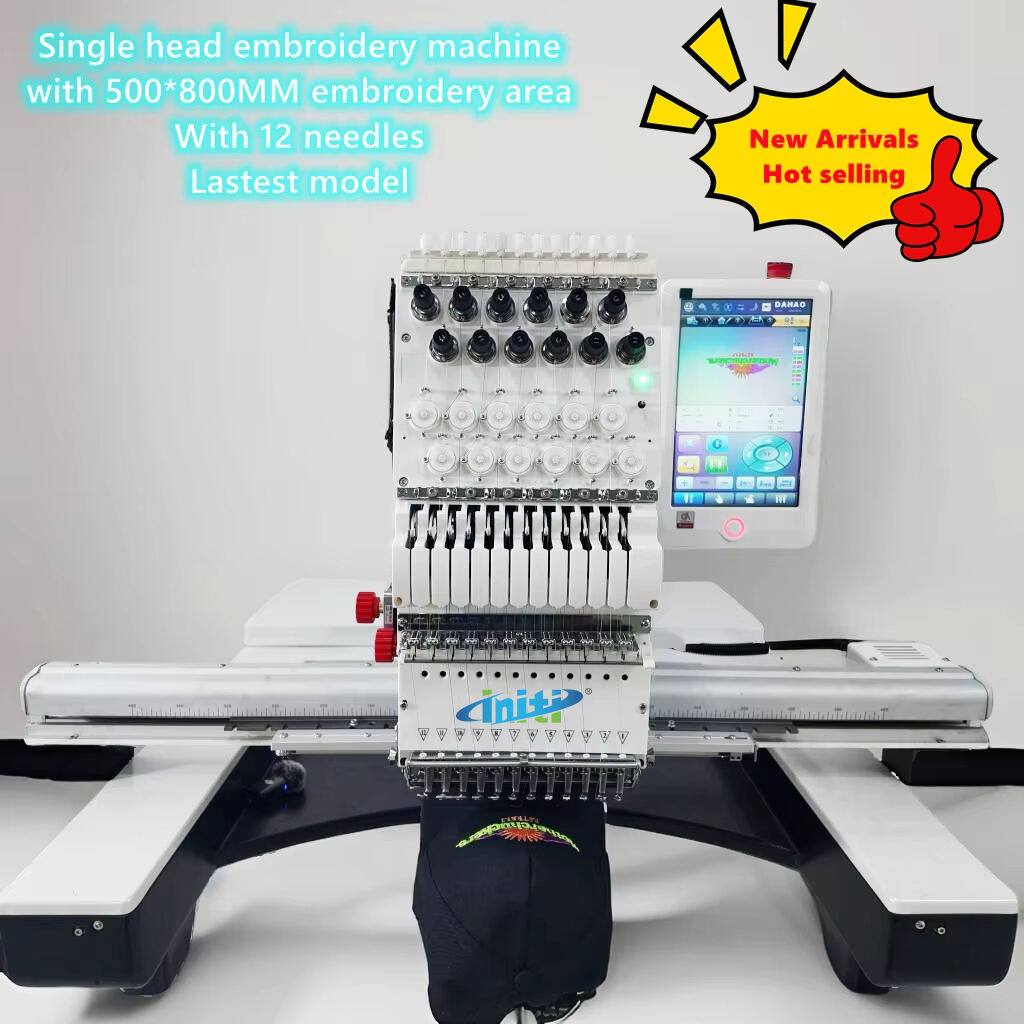
Selecting the right computerized embroidery supplier is a critical decision that can significantly impact your business operations, product quality, and long-term profitability. Whether you're establishing a new embroidery business or upgrading your existing equipment, the choice of supplier will influence everything from machine reliability to ongoing technical support. A dependable computerized embroidery supplier provides more than just equipment; they offer comprehensive solutions that encompass training, maintenance, spare parts availability, and ongoing technical assistance that ensures your operations run smoothly for years to come.
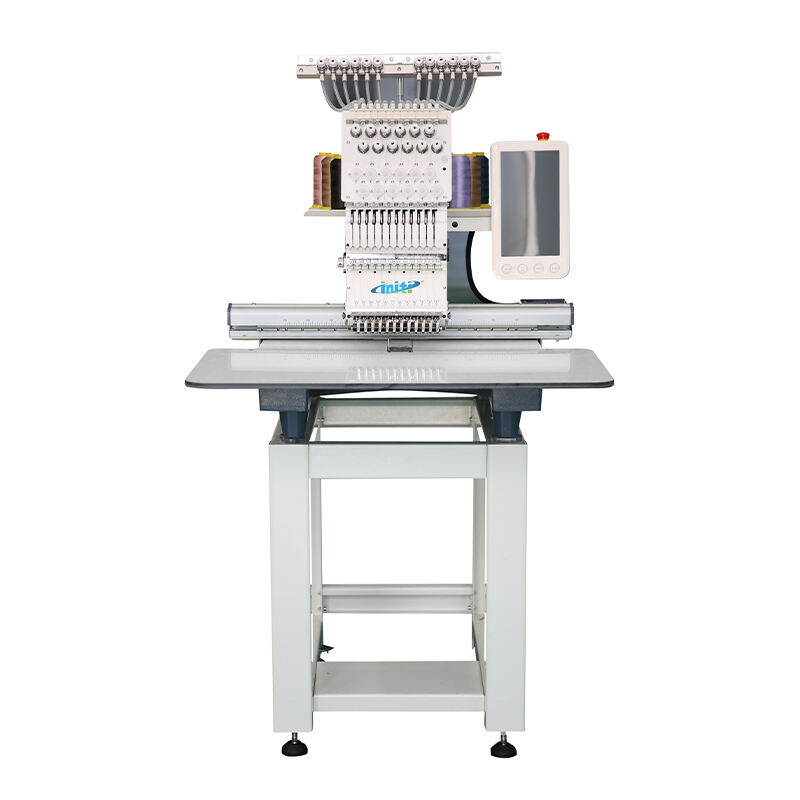
Equipment Quality and Technical Specifications
Machine Build Quality and Durability
The foundation of any successful embroidery operation lies in the quality of the equipment provided by your computerized embroidery supplier. Premium suppliers invest heavily in research and development to create machines that can withstand continuous operation while maintaining consistent stitch quality. Look for suppliers who use high-grade components, precision-engineered frames, and advanced control systems that minimize vibration and ensure accurate needle placement even at high speeds.
Durability testing and quality certifications serve as important indicators of a supplier's commitment to excellence. Reputable manufacturers typically subject their machines to rigorous testing protocols that simulate years of operation under various conditions. When evaluating potential suppliers, inquire about their quality control processes, testing procedures, and the specific materials used in critical components such as frames, motors, and electronic systems.
Advanced Features and Technology Integration
Modern computerized embroidery machines incorporate sophisticated technology that enhances productivity and reduces operator fatigue. A forward-thinking computerized embroidery supplier will offer machines equipped with features such as automatic thread trimming, color change systems, and intelligent tension control. These advanced capabilities not only improve efficiency but also reduce the skill level required for operators to produce professional-quality embroidery.
Technology integration extends beyond the machine itself to include software compatibility, design editing capabilities, and connectivity options. The best suppliers provide comprehensive software packages that allow for seamless design import, editing, and optimization. Consider suppliers who offer machines with USB connectivity, network capabilities, and compatibility with popular embroidery design formats to ensure flexibility in your operations.
Service Support and Technical Assistance
Comprehensive Training Programs
The complexity of modern embroidery equipment necessitates thorough training programs that go beyond basic operation instruction. An exceptional computerized embroidery supplier provides structured training that covers machine operation, maintenance procedures, troubleshooting techniques, and software utilization. This comprehensive approach ensures your operators can maximize machine productivity while minimizing downtime due to operational errors.
Training should encompass both initial setup procedures and ongoing skill development opportunities. Look for suppliers who offer multilevel training programs that accommodate operators with varying experience levels. The best programs include hands-on training at the supplier's facility, on-site installation support, and follow-up training sessions to reinforce learning and address specific operational challenges that may arise in your production environment.
Ongoing Technical Support Infrastructure
Technical support quality often distinguishes exceptional suppliers from average ones in the embroidery equipment market. A reliable computerized embroidery supplier maintains a robust support infrastructure that includes knowledgeable technicians, comprehensive documentation, and multiple communication channels for assistance. This support system should be readily accessible during your operating hours and staffed by technicians who understand both the mechanical and software aspects of your equipment.
Remote diagnostic capabilities represent a significant advancement in technical support services. Progressive suppliers offer machines equipped with internet connectivity that enables technicians to remotely access machine diagnostics, troubleshoot problems, and even perform certain adjustments without requiring an on-site visit. This technology dramatically reduces downtime and allows for proactive maintenance scheduling based on actual machine performance data.
Financial Considerations and Value Proposition
Total Cost of Ownership Analysis
While initial purchase price remains an important factor, savvy buyers evaluate the total cost of ownership when selecting a computerized embroidery supplier. This comprehensive analysis includes factors such as energy consumption, maintenance costs, spare parts pricing, and expected machine lifespan. Suppliers who offer transparent pricing structures and detailed cost breakdowns demonstrate confidence in their value proposition and help customers make informed decisions.
Energy efficiency has become increasingly important as businesses seek to reduce operational costs and environmental impact. Modern embroidery machines from quality suppliers incorporate energy-saving features such as automatic sleep modes, efficient motor designs, and LED lighting systems. These features may result in higher initial costs but typically provide substantial savings over the machine's operational lifetime through reduced utility expenses.
Financing Options and Payment Flexibility
Equipment acquisition represents a significant capital investment for most businesses, making financing options a crucial consideration when evaluating suppliers. Established computerized embroidery suppliers often maintain relationships with financing partners and can offer attractive lease programs, equipment loans, or flexible payment terms that align with your cash flow requirements. These arrangements can make advanced equipment accessible to businesses that might otherwise be unable to afford premium machines.
Some suppliers provide innovative financing structures such as revenue-sharing agreements or performance-based payments that tie equipment costs to actual production output. These arrangements can be particularly attractive for startup businesses or companies expanding into new markets where initial revenue may be uncertain. Evaluate these options carefully to determine which financing structure best aligns with your business model and growth projections.
Supply Chain Reliability and Parts Availability
Spare Parts Inventory and Distribution Network
Machine downtime due to parts unavailability can severely impact production schedules and customer relationships. A dependable computerized embroidery supplier maintains comprehensive spare parts inventory and operates an efficient distribution network that ensures critical components are readily available when needed. This infrastructure includes strategically located warehouses, automated inventory management systems, and expedited shipping options for urgent repairs.
Parts availability extends beyond immediate needs to include long-term support for machines throughout their operational lifetime. Quality suppliers commit to maintaining parts inventory for extended periods, often ten years or more after a machine model's discontinuation. This commitment provides peace of mind and helps protect your equipment investment by ensuring continued serviceability even as technology evolves.
Supply Chain Transparency and Communication
Modern supply chains face various challenges including material shortages, shipping delays, and geopolitical disruptions. Transparent communication about these challenges helps customers plan effectively and avoid unexpected production interruptions. Leading computerized embroidery suppliers proactively communicate potential supply chain issues and work collaboratively with customers to develop contingency plans that minimize operational impact.
Supply chain resilience has become increasingly important as businesses recognize the risks associated with single-source dependencies. Suppliers who maintain diverse supplier networks, strategic inventory reserves, and flexible manufacturing capabilities demonstrate commitment to consistent service delivery regardless of external challenges. These capabilities become particularly valuable during periods of high demand or supply chain stress.
Industry Experience and Market Reputation
Track Record and Customer References
Experience in the embroidery equipment industry provides suppliers with deep understanding of customer needs, common challenges, and effective solutions. When evaluating a computerized embroidery supplier, investigate their history in the industry, key milestones, and evolution of their product offerings. Established suppliers with long track records have typically navigated various market conditions and developed robust business practices that benefit their customers.
Customer references provide valuable insights into supplier performance from the user perspective. Request contact information for customers operating similar businesses or using comparable equipment configurations. These conversations can reveal important details about supplier responsiveness, equipment reliability, and overall satisfaction that may not be apparent during initial sales presentations. Pay particular attention to feedback regarding long-term relationships and how suppliers handle challenges that arise over time.
Innovation and Future-Focused Development
The embroidery equipment industry continues evolving with advances in automation, connectivity, and artificial intelligence. Progressive computerized embroidery suppliers invest significantly in research and development to stay ahead of technological trends and customer needs. These investments translate into innovative features that improve productivity, reduce operational complexity, and provide competitive advantages for their customers.
Future-focused suppliers actively engage with customers to understand emerging needs and incorporate feedback into product development processes. They participate in industry conferences, collaborate with software developers, and monitor global trends that may impact the embroidery market. This forward-thinking approach ensures that equipment purchases today will remain relevant and competitive as the industry continues evolving.
FAQ
What should I prioritize when comparing computerized embroidery suppliers?
Focus on equipment quality, technical support capabilities, and total cost of ownership rather than just initial purchase price. Evaluate the supplier's track record, customer references, and commitment to ongoing service. Consider factors such as training programs, parts availability, and financing options that align with your specific business needs and growth objectives.
How important is local service support when selecting a computerized embroidery supplier?
Local service support significantly impacts equipment uptime and operational efficiency. While remote diagnostic capabilities have improved, having accessible local technicians for complex repairs and maintenance remains valuable. Evaluate the supplier's service network coverage in your area and their response time commitments for various types of service requests.
What financing options are typically available for embroidery equipment purchases?
Most established computerized embroidery suppliers offer various financing options including equipment loans, lease programs, and flexible payment terms. Some provide specialized arrangements such as revenue-sharing agreements or seasonal payment schedules that accommodate specific business models. Compare these options carefully considering interest rates, tax implications, and alignment with your cash flow requirements.
How can I verify the reliability claims made by computerized embroidery suppliers?
Request detailed specifications, warranty information, and performance data from potential suppliers. Seek customer references and visit existing installations if possible to observe equipment performance firsthand. Research industry publications, trade show reports, and online reviews to gather independent perspectives on supplier reliability and customer satisfaction levels.
Table of Contents
- Equipment Quality and Technical Specifications
- Service Support and Technical Assistance
- Financial Considerations and Value Proposition
- Supply Chain Reliability and Parts Availability
- Industry Experience and Market Reputation
-
FAQ
- What should I prioritize when comparing computerized embroidery suppliers?
- How important is local service support when selecting a computerized embroidery supplier?
- What financing options are typically available for embroidery equipment purchases?
- How can I verify the reliability claims made by computerized embroidery suppliers?