

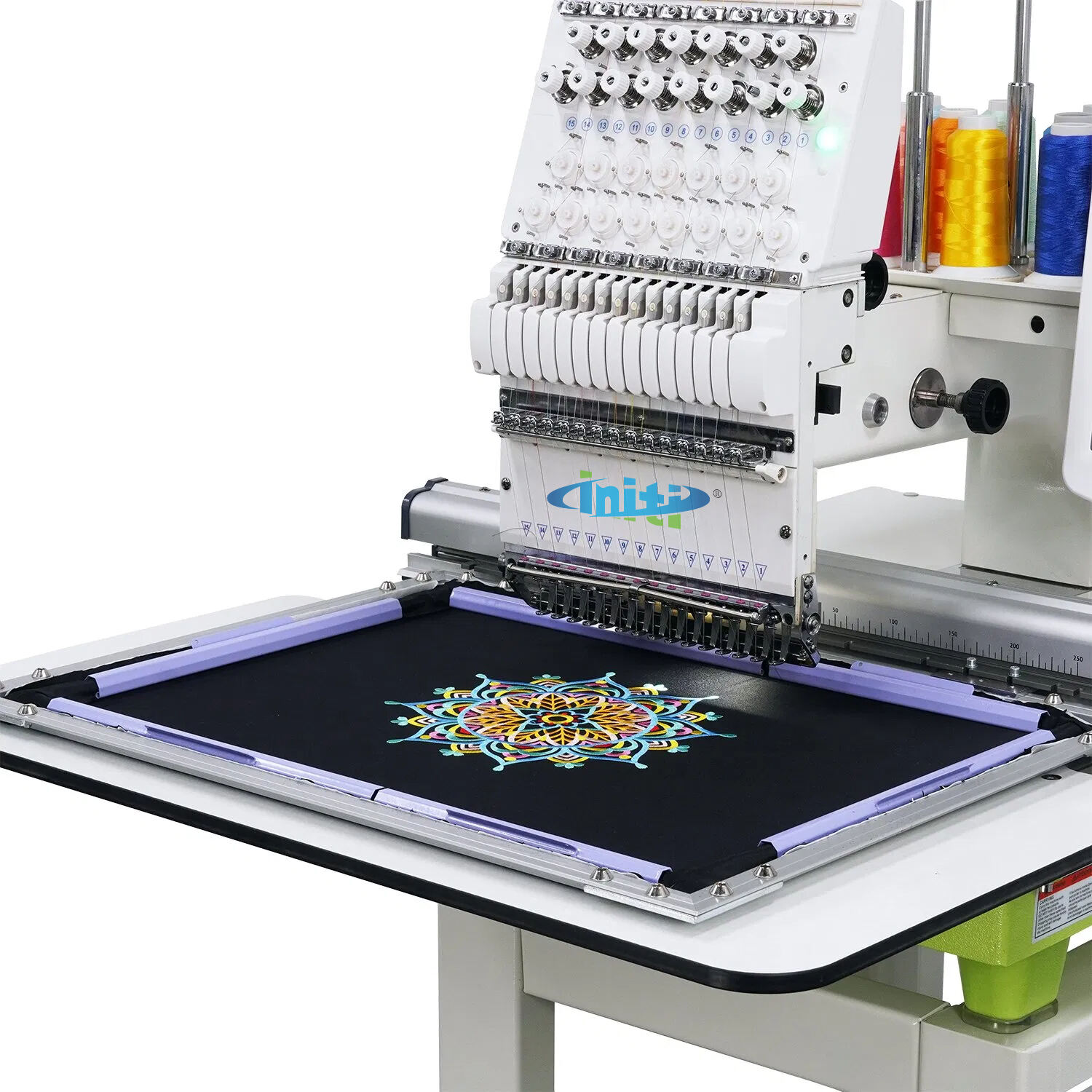
The textile industry has witnessed remarkable evolution in embroidery technology, with hat embroidery machine equipment leading specialized manufacturing segments. Modern businesses demand reliable, high-performance machinery that delivers consistent results while maintaining operational efficiency throughout extended production cycles. Understanding the key indicators of durability becomes essential when investing in commercial-grade embroidery equipment that will serve your business for years to come.
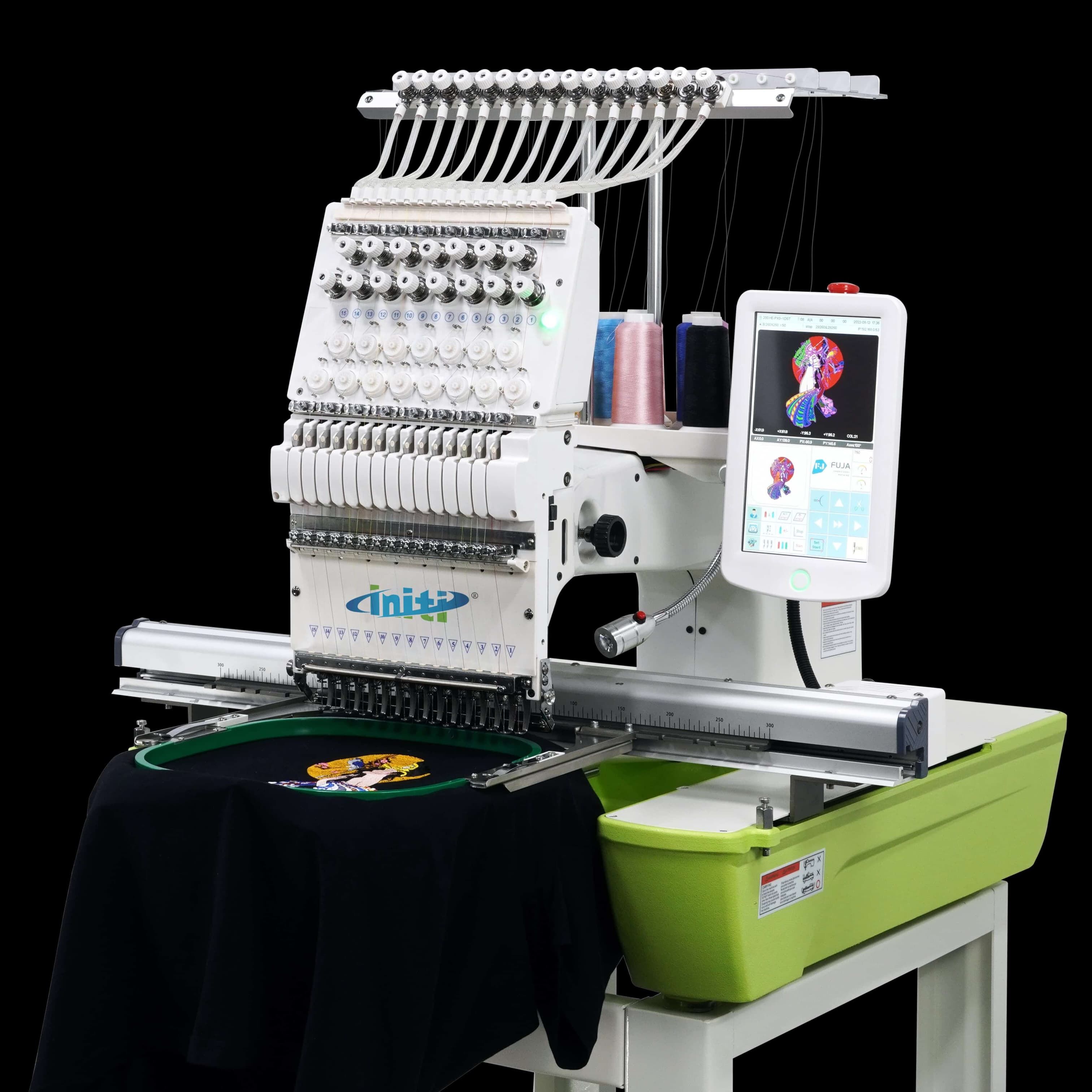
Professional embroidery operations require machinery that withstands continuous use while maintaining precision and reliability. The durability of a hat embroidery machine directly impacts your production capacity, maintenance costs, and overall profitability. Quality assessment involves examining multiple technical aspects, from frame construction to electronic components, ensuring your investment delivers long-term value in competitive manufacturing environments.
Essential Build Quality Indicators
Frame Construction and Stability
The foundation of any durable hat embroidery machine begins with robust frame construction using heavy-duty materials. Premium machines feature cast iron or steel frames that provide exceptional stability during high-speed operation. These solid foundations minimize vibration, reduce mechanical stress on moving components, and ensure consistent stitch quality even during extended production runs.
Manufacturers typically employ precision-machined components in their frame assemblies, creating tight tolerances that maintain alignment over time. Quality frames also incorporate reinforcement structures at critical stress points, preventing flexing or warping that could compromise embroidery accuracy. The weight distribution across the machine base provides additional stability, reducing the likelihood of movement during operation.
Motor Systems and Drive Components
High-quality hat embroidery machine units utilize servo motors with advanced control systems that deliver precise positioning and consistent performance. These motors offer superior torque characteristics, enabling smooth operation across varying speed ranges while maintaining accuracy. Professional-grade machines incorporate multiple motors for different functions, including main drive, trimming, and thread tensioning systems.
Drive components such as belts, pulleys, and transmission assemblies require careful evaluation for durability indicators. Premium machines feature reinforced timing belts, precision-ground pulleys, and sealed bearing assemblies that minimize wear and extend operational life. The integration between motor systems and drive components determines the overall reliability and longevity of the embroidery equipment.
Electronic System Reliability
Control Board Technology
Modern hat embroidery machine systems rely heavily on sophisticated electronic control boards that manage all operational aspects. Durable machines incorporate industrial-grade circuit boards with high-quality components designed for continuous operation in manufacturing environments. These boards feature advanced microprocessors, memory systems, and communication interfaces that ensure reliable performance over extended periods.
Quality control boards include comprehensive protection circuits against power surges, electromagnetic interference, and environmental factors. Premium manufacturers implement redundant safety systems and error detection protocols that prevent damage from operational anomalies. The accessibility of control board components for maintenance and potential upgrades also indicates thoughtful design for long-term serviceability.
Software Integration and Updates
The software platform controlling a hat embroidery machine significantly impacts its operational durability and adaptability. Reliable systems feature regularly updated software with bug fixes, performance improvements, and new functionality additions. Manufacturers committed to long-term support provide consistent software updates that extend the useful life of their equipment.
Integration capabilities with design software, network systems, and production management tools demonstrate the manufacturer's commitment to evolving technology standards. Machines with robust software architectures can adapt to changing production requirements and incorporate technological advances without requiring complete hardware replacement. This adaptability represents a crucial aspect of long-term durability in rapidly evolving manufacturing environments.
Mechanical Component Assessment
Needle and Hook Systems
The precision of needle and hook systems in a hat embroidery machine directly correlates with both stitch quality and component longevity. High-quality machines feature hardened steel needles with specialized coatings that resist wear and maintain sharpness throughout extended use. The needle bar assembly requires precise alignment and smooth operation to prevent premature wear of both needles and surrounding components.
Hook systems, particularly rotary hooks in professional embroidery machines, demand exceptional precision manufacturing to ensure consistent thread formation. Premium machines incorporate adjustable hook timing systems that allow for fine-tuning and compensation for normal wear patterns. The accessibility of these components for routine maintenance and replacement significantly impacts the overall durability and serviceability of the equipment.
Thread Management and Tensioning
Effective thread management systems in a hat embroidery machine prevent thread breaks, ensure consistent tension, and minimize waste during production. Durable machines feature multiple tensioning stages with precision-machined components that maintain consistent pressure over time. Thread guides and paths utilize smooth, wear-resistant materials that minimize friction and extend thread life.
Advanced thread monitoring systems detect breaks or tension irregularities automatically, preventing damage to both the embroidery and machine components. Quality machines incorporate easily adjustable tensioning systems that accommodate various thread types and weights without requiring extensive setup modifications. The reliability of thread management systems directly impacts production efficiency and finished product quality.
Production Capacity and Performance Metrics
Speed and Accuracy Capabilities
The operational speed of a hat embroidery machine must be balanced with accuracy to achieve optimal production results. Durable machines maintain consistent stitch quality across their entire speed range, from slow detail work to high-speed production runs. Quality equipment incorporates advanced control systems that automatically adjust operational parameters based on design complexity and material characteristics.
Premium machines feature variable speed control with smooth acceleration and deceleration profiles that minimize stress on mechanical components. The ability to maintain accuracy at maximum rated speeds indicates superior engineering and construction quality. Consistent performance metrics over extended operational periods demonstrate the durability and reliability expected in professional manufacturing environments.
Multi-Format Compatibility
Modern hat embroidery machine equipment must accommodate various design formats and file types to maximize production flexibility. Durable machines support industry-standard formats while providing conversion capabilities for proprietary design files. This compatibility ensures the equipment remains useful as design software and industry standards evolve over time.
Quality machines also offer editing capabilities that allow operators to modify designs, adjust stitch parameters, and optimize layouts without requiring external software. These built-in capabilities reduce dependency on additional equipment and software licenses while providing greater operational flexibility. The breadth of format support and editing capabilities indicates the manufacturer's commitment to long-term usability and customer satisfaction.
Maintenance Requirements and Serviceability
Routine Maintenance Accessibility
The design of a hat embroidery machine significantly impacts maintenance requirements and operational costs throughout its service life. Well-designed machines provide easy access to critical components requiring regular attention, such as lubrication points, cleaning areas, and adjustment mechanisms. Clear maintenance schedules and procedures help operators maintain optimal performance while preventing premature wear.
Quality machines incorporate self-diagnostic capabilities that monitor component condition and alert operators to potential issues before they become serious problems. These systems track operational hours, maintenance intervals, and component wear patterns to optimize service scheduling. Proactive maintenance capabilities reduce unexpected downtime and extend overall equipment life significantly.
Parts Availability and Technical Support
Long-term durability of a hat embroidery machine depends heavily on the manufacturer's commitment to parts availability and technical support. Established manufacturers maintain comprehensive parts inventories and provide technical assistance throughout the equipment's operational life. The availability of replacement components, upgrade options, and service documentation directly impacts the practical durability of the investment.
Quality manufacturers also provide training programs, technical documentation, and remote diagnostic capabilities that support efficient operation and maintenance. The depth of technical support available indicates the manufacturer's confidence in their equipment and commitment to customer success. Comprehensive support programs extend the effective service life of embroidery equipment significantly beyond the basic warranty period.
Environmental Adaptability and Reliability
Operating Condition Tolerance
A durable hat embroidery machine must perform reliably across varying environmental conditions commonly found in manufacturing facilities. Quality equipment incorporates environmental protection features such as dust sealing, temperature compensation, and humidity resistance. These protections ensure consistent performance regardless of seasonal variations or facility-specific conditions.
Premium machines also include vibration isolation systems that prevent external disturbances from affecting embroidery quality. The ability to maintain accuracy in less-than-ideal conditions demonstrates superior engineering and construction quality. Environmental adaptability becomes particularly important in facilities with multiple manufacturing processes or varying climate control systems.
Power Requirements and Efficiency
Energy efficiency in a hat embroidery machine contributes to both operational costs and environmental sustainability throughout the equipment's service life. Modern machines incorporate power management systems that optimize energy consumption based on operational requirements. These systems reduce operating costs while minimizing environmental impact of manufacturing operations.
Quality machines also feature power conditioning capabilities that protect sensitive electronic components from voltage fluctuations and electrical disturbances. Stable power requirements and efficient operation indicate thoughtful engineering that prioritizes long-term reliability. The integration of energy-efficient technologies demonstrates the manufacturer's commitment to sustainable manufacturing practices and operational cost reduction.
FAQ
What are the most critical components to inspect when evaluating hat embroidery machine durability?
Focus on examining the frame construction, motor systems, and electronic control boards as primary durability indicators. The frame should be constructed from heavy-duty materials with minimal vibration during operation. Motor systems should provide smooth, consistent performance across speed ranges, while control boards should feature industrial-grade components with comprehensive protection circuits. Additionally, assess the accessibility of components for routine maintenance and the availability of replacement parts from the manufacturer.
How important is software support for long-term hat embroidery machine durability?
Software support plays a crucial role in extending the practical service life of embroidery equipment beyond hardware durability alone. Regular software updates provide bug fixes, performance improvements, and new functionality that keep the machine relevant as technology evolves. Manufacturers committed to long-term software support demonstrate confidence in their hardware and commitment to customer success. Consider the update frequency, format compatibility, and integration capabilities when evaluating software support quality.
What maintenance practices most significantly impact hat embroidery machine longevity?
Consistent routine maintenance following manufacturer specifications has the greatest impact on equipment longevity. This includes regular lubrication of moving components, cleaning of thread paths and mechanical assemblies, and calibration of timing and tension systems. Monitoring operational parameters and addressing minor issues before they become major problems prevents cascading failures that could compromise the entire machine. Proper operator training and adherence to maintenance schedules typically extend equipment life significantly beyond warranty periods.
How can production volume requirements influence hat embroidery machine durability expectations?
Production volume directly correlates with component wear rates and maintenance requirements, making it essential to match machine specifications with operational demands. High-volume operations require machines designed for continuous duty cycles with robust components that withstand constant use. Lower volume applications may allow for lighter-duty machines that still provide adequate durability for the intended use. Understanding your production requirements helps select equipment with appropriate durability characteristics while avoiding over-specification that increases unnecessary costs.
Table of Contents
- Essential Build Quality Indicators
- Electronic System Reliability
- Mechanical Component Assessment
- Production Capacity and Performance Metrics
- Maintenance Requirements and Serviceability
- Environmental Adaptability and Reliability
-
FAQ
- What are the most critical components to inspect when evaluating hat embroidery machine durability?
- How important is software support for long-term hat embroidery machine durability?
- What maintenance practices most significantly impact hat embroidery machine longevity?
- How can production volume requirements influence hat embroidery machine durability expectations?