

The growing demand for custom headwear has transformed the embroidery industry, making the hat embroidery machine an essential investment for businesses looking to capitalize on this lucrative market. Whether you're a startup entrepreneur or an established business expanding your services, selecting the right hat embroidery machine requires careful consideration of multiple factors that will ultimately determine your success. Understanding the technical specifications, production capabilities, and operational requirements becomes crucial when navigating this significant investment decision.
Understanding Machine Types and Technologies
Single Head vs Multi-Head Configuration
The fundamental decision between single-head and multi-head hat embroidery machine options significantly impacts your production capacity and operational efficiency. Single-head machines offer affordability and simplicity, making them ideal for small businesses or those just entering the custom embroidery market. These machines typically handle one cap at a time, providing precision and control but limiting throughput for larger orders.
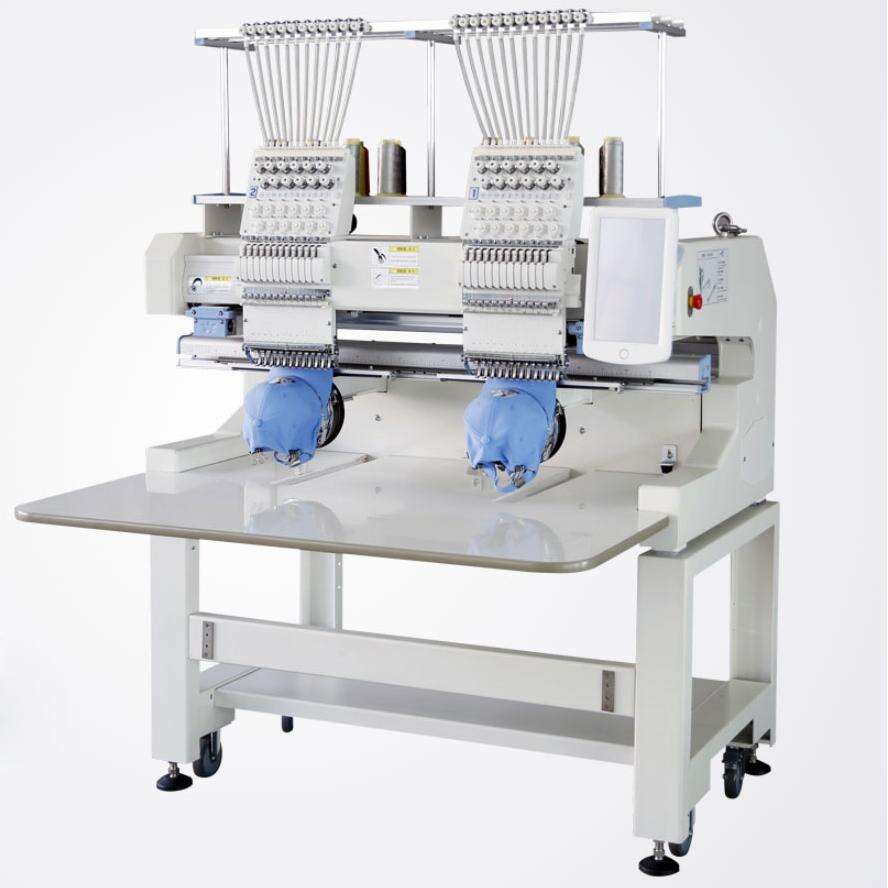
Multi-head configurations, particularly double-head systems, represent the sweet spot for many commercial operations. A double-head hat embroidery machine can simultaneously process two caps, effectively doubling production capacity while maintaining consistent quality across both pieces. This configuration becomes particularly valuable when handling medium to large orders where efficiency directly translates to profitability.
Advanced multi-head systems with four, six, or even more heads cater to high-volume production environments. However, these systems require substantial space, higher initial investment, and more complex maintenance schedules. The decision ultimately depends on your projected volume, available space, and budget constraints.
Specialized Cap Mechanisms and Functionality
Modern hat embroidery machine designs incorporate specialized clamping and positioning mechanisms specifically engineered for curved surfaces. Unlike flat embroidery, cap embroidery requires precise tension control and adaptive positioning to accommodate the three-dimensional nature of headwear. Advanced machines feature adjustable cap drivers that can handle various cap styles, from low-profile baseball caps to structured trucker hats.
The hooping system represents another critical component where innovation has significantly improved ease of use and consistency. Quick-release mechanisms and color-coded sizing guides help operators achieve proper cap positioning quickly, reducing setup time between jobs. Some premium hat embroidery machine models include automatic cap detection systems that adjust tension and positioning parameters based on the detected cap style.
Technical Specifications That Matter
Stitching Speed and Precision
Stitching speed, typically measured in stitches per minute, directly correlates with production capacity but must be balanced against quality requirements. Most commercial hat embroidery machine models operate effectively between 800 to 1,200 stitches per minute, though maximum speeds don't always translate to optimal production speeds. Factors such as design complexity, thread changes, and cap material influence the practical operating speed.
Precision becomes paramount when working with the curved surfaces of caps, where even minor alignment issues can result in distorted designs. High-quality machines incorporate advanced servo motors and precision bearings that maintain accuracy even during high-speed operations. The machine's ability to maintain consistent tension across varying cap materials and thicknesses determines the final embroidery quality.
Thread tension control systems have evolved significantly, with computerized tension management becoming standard in professional-grade equipment. These systems automatically adjust tension based on thread type, fabric characteristics, and design requirements, reducing operator intervention and improving consistency across production runs.
Software Integration and Design Capabilities
The software package accompanying your hat embroidery machine significantly impacts operational efficiency and design flexibility. Modern embroidery software includes specialized modules for cap embroidery that account for distortion correction and proper stitch compensation on curved surfaces. These programs can automatically adjust designs to maintain proper proportions and readability when embroidered on caps.
Connectivity options have become increasingly important, with USB, Ethernet, and wireless capabilities enabling seamless integration with design software and production management systems. Cloud-based design libraries and remote monitoring capabilities allow operators to manage multiple machines and access extensive design catalogs from centralized locations.
Production and Operational Considerations
Volume Requirements and Scalability
Accurately projecting your production volume requirements prevents both over-investment in unnecessary capacity and under-investment that limits growth potential. A typical single-head hat embroidery machine can produce 15-25 caps per hour depending on design complexity, while multi-head systems proportionally increase this capacity. Consider both current orders and projected growth when making capacity decisions.
Scalability options vary significantly between manufacturers and models. Some systems allow for easy expansion through modular designs or upgrade paths, while others require complete replacement for capacity increases. Modular hat embroidery machine systems enable businesses to start with basic configurations and add heads or functionality as demand grows.
Peak demand periods, seasonal fluctuations, and special event orders should factor into capacity planning. Many businesses find that having slightly more capacity than typical demand allows them to accept rush orders and seasonal spikes that often command premium pricing.
Space and Infrastructure Requirements
Physical space requirements extend beyond the machine footprint to include operator workspace, material storage, and maintenance access. A typical commercial hat embroidery machine requires not only floor space but adequate clearance for cap loading, thread management, and routine maintenance activities.
Electrical requirements vary significantly between machine types, with larger multi-head systems potentially requiring dedicated circuits or three-phase power. Compressed air systems, adequate lighting, and climate control also contribute to optimal machine performance and operator comfort. Planning these infrastructure requirements early prevents costly modifications after equipment installation.
Financial Investment and Return Considerations
Initial Investment and Financing Options
The initial investment for a quality hat embroidery machine ranges from modest amounts for basic single-head units to substantial investments for advanced multi-head systems. However, focusing solely on purchase price overlooks the total cost of ownership, which includes software, training, maintenance, and ongoing supply costs.
Financing options have expanded significantly, with manufacturers and dealers offering lease-to-own programs, equipment financing, and flexible payment plans. These options often make higher-capacity machines accessible to smaller businesses while preserving working capital for inventory and marketing investments.
Consider the opportunity cost of manual methods or outsourcing embroidery work when evaluating the investment. Many businesses find that bringing embroidery in-house not only reduces per-unit costs but also improves quality control and delivery times, leading to higher customer satisfaction and repeat business.
Revenue Potential and Market Opportunities
The custom hat market continues expanding across multiple segments, from corporate promotional products to sports team merchandise and fashion accessories. A well-positioned hat embroidery machine operation can serve diverse markets including local businesses, sports organizations, schools, and individual consumers seeking personalized headwear.
Pricing strategies for embroidered caps typically allow for healthy profit margins, especially when combining efficient production with quality results. Volume orders often command lower per-unit pricing but higher total profits, while custom one-off pieces can support premium pricing structures.
Maintenance and Support Infrastructure
Preventive Maintenance Requirements
Regular maintenance schedules directly impact machine longevity, production quality, and operational costs. Modern hat embroidery machine designs incorporate accessible maintenance points and self-diagnostic systems that simplify routine care. Daily cleaning protocols, weekly lubrication schedules, and periodic professional servicing maintain optimal performance and prevent costly breakdowns.
Understanding the maintenance requirements before purchase helps establish proper maintenance protocols and budget for ongoing operational costs. Some manufacturers offer maintenance packages or training programs that help operators develop the skills necessary for basic maintenance and troubleshooting.
Technical Support and Training
Comprehensive technical support becomes crucial when production deadlines depend on machine performance. Evaluate manufacturers' support structures, including phone support hours, remote diagnostic capabilities, and local service technician availability. Response times for support requests and parts availability significantly impact operational continuity.
Training programs vary widely between manufacturers, with some offering comprehensive on-site training while others provide only basic operation manuals. Investing in proper training prevents operational errors, reduces waste, and maximizes the return on your hat embroidery machine investment.
FAQ
What is the typical production capacity of a commercial hat embroidery machine?
Commercial hat embroidery machine production capacity varies based on design complexity and machine configuration. Single-head machines typically produce 15-25 caps per hour, while multi-head systems can proportionally increase output. Factors such as thread changes, design complexity, and operator experience significantly influence actual production rates.
How much space do I need for a hat embroidery machine setup?
Space requirements depend on machine size and configuration, but most commercial setups require at least 8x10 feet of floor space including operator workspace and material storage. Multi-head systems need additional space for cap loading and thread management. Consider ceiling height requirements for thread stands and adequate ventilation for optimal operating conditions.
What ongoing costs should I budget for hat embroidery machine operation?
Ongoing operational costs include thread, backing materials, machine maintenance, software updates, and electrical consumption. Budget approximately 15-25% of gross revenue for these operational expenses, with thread and backing materials typically representing the largest variable costs. Regular maintenance and occasional repairs should also factor into long-term budgeting.
How long does it take to become proficient in operating a hat embroidery machine?
Basic operation skills typically develop within 1-2 weeks of regular use, while advanced techniques and troubleshooting abilities may require several months of experience. Proper initial training significantly reduces this learning curve and prevents costly mistakes during the early operating period. Most operators achieve comfortable proficiency within 30-60 days of consistent operation.