

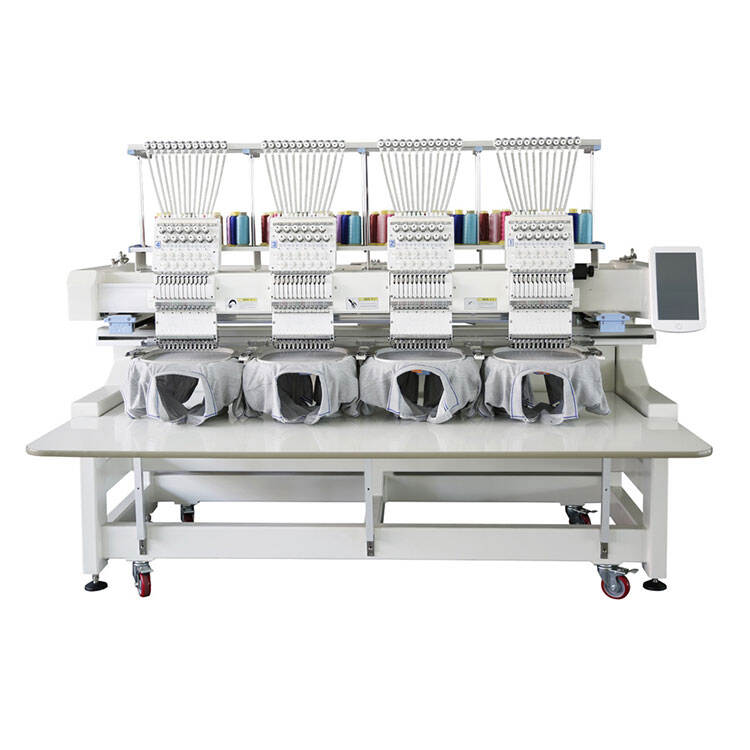
Hat manufacturing has evolved dramatically over the past decade, with technological advancements driving unprecedented efficiency gains in production facilities worldwide. Modern embroidery equipment now offers manufacturers the opportunity to significantly reduce operational costs while maintaining superior quality standards. The integration of advanced machinery into production workflows has become essential for companies seeking competitive advantages in today's demanding marketplace. Understanding how efficiency improvements translate directly into cost savings can help manufacturers make informed decisions about equipment investments and operational strategies.
Understanding Production Efficiency in Hat Manufacturing
Traditional Manufacturing Challenges
Traditional hat production methods often involve time-intensive processes that limit overall throughput and increase per-unit costs. Single-head embroidery systems require operators to handle each piece individually, creating bottlenecks that restrict production capacity. These limitations become particularly problematic when fulfilling large orders or meeting tight deadlines. The manual intervention required in conventional setups also introduces variability in quality and increases the likelihood of production errors.
Labor costs represent a significant portion of total manufacturing expenses in traditional production environments. Skilled operators must dedicate considerable time to each piece, driving up labor costs per unit and reducing profit margins. Additionally, the slower pace of traditional equipment means longer production runs, which ties up valuable floor space and resources for extended periods. These factors combine to create an operational environment where cost control becomes increasingly challenging.
Modern Efficiency Solutions
Contemporary manufacturing solutions address these challenges through innovative design and advanced automation capabilities. Modern embroidery equipment can handle multiple pieces simultaneously, dramatically reducing the time required for each production run. The integration of computer-controlled systems ensures consistent quality while minimizing the need for manual intervention throughout the production process.
Advanced machinery also offers programmable features that allow manufacturers to quickly switch between different designs and specifications without extensive setup time. This flexibility enables producers to respond rapidly to changing market demands while maintaining efficient production schedules. The result is a manufacturing environment that can deliver high-quality products at reduced costs while meeting diverse customer requirements.
Cost-Benefit Analysis of High-Speed Equipment
Direct Cost Reductions
Implementing a high speed double head cap embroidery machine can generate substantial direct cost savings across multiple operational areas. Labor costs decrease significantly when machines can handle multiple pieces simultaneously, reducing the number of operator hours required per unit produced. Energy efficiency improvements in modern equipment also contribute to lower utility costs, particularly important for high-volume production facilities operating continuously.
Material waste reduction represents another significant cost-saving opportunity. Precision control systems in advanced embroidery equipment minimize thread waste and reduce the likelihood of production errors that result in scrapped materials. The improved accuracy of computerized systems ensures that each piece meets quality specifications on the first attempt, eliminating costly rework and material waste associated with defective products.
Indirect Economic Benefits
Beyond direct cost reductions, high-speed equipment delivers numerous indirect economic benefits that contribute to improved profitability. Faster production cycles enable manufacturers to accept more orders within the same timeframe, increasing revenue potential without proportional increases in overhead costs. The ability to complete orders quickly also improves customer satisfaction and can justify premium pricing for expedited delivery services.
Enhanced production capacity allows manufacturers to pursue larger contracts that might have been impossible with traditional equipment limitations. This scalability opens access to new market segments and customer bases, diversifying revenue streams and reducing dependence on smaller, less profitable orders. The competitive advantage gained through efficient production capabilities can also strengthen negotiating positions with suppliers and customers alike.
Technical Advantages of Dual-Head Systems
Productivity Enhancement Features
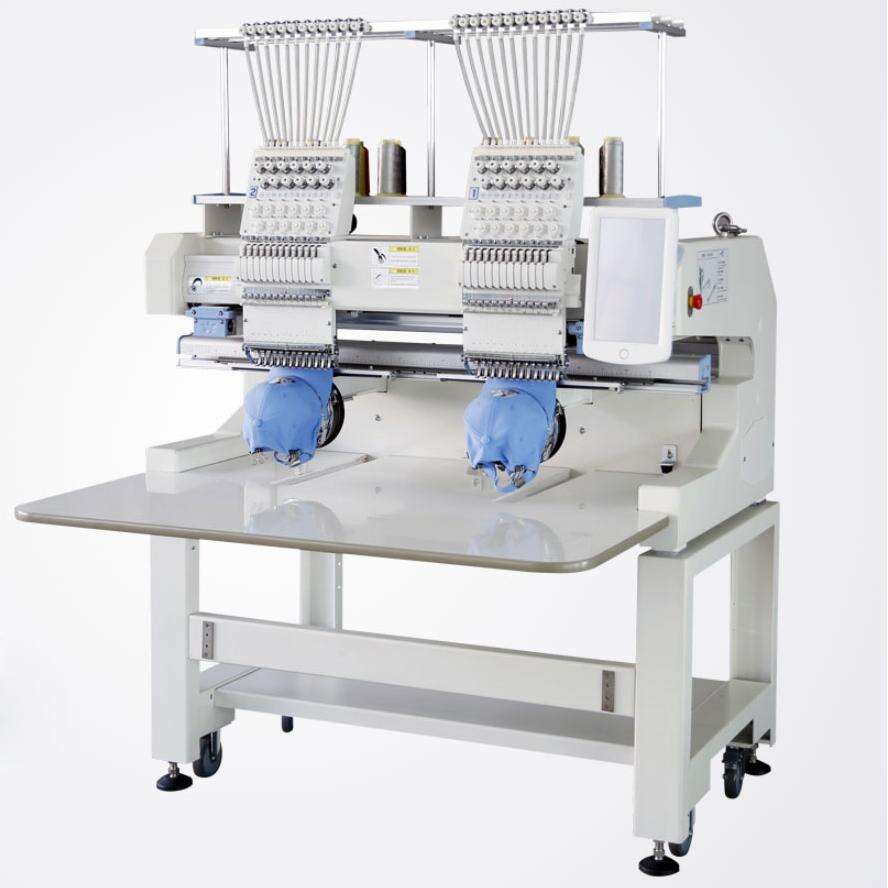
Dual-head embroidery systems offer unique productivity advantages that single-head alternatives cannot match. The ability to work on two pieces simultaneously effectively doubles production capacity without requiring additional floor space or significantly increased operator attention. This parallel processing capability becomes particularly valuable when producing large quantities of identical or similar designs.
Advanced control systems in modern high speed double head cap embroidery machine models coordinate both heads seamlessly, ensuring synchronized operation and consistent quality across all produced pieces. Programmable features allow operators to customize settings for different materials and designs, optimizing performance parameters for each specific application. These technical capabilities translate directly into improved efficiency and reduced production costs.
Quality Control Integration
Contemporary embroidery equipment incorporates sophisticated quality control mechanisms that monitor production parameters in real-time. Tension sensors, thread break detection systems, and positioning accuracy monitoring ensure that any deviations from specifications are immediately identified and corrected. This proactive approach to quality management prevents defective products from completing the production process, eliminating waste and rework costs.
Automated quality control features also reduce the need for manual inspection procedures, freeing operators to focus on other value-added activities. The consistent quality output from high speed double head cap embroidery machine systems builds customer confidence and reduces the likelihood of returns or warranty claims. These quality advantages contribute to long-term cost savings through improved customer relationships and reduced service costs.
Return on Investment Calculations
Initial Investment Considerations
Evaluating the financial viability of advanced embroidery equipment requires careful analysis of initial investment costs against projected savings and revenue increases. While high speed double head cap embroidery machine systems typically require substantial upfront capital, the improved productivity and efficiency they deliver often justify the investment within reasonable payback periods. Factors such as current production volumes, labor costs, and market demand should be considered when calculating potential returns.
Financing options and equipment leasing programs can help manufacturers manage initial investment costs while beginning to realize productivity benefits immediately. Many equipment suppliers offer flexible payment terms that align with projected cash flow improvements, making advanced machinery more accessible to smaller manufacturers. The key is accurately projecting the operational improvements that will result from equipment upgrades and ensuring that financial projections reflect realistic market conditions.
Long-Term Financial Impact
Long-term financial benefits from high-efficiency equipment extend well beyond simple cost reductions and productivity improvements. The competitive advantages gained through enhanced production capabilities can lead to market share growth and premium pricing opportunities. Manufacturers with superior efficiency often become preferred suppliers for large customers who value reliability and quick turnaround times.
Equipment durability and reliability also contribute to long-term cost advantages through reduced maintenance expenses and minimal downtime. Modern high speed double head cap embroidery machine systems are designed for continuous operation with minimal service requirements, ensuring consistent production capability over extended periods. The cumulative effect of these advantages often results in total cost of ownership figures that strongly favor advanced equipment despite higher initial investments.
Implementation Strategies for Maximum Benefit
Workflow Optimization
Successful implementation of high-efficiency embroidery equipment requires careful attention to workflow design and operator training programs. Production layouts should be optimized to take full advantage of the increased throughput capabilities of dual-head systems. Material handling procedures, quality control checkpoints, and packaging operations must all be scaled appropriately to match the improved production capacity.
Training programs should focus on both technical operation of the equipment and optimization techniques that maximize productivity benefits. Operators need to understand how to leverage programmable features and automation capabilities to achieve peak efficiency. Proper training ensures that the full potential of high speed double head cap embroidery machine systems is realized from the earliest stages of implementation.
Maintenance and Support Planning
Developing comprehensive maintenance and support plans is essential for maintaining the cost advantages that high-efficiency equipment provides. Preventive maintenance schedules should be established to ensure optimal performance and minimize unexpected downtime. Regular calibration and adjustment procedures help maintain the precision and quality standards that customers expect.
Technical support relationships with equipment suppliers provide access to specialized expertise and replacement parts when needed. Many manufacturers offer service contracts that guarantee response times and parts availability, providing additional insurance against production disruptions. These support arrangements contribute to the long-term reliability and cost-effectiveness of high speed double head cap embroidery machine investments.
Market Trends and Future Considerations
Industry Evolution Patterns
The hat manufacturing industry continues to evolve toward greater automation and efficiency as competitive pressures intensify and customer expectations increase. Manufacturers who fail to adopt advanced production technologies risk losing market position to more efficient competitors. Understanding these industry trends helps manufacturers make strategic decisions about equipment investments and capacity planning.
Consumer demand for customization and rapid delivery creates additional pressure for manufacturers to improve production flexibility and speed. High speed double head cap embroidery machine systems provide the versatility needed to handle diverse product requirements while maintaining efficient production schedules. This capability becomes increasingly valuable as market demands continue to diversify and delivery timeframes compress.
Technology Advancement Outlook
Ongoing technological developments promise even greater efficiency improvements and cost reduction opportunities in the future. Integration with digital design systems, artificial intelligence optimization, and predictive maintenance capabilities represent emerging trends that will further enhance production efficiency. Manufacturers who establish foundations with current high-efficiency equipment position themselves to take advantage of future technological advances.
The continued development of high speed double head cap embroidery machine technology suggests that early adopters of advanced equipment will maintain competitive advantages over extended periods. Investment in current technology provides immediate benefits while creating pathways for future upgrades and enhancements. This forward-looking approach ensures that manufacturers remain competitive as industry standards continue to evolve.
FAQ
How much can production costs decrease with high-efficiency embroidery equipment
Production cost reductions typically range from 25-40% when upgrading from traditional single-head systems to modern high speed double head cap embroidery machine configurations. The exact savings depend on current production volumes, labor costs, and operational efficiency levels. Most manufacturers see payback periods of 18-36 months, with ongoing cost savings continuing throughout the equipment lifecycle.
What factors should be considered when calculating return on investment
Key factors include current production capacity limitations, labor cost per unit, material waste rates, and potential for increased order volume. Additionally, consider indirect benefits such as improved customer satisfaction, reduced lead times, and enhanced market competitiveness. Energy efficiency improvements and maintenance cost reductions also contribute to overall return calculations for high speed double head cap embroidery machine investments.
How does equipment financing affect the cost-benefit analysis
Equipment financing options can improve cash flow management while allowing immediate access to productivity benefits. Lease arrangements often include maintenance and support services, providing predictable operating costs and reducing financial risk. The key is ensuring that monthly equipment costs are offset by operational savings and increased revenue generation from improved production capabilities.
What maintenance requirements affect long-term operating costs
Modern high speed double head cap embroidery machine systems require regular cleaning, calibration, and component inspection to maintain optimal performance. Preventive maintenance schedules typically involve daily cleaning, weekly calibration checks, and periodic replacement of wear components. While maintenance costs are higher than simple equipment, the reliability and efficiency benefits significantly outweigh these expenses in most production environments.