

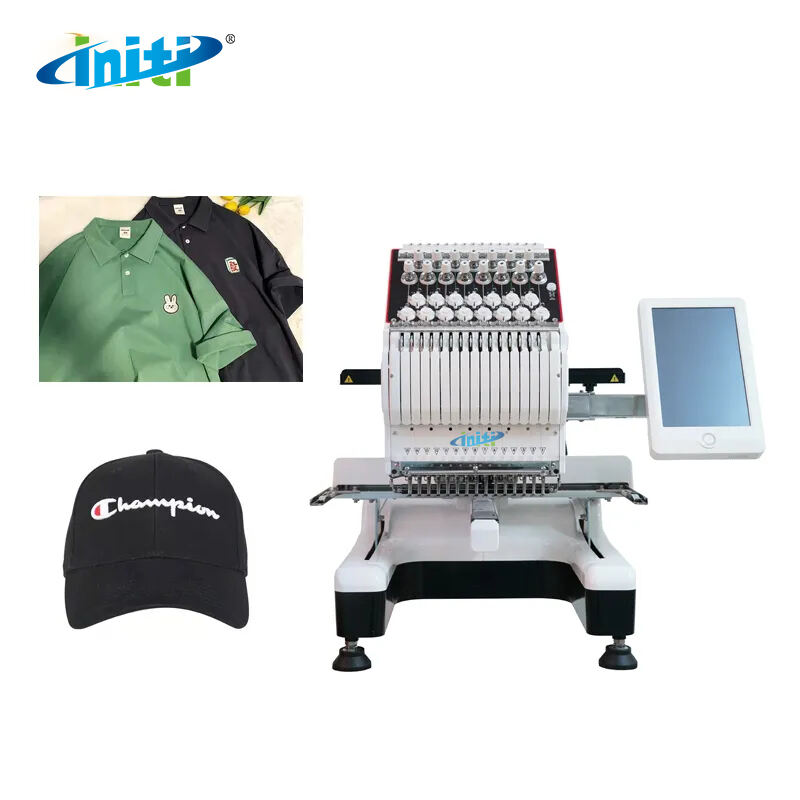
The global textile manufacturing industry continues to evolve with technological advancements, and one specialized segment that has gained significant traction is the production of hat embroidery machines. These sophisticated devices have revolutionized how manufacturers approach cap decoration, offering precision, speed, and versatility that traditional methods simply cannot match. Understanding the landscape of hat embroidery machine manufacturers provides valuable insights into industry trends, technological innovations, and market dynamics that shape this specialized sector.
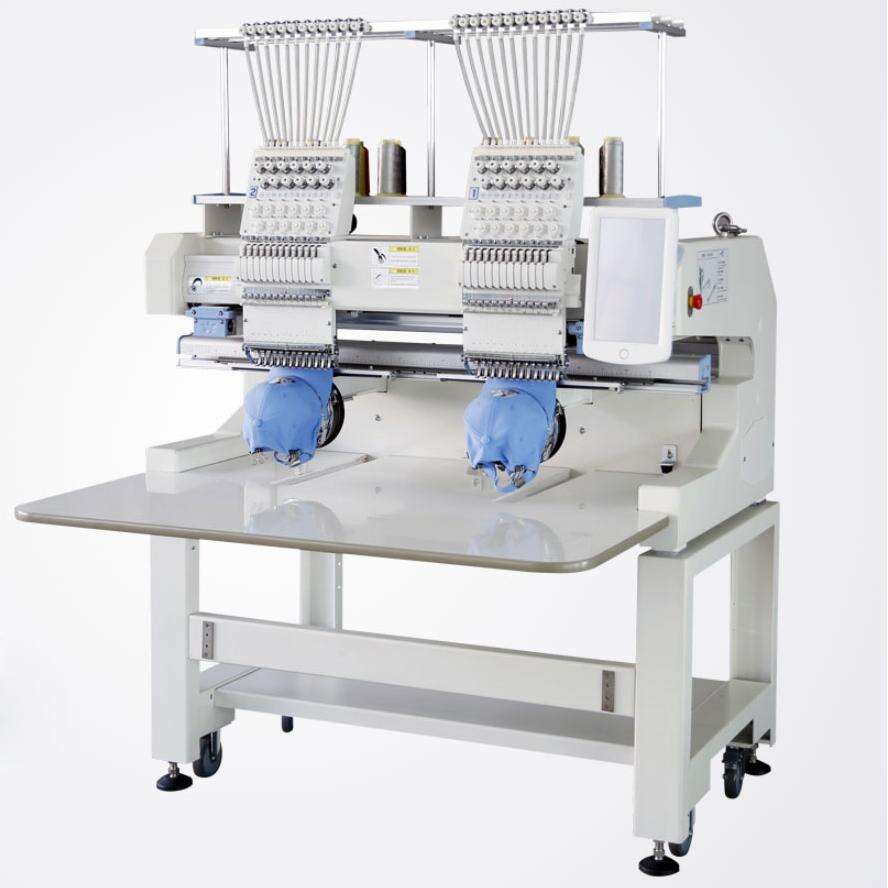
Modern hat embroidery machine technology has transformed the apparel decoration industry by enabling mass customization and high-quality output. Manufacturers worldwide rely on these machines to meet growing demand from sports teams, corporate branding, fashion retailers, and promotional product companies. The complexity of modern hat embroidery operations requires sophisticated equipment capable of handling various cap styles, materials, and design requirements while maintaining consistent quality standards.
The manufacturing ecosystem for hat embroidery machines encompasses various technologies, from single-head units suitable for small operations to multi-head industrial systems designed for high-volume production. Key manufacturers have invested heavily in research and development to create machines that offer superior stitch quality, reduced setup times, and enhanced user interfaces that streamline the embroidery process for operators of all skill levels.
Global Market Leaders in Hat Embroidery Machine Manufacturing
Established Industry Giants
Several well-established companies have dominated the hat embroidery machine market for decades, building their reputations on reliability, innovation, and comprehensive customer support. These industry leaders have developed extensive distribution networks, maintained strong relationships with textile manufacturers, and consistently invested in new technologies to stay ahead of market demands.
Japanese manufacturers have particularly excelled in this sector, leveraging their expertise in precision engineering and automation technologies. Their hat embroidery machines are renowned for exceptional build quality, advanced control systems, and the ability to handle complex designs with minimal operator intervention. These companies have established manufacturing facilities worldwide to better serve international markets while maintaining their high-quality standards.
German engineering excellence has also played a significant role in advancing hat embroidery machine technology. Manufacturers from this region focus on robust mechanical design, innovative software solutions, and modular systems that allow customers to customize their equipment according to specific production requirements. Their machines often feature advanced threading systems, automatic color changes, and sophisticated monitoring capabilities that maximize productivity.
Emerging Market Players
The competitive landscape has evolved significantly with the emergence of manufacturers from developing economies, particularly in Asia. These companies have successfully combined cost-effective manufacturing with increasingly sophisticated technology to offer competitive alternatives to established brands. Many of these emerging players have focused specifically on hat embroidery applications, developing specialized features that address unique challenges in cap decoration.
Chinese manufacturers have made substantial investments in hat embroidery machine development, creating products that offer excellent value propositions for businesses of all sizes. Their approach often emphasizes user-friendly interfaces, comprehensive training programs, and responsive technical support to help customers maximize their investment returns. These manufacturers have also pioneered innovative financing options and flexible purchasing arrangements that make advanced hat embroidery technology more accessible.
South Korean companies have distinguished themselves through innovative design approaches and integration of cutting-edge technologies like artificial intelligence and machine learning. Their hat embroidery machine solutions often incorporate predictive maintenance capabilities, advanced quality control systems, and seamless connectivity with enterprise resource planning systems.
Technological Innovations Driving Industry Leadership
Advanced Control Systems
Modern hat embroidery machine manufacturers have revolutionized their products through sophisticated control systems that enhance precision and reduce operator intervention. These systems incorporate high-resolution touchscreen interfaces, intuitive software platforms, and comprehensive design libraries that streamline the embroidery process from concept to finished product.
Leading manufacturers have developed proprietary software solutions that automatically optimize stitch sequences, minimize thread breaks, and ensure consistent tension throughout the embroidery process. These control systems often include advanced features like automatic thread trimming, color change sequencing, and real-time quality monitoring that significantly improve production efficiency and reduce waste.
The integration of cloud-based technologies has enabled hat embroidery machine manufacturers to offer remote monitoring, predictive maintenance, and over-the-air software updates. These capabilities allow manufacturers to provide enhanced customer support, reduce equipment downtime, and continuously improve machine performance through data analytics and machine learning algorithms.
Mechanical Engineering Excellence
The mechanical design of hat embroidery machines has undergone significant improvements as manufacturers compete to offer superior performance and reliability. Modern machines feature precision-engineered components, advanced bearing systems, and robust frame construction that ensures stable operation even at high speeds.
Innovative clamping systems have been developed to accommodate various cap styles and sizes while ensuring secure positioning throughout the embroidery process. These systems often include quick-change mechanisms, adjustable pressure settings, and specialized fixtures designed specifically for different cap construction methods and materials.
Thread handling systems have evolved to minimize breaks and ensure consistent tension across multiple needles. Leading hat embroidery machine manufacturers have developed proprietary thread guides, tensioning mechanisms, and automatic threading systems that significantly reduce setup times and improve overall productivity.
Market Segmentation and Specialized Applications
Industrial Production Systems
The industrial segment of hat embroidery machine manufacturing focuses on high-capacity systems designed for large-scale production environments. These machines typically feature multiple heads, advanced automation capabilities, and robust construction designed to operate continuously in demanding production schedules.
Industrial hat embroidery machine manufacturers have developed specialized solutions for different market segments, including sports apparel, promotional products, and fashion accessories. These systems often incorporate features like automatic cap loading, integrated quality inspection, and seamless integration with existing production workflows.
The emphasis on productivity and efficiency has driven manufacturers to develop innovative solutions like modular machine designs, quick-change tooling systems, and advanced scheduling software that optimizes production sequences based on design complexity, thread colors, and delivery requirements.
Small Business and Startup Solutions
Recognizing the growing demand from small businesses and entrepreneurs, many hat embroidery machine manufacturers have developed compact, affordable solutions that maintain professional quality standards. These machines often feature simplified operation, comprehensive training programs, and flexible financing options that make embroidery business ownership more accessible.
Desktop and compact hat embroidery machines have gained popularity among small businesses, home-based operations, and educational institutions. Manufacturers have focused on creating user-friendly interfaces, comprehensive design software packages, and extensive online support resources that enable users to achieve professional results with minimal training.
The development of hybrid machines that can handle both flat embroidery and hat decoration has opened new opportunities for small businesses to diversify their service offerings. These versatile systems allow operators to maximize their equipment utilization while serving broader customer bases with varied embroidery requirements.
Quality Standards and Certification Requirements
International Manufacturing Standards
Leading hat embroidery machine manufacturers adhere to strict international quality standards that ensure product reliability, safety, and performance consistency. These standards encompass mechanical design, electrical systems, software development, and manufacturing processes that contribute to overall product quality.
ISO certification requirements have driven manufacturers to implement comprehensive quality management systems that cover every aspect of hat embroidery machine production. These systems include rigorous testing protocols, supplier qualification processes, and continuous improvement initiatives that maintain high standards throughout the manufacturing cycle.
Safety certifications from recognized international bodies are essential for hat embroidery machine manufacturers seeking to serve global markets. These certifications require extensive testing, documentation, and ongoing compliance monitoring that demonstrates commitment to operator safety and equipment reliability.
Performance Validation and Testing
Comprehensive testing protocols have become standard practice among reputable hat embroidery machine manufacturers, ensuring that their products meet demanding performance requirements across various operating conditions. These testing procedures typically include endurance testing, precision measurement, and real-world application validation.
Many manufacturers maintain dedicated testing facilities where hat embroidery machines undergo extensive evaluation using various cap materials, thread types, and design complexities. This testing ensures that machines can consistently produce high-quality results across the full range of typical production requirements.
Customer validation programs allow manufacturers to gather feedback from real-world applications, enabling continuous product improvement and the development of new features that address emerging market needs. These programs often involve beta testing with selected customers and systematic collection of performance data.
Customer Support and Service Networks
Technical Support Infrastructure
Successful hat embroidery machine manufacturers recognize that comprehensive customer support is essential for maintaining competitive advantage in this specialized market. Leading companies have invested heavily in technical support infrastructure, including trained service technicians, comprehensive parts inventories, and responsive customer service systems.
Modern support systems often incorporate remote diagnostic capabilities that allow technicians to troubleshoot hat embroidery machine issues without on-site visits. These systems can monitor machine performance, identify potential problems, and provide real-time assistance to operators experiencing difficulties.
Training programs offered by hat embroidery machine manufacturers have evolved to include comprehensive curricula covering machine operation, maintenance, design software, and business development. These programs help customers maximize their investment returns while ensuring optimal machine performance throughout the equipment lifecycle.
Global Distribution Networks
Establishing effective distribution networks is crucial for hat embroidery machine manufacturers seeking to serve international markets efficiently. Leading companies have developed partnerships with authorized dealers, distributors, and service providers who can deliver local support while maintaining global quality standards.
Regional service centers staffed with factory-trained technicians ensure that customers receive prompt, professional support regardless of their geographic location. These centers typically maintain comprehensive parts inventories, specialized tools, and direct communication channels with factory engineering teams.
Online support platforms have become increasingly important for hat embroidery machine manufacturers, providing customers with access to technical documentation, troubleshooting guides, software updates, and training materials. These platforms often include user communities where customers can share experiences and solutions.
Future Trends and Industry Outlook
Emerging Technologies Integration
The future of hat embroidery machine manufacturing will likely be shaped by integration of emerging technologies like artificial intelligence, machine learning, and advanced automation systems. These technologies promise to enhance machine performance, reduce operator requirements, and enable more sophisticated design capabilities.
Internet of Things connectivity will enable hat embroidery machines to become integral components of smart manufacturing systems, providing real-time production data, predictive maintenance alerts, and seamless integration with enterprise resource planning systems. This connectivity will help manufacturers optimize production efficiency and reduce operational costs.
Advanced materials and manufacturing techniques will likely enable the development of more precise, durable, and efficient hat embroidery machines. These improvements may include lighter yet stronger frame materials, more precise servo motors, and innovative thread handling systems that further reduce operator intervention requirements.
Market Evolution and Customer Demands
The hat embroidery machine market continues to evolve as customer demands become more sophisticated and diverse. Manufacturers must adapt to increasing expectations for customization, faster turnaround times, and integration with digital design workflows that span multiple decoration techniques.
Sustainability considerations are becoming increasingly important in hat embroidery machine manufacturing, with customers seeking energy-efficient equipment, recyclable materials, and manufacturing processes that minimize environmental impact. Leading manufacturers are responding by developing more efficient machines and implementing sustainable manufacturing practices.
The growing trend toward mass customization and on-demand production is driving demand for more flexible hat embroidery machines that can quickly adapt to changing design requirements and production volumes. Manufacturers are responding with modular systems, quick-change capabilities, and software solutions that streamline workflow management.
FAQ
What factors should businesses consider when selecting a hat embroidery machine manufacturer?
When choosing a hat embroidery machine manufacturer, businesses should evaluate factors including build quality, technical support availability, software capabilities, training programs, and total cost of ownership. The manufacturer's reputation, financial stability, and commitment to ongoing product development are also crucial considerations that can impact long-term satisfaction and equipment performance.
How do leading manufacturers ensure consistent quality across their hat embroidery machine production?
Top manufacturers implement comprehensive quality management systems that include rigorous supplier qualification, standardized manufacturing processes, extensive testing protocols, and continuous improvement programs. They typically maintain ISO certifications, conduct regular audits, and use statistical process control methods to monitor production quality and identify potential issues before they affect customers.
What technological innovations are currently driving competition among hat embroidery machine manufacturers?
Current technological innovations include advanced control systems with touchscreen interfaces, automated threading and color-changing capabilities, remote monitoring and diagnostic systems, and integration with cloud-based software platforms. Manufacturers are also focusing on improving machine speed, precision, and ease of use while reducing maintenance requirements and total cost of ownership.
How important is local service support when choosing a hat embroidery machine manufacturer?
Local service support is extremely important for hat embroidery machine operations, as production downtime can significantly impact business profitability. Leading manufacturers establish regional service networks with trained technicians, maintain local parts inventories, and provide comprehensive technical support through multiple channels including phone, internet, and on-site service options to minimize equipment downtime and ensure optimal performance.
Table of Contents
- Global Market Leaders in Hat Embroidery Machine Manufacturing
- Technological Innovations Driving Industry Leadership
- Market Segmentation and Specialized Applications
- Quality Standards and Certification Requirements
- Customer Support and Service Networks
- Future Trends and Industry Outlook
-
FAQ
- What factors should businesses consider when selecting a hat embroidery machine manufacturer?
- How do leading manufacturers ensure consistent quality across their hat embroidery machine production?
- What technological innovations are currently driving competition among hat embroidery machine manufacturers?
- How important is local service support when choosing a hat embroidery machine manufacturer?