

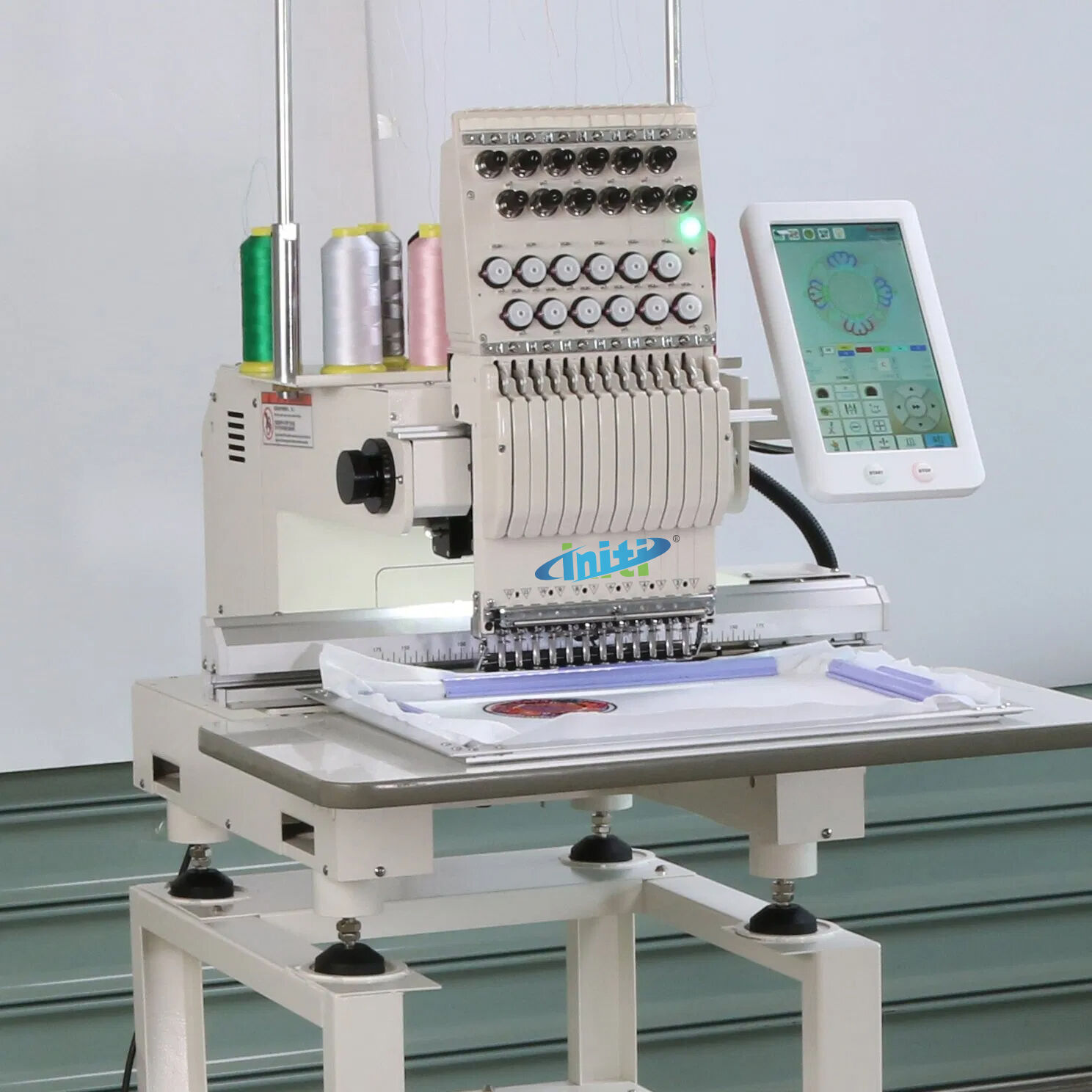
The world of textile decoration has evolved dramatically with the introduction of sophisticated embroidery technology. Modern businesses and creative professionals are increasingly seeking tailored solutions that match their specific operational needs and creative vision. Embroidery machine customization has emerged as a critical differentiator in today's competitive marketplace, allowing manufacturers to deliver precisely engineered equipment that addresses unique production requirements, workspace constraints, and design specifications.
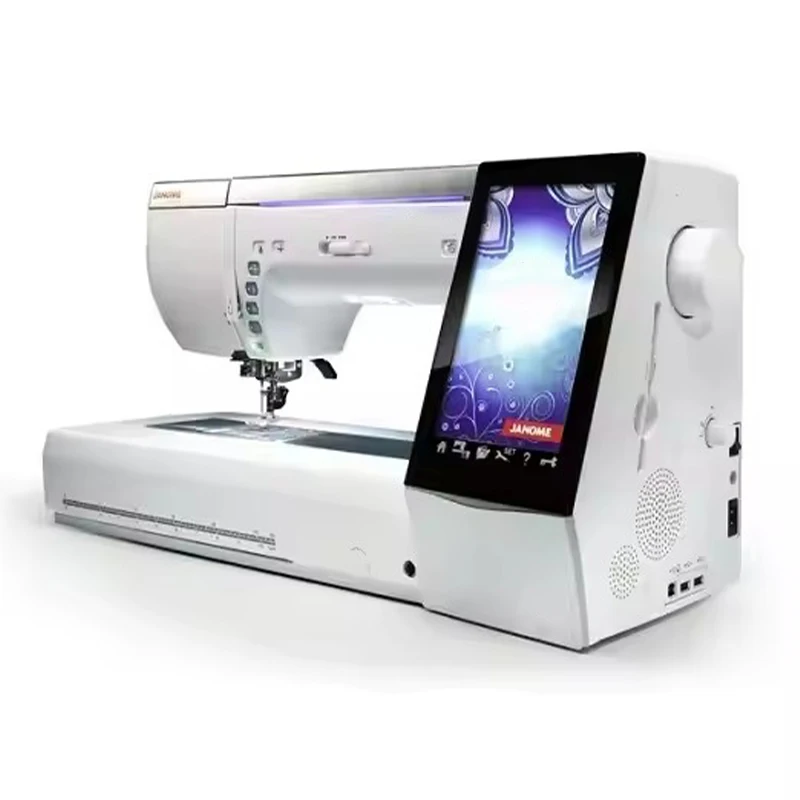
The customization process transforms standard embroidery equipment into specialized tools that perfectly align with customer objectives. This comprehensive approach considers every aspect of machine functionality, from thread tension mechanisms to computerized control systems. Professional embroidery machine customization involves detailed consultation phases, engineering assessments, and iterative design processes that ensure the final product exceeds performance expectations while maintaining reliability and ease of operation.
Understanding the intricacies of machine personalization enables businesses to make informed decisions about their embroidery equipment investments. The customization journey encompasses technical modifications, software adaptations, and mechanical enhancements that collectively create a machine perfectly suited to specific applications. This detailed exploration examines the complete process of transforming standard embroidery equipment into customized solutions that deliver exceptional results in diverse industrial and commercial environments.
Understanding Customization Requirements
Identifying Specific Production Needs
The foundation of successful embroidery machine customization begins with comprehensive needs analysis. Production volume requirements, design complexity levels, and material specifications directly influence customization decisions. Manufacturers must evaluate whether clients need high-speed production capabilities, multi-color threading systems, or specialized attachment mechanisms for unique substrates. This assessment phase determines which standard features require modification and which additional components need integration into the base machine design.
Workspace dimensions and operational environments significantly impact customization specifications. Compact facilities may require space-saving modifications, while industrial settings might benefit from enhanced durability features. The embroidery machine customization process carefully considers ambient conditions, power requirements, and accessibility needs to ensure optimal machine performance across varied operational contexts.
Client expertise levels also influence customization approaches. Novice operators may require simplified control interfaces and automated features, while experienced professionals might prefer advanced manual controls and programmable functions. Understanding user capabilities ensures that customized machines deliver intuitive operation while maximizing productive potential.
Technical Specification Development
Converting operational requirements into precise technical specifications requires detailed engineering analysis. Stitch density parameters, thread compatibility ranges, and speed optimization settings form the core of customization blueprints. Engineers evaluate existing machine capabilities against desired performance metrics to identify necessary modifications and enhancements that will achieve specified operational goals.
Mechanical specifications encompass motor power ratings, frame stability requirements, and precision movement systems. The customization process may involve upgrading drive mechanisms, reinforcing structural components, or integrating advanced positioning systems. These technical considerations ensure that modified machines maintain accuracy and reliability under demanding operational conditions while delivering consistent embroidery quality.
Software customization requirements often parallel hardware modifications. Custom control algorithms, specialized design import capabilities, and unique formatting options may be necessary to support specific workflow requirements. The technical specification phase establishes clear parameters for both mechanical and digital customization elements that will be implemented during the manufacturing process.
Design and Engineering Phase
Mechanical System Modifications
The engineering phase translates customer requirements into detailed mechanical modifications that enhance machine capabilities. Structural reinforcements may be necessary to support increased operational speeds or heavier material handling. Frame modifications, bearing upgrades, and vibration dampening systems are common elements in embroidery machine customization projects that require enhanced stability and precision performance.
Threading system customizations address specific material requirements and color change frequencies. Multi-head configurations, automatic thread cutting mechanisms, and specialized tension control systems may be integrated to streamline production workflows. These modifications often involve complex mechanical assemblies that must maintain precise alignment and consistent performance throughout extended operational periods.
Drive system enhancements frequently accompany customization projects requiring improved speed control or positioning accuracy. Servo motor upgrades, belt tensioning modifications, and gear ratio adjustments optimize machine responsiveness and maintain consistent stitch quality across varying operational parameters. The mechanical customization process ensures that all moving components work harmoniously to achieve desired performance characteristics.
Software and Control System Integration
Contemporary embroidery machine customization heavily relies on sophisticated software solutions that control every aspect of machine operation. Custom user interfaces may be developed to simplify complex operational procedures or provide advanced functionality for experienced operators. These software modifications integrate seamlessly with existing hardware components while introducing new capabilities that address specific customer requirements.
Control algorithm optimization enables machines to handle unique design files, specialized stitch patterns, or unconventional material properties. The embroidery machine customization process may include developing proprietary algorithms that optimize thread tension, stitch density, or speed control for specific applications. These software enhancements often provide competitive advantages by enabling unique production capabilities not available in standard equipment.
Connectivity features represent another important aspect of software customization. Network integration capabilities, remote monitoring systems, and cloud-based design libraries may be incorporated to support modern production environments. These digital enhancements transform traditional embroidery machines into connected devices that integrate seamlessly with contemporary manufacturing workflows and quality management systems.
Manufacturing and Assembly Process
Component Fabrication and Sourcing
The manufacturing phase of embroidery machine customization involves precise fabrication of modified components and careful sourcing of specialized parts. Custom mechanical elements require advanced machining capabilities and strict quality control measures to ensure perfect integration with existing machine systems. Fabrication processes must maintain tight tolerances while incorporating design modifications that enhance functionality without compromising structural integrity.
Material selection plays a crucial role in customization success. Enhanced durability requirements may necessitate upgraded alloys, specialized coatings, or improved bearing materials. The sourcing process identifies suppliers capable of delivering components that meet exacting specifications while maintaining cost-effectiveness and delivery schedules that align with project timelines.
Quality assurance protocols during component fabrication prevent issues that could compromise final machine performance. Each custom component undergoes rigorous testing to verify dimensional accuracy, material properties, and functional characteristics. This comprehensive approach ensures that customized elements integrate seamlessly with standard components while delivering enhanced performance capabilities.
Precision Assembly and Calibration
Assembly processes for customized embroidery machines require exceptional attention to detail and specialized expertise. Modified components must be integrated with existing systems while maintaining precise alignment and optimal functionality. Assembly technicians follow detailed procedures that account for customization-specific requirements while ensuring that standard assembly protocols remain intact where applicable.
Calibration procedures become increasingly complex when dealing with customized machines. Standard calibration protocols may require modification to accommodate enhanced capabilities or specialized components. The embroidery machine customization process includes developing custom calibration procedures that optimize machine performance for specific operational parameters while maintaining consistency across production runs.
System integration testing verifies that all customized elements function harmoniously with existing machine components. Comprehensive testing protocols evaluate mechanical performance, software functionality, and overall system reliability under various operational conditions. This thorough approach identifies potential issues before machines reach customer facilities, ensuring reliable performance from initial installation.
Testing and Quality Assurance
Performance Validation Procedures
Comprehensive testing protocols validate that customized embroidery machines meet or exceed specified performance parameters. Accuracy testing verifies positioning precision, stitch quality consistency, and pattern reproduction fidelity across various design complexities. Speed testing evaluates machine performance under different operational conditions while monitoring for vibration, noise levels, and thermal characteristics that could indicate potential issues.
Durability testing subjects customized machines to accelerated wear conditions that simulate extended operational periods. This process identifies potential failure points and validates component longevity under demanding operational scenarios. Embroidery machine customization projects require extensive durability validation to ensure that modifications enhance rather than compromise machine reliability and operational lifespan.
Material compatibility testing ensures that customized machines perform optimally with intended thread types, fabrics, and substrate materials. Testing protocols evaluate thread tension consistency, fabric handling capabilities, and stitch penetration characteristics across diverse material combinations. This comprehensive approach validates machine performance across the full range of intended applications.
Final Quality Verification
Final quality verification encompasses comprehensive inspection of all machine systems and detailed documentation of performance characteristics. Visual inspections verify assembly quality, component alignment, and finish specifications. Functional testing confirms that all customized features operate according to design specifications while maintaining compatibility with standard machine functions.
Documentation packages accompanying customized machines include detailed specifications, modified operational procedures, and maintenance protocols specific to implemented customizations. This comprehensive documentation ensures that customers can maximize machine capabilities while maintaining optimal performance throughout the equipment lifecycle.
Quality certification processes validate that customized machines meet applicable industry standards and safety requirements. Regulatory compliance verification ensures that modifications do not compromise machine safety or violate applicable standards. The embroidery machine customization process includes thorough compliance review to guarantee that enhanced capabilities do not introduce operational risks or regulatory issues.
Installation and Training
Site Preparation and Setup
Successful installation of customized embroidery machines requires careful site preparation that accommodates specific machine requirements and operational characteristics. Space requirements may differ from standard machines due to modified dimensions or enhanced functionality. Installation teams evaluate facility conditions, power requirements, and environmental factors to ensure optimal machine performance from initial startup.
Utility requirements for customized machines often differ from standard specifications. Enhanced motor systems may require upgraded electrical connections, while improved cooling systems might necessitate additional ventilation considerations. The installation process addresses these unique requirements while ensuring compliance with local codes and safety regulations.
Initial calibration procedures at customer facilities verify that machines maintain performance specifications after transportation and installation. On-site calibration may require adjustment for local environmental conditions, power characteristics, or operational parameters specific to customer facilities. This comprehensive approach ensures that embroidery machine customization delivers intended benefits in actual operational environments.
Operator Training and Support
Comprehensive operator training programs ensure that customers can fully utilize customized machine capabilities while maintaining optimal performance and safety. Training curricula address both standard operational procedures and customization-specific features that require specialized knowledge or techniques. This dual approach ensures competent operation while maximizing the benefits of customized enhancements.
Maintenance training becomes particularly important for customized machines that may include unique components or modified service procedures. Training programs cover routine maintenance tasks, troubleshooting procedures, and component replacement protocols specific to implemented customizations. This knowledge transfer ensures that customers can maintain machine performance and reliability throughout the equipment lifecycle.
Ongoing support structures provide customers with access to technical expertise and replacement parts specific to their customized machines. Support protocols address both routine operational questions and complex technical issues that may arise during machine operation. The embroidery machine customization process includes establishing support relationships that ensure long-term customer success and satisfaction.
Maintenance and Optimization
Preventive Maintenance Protocols
Customized embroidery machines require specialized maintenance protocols that address both standard components and modified systems. Maintenance schedules may differ from standard machines due to enhanced performance capabilities or unique operational requirements. Preventive maintenance programs ensure optimal performance while extending equipment lifespan and minimizing unexpected downtime that could impact production schedules.
Lubrication requirements for customized machines may differ from standard specifications due to modified components or enhanced operational speeds. Specialized lubricants or modified application procedures may be necessary to maintain optimal performance. Maintenance documentation provides detailed guidance for proper lubrication techniques and schedules specific to implemented customizations.
Component inspection procedures require modification to address customized elements that may experience different wear patterns or stress characteristics. Inspection checklists include customization-specific items while maintaining comprehensive coverage of standard machine components. This thorough approach identifies potential issues before they compromise machine performance or cause unexpected failures.
Performance Optimization Strategies
Ongoing optimization opportunities enable customers to enhance machine performance as operational requirements evolve or new capabilities become available. Software updates may introduce improved algorithms, enhanced functionality, or compatibility with new design formats. The embroidery machine customization process includes provisions for future enhancements that extend machine capabilities without requiring major hardware modifications.
Operational parameter optimization helps customers achieve maximum productivity while maintaining quality standards. Experienced technicians can fine-tune machine settings, adjust operational procedures, or recommend workflow modifications that improve overall efficiency. This ongoing optimization process ensures that customized machines continue delivering maximum value throughout their operational lifecycle.
Upgrade pathways provide opportunities for incorporating new technologies or enhanced capabilities into existing customized machines. Modular customization approaches enable future enhancements without requiring complete machine replacement. This forward-looking strategy protects customer investments while ensuring that machines remain technologically current and competitively capable.
FAQ
How long does the embroidery machine customization process typically take
The embroidery machine customization timeline varies significantly based on modification complexity and component availability. Simple customizations such as software modifications or minor mechanical adjustments may be completed within 2-4 weeks. More extensive customizations involving structural modifications, custom component fabrication, or complex software development typically require 8-12 weeks from initial consultation to delivery. The timeline includes design consultation, engineering development, component sourcing, manufacturing, assembly, testing, and quality assurance phases.
What factors influence the cost of customizing an embroidery machine
Several factors significantly impact embroidery machine customization costs including modification complexity, component requirements, and development time. Custom fabricated components typically cost more than standard modifications, while extensive software development requires additional engineering resources. The number of customized features, testing requirements, and certification needs also influence total project costs. Volume considerations may provide cost advantages for multiple machine orders with similar customizations.
Can existing embroidery machines be retrofitted with customization features
Many existing embroidery machines can accommodate retrofit customizations depending on their design architecture and current condition. Software upgrades, control system enhancements, and certain mechanical modifications are often feasible for newer machines with modular designs. However, extensive structural modifications or major component changes may be cost-prohibitive compared to purchasing new customized equipment. Professional evaluation is necessary to determine retrofit feasibility and cost-effectiveness.
What ongoing support is available for customized embroidery machines
Comprehensive support programs for customized embroidery machines typically include technical assistance, replacement parts availability, software updates, and maintenance training. Support structures address both standard machine components and customization-specific elements through dedicated technical teams familiar with implemented modifications. Many manufacturers offer extended warranty options, remote diagnostic capabilities, and on-site service for complex customized systems to ensure optimal performance throughout the equipment lifecycle.