

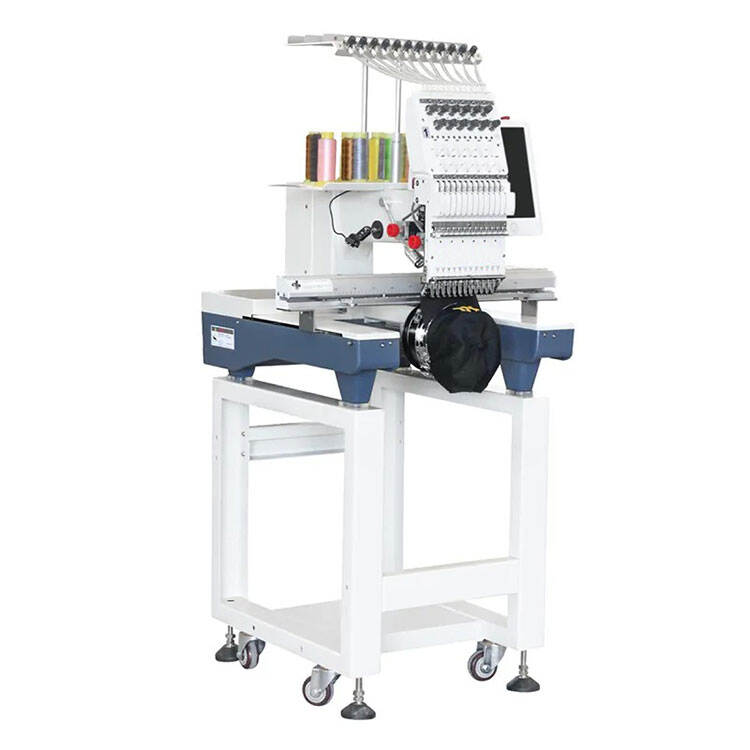
Modern textile businesses require advanced solutions that can adapt to changing market demands and production requirements. A computerized embroidery machine represents the pinnacle of embroidery technology, offering unprecedented flexibility and precision for both commercial operations and creative entrepreneurs. These sophisticated devices combine traditional craftsmanship with cutting-edge digital technology, enabling users to create intricate designs with remarkable accuracy and consistency. The ability to customize every aspect of the embroidery process makes these machines invaluable assets for businesses seeking to differentiate themselves in competitive markets while maintaining operational efficiency and quality standards.
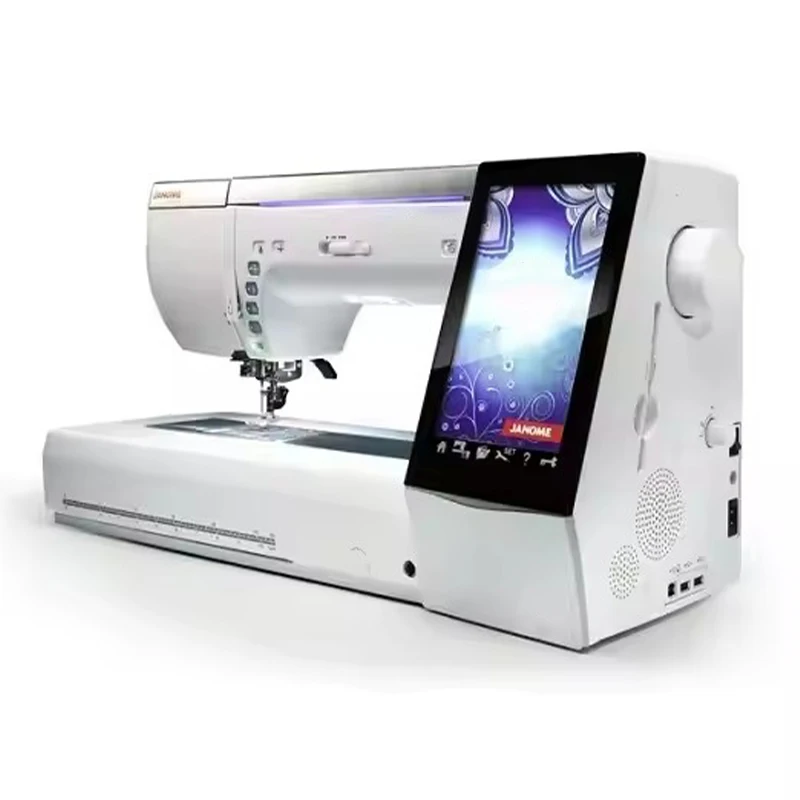
Advanced Technology Features and Capabilities
Digital Control Systems and Interface Design
The heart of any computerized embroidery machine lies in its sophisticated digital control system, which provides users with intuitive interfaces for managing complex embroidery projects. Modern systems feature touchscreen displays that allow operators to preview designs, adjust stitch parameters, and monitor progress in real-time. These interfaces typically include comprehensive libraries of built-in patterns, fonts, and decorative elements that can be customized according to specific project requirements. The digital nature of these controls ensures consistent reproduction of designs across multiple items, eliminating the variability inherent in manual embroidery processes.
Advanced control systems also incorporate automated threading mechanisms, tension adjustment capabilities, and intelligent error detection features that minimize downtime and material waste. Many computerized embroidery machines include connectivity options such as USB ports, network interfaces, and wireless capabilities that enable seamless integration with design software and production management systems. This technological sophistication allows operators to manage multiple projects simultaneously while maintaining precise control over every aspect of the embroidery process.
Precision Stitching and Quality Assurance
The precision capabilities of a computerized embroidery machine far exceed those of traditional manual methods, delivering consistent stitch quality across extensive production runs. These machines utilize servo motors and encoder systems that provide exact positioning accuracy, typically within fractions of a millimeter. This level of precision enables the creation of intricate designs featuring fine details, complex color gradients, and multi-layered compositions that would be impossible to achieve consistently through manual techniques.
Quality assurance features integrated into computerized systems include automatic thread trimming, jump stitch optimization, and density compensation algorithms that adjust stitch parameters based on fabric characteristics. These capabilities ensure that every embroidered item meets specified quality standards while minimizing material consumption and production time. The computerized embroidery machine continuously monitors thread tension, needle position, and fabric movement to detect and correct potential issues before they affect the final product quality.
Customization Options and Versatility
Design Software Integration and Pattern Development
One of the most significant advantages of modern computerized embroidery machines is their seamless integration with professional design software platforms. These systems support multiple file formats including industry-standard formats such as DST, PES, and JEF, enabling users to import designs from various sources or create original patterns using specialized embroidery software. The ability to digitize artwork, logos, and custom graphics transforms any visual concept into executable embroidery instructions that the machine can interpret and reproduce accurately.
Advanced customization features allow users to modify existing designs by adjusting colors, scaling dimensions, adding text elements, or combining multiple patterns into complex compositions. The computerized embroidery machine can store hundreds of custom designs in its memory, enabling quick access to frequently used patterns and reducing setup time for repeat orders. This flexibility in design management makes these machines particularly valuable for businesses that serve diverse clienteles with varying aesthetic preferences and branding requirements.
Multi-Format Compatibility and Production Flexibility
The versatility of a computerized embroidery machine extends beyond design capabilities to encompass various fabric types, thread materials, and production formats. These machines can accommodate everything from lightweight synthetic materials to heavy denim and leather, adjusting their operational parameters automatically based on fabric characteristics. Thread compatibility includes standard polyester and cotton threads, metallic threads, specialty fibers, and even unconventional materials such as glow-in-the-dark or reflective threads.
Production flexibility features enable users to work with different hoop sizes, from small patches suitable for logos and monograms to large formats appropriate for jacket backs and decorative panels. Many computerized embroidery machines support automatic hoop changes or multi-position hooping systems that allow continuous production without operator intervention. This adaptability makes these machines suitable for diverse applications ranging from fashion and apparel decoration to promotional products, home textiles, and industrial applications requiring durable embroidered components.
Business Growth and Revenue Opportunities
Market Expansion and Service Diversification
Investing in a computerized embroidery machine opens numerous avenues for business expansion and revenue diversification that would be difficult to achieve through manual methods alone. The precision and consistency of computerized systems enable businesses to target premium market segments that demand high-quality embroidered products with complex designs and exact specifications. This capability is particularly valuable for corporate clients requiring branded merchandise, uniforms with detailed logos, or promotional items with intricate decorative elements.
The versatility of computerized embroidery machines allows businesses to serve multiple market niches simultaneously, from fashion and apparel to home décor and personalized gifts. Custom embroidery services for wedding accessories, sports team uniforms, military insignia, and medical scrubs represent lucrative market segments that value quality and precision over cost considerations. The ability to produce small batch runs economically makes these machines ideal for personalized products and limited edition items that command premium pricing.
Operational Efficiency and Cost Management
The operational efficiency gains achieved through computerized embroidery technology translate directly into improved profit margins and competitive advantages. Automated processes reduce labor costs while increasing production throughput, enabling businesses to handle larger order volumes without proportional increases in staffing requirements. The computerized embroidery machine optimizes thread usage, minimizes material waste, and reduces rework costs through consistent quality output and automated error detection capabilities.
Long-term cost benefits include reduced maintenance requirements compared to mechanical systems, lower training costs due to intuitive digital interfaces, and improved inventory management through precise material consumption tracking. Energy efficiency features incorporated into modern computerized embroidery machines contribute to reduced operational expenses while supporting environmental sustainability initiatives. These economic advantages enable businesses to offer competitive pricing while maintaining healthy profit margins, facilitating sustainable growth and market expansion opportunities.
Technical Specifications and Performance Metrics
Speed and Productivity Characteristics
Modern computerized embroidery machines deliver impressive performance metrics that significantly exceed manual production capabilities while maintaining exceptional quality standards. Typical stitching speeds range from 400 to 1,500 stitches per minute, depending on design complexity and fabric characteristics. These machines automatically adjust their operating speed based on stitch type, thread tension requirements, and fabric movement patterns to ensure optimal results without compromising quality or causing thread breaks.
Productivity features include automatic color changes that eliminate manual intervention during multi-color designs, reducing production time and operator fatigue. The computerized embroidery machine can typically handle designs containing dozens of color changes while maintaining precise registration and consistent stitch quality throughout the entire process. Advanced models incorporate predictive maintenance features that monitor component wear and performance parameters to schedule maintenance activities during planned downtime, maximizing productive operating hours.
Durability and Reliability Standards
The construction quality and reliability standards of computerized embroidery machines reflect their intended role as production equipment capable of operating continuously in demanding commercial environments. Heavy-duty frames constructed from cast iron or reinforced steel provide the stability necessary for precise stitching at high speeds while minimizing vibration and mechanical stress. Critical components such as motors, drive systems, and control electronics are designed to withstand millions of operating cycles with minimal maintenance requirements.
Reliability features include redundant safety systems that protect both equipment and operators from potential hazards, comprehensive diagnostic capabilities that identify potential issues before they cause failures, and modular component designs that facilitate rapid repair and maintenance procedures. The computerized embroidery machine typically includes warranty coverage and technical support programs that ensure continued operation and performance optimization throughout its service life, protecting the investment and supporting business continuity requirements.
Implementation and Training Considerations
Installation Requirements and Setup Procedures
Successful implementation of a computerized embroidery machine requires careful attention to installation requirements and setup procedures that ensure optimal performance and longevity. Physical space requirements include adequate clearance around the machine for operator access, material handling, and maintenance activities. Electrical requirements typically include stable power supply with appropriate voltage regulation and grounding systems to protect sensitive electronic components from power fluctuations and electromagnetic interference.
Environmental considerations encompass temperature and humidity control systems that maintain optimal operating conditions for both mechanical components and thread materials. Proper ventilation systems remove dust and fiber particles that could affect machine performance or create health hazards for operators. The setup process includes calibration procedures that ensure accurate positioning systems, tension adjustments that optimize stitch quality for various thread and fabric combinations, and software configuration that customizes the machine operation to specific production requirements and user preferences.
Operator Training and Skill Development
Effective utilization of a computerized embroidery machine requires comprehensive operator training programs that cover both technical operation procedures and creative design principles. Initial training typically includes machine operation fundamentals, safety procedures, routine maintenance tasks, and troubleshooting techniques for common issues. Advanced training modules cover design software utilization, custom pattern development, production planning, and quality control procedures that ensure consistent output quality.
Ongoing skill development programs help operators maximize the capabilities of their computerized embroidery machine while staying current with industry trends and technological advances. These programs often include workshops on new techniques, software updates, and specialty applications that expand the range of services and products that can be produced. Investment in comprehensive training programs typically yields significant returns through improved productivity, reduced material waste, and enhanced product quality that supports premium pricing strategies and customer satisfaction.
FAQ
What are the main advantages of choosing a computerized embroidery machine over traditional manual methods
A computerized embroidery machine offers numerous advantages over manual methods, including consistent stitch quality, precise pattern reproduction, automated color changes, and significantly higher production speeds. The digital control systems eliminate human variability and enable complex designs that would be impossible to achieve manually. Additionally, computerized systems provide better material utilization, reduced labor costs, and the ability to store and recall custom designs instantly, making them essential for professional embroidery operations seeking efficiency and quality.
How difficult is it to learn to operate a computerized embroidery machine for beginners
Modern computerized embroidery machines are designed with user-friendly interfaces that make them accessible to beginners while offering advanced features for experienced operators. Most users can learn basic operation within a few days of training, including loading designs, setting up materials, and monitoring production. However, mastering advanced features such as custom design creation, complex multi-color projects, and troubleshooting requires additional training and experience. Manufacturers typically provide comprehensive training materials and support programs to facilitate the learning process.
What types of businesses benefit most from investing in a computerized embroidery machine
Businesses that benefit most from computerized embroidery machines include apparel manufacturers, custom embroidery services, promotional product companies, uniform suppliers, and specialty textile producers. These machines are particularly valuable for businesses serving corporate clients requiring branded merchandise, sports teams needing custom uniforms, or markets demanding personalized products. The versatility and quality capabilities of computerized systems make them suitable for both high-volume production and custom small-batch orders, providing flexibility to serve diverse market segments effectively.
What ongoing maintenance and support requirements should be expected with a computerized embroidery machine
Regular maintenance for a computerized embroidery machine includes cleaning and lubricating mechanical components, updating software, calibrating positioning systems, and replacing consumable parts such as needles and bobbins. Most manufacturers recommend professional service annually or after specified operating hours to ensure optimal performance. Technical support typically includes phone and online assistance, software updates, replacement parts availability, and training resources. Proper maintenance extends machine life, maintains quality standards, and prevents costly downtime, making it a critical investment consideration for business operations.
Table of Contents
- Advanced Technology Features and Capabilities
- Customization Options and Versatility
- Business Growth and Revenue Opportunities
- Technical Specifications and Performance Metrics
- Implementation and Training Considerations
-
FAQ
- What are the main advantages of choosing a computerized embroidery machine over traditional manual methods
- How difficult is it to learn to operate a computerized embroidery machine for beginners
- What types of businesses benefit most from investing in a computerized embroidery machine
- What ongoing maintenance and support requirements should be expected with a computerized embroidery machine