

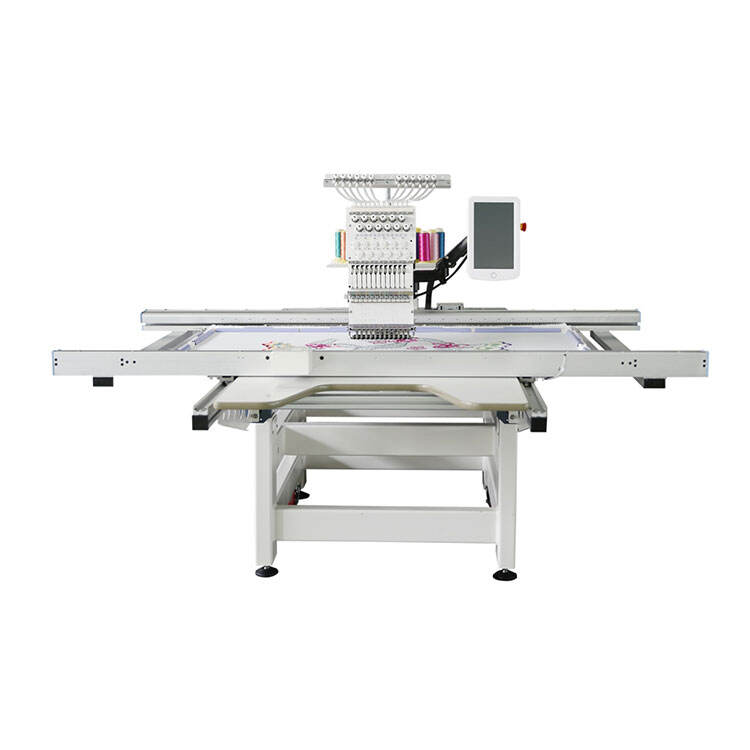
In today's fast-paced manufacturing environment, the demand for continuous production has never been higher. Industries across the globe rely on advanced machinery that can operate around the clock without compromising quality or efficiency. The computerized embroidery machine represents a pinnacle of engineering excellence, designed to meet the rigorous demands of modern textile manufacturing while maintaining exceptional reliability and precision throughout extended operational periods.
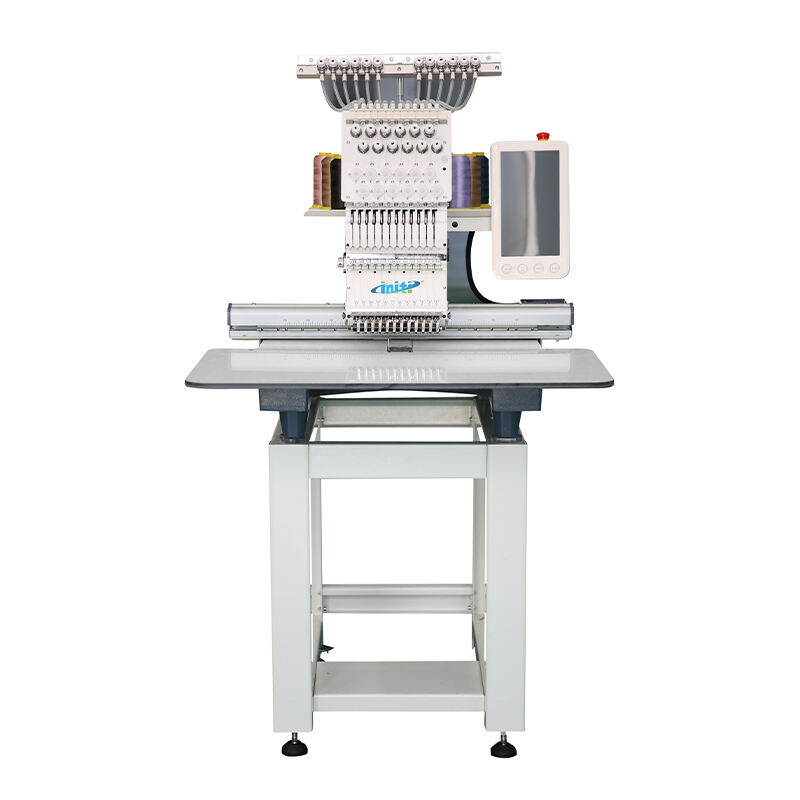
Modern manufacturing facilities require equipment that can sustain continuous operation while delivering consistent results. The evolution of computerized machinery has revolutionized how businesses approach production scheduling and quality control. These sophisticated systems incorporate multiple layers of redundancy and fail-safe mechanisms that ensure uninterrupted operation even when individual components require maintenance or replacement.
The economic impact of reliable machinery cannot be overstated. When a computerized embroidery machine operates seamlessly for extended periods, it directly translates to increased production output, reduced labor costs, and improved profit margins. Manufacturers who invest in stable, high-quality equipment often see returns on investment within the first year of operation, particularly when these machines can run multiple shifts without significant downtime.
Advanced Control Systems and Automation
Precision Motor Technology
The heart of any reliable computerized embroidery machine lies in its motor control system. Advanced servo motors provide exceptional precision while maintaining energy efficiency throughout long operational cycles. These motors incorporate sophisticated feedback mechanisms that constantly monitor position, speed, and torque, ensuring that each stitch is placed with microscopic accuracy regardless of how long the machine has been running.
Temperature management within motor systems plays a crucial role in maintaining consistent performance. High-quality machines feature advanced cooling systems that regulate motor temperature, preventing thermal drift that could affect stitch quality over time. This thermal stability is particularly important during 24-hour production runs where ambient temperatures may fluctuate significantly.
Modern motor controllers also feature adaptive algorithms that learn from operational patterns and automatically adjust parameters to optimize performance. This intelligence allows the computerized embroidery machine to maintain peak efficiency even as components experience normal wear over thousands of operating hours.
Intelligent Monitoring Systems
Contemporary machinery incorporates comprehensive monitoring systems that track hundreds of operational parameters simultaneously. These systems provide real-time feedback on machine health, allowing operators to identify potential issues before they result in costly downtime. Predictive maintenance algorithms analyze historical data to forecast when components may require service or replacement.
Remote monitoring capabilities enable facility managers to oversee multiple machines from a centralized location. This connectivity allows for immediate response to any anomalies, ensuring that production continues smoothly even during unmanned shifts. The integration of IoT technology has made it possible to monitor machine performance from anywhere in the world, providing unprecedented visibility into manufacturing operations.
Data logging features capture detailed information about every aspect of machine operation, creating valuable insights for process optimization. This information helps manufacturers identify patterns that lead to improved efficiency and reduced maintenance costs over the long term.
Mechanical Reliability and Durability
Robust Frame Construction
The foundation of any dependable computerized embroidery machine begins with its mechanical structure. Premium machines feature heavy-duty frames constructed from high-grade steel or aluminum alloys that resist vibration and maintain dimensional stability under continuous operation. This structural integrity ensures that stitch quality remains consistent even after millions of cycles.
Vibration dampening systems integrated into the frame design minimize the transmission of mechanical noise and movement to surrounding equipment. This isolation not only improves the working environment but also reduces wear on precision components, extending the overall service life of the machine significantly.
The frame geometry is optimized through advanced computer modeling to distribute operational stresses evenly throughout the structure. This engineering approach prevents stress concentration points that could lead to premature failure or accuracy degradation over time.
High-Quality Component Selection
Manufacturers of reliable computerized embroidery machines prioritize component selection, choosing parts that exceed standard specifications for durability and performance. Bearings, guides, and drive components are selected based on their ability to maintain precise tolerances throughout extended operational periods without requiring frequent adjustment or replacement.
Lubrication systems in premium machines feature automatic dispensing mechanisms that ensure critical components receive proper lubrication at predetermined intervals. This automation eliminates the risk of human error in maintenance procedures while ensuring optimal component life and performance consistency.
Quality control processes during manufacturing ensure that every component meets strict specifications before assembly. This attention to detail during production significantly reduces the likelihood of early failures and contributes to the overall reliability of the finished machine.
Software Integration and User Interface
Intuitive Control Software
Modern computerized embroidery machines feature sophisticated software platforms that simplify operation while providing extensive customization capabilities. These systems offer user-friendly interfaces that reduce training time for operators while providing access to advanced features for experienced users. The software handles complex calculations automatically, ensuring optimal thread tension, stitch density, and speed settings for different fabric types and design requirements.
Automatic thread break detection and recovery systems minimize production interruptions by immediately identifying and addressing thread-related issues. When a thread break occurs, the computerized embroidery machine automatically stops, repositions to the break location, and awaits operator intervention, preventing damaged work pieces and material waste.
Design editing capabilities built into the control software allow operators to make real-time adjustments to embroidery patterns without interrupting production. This flexibility enables quick responses to customer requests or quality improvements without requiring external design software or lengthy setup procedures.
Network Connectivity and Data Management
Integration with enterprise resource planning systems enables seamless workflow management from order entry through production completion. The computerized embroidery machine can receive job instructions directly from planning software, automatically configure settings, and report production progress in real-time.
Cloud-based data storage ensures that design files and production parameters are safely backed up and accessible from multiple locations. This redundancy protects against data loss while enabling consistent production across multiple facilities or shifts.
Production analytics generated by the software platform provide valuable insights into efficiency trends, quality metrics, and maintenance requirements. This information supports data-driven decision making for process improvements and capacity planning.
Maintenance and Service Considerations
Preventive Maintenance Protocols
Establishing comprehensive preventive maintenance schedules is essential for ensuring reliable 24-hour operation of computerized embroidery machines. These protocols should include daily, weekly, monthly, and annual maintenance tasks that address all critical system components. Regular maintenance not only prevents unexpected breakdowns but also ensures that the machine continues to produce high-quality results throughout its operational life.
Maintenance scheduling software can automatically generate work orders and track completion of required tasks. This systematic approach ensures that no critical maintenance items are overlooked while providing documentation for warranty compliance and quality certification requirements.
Training programs for maintenance personnel should cover both routine maintenance procedures and troubleshooting techniques for common issues. Well-trained staff can often resolve minor problems quickly, minimizing production disruptions and reducing the need for external service calls.
Spare Parts Management
Maintaining an appropriate inventory of critical spare parts is essential for minimizing downtime when repairs are necessary. The selection of spare parts should be based on failure analysis data and manufacturer recommendations, focusing on components that are most likely to require replacement during normal operation.
Partnerships with equipment manufacturers or authorized service providers can ensure rapid access to specialized components that may not be practical to stock locally. These relationships often include technical support services that can assist with complex repairs or troubleshooting procedures.
Inventory management systems should track part usage patterns and automatically generate reorder notifications when stock levels fall below predetermined minimums. This proactive approach prevents situations where critical repairs are delayed due to parts availability.
Quality Control and Consistency
Automated Quality Monitoring
Advanced computerized embroidery machines incorporate quality monitoring systems that continuously evaluate stitch formation and pattern accuracy during production. These systems use various sensors and imaging technologies to detect deviations from specified parameters and alert operators to potential quality issues before they affect finished products.
Statistical process control algorithms analyze quality data in real-time, identifying trends that may indicate developing problems with machine performance or material quality. This early warning capability enables proactive adjustments that maintain consistent output quality throughout extended production runs.
Automatic calibration systems ensure that the computerized embroidery machine maintains proper alignment and tension settings over time. These systems perform self-checks at regular intervals and make minor adjustments as needed to compensate for normal wear and environmental changes.
Consistency Across Multiple Shifts
Standardized operating procedures ensure that machine setup and operation remain consistent regardless of which operator is running the equipment. Documentation of all critical parameters and settings enables smooth transitions between shifts while maintaining production quality standards.
Operator training programs should emphasize the importance of following established procedures and recognizing signs of potential quality issues. Regular refresher training helps maintain skill levels and introduces operators to new features or procedures as they become available.
Quality audit procedures should include regular inspections of finished products from all shifts to ensure that standards are being maintained consistently. This feedback helps identify training needs and process improvements that can enhance overall production quality.
Energy Efficiency and Environmental Considerations
Power Management Systems
Modern computerized embroidery machines incorporate sophisticated power management systems that optimize energy consumption without compromising performance. These systems automatically adjust power levels based on operational requirements, reducing energy usage during idle periods while maintaining readiness for immediate production resumption.
Regenerative braking systems capture energy during deceleration phases and return it to the power supply, improving overall system efficiency. This technology is particularly beneficial in applications requiring frequent speed changes or positioning movements throughout the embroidery process.
LED lighting systems provide excellent visibility while consuming significantly less energy than traditional lighting options. These systems also generate less heat, contributing to a more comfortable working environment and reducing cooling requirements for the facility.
Environmental Impact Reduction
Efficient material utilization features in computerized embroidery machines minimize waste generation while maximizing fabric and thread usage. Advanced nesting algorithms optimize pattern placement to reduce material consumption, while precision cutting systems ensure clean edges that require minimal finishing work.
Noise reduction technologies incorporated into machine design create quieter working environments that comply with occupational health and safety regulations. These improvements benefit both worker comfort and community relations, particularly important for facilities operating during night shifts.
Recyclable component selection and end-of-life planning help reduce the environmental impact of equipment replacement cycles. Manufacturers increasingly focus on designing machines with components that can be easily separated and recycled when the equipment reaches the end of its useful life.
FAQ
What maintenance schedule should be followed for continuous operation of computerized embroidery machines
For 24-hour operation, computerized embroidery machines require daily cleaning and lubrication checks, weekly inspection of critical components like belts and bearings, monthly calibration of positioning systems, and quarterly comprehensive service including software updates. The specific schedule may vary based on production volume and environmental conditions, but following manufacturer recommendations ensures optimal performance and longevity.
How do quality control systems maintain consistency during unmanned shifts
Modern computerized embroidery machines use automated monitoring systems that track stitch quality, thread tension, and pattern accuracy continuously. These systems can detect anomalies and automatically stop production when issues arise, preventing defective products. Remote monitoring capabilities allow supervisors to check machine status and receive alerts even when not physically present, ensuring consistent quality standards across all operating shifts.
What factors contribute most to the reliability of computerized embroidery machines during extended operation
Key reliability factors include robust mechanical construction with high-quality bearings and guides, advanced motor control systems with thermal management, comprehensive monitoring software that provides predictive maintenance alerts, and proper preventive maintenance protocols. Component selection, operator training, and environmental controls also play crucial roles in maintaining reliable operation during continuous production cycles.
How can energy costs be minimized while maintaining 24-hour production schedules
Energy optimization strategies include using computerized embroidery machines with advanced power management systems, implementing variable speed drives that adjust power consumption based on workload, maintaining proper facility temperature and lighting controls, and scheduling energy-intensive operations during off-peak rate periods when possible. Regular maintenance also ensures that machines operate at peak efficiency, reducing unnecessary energy consumption due to mechanical issues or poor calibration.
Table of Contents
- Advanced Control Systems and Automation
- Mechanical Reliability and Durability
- Software Integration and User Interface
- Maintenance and Service Considerations
- Quality Control and Consistency
- Energy Efficiency and Environmental Considerations
-
FAQ
- What maintenance schedule should be followed for continuous operation of computerized embroidery machines
- How do quality control systems maintain consistency during unmanned shifts
- What factors contribute most to the reliability of computerized embroidery machines during extended operation
- How can energy costs be minimized while maintaining 24-hour production schedules