

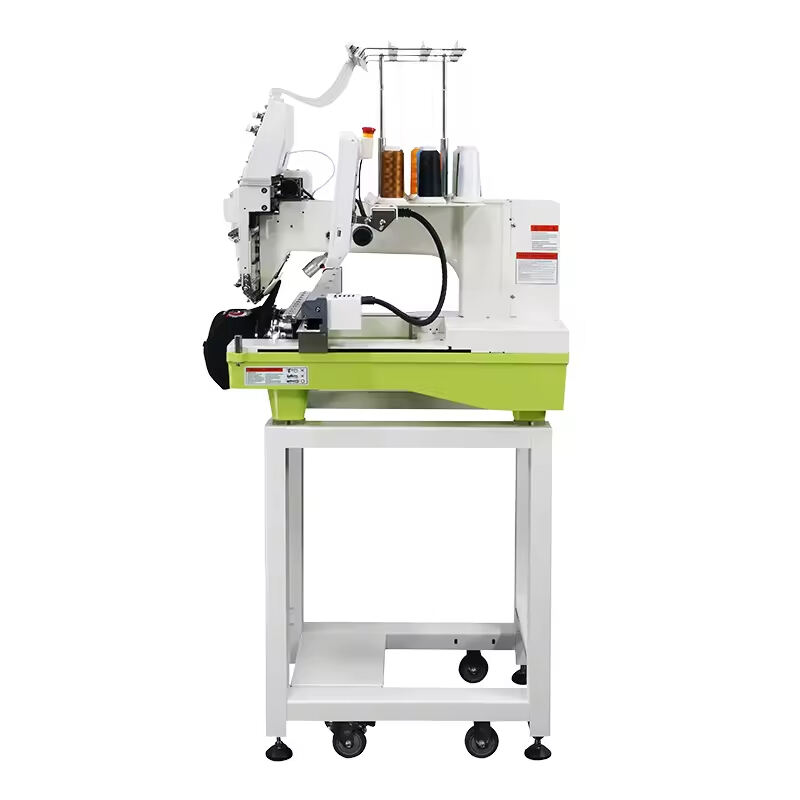
In today's competitive textile and fashion industry, acquiring high-quality equipment at optimal prices can make the difference between profit and loss. When businesses consider expanding their production capabilities with computerized embroidery machines, bulk purchasing strategies become essential for maximizing return on investment. Understanding the intricacies of negotiating favorable deals requires comprehensive knowledge of market dynamics, supplier relationships, and strategic timing. Manufacturing companies, custom apparel businesses, and embroidery service providers increasingly rely on computerized embroidery machine technology to meet growing demand while maintaining competitive pricing structures.
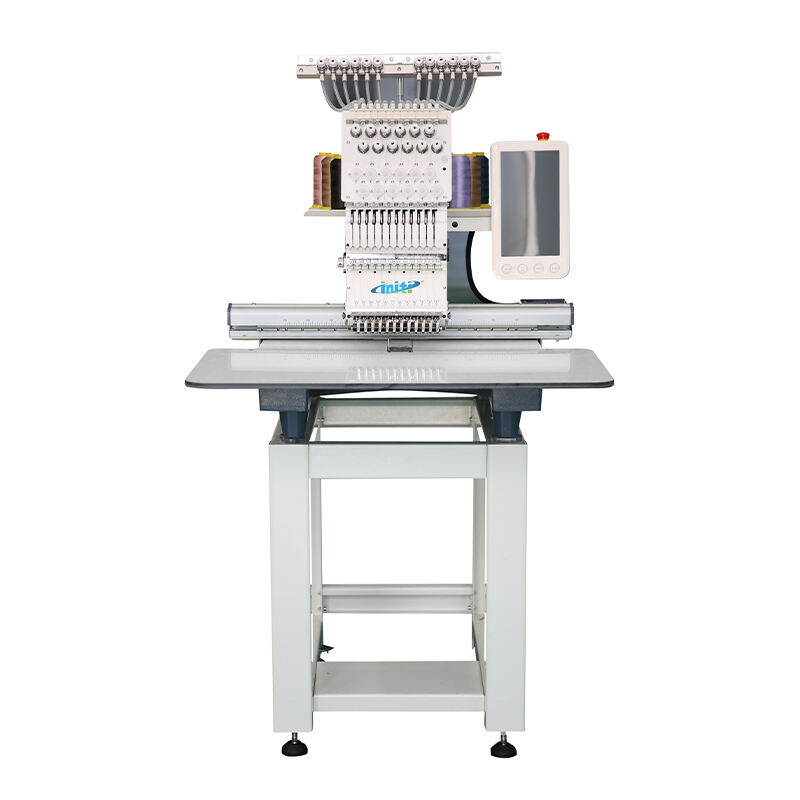
Understanding Market Dynamics for Computerized Embroidery Equipment
Industry Trends Affecting Pricing
The computerized embroidery machine market experiences cyclical fluctuations influenced by seasonal demand, technological advancements, and global manufacturing trends. Peak purchasing periods typically occur during late summer and early fall when businesses prepare for holiday production cycles. Understanding these patterns allows buyers to time their negotiations strategically, leveraging market conditions to secure better pricing on computerized embroidery machine packages.
Technological evolution also impacts pricing structures significantly. As manufacturers introduce newer models with enhanced features, previous generation computerized embroidery machine inventory often becomes available at reduced prices. Smart buyers monitor product release cycles and position their bulk purchases to capitalize on these transitions, securing quality equipment while optimizing budget allocation.
Supplier Landscape Analysis
The global computerized embroidery machine supply chain encompasses various tiers of manufacturers, distributors, and regional dealers. Direct manufacturer relationships typically offer the most competitive pricing for bulk orders, while regional distributors may provide superior service and support advantages. Evaluating supplier capabilities includes assessing their production capacity, quality control standards, and financial stability to ensure reliable partnership agreements.
Regional variations in supplier pricing reflect local market conditions, currency fluctuations, and transportation costs. Businesses seeking computerized embroidery machine bulk purchases should evaluate multiple supplier options across different geographic regions to identify optimal pricing opportunities while considering total cost of ownership factors including shipping, installation, and ongoing support requirements.
Strategic Preparation for Bulk Negotiations
Requirements Assessment and Specifications
Successful bulk purchasing begins with comprehensive requirements analysis that defines exact computerized embroidery machine specifications, quantities, and timeline expectations. Detailed specifications should include embroidery field sizes, stitch speeds, thread compatibility, software requirements, and connectivity features essential for operational integration. Clear requirements documentation strengthens negotiating positions and prevents scope creep during procurement processes.
Volume planning requires careful consideration of current capacity needs, projected growth, and operational scalability requirements. Computerized embroidery machine buyers should analyze production forecasts, client pipeline projections, and market expansion opportunities to determine optimal purchase quantities that balance immediate needs with future flexibility while maximizing volume discount opportunities.
Financial Planning and Budget Optimization
Establishing realistic budget parameters involves comprehensive cost analysis beyond initial equipment pricing. Total cost considerations for computerized embroidery machine acquisitions include transportation, installation, training, software licensing, warranty extensions, and maintenance agreements. Detailed financial planning enables more effective negotiations by clearly defining acceptable price ranges and payment terms that align with cash flow requirements.
Alternative financing options can enhance negotiating flexibility and improve overall deal economics. Many computerized embroidery machine suppliers offer leasing programs, extended payment terms, or trade-in allowances that may provide more favorable total cost structures than traditional cash purchases, particularly for large volume orders requiring significant capital investment.
Effective Negotiation Strategies and Tactics
Volume Leverage and Quantity Discounts
Bulk purchasing power represents the primary advantage in computerized embroidery machine negotiations, enabling buyers to secure significant per-unit cost reductions through volume commitments. Effective leverage requires demonstrating serious purchase intent through detailed specifications, realistic timelines, and preliminary approval documentation. Buyers should research typical volume discount structures to establish reasonable expectations and identify negotiation starting points.
Multi-phase purchasing agreements can maximize volume benefits while managing cash flow constraints. Structured deals allowing phased delivery of computerized embroidery machine orders over extended periods can qualify for bulk pricing while spreading financial commitments across multiple budget cycles, providing operational flexibility and reduced financial risk.
Value-Added Services and Package Deals
Beyond base pricing negotiations, computerized embroidery machine buyers should pursue comprehensive packages including training, software, consumables, and support services. Bundled offerings often provide superior overall value compared to individual component purchases while simplifying vendor management and ensuring compatibility across all system elements.
Extended warranty coverage, preventive maintenance programs, and technical support agreements add substantial value to computerized embroidery machine purchases. Negotiating these services as package components rather than separate purchases typically results in more favorable pricing and ensures comprehensive coverage for critical production equipment investments.
Timing and Market Conditions
Seasonal Purchase Optimization
Strategic timing significantly impacts computerized embroidery machine pricing and availability. End-of-fiscal-year periods often present optimal negotiating opportunities as suppliers work to achieve sales targets and clear inventory. Understanding supplier business cycles enables buyers to time their approaches for maximum negotiating advantage while securing priority delivery scheduling.
Trade show seasons and industry exhibitions create concentrated negotiating opportunities where multiple suppliers compete directly for buyer attention. These events often feature special pricing promotions and package deals unavailable through normal sales channels, making them valuable venues for computerized embroidery machine bulk purchase discussions.
Economic Factors and Currency Considerations
Global economic conditions influence computerized embroidery machine pricing through currency fluctuations, raw material costs, and international trade policies. Buyers should monitor economic indicators and consider timing purchases to capitalize on favorable exchange rates or avoid periods of market volatility that may increase equipment costs.
Regional economic incentives, tax advantages, and government programs may provide additional cost benefits for computerized embroidery machine acquisitions. Researching available incentive programs and timing purchases to maximize these benefits can significantly improve overall deal economics and reduce total ownership costs.
Contract Terms and Risk Management
Payment Terms and Financial Protection
Negotiating favorable payment terms provides cash flow advantages and risk mitigation for large computerized embroidery machine purchases. Extended payment schedules, progress-based payments tied to delivery milestones, and performance guarantees protect buyer interests while maintaining supplier cash flow requirements. Clear payment terms should specify delivery conditions, acceptance criteria, and dispute resolution procedures.
Letters of credit, payment bonds, and performance guarantees provide additional security for substantial computerized embroidery machine investments. These financial instruments protect against supplier default, delivery delays, or performance issues while demonstrating buyer credibility and commitment to serious suppliers during negotiations.
Quality Assurance and Performance Standards
Comprehensive quality specifications ensure computerized embroidery machine deliveries meet operational requirements and performance expectations. Detailed acceptance criteria should include precision standards, speed requirements, reliability metrics, and software functionality requirements that enable objective evaluation of delivered equipment against contracted specifications.
Performance guarantees and remedy provisions protect against substandard computerized embroidery machine deliveries while providing clear resolution pathways for quality issues. Well-defined remedies including repair, replacement, or refund options ensure buyer protection and encourage supplier accountability throughout the delivery and installation process.
Long-term Partnership Development
Supplier Relationship Building
Developing strategic partnerships with computerized embroidery machine suppliers creates ongoing value beyond initial purchase negotiations. Long-term relationships enable preferential pricing, priority support, early access to new technologies, and collaborative product development opportunities that benefit both parties while reducing future procurement costs.
Regular communication, feedback sharing, and mutual business planning strengthen supplier relationships and create foundation for future negotiations. Computerized embroidery machine suppliers value predictable business relationships and often provide enhanced terms and conditions for reliable, long-term customers who demonstrate consistent purchase patterns and payment reliability.
Future Expansion Planning
Initial bulk purchases should consider future expansion requirements and establish framework agreements for additional computerized embroidery machine acquisitions. Master purchase agreements with predetermined pricing structures, specifications, and delivery terms streamline future procurements while ensuring consistent pricing and service levels across multiple purchase cycles.
Technology roadmap alignment between buyers and suppliers ensures future computerized embroidery machine purchases remain compatible with existing equipment and operational processes. Forward-looking agreements that address technology evolution, upgrade paths, and obsolescence protection provide long-term value and operational continuity for expanding businesses.
FAQ
What quantity qualifies for bulk pricing on computerized embroidery machines
Most suppliers consider orders of five or more units as qualifying for volume discounts, though significant savings typically begin at ten units or higher. The exact threshold varies by manufacturer and model, with some offering tiered pricing structures that provide increasing discounts at 5, 10, 20, and 50+ unit levels.
How much can businesses save through bulk computerized embroidery machine purchases
Volume discounts typically range from 10-30% depending on quantity, with larger orders achieving greater savings. Additional value comes from bundled services, extended warranties, and training packages that may not be available with single-unit purchases, potentially increasing total savings to 40% or more.
What is the typical lead time for bulk computerized embroidery machine orders
Lead times vary from 4-16 weeks depending on quantity, customization requirements, and manufacturer capacity. Standard configurations typically ship faster than customized units, while very large orders may require extended production schedules to ensure quality and proper testing of all equipment.
Are financing options available for bulk computerized embroidery machine purchases
Most manufacturers and distributors offer various financing solutions including leasing programs, extended payment terms, and equipment loans. These options often provide tax advantages and improved cash flow management while enabling businesses to acquire necessary equipment without large upfront capital investments.
Table of Contents
- Understanding Market Dynamics for Computerized Embroidery Equipment
- Strategic Preparation for Bulk Negotiations
- Effective Negotiation Strategies and Tactics
- Timing and Market Conditions
- Contract Terms and Risk Management
- Long-term Partnership Development
-
FAQ
- What quantity qualifies for bulk pricing on computerized embroidery machines
- How much can businesses save through bulk computerized embroidery machine purchases
- What is the typical lead time for bulk computerized embroidery machine orders
- Are financing options available for bulk computerized embroidery machine purchases