

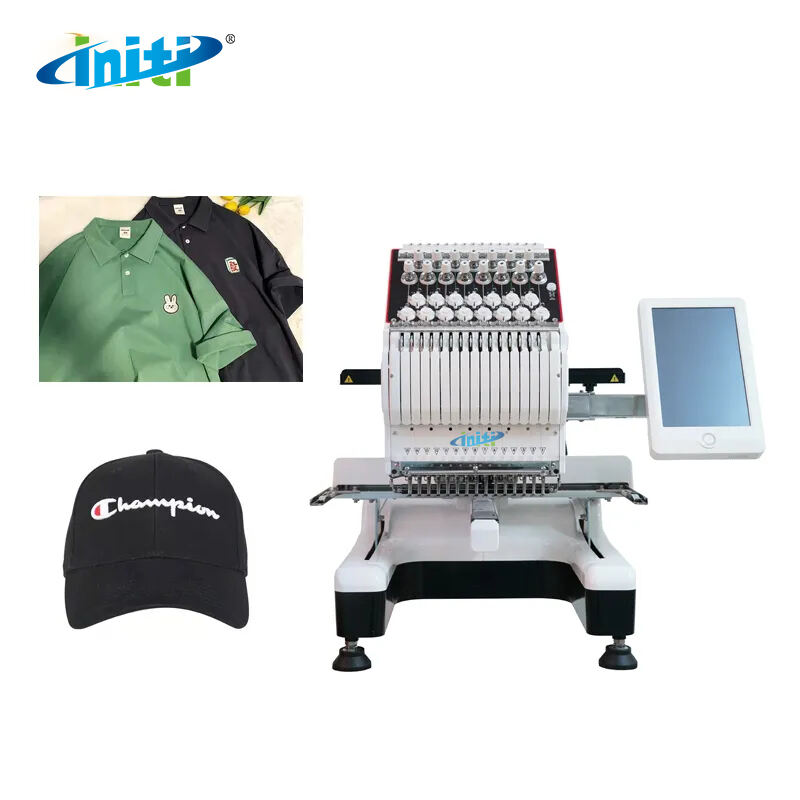
Manufacturing facilities specializing in textile embellishment have evolved dramatically over the past decade, with modern production lines incorporating advanced automation and precision engineering. At the heart of these operations lies sophisticated equipment designed to transform plain fabrics into intricate works of art. Understanding how these manufacturing environments function provides valuable insights into industrial efficiency, quality control protocols, and the technological innovations driving the embroidery industry forward. Factory operations require seamless coordination between mechanical systems, human expertise, and quality assurance processes to deliver consistent results at commercial scale.
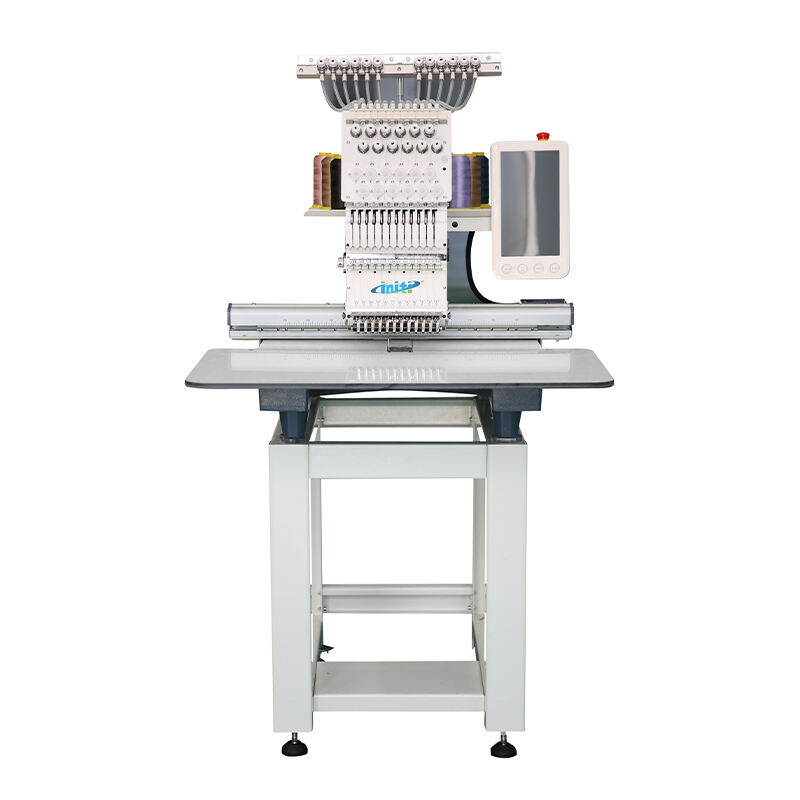
Production Line Architecture and Workflow Management
Equipment Layout and Station Configuration
The physical arrangement of production equipment directly impacts operational efficiency and worker productivity within embroidery manufacturing facilities. Strategic positioning of each single head embroidery machine creates optimal workflow patterns while minimizing material handling time between processing stages. Industrial engineers carefully calculate spacing requirements to accommodate fabric movement, thread supply systems, and maintenance access corridors. The layout typically follows a linear progression from material preparation through final quality inspection, ensuring logical product flow without bottlenecks or backtracking.
Each workstation integrates seamlessly with adjacent operations, creating a cohesive production environment where materials move efficiently from raw fabric input to finished embroidered products. Overhead thread supply systems eliminate floor-level obstacles while providing consistent tension control across multiple machines. Environmental factors such as lighting, ventilation, and temperature control are carefully managed to maintain optimal operating conditions for both equipment performance and worker comfort throughout extended production shifts.
Digital Design Integration Systems
Modern embroidery factories utilize sophisticated computer networks to manage design files, production schedules, and machine programming across entire production floors. Central servers store thousands of embroidery patterns, automatically distributing specific designs to individual machines based on production orders and scheduling algorithms. This digital infrastructure enables rapid pattern changes, reduces setup times, and maintains consistent quality standards across all production units operating simultaneously within the facility.
The integration between design software and production hardware eliminates manual programming steps that previously consumed significant setup time. Automated file conversion ensures pattern compatibility while built-in verification systems detect potential stitching errors before production begins. Real-time monitoring displays track machine status, thread consumption, and production progress, providing supervisors with comprehensive oversight of all operational parameters throughout each production cycle.
Quality Control and Inspection Protocols
Automated Monitoring Systems
Contemporary embroidery facilities employ advanced sensor technology to monitor stitch quality, thread tension, and fabric alignment throughout the production process. These monitoring systems continuously analyze embroidery parameters, automatically adjusting machine settings to maintain consistent output quality without human intervention. When deviations occur, immediate alerts notify operators while the system logs detailed information for process improvement analysis and preventive maintenance scheduling.
Each single head embroidery machine incorporates multiple feedback sensors that monitor needle position, thread path integrity, and fabric tension in real-time. Advanced algorithms process this sensor data to predict potential quality issues before they affect finished products, enabling proactive adjustments that prevent defective output. The system maintains detailed production logs that support continuous improvement initiatives and provide traceability information for quality certifications and customer requirements.
Manual Inspection and Final Verification
Despite extensive automation, skilled human inspectors remain essential for final quality verification and aesthetic evaluation of completed embroidery work. These experienced professionals examine stitch density, color matching, and overall appearance using standardized criteria developed through years of industry experience. Their expertise identifies subtle quality variations that automated systems might overlook, ensuring that only products meeting the highest standards reach customers and maintain the factory's reputation for excellence.
The inspection process follows documented procedures that address common quality concerns such as thread breaks, puckering, registration errors, and color consistency. Inspectors use specialized tools including magnifying equipment, color matching systems, and measurement devices to verify dimensional accuracy and aesthetic compliance. Products that fail initial inspection undergo corrective processing or removal from production batches, maintaining strict quality standards while minimizing waste and rework costs.
Material Management and Supply Chain Coordination
Thread Inventory and Distribution Systems
Effective thread management requires sophisticated inventory control systems that track thousands of color variations, monitor consumption rates, and predict replenishment needs based on production forecasts. Automated dispensing systems deliver specific thread colors to individual machines while maintaining accurate inventory counts and usage statistics. This level of control prevents production delays caused by material shortages while minimizing excess inventory costs and storage requirements throughout the facility.
Thread quality standards directly impact final product appearance and durability, making supplier selection and incoming material inspection critical components of factory operations. Quality control procedures verify thread strength, colorfastness, and dimensional consistency before materials enter production inventory. Environmental storage conditions including temperature, humidity, and light exposure are carefully controlled to preserve thread quality during extended storage periods before use in single head embroidery machine operations.
Fabric Preparation and Handling Protocols
Proper fabric preparation significantly influences embroidery quality and production efficiency, requiring standardized procedures for material inspection, stabilizer application, and hooping techniques. Incoming fabrics undergo thorough examination to identify defects, verify specifications, and ensure compatibility with planned embroidery designs. Pre-treatment processes may include washing, pressing, or chemical treatments depending on fabric type and final application requirements specified by customer orders.
Stabilizer selection and application require expertise in matching backing materials to specific fabric types and embroidery designs. Different stabilizer weights, adhesive properties, and removal characteristics suit various applications from delicate silk fabrics to heavy canvas materials. Proper hooping techniques maintain consistent fabric tension while preventing distortion or damage during the embroidery process, ensuring uniform results across all production units operating within the facility.
Maintenance and Equipment Reliability Programs
Preventive Maintenance Scheduling
Comprehensive maintenance programs ensure consistent equipment performance while minimizing unexpected downtime that disrupts production schedules and delivery commitments. Scheduled maintenance intervals are based on machine operating hours, production volume, and manufacturer recommendations, with detailed procedures covering lubrication, calibration, and component replacement requirements. Maintenance technicians follow standardized checklists that address all critical systems including needle mechanisms, thread tensioning devices, and electronic control components.
Predictive maintenance technologies monitor equipment condition through vibration analysis, temperature measurements, and performance parameter tracking. This data-driven approach identifies potential problems before they cause equipment failures, allowing maintenance teams to schedule repairs during planned downtime rather than responding to emergency situations. The integration of maintenance management software coordinates scheduling across multiple single head embroidery machine units while tracking parts inventory, service histories, and performance trends that support continuous improvement initiatives.
Technical Support and Troubleshooting Capabilities
Skilled maintenance personnel possess specialized knowledge of embroidery machine mechanics, electronics, and software systems required for effective troubleshooting and repair operations. Their expertise covers mechanical adjustments, electrical diagnostics, and software configuration issues that may arise during normal production operations. Comprehensive training programs ensure technicians stay current with evolving technology while maintaining certification requirements for warranty compliance and service quality standards.
Emergency response protocols minimize production impact when equipment issues occur despite preventive maintenance efforts. Rapid diagnostic procedures quickly identify root causes while standardized repair procedures restore equipment to operational status efficiently. Backup equipment availability and cross-training programs ensure production continuity even when primary machines require extended maintenance or repair activities that exceed normal service intervals.
Production Planning and Scheduling Optimization
Order Processing and Workflow Coordination
Efficient production scheduling requires sophisticated software systems that balance customer delivery requirements with equipment capacity, material availability, and workforce scheduling constraints. Advanced algorithms optimize production sequences to minimize setup changes while maximizing throughput across all available single head embroidery machine units. This optimization considers factors such as thread color changeovers, design complexity, and fabric type transitions that impact overall production efficiency and cost effectiveness.
Customer order management systems integrate with production planning software to provide real-time visibility into order status, delivery schedules, and capacity utilization. This integration enables proactive communication with customers regarding delivery expectations while identifying opportunities for rush orders or expedited processing when capacity permits. Detailed production tracking provides accurate information for customer inquiries while supporting continuous improvement initiatives focused on cycle time reduction and quality enhancement.
Capacity Planning and Resource Allocation
Strategic capacity planning ensures adequate production resources meet projected demand while maintaining operational flexibility for seasonal variations and market changes. Analysis of historical production data, market trends, and customer forecasts guides decisions regarding equipment acquisition, workforce planning, and facility expansion requirements. This forward-looking approach prevents capacity constraints from limiting growth opportunities while avoiding excessive overhead costs during slower demand periods.
Resource allocation decisions balance equipment utilization with workforce productivity to optimize overall operational performance. Flexible scheduling arrangements accommodate varying production volumes while maintaining consistent quality standards and delivery performance. Cross-training programs develop workforce capabilities that support equipment flexibility and reduce dependency on specialized operators for specific single head embroidery machine configurations or complex design requirements.
Technology Integration and Automation Advancement
Industry 4.0 Implementation Strategies
Modern embroidery factories increasingly adopt Industry 4.0 technologies that integrate artificial intelligence, machine learning, and Internet of Things connectivity to optimize production performance. Smart manufacturing systems collect and analyze vast amounts of operational data to identify improvement opportunities, predict maintenance needs, and optimize production parameters automatically. This technological evolution transforms traditional manufacturing approaches through data-driven decision making and automated process optimization capabilities.
Connected manufacturing systems enable remote monitoring, predictive analytics, and automated quality control that significantly enhance operational efficiency and product consistency. Machine learning algorithms continuously analyze production data to identify patterns that human operators might overlook, leading to incremental improvements in quality, speed, and resource utilization. These technological capabilities position forward-thinking manufacturers to compete effectively in increasingly demanding global markets while maintaining cost competitiveness and quality leadership.
Future Technology Roadmap and Innovation Adoption
Emerging technologies including artificial intelligence, advanced robotics, and augmented reality present significant opportunities for further automation and efficiency improvements in embroidery manufacturing. Virtual reality training systems can accelerate operator skill development while reducing training costs and safety risks associated with traditional hands-on learning approaches. Advanced vision systems may eventually enable fully automated quality inspection that matches or exceeds human inspection capabilities while operating continuously without fatigue or inconsistency.
Strategic technology adoption requires careful evaluation of cost-benefit ratios, implementation timelines, and workforce impact considerations. Successful innovation adoption balances technological capabilities with practical operational requirements while maintaining focus on customer value and competitive advantage. Progressive manufacturers invest in pilot programs and proof-of-concept projects that demonstrate technology value before committing to full-scale implementation across entire production facilities and single head embroidery machine installations.
FAQ
What factors determine the optimal layout for single head embroidery machine placement in a factory setting
Factory layout optimization considers multiple factors including workflow efficiency, material handling requirements, maintenance access, and operator safety. The ideal arrangement creates linear product flow from material preparation through final inspection while minimizing transportation distances and eliminating bottlenecks. Adequate spacing between machines accommodates thread supply systems, allows comfortable operator movement, and provides sufficient access for maintenance activities. Additionally, environmental factors such as lighting, ventilation, and power distribution influence optimal equipment positioning to ensure consistent operating conditions throughout the facility.
How do quality control systems integrate with production monitoring in modern embroidery facilities
Integrated quality control systems combine automated monitoring with human inspection to maintain consistent product standards while maximizing production efficiency. Sensor-based monitoring continuously tracks stitch parameters, thread tension, and fabric alignment, automatically adjusting machine settings to prevent quality deviations. Real-time data collection enables immediate response to quality issues while providing detailed documentation for process improvement analysis. Human inspectors focus on aesthetic evaluation and final verification using their expertise to identify subtle quality variations that complement automated monitoring capabilities.
What maintenance strategies ensure maximum uptime for embroidery production equipment
Effective maintenance programs combine preventive scheduling with predictive monitoring to minimize unexpected downtime while optimizing maintenance costs. Scheduled maintenance follows manufacturer recommendations and operational data to address lubrication, calibration, and component replacement needs before problems develop. Predictive maintenance technologies monitor equipment condition through sensors that track vibration, temperature, and performance parameters, enabling maintenance teams to identify potential issues before they cause failures. Emergency response procedures and backup equipment availability ensure production continuity when maintenance activities exceed normal service intervals.
How does digital integration streamline the design-to-production workflow in embroidery manufacturing
Digital integration eliminates manual steps between design creation and production execution through automated file management and machine programming systems. Central servers store embroidery patterns and automatically distribute specific designs to individual machines based on production schedules and order requirements. Built-in verification systems detect potential stitching errors before production begins while real-time monitoring provides supervisors with comprehensive visibility into machine status and production progress. This integration reduces setup times, prevents programming errors, and enables rapid response to design changes or rush orders throughout the production process.
Table of Contents
- Production Line Architecture and Workflow Management
- Quality Control and Inspection Protocols
- Material Management and Supply Chain Coordination
- Maintenance and Equipment Reliability Programs
- Production Planning and Scheduling Optimization
- Technology Integration and Automation Advancement
-
FAQ
- What factors determine the optimal layout for single head embroidery machine placement in a factory setting
- How do quality control systems integrate with production monitoring in modern embroidery facilities
- What maintenance strategies ensure maximum uptime for embroidery production equipment
- How does digital integration streamline the design-to-production workflow in embroidery manufacturing