

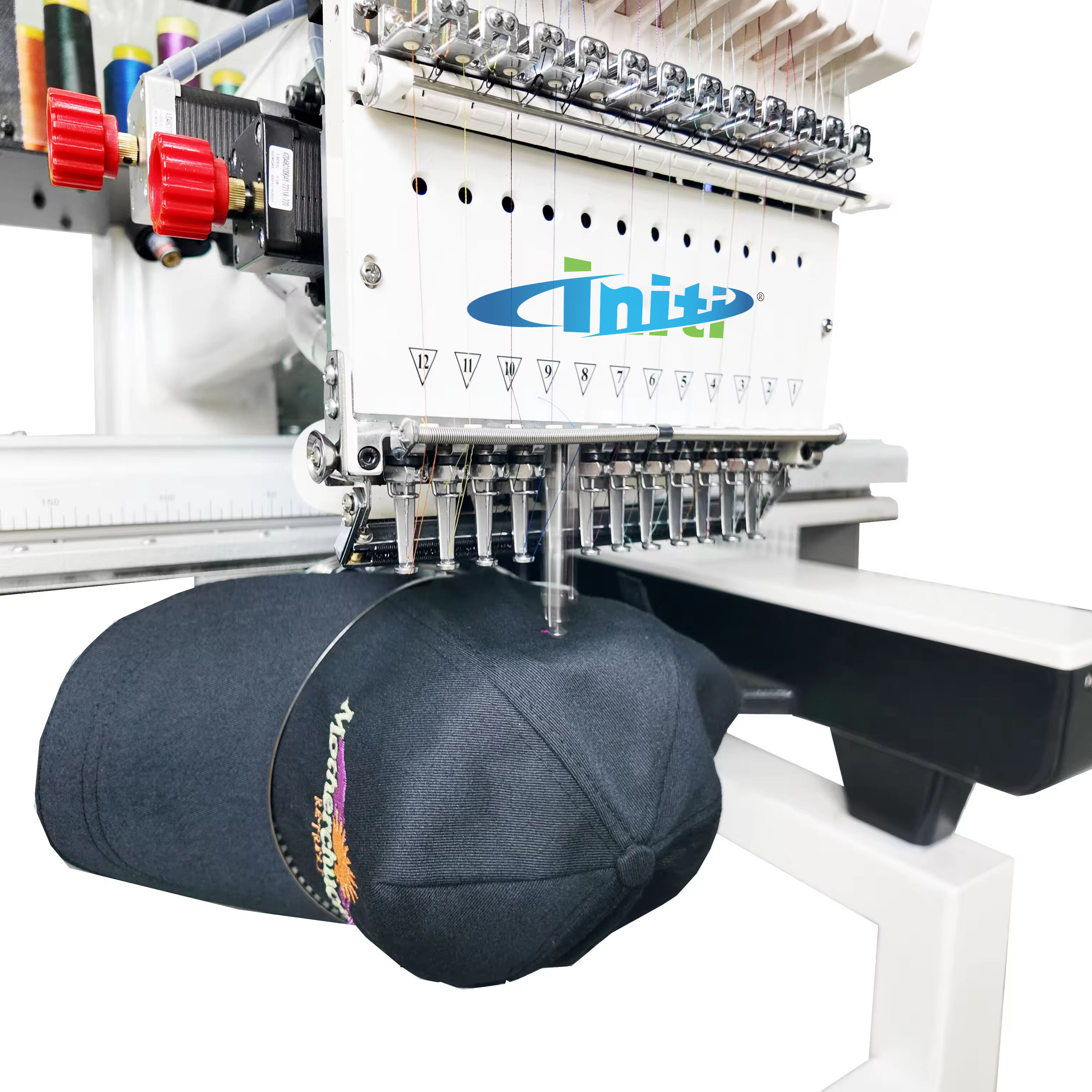
The evolution of textile manufacturing has brought remarkable innovations, with the computerized embroidery machine standing as a pinnacle of precision and efficiency. These sophisticated devices have transformed how businesses approach embroidery production, offering unprecedented control over design execution and manufacturing speed. Modern manufacturers recognize that investing in a quality computerized embroidery machine represents more than acquiring equipment—it establishes the foundation for competitive advantage in today's demanding textile market. Understanding the defining characteristics of high-quality systems enables businesses to make informed decisions that impact their operational success for years to come.

Precision Engineering and Build Quality
Frame Construction and Stability
The foundation of any exceptional computerized embroidery machine begins with its structural integrity. Premium machines feature heavy-duty steel frames engineered to minimize vibration during high-speed operation. This robust construction ensures consistent stitch quality even when running complex multi-color designs at maximum speeds. The frame design directly influences the machine's ability to maintain precise needle positioning throughout extended production runs.
Advanced computerized embroidery machine models incorporate dampening systems that further reduce operational noise and vibration. These systems contribute to improved workplace environments while protecting delicate electronic components from mechanical stress. The investment in superior frame engineering becomes apparent through reduced maintenance requirements and extended equipment lifespan, making it a critical factor in long-term operational costs.
Needle Bar Precision and Movement Systems
High-quality computerized embroidery machine systems employ precision-engineered needle bars with minimal tolerance variations. The needle bar assembly must maintain exact positioning across thousands of operational cycles while accommodating different thread weights and fabric types. Premium machines utilize advanced bearing systems and linear guides that ensure smooth, accurate movement throughout the embroidery process.
The drive mechanisms controlling needle bar movement represent another hallmark of quality in computerized embroidery machine design. Servo motors with encoder feedback provide precise speed control and positioning accuracy, enabling the machine to execute intricate design elements with remarkable consistency. These sophisticated drive systems adapt to varying fabric resistance and thread tension automatically, maintaining optimal performance across diverse production requirements.
Advanced Control Systems and Software Integration
User Interface Design and Functionality
Modern computerized embroidery machine interfaces reflect the sophistication of their underlying control systems. High-quality machines feature intuitive touchscreen displays that provide comprehensive production monitoring and control capabilities. These interfaces allow operators to adjust parameters in real-time, monitor thread consumption, and track production progress with precision that enhances overall efficiency.
The software ecosystem supporting a computerized embroidery machine significantly impacts its practical value in production environments. Premium systems include comprehensive design editing capabilities, allowing operators to modify patterns, adjust stitch densities, and optimize thread paths without external software dependencies. This integrated approach reduces production setup time while providing greater flexibility in accommodating customer-specific requirements.
Connectivity and Data Management
Contemporary computerized embroidery machine platforms emphasize connectivity features that integrate seamlessly with modern manufacturing workflows. Network capabilities enable remote monitoring, production scheduling, and maintenance notifications that optimize operational efficiency. These connected systems provide valuable production data that helps manufacturers identify optimization opportunities and maintain consistent quality standards.
Data management capabilities within computerized embroidery machine systems extend beyond basic design storage. Advanced machines maintain comprehensive production logs, thread usage records, and quality metrics that support continuous improvement initiatives. This data-driven approach enables manufacturers to refine their processes systematically while building detailed cost accounting frameworks that improve business decision-making.
Thread Handling and Tension Management
Multi-Color Thread Systems
The thread handling capabilities of a computerized embroidery machine directly influence both productivity and design versatility. High-quality systems accommodate multiple thread colors simultaneously, with automatic thread selection and cutting mechanisms that minimize operator intervention. These systems must maintain consistent thread tension across all positions while preventing thread breaks that interrupt production flow.
Advanced computerized embroidery machine designs incorporate sophisticated thread path engineering that reduces friction and wear. Ceramic guides and precision thread tensioning systems ensure optimal thread flow while accommodating various thread types including metallic, polyester, and specialty threads. The ability to handle diverse thread materials expands the creative possibilities while maintaining production efficiency.
Automatic Thread Management Features
Premium computerized embroidery machine models include intelligent thread monitoring systems that detect breaks or low thread conditions automatically. These systems halt production immediately upon detecting irregularities, preventing defective products and minimizing material waste. Automatic thread trimming and color change sequences further enhance productivity by reducing manual intervention requirements.
The integration of adaptive tension control in high-end computerized embroidery machine systems represents a significant technological advancement. These systems automatically adjust thread tension based on fabric type, thread characteristics, and stitch requirements, ensuring consistent embroidery quality across varying production conditions. This automation reduces operator skill requirements while maintaining professional-grade results consistently.
Production Speed and Efficiency Optimization
High-Speed Operation Capabilities
The production capacity of a computerized embroidery machine depends heavily on its maximum operational speed and ability to maintain quality at those speeds. Premium machines operate effectively at speeds exceeding 1000 stitches per minute while preserving stitch precision and thread handling reliability. This high-speed capability becomes particularly valuable in commercial production environments where throughput directly impacts profitability.
Advanced computerized embroidery machine systems incorporate intelligent speed optimization that automatically adjusts operational parameters based on design complexity and fabric characteristics. These systems recognize when slower speeds enhance quality for intricate details while maximizing speed for simpler design elements. This adaptive approach optimizes production time without compromising output quality.
Efficiency Enhancement Technologies
Modern computerized embroidery machine platforms include numerous features designed to maximize operational efficiency. Automatic hooping systems reduce setup time between jobs while maintaining consistent fabric tension and positioning. These systems particularly benefit high-volume production environments where setup time represents a significant cost factor.
The implementation of predictive maintenance features in contemporary computerized embroidery machine systems helps prevent unexpected downtime. These systems monitor component wear, lubrication levels, and operational parameters continuously, providing advance warning of maintenance requirements. This proactive approach minimizes production interruptions while extending equipment lifespan through optimal maintenance timing.
Quality Assurance and Monitoring Systems
Real-Time Quality Control
Sophisticated computerized embroidery machine systems incorporate real-time quality monitoring capabilities that detect and correct issues before they affect final product quality. Vision systems can identify thread breaks, skipped stitches, or positioning errors immediately, allowing for prompt correction without scrapping completed work. These quality assurance features become increasingly important as production volumes and quality expectations continue rising.
The integration of feedback control systems in premium computerized embroidery machine designs enables automatic compensation for fabric stretch, hoop movement, or other factors that might affect stitch placement. These systems continuously monitor actual versus intended stitch positions, making micro-adjustments that maintain design integrity throughout the production process. This level of precision control distinguishes professional-grade equipment from consumer-oriented alternatives.
Documentation and Traceability
High-quality computerized embroidery machine systems maintain comprehensive production records that support quality assurance and customer service requirements. These records include design parameters, thread specifications, production timestamps, and quality metrics for each completed item. Such documentation proves invaluable for addressing customer inquiries and implementing process improvements based on historical performance data.
The traceability features incorporated into advanced computerized embroidery machine platforms extend beyond basic production logging. These systems can associate specific production runs with material lot numbers, operator identifications, and environmental conditions, creating complete audit trails that support quality certification requirements. This capability becomes particularly important for manufacturers serving regulated industries or maintaining ISO quality standards.
FAQ
What stitch speed should I expect from a high-quality computerized embroidery machine?
Premium computerized embroidery machine models typically operate at speeds between 1000-1500 stitches per minute while maintaining excellent quality. The actual optimal speed depends on factors including design complexity, fabric type, and thread characteristics. High-quality machines feature intelligent speed control that automatically adjusts operational parameters to balance productivity with stitch quality, ensuring consistent results across varying production requirements.
How many needle positions do professional computerized embroidery machine systems support?
Professional-grade computerized embroidery machine systems commonly feature 12-15 needle positions, though some advanced models support up to 20 or more positions. The number of needle positions directly impacts design complexity capabilities and color change efficiency. More positions reduce production interruptions for thread changes while enabling more sophisticated multi-color designs without operator intervention.
What maintenance requirements should I expect with a computerized embroidery machine?
Regular maintenance for a computerized embroidery machine includes daily cleaning of lint and thread debris, weekly lubrication of moving components, and periodic calibration of tension and timing systems. High-quality machines typically require professional servicing every 6-12 months depending on usage intensity. Advanced systems include maintenance scheduling features that provide alerts based on actual operating hours and conditions rather than arbitrary time intervals.
Can a computerized embroidery machine handle different fabric weights effectively?
Quality computerized embroidery machine systems accommodate fabric weights ranging from lightweight silk to heavy canvas through adjustable presser foot pressure, variable stitch length controls, and adaptive thread tension management. Premium machines include fabric-specific programming modes that automatically optimize all parameters for different material types. This versatility allows manufacturers to serve diverse market segments without requiring multiple specialized machines.
Table of Contents
- Precision Engineering and Build Quality
- Advanced Control Systems and Software Integration
- Thread Handling and Tension Management
- Production Speed and Efficiency Optimization
- Quality Assurance and Monitoring Systems
-
FAQ
- What stitch speed should I expect from a high-quality computerized embroidery machine?
- How many needle positions do professional computerized embroidery machine systems support?
- What maintenance requirements should I expect with a computerized embroidery machine?
- Can a computerized embroidery machine handle different fabric weights effectively?