

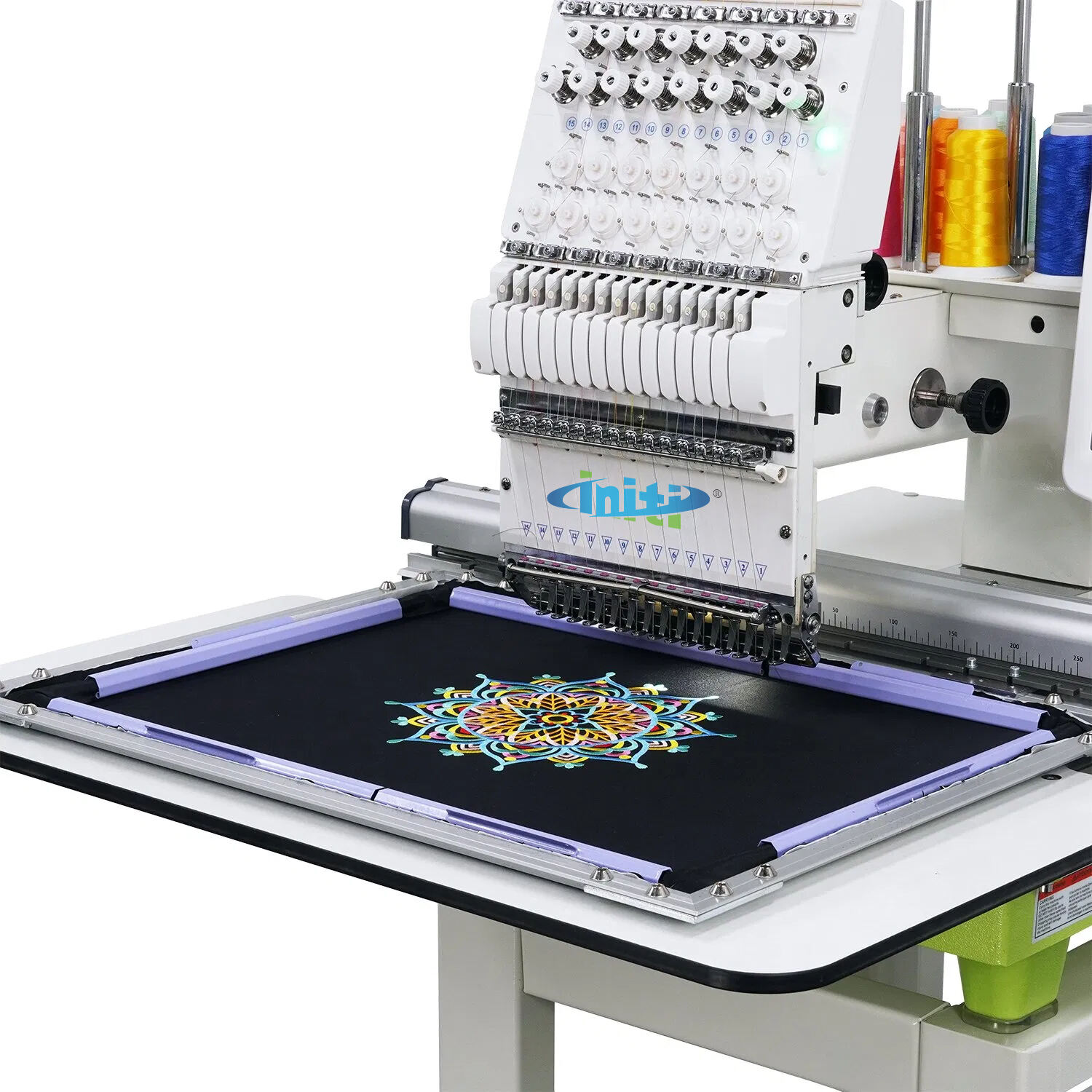
The embroidery industry has experienced remarkable growth over the past decade, driven by increasing demand for customized apparel, promotional products, and decorative textiles. At the heart of this expansion lies the crucial decision between partnering with global embroidery machine makers or specialized regional manufacturers. Understanding the distinctions between these two approaches can significantly impact your business operations, production quality, and long-term profitability. This comprehensive analysis explores the key differences between global and specialized embroidery machine makers, helping you make informed decisions for your manufacturing needs.
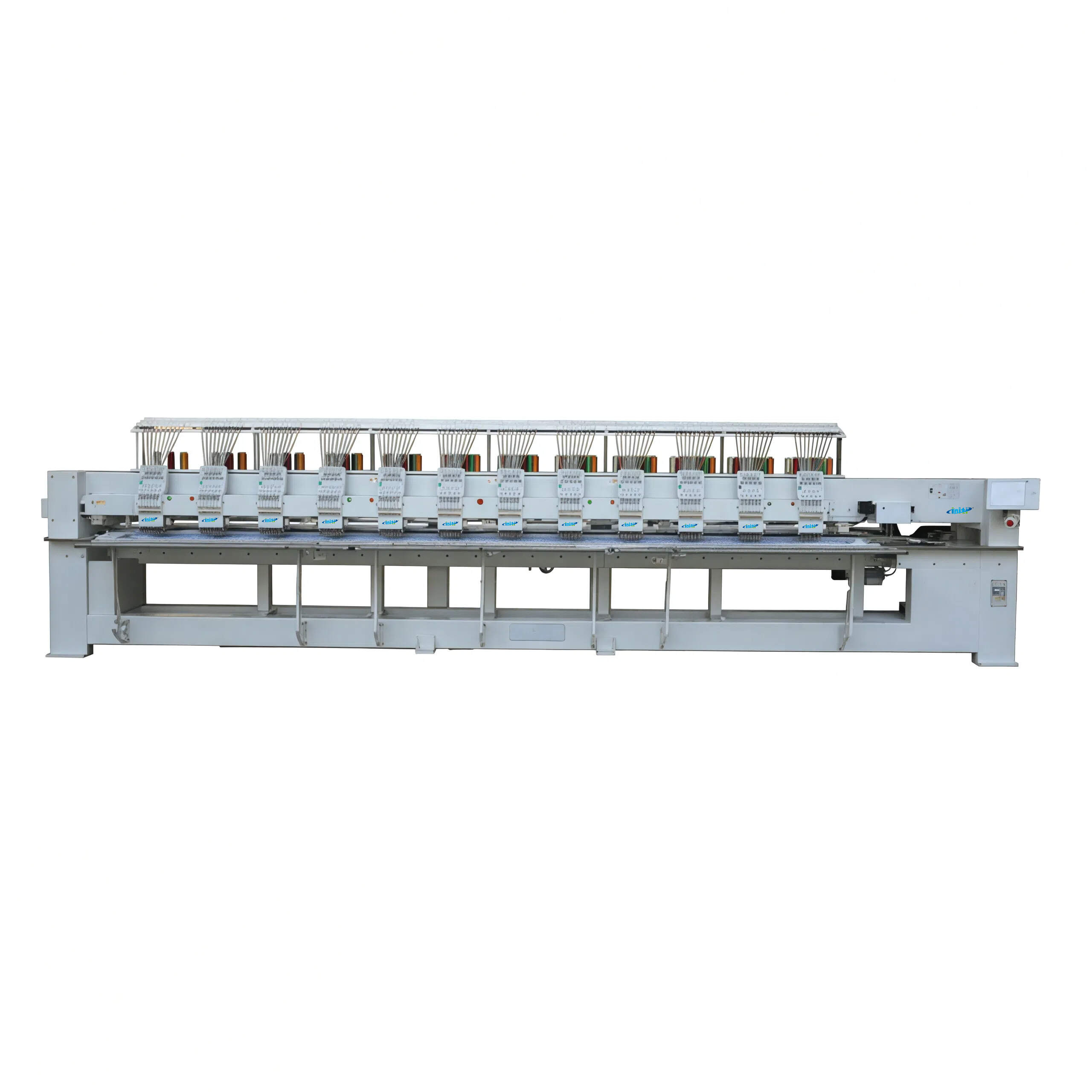
Market Landscape of Embroidery Machine Manufacturing
Global Manufacturing Giants
The global embroidery machine manufacturing sector is dominated by several multinational corporations that have established extensive distribution networks across continents. These major embroidery machine makers typically possess substantial research and development budgets, enabling them to invest in cutting-edge technologies and maintain competitive advantages through innovation. Their production volumes often reach tens of thousands of units annually, allowing for economies of scale that can translate into more competitive pricing structures for end users.
Global manufacturers often leverage sophisticated supply chain management systems, sourcing components from multiple countries to optimize cost efficiency while maintaining quality standards. Their extensive market presence enables them to offer standardized products that appeal to diverse international markets, though this approach may sometimes result in less customization flexibility. The brand recognition and established reputation of these embroidery machine makers provide customers with confidence in product reliability and long-term support availability.
Specialized Regional Manufacturers
In contrast to their global counterparts, specialized embroidery machine makers focus on specific market segments or geographic regions, developing deep expertise in particular applications or customer requirements. These manufacturers often excel in providing customized solutions that address unique industry challenges or specific production requirements that global manufacturers might overlook. Their smaller scale operations typically allow for more agile decision-making processes and faster response times to market changes or customer feedback.
Specialized manufacturers frequently develop closer relationships with their customer base, offering personalized service and technical support that larger organizations may struggle to match. This intimate understanding of local market conditions and customer preferences enables these embroidery machine makers to create products that are precisely tailored to specific applications, whether for high-end fashion embroidery, industrial textile production, or specialized technical applications.
Technology and Innovation Capabilities
Research and Development Investment
Global embroidery machine makers typically allocate significant portions of their revenue toward research and development activities, often maintaining dedicated innovation centers staffed by hundreds of engineers and designers. This substantial investment enables them to pursue ambitious technological advancement projects, including the development of artificial intelligence-driven embroidery systems, advanced digitization software, and revolutionary mechanical designs. Their R&D capabilities often extend beyond machine hardware to encompass comprehensive software ecosystems and connectivity solutions.
The scale of investment available to global manufacturers allows them to explore emerging technologies such as computer vision systems for quality control, predictive maintenance algorithms, and integrated workflow management platforms. These technological innovations often trickle down to their entire product portfolio, ensuring that even entry-level machines benefit from advanced features and capabilities that were previously available only in premium models.
Specialized Innovation Focus
Specialized embroidery machine makers often concentrate their innovation efforts on specific technological areas where they can achieve meaningful differentiation and competitive advantage. Rather than pursuing broad technological advancement across all aspects of embroidery machinery, these manufacturers typically focus on perfecting particular elements such as thread tension systems, specialized needle configurations, or unique frame designs that address specific application requirements.
This focused approach to innovation often results in breakthrough technologies that solve specific industry problems more effectively than generic solutions offered by global manufacturers. Specialized companies may develop proprietary technologies for handling delicate fabrics, achieving exceptional stitch precision, or optimizing production speeds for specific embroidery applications, creating niche advantages that attract dedicated customer segments.
Production Quality and Manufacturing Standards
Quality Control Systems
Global embroidery machine makers typically implement comprehensive quality management systems that span multiple manufacturing facilities and adhere to internationally recognized standards such as ISO 9001 and Six Sigma methodologies. These systematic approaches to quality control ensure consistent product performance across different production batches and manufacturing locations, providing customers with predictable reliability and performance characteristics regardless of where their machines were manufactured.
The quality assurance processes employed by major manufacturers often include extensive testing protocols that simulate years of operational conditions within accelerated timeframes. Advanced statistical quality control methods enable these embroidery machine makers to identify potential quality issues before they affect customer operations, ensuring that only machines meeting stringent performance criteria reach the market.
Artisan Manufacturing Approaches
Specialized embroidery machine makers often employ more artisanal manufacturing approaches that emphasize craftsmanship and attention to detail over high-volume production efficiency. These manufacturers may utilize hand-assembly techniques for critical components, ensuring that each machine receives individualized attention during the manufacturing process. This approach often results in superior build quality for specific components or assemblies that benefit from skilled craftsman involvement.
The smaller production volumes typical of specialized manufacturers allow for more rigorous individual machine testing and quality verification processes. Each machine may undergo extensive operational testing under various conditions, ensuring optimal performance before delivery. This intensive quality assurance approach often results in exceptional reliability and performance characteristics that justify premium pricing for discerning customers.
Customer Support and Service Networks
Global Service Infrastructure
Major embroidery machine makers maintain extensive global service networks that provide customers with convenient access to technical support, spare parts, and maintenance services regardless of their geographic location. These comprehensive service infrastructures typically include regional service centers, authorized dealer networks, and mobile service technicians who can provide on-site support for critical production environments.
The standardization inherent in global manufacturing operations enables these service networks to maintain consistent service quality and technician training across different markets. Customers benefit from predictable service response times, standardized repair procedures, and reliable parts availability that minimize production downtime. Many global manufacturers also offer remote diagnostic capabilities and telephone support services that provide immediate assistance for operational issues.
Personalized Service Relationships
Specialized embroidery machine makers often excel in developing personalized service relationships that extend beyond traditional customer support models. These manufacturers frequently assign dedicated customer service representatives or technical specialists to individual clients, creating ongoing relationships that facilitate better understanding of specific operational requirements and challenges. This personalized approach enables more effective problem-solving and proactive support.
The close relationships maintained by specialized manufacturers often result in customized service agreements that address specific customer needs, whether related to production schedules, maintenance requirements, or technical training programs. These tailored service approaches can provide significant value for customers with unique operational requirements or specialized applications that benefit from individualized attention and support.
Cost Considerations and Value Propositions
Pricing Strategies and Market Positioning
Global embroidery machine makers typically leverage their production scale and supply chain efficiencies to offer competitive pricing across their product portfolios. Their ability to distribute fixed costs across large production volumes often enables them to provide feature-rich machines at price points that specialized manufacturers struggle to match. Volume purchasing agreements and standardized component sourcing further contribute to their cost advantages in competitive market segments.
These manufacturers often employ tiered pricing strategies that provide options for different market segments, from budget-conscious small businesses to high-volume industrial operations. Their extensive product lines typically include entry-level machines with essential features alongside premium models equipped with advanced capabilities, allowing customers to select solutions that match their specific requirements and budget constraints.
Value-Added Services and Total Cost of Ownership
While specialized embroidery machine makers may command premium pricing for their products, they often justify these costs through comprehensive value-added services and superior total cost of ownership propositions. These manufacturers frequently include extensive training programs, customized software solutions, and ongoing technical consultation as standard components of their customer relationships, providing value that extends well beyond the initial machine purchase.
The focus on long-term customer relationships typical of specialized manufacturers often results in machines designed for extended operational life and minimal maintenance requirements. Superior build quality, premium components, and optimized designs can translate into lower operating costs, reduced downtime, and extended equipment lifecycles that offset higher initial investment costs over the machine's operational lifetime.
Market Adaptability and Future Trends
Response to Industry Evolution
The embroidery industry continues to evolve rapidly, driven by changing consumer preferences, technological advancement, and new application opportunities. Global embroidery machine makers possess the resources and market presence necessary to identify and respond to broad industry trends, developing products that address emerging market requirements across multiple geographic regions and application sectors.
Their extensive market research capabilities and customer feedback systems enable these manufacturers to anticipate future industry directions and invest in developing technologies that will meet tomorrow's requirements. This forward-looking approach often results in product roadmaps that incorporate emerging technologies such as artificial intelligence, Internet of Things connectivity, and advanced automation capabilities.
Niche Market Innovation
Specialized embroidery machine makers often excel in identifying and serving emerging niche markets that may be overlooked by larger manufacturers focused on mainstream applications. Their agility and close customer relationships enable them to quickly develop innovative solutions for new application areas, whether in technical textiles, medical device manufacturing, or specialized decorative applications.
This focus on niche innovation often positions specialized manufacturers as industry pioneers in specific application areas, developing expertise and market presence that can be difficult for larger competitors to replicate. Their deep understanding of specialized requirements enables them to create products that deliver superior performance in specific applications, even if they lack the broad market appeal of more generalized solutions.
FAQ
What are the main advantages of choosing global embroidery machine makers over specialized manufacturers
Global embroidery machine makers typically offer several key advantages including competitive pricing due to economies of scale, extensive service networks providing worldwide support, standardized products with proven reliability, and substantial research and development investments resulting in cutting-edge technology. Their established distribution channels also ensure readily available spare parts and accessories, while their financial stability provides confidence in long-term support availability.
How do specialized embroidery machine makers compete with larger global manufacturers
Specialized embroidery machine makers compete by focusing on customization capabilities, personalized customer service, niche market expertise, and superior craftsmanship in specific application areas. They often provide tailored solutions that address unique requirements, develop closer customer relationships, and offer more flexible manufacturing approaches that can accommodate special requests or modifications that global manufacturers may not support.
Which type of manufacturer is better suited for small businesses starting in embroidery
For small businesses starting in embroidery, the choice between global and specialized manufacturers depends on specific requirements and budget constraints. Global manufacturers often provide more affordable entry-level options with standardized features and widespread service support, making them suitable for businesses with limited budgets and standard requirements. Specialized manufacturers may be preferred when unique applications, personalized support, or specific performance characteristics are crucial for business success.
What factors should be considered when evaluating embroidery machine makers for industrial applications
Industrial applications require careful evaluation of production capacity, reliability standards, service support availability, total cost of ownership, and technology compatibility with existing systems. Consider the manufacturer's track record in similar applications, availability of technical support during production hours, spare parts accessibility, training programs for operators, and the ability to integrate with existing workflow management systems. Both global and specialized manufacturers can excel in industrial applications depending on specific requirements and operational priorities.
Table of Contents
- Market Landscape of Embroidery Machine Manufacturing
- Technology and Innovation Capabilities
- Production Quality and Manufacturing Standards
- Customer Support and Service Networks
- Cost Considerations and Value Propositions
- Market Adaptability and Future Trends
-
FAQ
- What are the main advantages of choosing global embroidery machine makers over specialized manufacturers
- How do specialized embroidery machine makers compete with larger global manufacturers
- Which type of manufacturer is better suited for small businesses starting in embroidery
- What factors should be considered when evaluating embroidery machine makers for industrial applications