

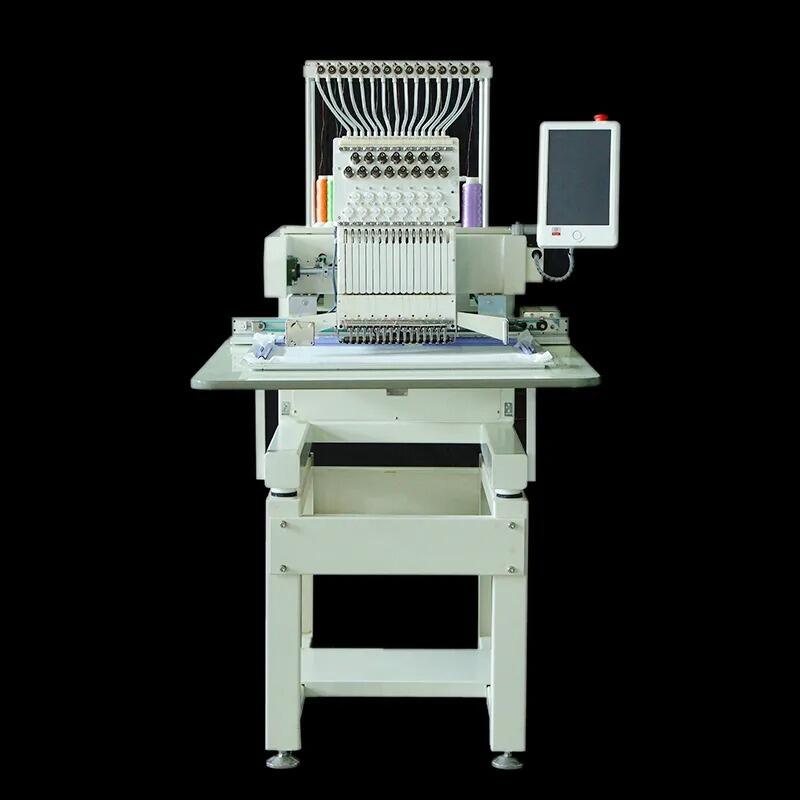
When evaluating what makes an embroidery machine truly exceptional, buyers must consider numerous technical specifications, performance metrics, and practical features that distinguish superior equipment from standard models. The modern embroidery industry demands precision, reliability, and versatility from commercial and industrial embroidery machines, making the selection process critical for business success. Understanding the key differentiators helps manufacturers, custom shops, and entrepreneurs identify the most suitable embroidery machine for their specific production requirements and quality standards.
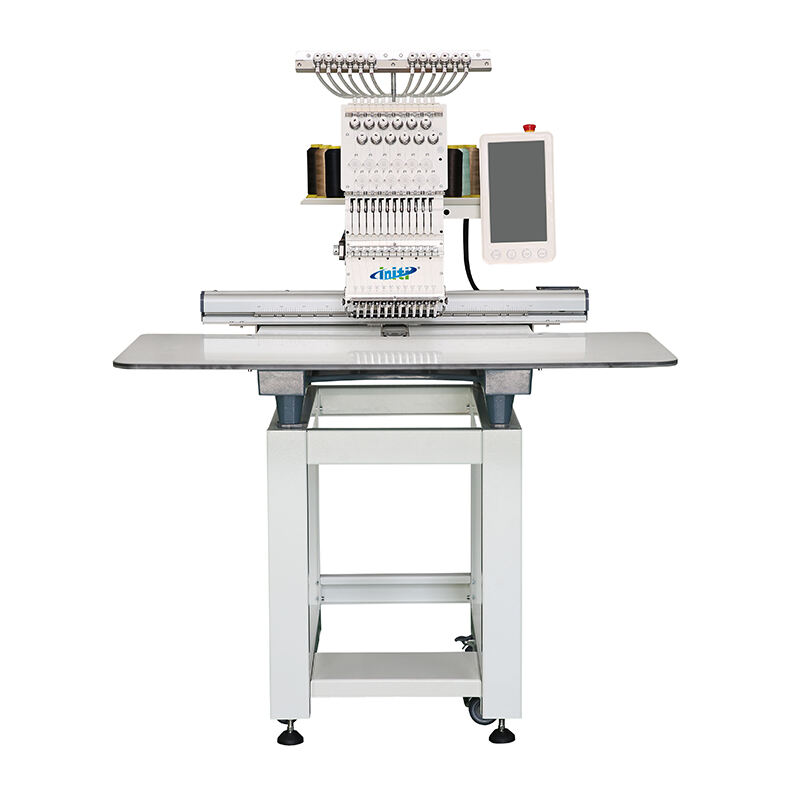
Professional embroidery operations require equipment that delivers consistent stitch quality while maintaining high production speeds across diverse fabric types and design complexities. The best embroidery machine models incorporate advanced technology, robust construction, and user-friendly interfaces that streamline workflow and minimize downtime. These factors directly impact profitability, customer satisfaction, and long-term operational efficiency in competitive markets.
Technical Specifications That Define Excellence
Stitching Speed and Accuracy Standards
Superior embroidery machine models achieve optimal balance between speed and precision, typically operating at 1000-1500 stitches per minute while maintaining consistent thread tension and stitch formation. High-performance units feature advanced servo motors and precision drive systems that ensure accurate needle positioning even during rapid direction changes and complex pattern execution. The most reliable embroidery machine designs incorporate real-time monitoring systems that automatically adjust parameters to maintain quality throughout extended production runs.
Modern commercial embroidery machines utilize sophisticated control algorithms that optimize stitching patterns based on fabric characteristics, thread specifications, and design density. These intelligent systems prevent common issues such as thread breaks, puckering, and registration errors that compromise finished product quality. Top-tier models include automatic thread trimming, color changing, and pattern positioning features that enhance productivity while reducing operator intervention requirements.
Multi-Head Configuration Benefits
The number of embroidery heads significantly impacts production capacity and operational flexibility, with multi-head embroidery machine configurations offering substantial advantages for commercial applications. Professional units typically feature 2, 4, 6, 8, 12, or 15 heads, allowing simultaneous production of multiple identical items or efficient completion of large orders. Each additional head proportionally increases throughput while maintaining consistent quality across all embroidery positions.
Multi-head embroidery machine systems incorporate centralized control interfaces that synchronize all heads for uniform timing, tension, and pattern execution. This coordination ensures that complex multi-color designs maintain proper registration and color sequence across all production positions. Advanced models include individual head monitoring capabilities that detect and compensate for variations in thread tension, fabric thickness, or mechanical wear patterns.
Construction Quality and Durability Features
Frame Design and Stability Engineering
Premium embroidery machine construction utilizes heavy-duty steel or aluminum frames designed to minimize vibration and maintain precise component alignment during high-speed operation. Robust frame engineering prevents deflection and resonance issues that can affect stitch quality and long-term mechanical accuracy. The best commercial units feature reinforced mounting points, precision-machined bearing surfaces, and adjustable leveling systems that accommodate various installation environments.
Professional-grade embroidery machine frames incorporate dampening systems and isolation mounts that reduce transmitted vibration to work surfaces and surrounding equipment. This engineering attention ensures consistent performance in diverse operating environments while extending component life and reducing maintenance requirements. Heavy-duty construction also provides the stability necessary for accurate pantograph movement and precise hoop positioning throughout extended production cycles.
Drive System Technology and Reliability
Advanced drive systems represent critical differentiators in premium embroidery machine designs, with servo motor technology providing superior control compared to traditional stepper motor configurations. High-performance servo systems offer precise speed regulation, instant response to control inputs, and consistent torque output across varying load conditions. These characteristics enable smooth operation during complex pattern execution and rapid directional changes.
Top-tier embroidery machine models incorporate direct-drive mechanisms that eliminate belt and gear reduction systems, reducing backlash and improving positional accuracy. Direct-drive configurations also minimize maintenance requirements while providing quieter operation and enhanced energy efficiency. Premium units feature redundant position feedback systems that continuously verify actual versus commanded positions, automatically correcting any deviations to maintain pattern integrity.
Advanced Control Systems and User Interface
Software Integration and Design Capabilities
Modern embroidery machine control systems integrate seamlessly with popular design software packages, supporting industry-standard file formats including DST, EMB, PES, and JEF. Advanced units include onboard design editing capabilities that allow operators to modify patterns, adjust densities, and optimize stitch sequences without external software. These integrated tools streamline workflow and reduce dependency on separate computer systems for routine design modifications.
Professional embroidery machine control systems feature large color touchscreen displays that provide intuitive access to all operational functions, real-time production monitoring, and comprehensive diagnostic information. Advanced interfaces include visual pattern preview, thread consumption calculations, and production time estimates that facilitate accurate job planning and cost estimation. Premium models offer network connectivity for remote monitoring and centralized production management across multiple machines.
Automatic Features and Productivity Enhancements
High-end embroidery machine designs incorporate numerous automatic functions that reduce operator workload while improving consistency and efficiency. Automatic thread trimming systems include both upper and lower thread cutting with precise timing to prevent loose ends and maintain clean pattern transitions. Advanced models feature automatic color changing mechanisms that select correct thread colors based on programmed sequences, eliminating manual intervention during multi-color designs.
Premium embroidery machine units include automatic tension adjustment systems that optimize thread tension based on fabric type, thread characteristics, and stitch parameters. These intelligent systems continuously monitor and adjust tension throughout production cycles, compensating for variations in ambient conditions, thread properties, and fabric behavior. Additional automatic features may include needle threading, bobbin monitoring, and pattern alignment systems that further enhance operational efficiency.
Thread Handling and Tension Control Systems
Multi-Needle Configuration Advantages
Professional embroidery machine models typically feature 15-needle configurations that accommodate diverse thread color requirements without frequent manual changes. Multiple needle positions allow operators to pre-load entire color sequences for complex designs, significantly reducing setup time and minimizing production interruptions. Advanced needle selection systems include automatic positioning and precise threading mechanisms that ensure consistent thread path geometry across all positions.
Multi-needle embroidery machine systems incorporate individual tension control for each thread position, allowing optimization for different thread types, colors, and material characteristics simultaneously. This precision enables mixed-thread designs using various materials such as rayon, polyester, metallic, and specialty threads within single patterns. Professional units include thread break detection for each needle position with automatic machine stopping and position identification to facilitate rapid problem resolution.
Thread Path Engineering and Quality Control
Superior embroidery machine designs feature optimized thread paths that minimize friction and tension variations while preventing thread tangling and breakage. Precision-machined thread guides, tensioners, and eyelets ensure smooth thread flow from cone to needle while maintaining consistent delivery characteristics. Advanced models include magnetic or spring-loaded thread guides that accommodate thread movement during high-speed operation without binding or excessive wear.
Professional embroidery machine thread systems incorporate pre-tensioners, main tensioners, and check springs arranged to provide stable thread delivery under varying operational conditions. These components work together to compensate for thread elasticity, cone unwinding characteristics, and dynamic loading during stitching. Premium units feature easily adjustable tension controls with graduated scales and memory settings for repeatable setup across different thread types and design requirements.
Hooping Systems and Fabric Handling
Hoop Size Flexibility and Quick-Change Systems
Versatile embroidery machine designs accommodate multiple hoop sizes ranging from small cap hoops to large jacket backs, providing flexibility for diverse product applications. Quick-change hoop systems enable rapid transitions between different sizes without tools or complex adjustments, maximizing productive time and operational efficiency. Professional models include pneumatic or lever-actuated clamping systems that ensure consistent fabric tension and registration across production runs.
Advanced embroidery machine hoop systems incorporate alignment guides and reference marks that facilitate accurate fabric positioning and pattern placement. Premium units feature automatic hoop recognition that loads appropriate machine parameters and working area limits based on installed hoop size. These intelligent systems prevent programming errors and potential collisions while optimizing stitching parameters for each hoop configuration.
Fabric Support and Handling Mechanisms
Professional embroidery machine designs include comprehensive fabric support systems that prevent stretching, puckering, and distortion during stitching operations. Adjustable backing plates, pressure feet, and hold-down mechanisms accommodate various fabric weights and characteristics while maintaining proper needle penetration geometry. Advanced models feature automatic pressure adjustment based on fabric thickness sensors and programmed material parameters.
Premium embroidery machine units incorporate fabric-specific handling modes that optimize machine parameters for knits, wovens, leather, canvas, and specialty materials. These modes automatically adjust penetration speed, dwell time, and lift height to minimize fabric damage while ensuring complete thread penetration. Professional systems include fabric detection capabilities that identify material characteristics and recommend optimal settings for best results.
Maintenance Requirements and Service Support
Preventive Maintenance Protocols
Reliable embroidery machine operation requires systematic preventive maintenance including regular lubrication, cleaning, and component inspection schedules. Premium models feature maintenance reminder systems that track operating hours and automatically prompt operators when service intervals arrive. These systems help prevent premature wear and unexpected failures while maintaining optimal performance throughout equipment life cycles.
Professional embroidery machine designs facilitate easy access to service points through removable panels and strategic component placement. Quick-access lubrication points, easily replaceable wear parts, and tool-free adjustments minimize maintenance time and complexity. Advanced units include built-in diagnostic systems that identify potential issues before they affect production, enabling proactive maintenance scheduling and problem prevention.
Technical Support and Training Resources
Comprehensive technical support distinguishes premium embroidery machine suppliers through extensive training programs, documentation, and responsive service networks. Professional manufacturers provide detailed operation manuals, video training materials, and hands-on instruction to ensure operators achieve optimal results. Advanced support includes remote diagnostic capabilities that enable technicians to troubleshoot issues and provide guidance without site visits.
Leading embroidery machine manufacturers maintain extensive parts inventories and rapid delivery systems that minimize downtime during repairs or routine maintenance. Professional support networks include certified technicians, authorized service centers, and comprehensive warranty programs that protect equipment investments. Premium suppliers offer ongoing training updates and application support to help operators maximize productivity and expand capabilities as markets evolve.
FAQ
What stitching speed should I expect from a professional embroidery machine
Professional embroidery machine models typically operate at speeds between 1000-1500 stitches per minute, with optimal performance achieved around 1200 SPM for most commercial applications. Higher speeds may be possible for simple designs on stable fabrics, while complex patterns or delicate materials require reduced speeds to maintain quality. The best machines provide variable speed control that allows operators to optimize settings based on specific design requirements and fabric characteristics.
How many needles does a commercial embroidery machine need
Most commercial embroidery machine applications benefit from 15-needle configurations that accommodate complex multi-color designs without frequent thread changes. Smaller operations might function adequately with 6-12 needles, while high-volume production facilities may require multiple 15-needle machines rather than fewer needles per machine. The optimal needle count depends on typical design complexity, color requirements, and production volume expectations for specific business applications.
What hoop sizes are essential for versatile embroidery production
Versatile embroidery machine operations typically require multiple hoop sizes including small cap hoops (2x3 inches), medium utility hoops (5x7 inches), and large garment hoops (9x12 inches or larger). Professional applications may also need specialty hoops for sleeves, collars, and curved surfaces depending on target markets. The ability to quickly change between different hoop sizes without complex adjustments significantly impacts production efficiency and job flexibility.
How important is automatic thread trimming in commercial embroidery
Automatic thread trimming represents a critical productivity feature in commercial embroidery machine operations, reducing operator intervention and ensuring consistent finishing quality. Professional trimming systems cut both upper and lower threads with precise timing to prevent loose ends and maintain clean pattern transitions. This automation becomes increasingly valuable in high-volume production where manual trimming would significantly impact throughput and labor costs while potentially compromising consistency across multiple operators.