

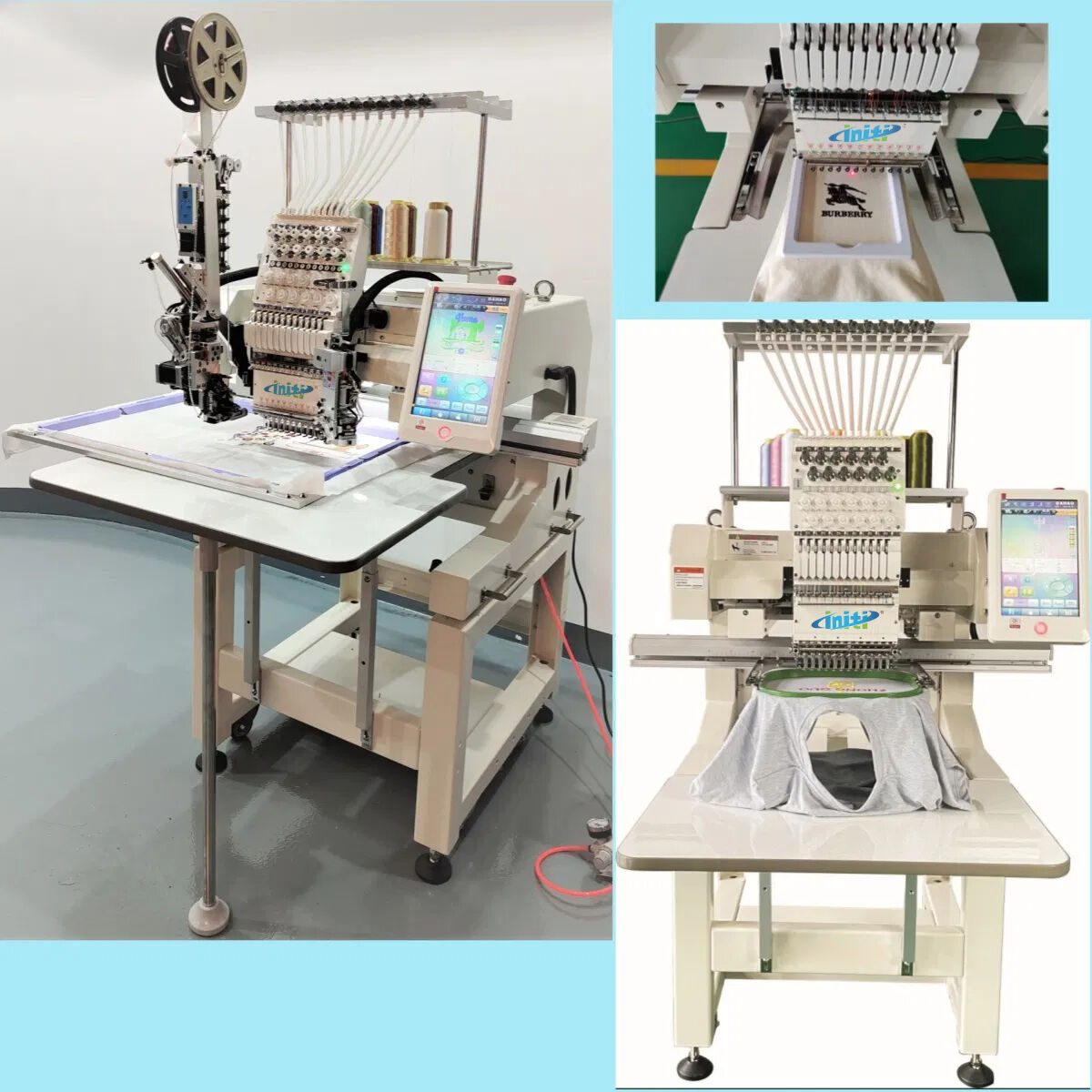
In today's fast-paced textile manufacturing landscape, businesses demand equipment that can deliver exceptional results without extended lead times. The multi-head high-speed embroidery machine represents the pinnacle of commercial embroidery technology, offering manufacturers the perfect combination of speed, precision, and reliability for immediate deployment. These sophisticated systems have revolutionized how companies approach large-scale embroidery production, enabling them to meet tight deadlines while maintaining superior quality standards. Modern manufacturing facilities increasingly rely on advanced embroidery solutions that can seamlessly integrate into existing workflows and deliver consistent results across diverse applications.
Commercial Embroidery Technology Evolution
Advanced Control Systems
The latest multi-head high-speed embroidery machine models incorporate state-of-the-art computerized control systems that optimize every aspect of the embroidery process. These intelligent systems monitor thread tension, needle positioning, and fabric movement in real-time, ensuring consistent stitch quality across all heads simultaneously. Advanced servo motor technology provides precise control over needle speed and positioning, while sophisticated software algorithms automatically adjust parameters based on design complexity and fabric characteristics. The integration of touch-screen interfaces and intuitive software platforms allows operators to easily manage multiple projects and make real-time adjustments without interrupting production cycles.
Contemporary control systems also feature predictive maintenance capabilities that monitor machine performance and alert operators to potential issues before they impact production. These systems collect and analyze operational data, enabling manufacturers to optimize maintenance schedules and maximize equipment uptime. The incorporation of ethernet connectivity and cloud-based monitoring solutions allows for remote diagnostics and software updates, ensuring that machines remain at peak performance levels throughout their operational lifespan.
Precision Engineering Standards
Modern multi-head high-speed embroidery machine designs emphasize precision engineering principles that ensure exceptional stitch quality and long-term reliability. High-grade steel construction and precision-machined components provide the structural stability necessary for high-speed operation while minimizing vibration and maintaining accurate needle positioning. Advanced bearing systems and linear guides ensure smooth operation across all movement axes, while precision timing mechanisms coordinate the complex interactions between multiple heads and various machine subsystems.
The implementation of advanced materials and manufacturing techniques has significantly improved the durability and performance characteristics of contemporary embroidery systems. Heat-treated components, precision-ground surfaces, and advanced lubrication systems contribute to extended operational life and reduced maintenance requirements. These engineering improvements translate directly into improved productivity and lower total cost of ownership for commercial operators seeking reliable long-term performance from their embroidery equipment investments.
Production Efficiency Optimization
Multi-Head Configuration Benefits
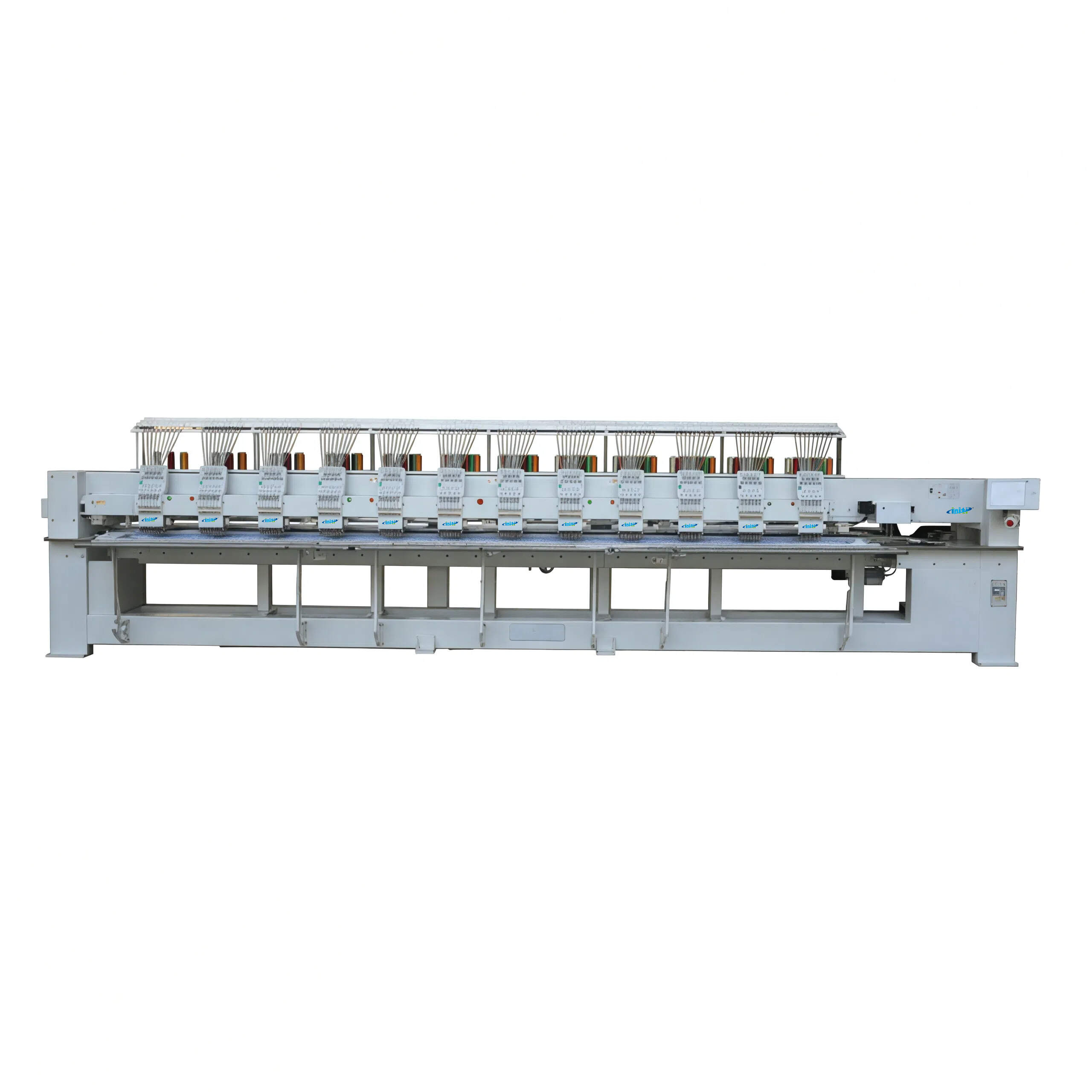
The strategic implementation of multi-head configurations in high-speed embroidery machines delivers exponential improvements in production capacity compared to single-head alternatives. Each additional head effectively multiplies the production potential of the system, allowing manufacturers to complete large orders in significantly reduced timeframes. The multi-head high-speed embroidery machine architecture enables simultaneous production of identical designs across multiple garments, maximizing throughput while maintaining consistent quality standards across all output.
Advanced multi-head systems also provide operational flexibility that allows manufacturers to diversify production strategies based on order requirements. Operators can configure different heads for varying design elements, enabling simultaneous production of multi-color or multi-element designs with enhanced efficiency. This flexibility proves particularly valuable for manufacturers handling diverse product lines or custom order requirements that demand rapid turnaround times without compromising quality standards.
Speed and Throughput Capabilities
Contemporary multi-head high-speed embroidery machine models achieve remarkable production speeds while maintaining exceptional stitch precision and thread management. Advanced systems can operate at speeds exceeding 1000 stitches per minute per head, with some specialized models reaching even higher performance levels under optimal conditions. These impressive speed capabilities, combined with multi-head configurations, enable manufacturers to achieve daily production volumes that were previously impossible with conventional embroidery equipment.
The achievement of high-speed operation without sacrificing quality requires sophisticated engineering solutions that address the complex dynamics of rapid needle movement, thread management, and fabric handling. Advanced tensioning systems automatically adjust thread tension based on stitch requirements and fabric characteristics, while high-speed thread cutting mechanisms ensure clean finishes at maximum operating speeds. These technological innovations enable manufacturers to significantly reduce production times while maintaining the quality standards demanded by commercial applications.
Application Versatility and Market Segments
Apparel Industry Applications
The apparel manufacturing sector represents one of the largest markets for multi-head high-speed embroidery machine installations, with applications ranging from fashion garments to corporate uniforms and promotional wear. These systems excel in high-volume production environments where consistent quality and rapid turnaround times are essential for maintaining competitive advantages. Advanced embroidery machines can handle diverse fabric types, from delicate materials like silk and lace to heavy-duty fabrics used in workwear and outdoor apparel applications.
Modern multi-head high-speed embroidery machine systems provide the versatility needed to address varying design requirements across different apparel categories. From intricate decorative patterns on high-end fashion items to bold corporate logos on business attire, these machines deliver consistent results that meet the exacting standards of professional apparel manufacturers. The ability to quickly switch between different thread colors and design elements makes these systems particularly valuable for manufacturers serving diverse market segments with varying aesthetic requirements.
Industrial and Technical Textiles
Beyond traditional apparel applications, multi-head high-speed embroidery machine technology finds extensive use in industrial and technical textile manufacturing. These applications often require specialized thread materials and unique stitch patterns that demand the precision and reliability offered by advanced embroidery systems. Industries such as automotive, aerospace, and medical textiles rely on embroidered components that must meet stringent quality and performance standards, making high-speed multi-head systems essential for maintaining production efficiency while ensuring compliance with industry specifications.
The technical textile market continues to expand as manufacturers discover new applications for embroidered components in various industrial sectors. Advanced multi-head high-speed embroidery machine models can accommodate specialized threads including conductive fibers, high-strength materials, and chemically resistant options that enable the production of technical textiles for demanding applications. This versatility positions modern embroidery systems as essential equipment for manufacturers seeking to capitalize on emerging opportunities in technical textile markets.
Technology Integration and Automation
Digital Design Integration
Contemporary multi-head high-speed embroidery machine systems seamlessly integrate with digital design workflows, enabling manufacturers to streamline the transition from concept to finished product. Advanced software platforms support multiple file formats and provide sophisticated editing capabilities that allow operators to optimize designs for specific machine configurations and production requirements. These digital integration capabilities eliminate many of the time-consuming manual processes traditionally associated with embroidery production setup, enabling faster project turnaround and improved overall efficiency.
The incorporation of artificial intelligence and machine learning algorithms into modern embroidery systems further enhances digital integration capabilities. These intelligent systems can automatically optimize stitch sequences, suggest thread color combinations, and predict potential production issues based on design characteristics and historical performance data. Such advanced features enable manufacturers to achieve consistent results while minimizing operator intervention and reducing the potential for production errors.
Automated Material Handling
Advanced multi-head high-speed embroidery machine installations increasingly incorporate automated material handling systems that minimize manual labor requirements and improve production consistency. Automated hooping systems, thread changing mechanisms, and finished goods handling equipment work in coordination with the embroidery machine to create fully integrated production lines. These automation features significantly reduce labor costs while improving production speed and consistency, making them particularly valuable for high-volume commercial applications.
The implementation of robotic systems and conveyor technologies enables continuous operation capabilities that maximize the utilization of multi-head high-speed embroidery machine assets. Automated systems can operate during unmanned shifts, significantly extending productive hours and improving overall equipment effectiveness. These automation capabilities prove especially valuable for manufacturers operating in markets with high labor costs or those seeking to improve production predictability and reduce dependency on skilled manual labor.
Quality Control and Performance Monitoring
Real-Time Quality Assurance
Modern multi-head high-speed embroidery machine systems incorporate sophisticated quality control mechanisms that monitor every aspect of the embroidery process in real-time. Advanced sensor systems track thread tension, needle position, and stitch formation continuously, automatically making adjustments to maintain optimal quality standards throughout production runs. These real-time monitoring capabilities enable immediate detection and correction of potential quality issues before they can impact finished products, significantly reducing waste and improving overall production efficiency.
The integration of vision systems and artificial intelligence algorithms provides additional quality assurance capabilities that can detect subtle variations in stitch quality, color accuracy, and design alignment. These advanced systems can automatically halt production when quality parameters fall outside acceptable ranges, preventing the production of defective goods and maintaining the high standards expected in commercial embroidery applications. Such sophisticated quality control features are essential for manufacturers serving markets where consistent quality is crucial for maintaining customer satisfaction and brand reputation.
Performance Analytics and Optimization
Advanced multi-head high-speed embroidery machine platforms provide comprehensive performance analytics that enable manufacturers to optimize their operations for maximum efficiency and profitability. These systems collect detailed operational data including production rates, thread consumption, maintenance intervals, and quality metrics, presenting this information through intuitive dashboards and reporting interfaces. This data-driven approach enables manufacturers to identify opportunities for improvement and implement targeted optimization strategies that enhance overall equipment effectiveness.
The availability of detailed performance analytics also supports predictive maintenance strategies that can significantly reduce unplanned downtime and extend equipment life. By analyzing operational patterns and component wear characteristics, these systems can predict when maintenance interventions will be required, allowing manufacturers to schedule maintenance activities during planned downtime periods. This proactive approach to maintenance management helps ensure that multi-head high-speed embroidery machine assets remain productive and reliable throughout their operational lifespan.
FAQ
What are the main advantages of choosing a multi-head high-speed embroidery machine over single-head alternatives?
Multi-head high-speed embroidery machine systems offer dramatically improved production capacity, with each additional head multiplying the potential output of the system. These machines enable simultaneous production of identical designs across multiple garments, significantly reducing completion times for large orders. Additionally, multi-head configurations provide operational flexibility, allowing manufacturers to handle diverse production requirements and customize output based on specific order characteristics while maintaining consistent quality standards across all heads.
How do modern embroidery machines maintain quality at high operating speeds?
Contemporary multi-head high-speed embroidery machine systems employ sophisticated control algorithms, precision-engineered components, and real-time monitoring systems to maintain exceptional quality at maximum operating speeds. Advanced servo motor technology provides precise needle positioning, while intelligent tensioning systems automatically adjust thread tension based on fabric characteristics and stitch requirements. Real-time quality monitoring sensors detect and correct potential issues instantly, ensuring consistent stitch formation and design accuracy throughout high-speed production runs.
What types of businesses benefit most from investing in multi-head embroidery systems?
Multi-head high-speed embroidery machine systems provide the greatest value for businesses handling high-volume production requirements, including apparel manufacturers, promotional product companies, contract embroidery services, and uniform suppliers. These systems also benefit businesses serving diverse markets that require rapid turnaround times and consistent quality, such as corporate branding companies, fashion manufacturers, and technical textile producers. The high production capacity and operational flexibility of multi-head systems make them ideal for businesses seeking to scale their operations efficiently.
What ongoing maintenance requirements should operators expect with high-speed multi-head systems?
Multi-head high-speed embroidery machine systems require regular maintenance including daily cleaning and lubrication, periodic timing adjustments, and routine replacement of wear components such as needles and hook assemblies. Modern systems incorporate predictive maintenance features that monitor component wear and alert operators to upcoming maintenance needs, enabling proactive maintenance scheduling. Most manufacturers recommend establishing comprehensive maintenance protocols that include both daily operator checks and scheduled professional service interventions to ensure optimal performance and extend equipment life.
Table of Contents
- Commercial Embroidery Technology Evolution
- Production Efficiency Optimization
- Application Versatility and Market Segments
- Technology Integration and Automation
- Quality Control and Performance Monitoring
-
FAQ
- What are the main advantages of choosing a multi-head high-speed embroidery machine over single-head alternatives?
- How do modern embroidery machines maintain quality at high operating speeds?
- What types of businesses benefit most from investing in multi-head embroidery systems?
- What ongoing maintenance requirements should operators expect with high-speed multi-head systems?