

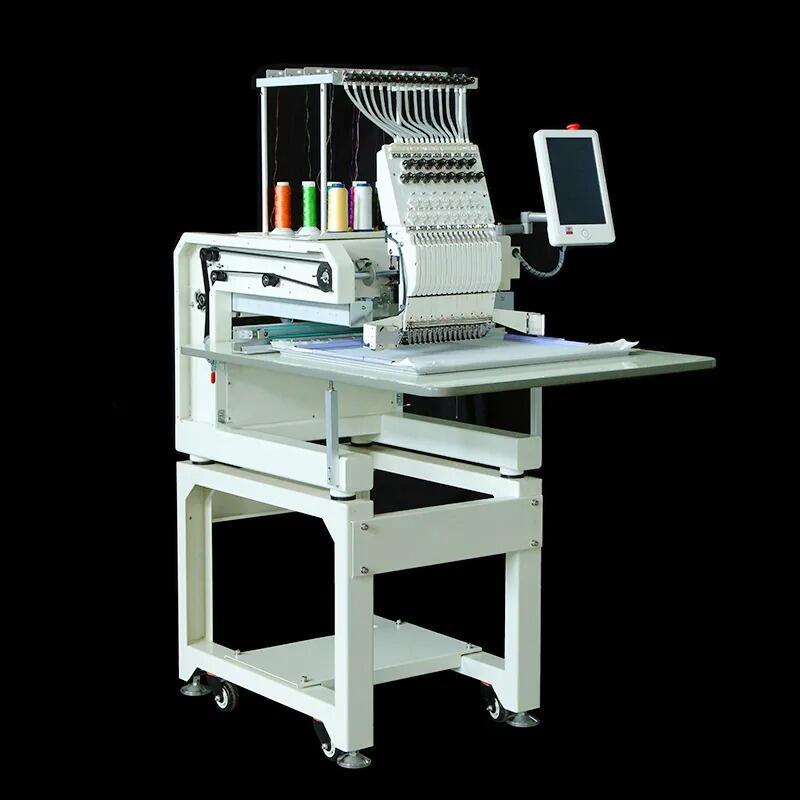
Digital design conversion has transformed modern textile production, enabling manufacturers to achieve precise and consistent embroidery results with computerized equipment. The process of converting artwork into machine-readable formats requires understanding software capabilities, stitch calculations, and material considerations. Professional digitizers utilize specialized programs to translate creative concepts into executable instructions for industrial embroidery sewing machine systems. This comprehensive approach ensures optimal thread placement, proper density calculations, and efficient production workflows that meet both quality standards and commercial timelines.
Understanding Digital Embroidery Fundamentals
Essential Software Requirements
Professional digitizing software serves as the foundation for converting designs into formats compatible with modern embroidery sewing machine systems. Industry-standard applications like Wilcom, Pulse, and Hatch provide comprehensive toolsets for creating, editing, and optimizing embroidery files. These programs offer precise stitch control, automatic underlay generation, and density adjustment capabilities essential for commercial production. Advanced features include color matching systems, thread calculation tools, and quality simulation previews that help operators visualize final results before actual stitching begins.
Vector-based design programs such as Adobe Illustrator and CorelDRAW complement digitizing software by providing superior artwork preparation capabilities. Clean vector graphics translate more effectively into embroidery formats than raster images, resulting in smoother curves and better stitch placement. Professional workflows typically involve creating or refining artwork in vector programs before importing into specialized digitizing software for final conversion and optimization.
File Format Compatibility
Different embroidery sewing machine manufacturers utilize specific file formats that contain stitch data, color information, and production parameters. Common formats include DST for Tajima systems, PES for Brother equipment, and EMB for Bernina machines. Understanding format specifications ensures proper communication between software and hardware components throughout the production process. Modern digitizing software typically supports multiple export formats, allowing operators to create files compatible with various machine brands and models.
File compression and optimization techniques help maintain design integrity while reducing file sizes for efficient data transfer and storage. Advanced digitizing programs automatically optimize stitch paths, eliminate redundant commands, and compress color information without compromising final output quality. These optimizations become particularly important when working with complex designs containing multiple color changes or intricate detail work that requires precise machine control.
Design Preparation and Analysis
Artwork Assessment Techniques
Successful digitizing begins with thorough artwork analysis to identify potential challenges and optimization opportunities. Design complexity, size requirements, and intended fabric types influence digitizing strategies and stitch selection. Small text elements, fine lines, and intricate details may require special handling techniques or modification to ensure readable results on the intended embroidery sewing machine. Professional digitizers evaluate artwork scalability, color separation requirements, and production feasibility during initial assessment phases.
Image resolution and quality significantly impact final embroidery results, particularly when working with photographic or gradient elements. High-resolution reference images provide better detail visibility during digitizing, enabling more accurate stitch placement and color matching decisions. Poor-quality source materials often require significant cleanup and interpretation, potentially affecting production timelines and final appearance standards.
Size and Scaling Considerations
Proper sizing calculations ensure designs translate effectively from digital formats to physical embroidery results. Industry standard measurements use millimeters for precision, with most commercial embroidery sewing machine systems accepting designs up to specific hoop size limitations. Scaling artwork requires understanding minimum thread visibility thresholds, stitch density requirements, and fabric movement considerations that affect final positioning accuracy.
Proportional scaling maintains design integrity while accommodating different production requirements and material constraints. Non-proportional adjustments may be necessary for specific applications like cap embroidery or curved surface decorations where standard scaling produces distorted results. Advanced digitizing software provides tools for compensating geometric distortions and maintaining visual balance across various scaling scenarios.
Stitch Type Selection and Application
Fill Stitch Strategies
Fill stitches form the foundation for solid area coverage in embroidery designs, requiring careful density and angle selection for optimal results. Standard fill densities range from 0.3mm to 0.6mm spacing depending on fabric type, thread weight, and coverage requirements. Modern embroidery sewing machine systems provide automatic density adjustment features that optimize fill parameters based on design characteristics and material specifications.
Stitch angles affect visual texture and thread reflection properties, with directional changes creating subtle shading effects and visual interest. Professional digitizers utilize angle variations to enhance three-dimensional appearance and create depth illusions within flat embroidery work. Proper angle selection also influences fabric stability and reduces puckering tendencies during high-speed production runs on commercial equipment.
Outline and Detail Work
Satin stitches provide excellent coverage for narrow elements like text, borders, and linear design components. Column width settings determine coverage density and appearance quality, with typical ranges from 1mm to 12mm depending on design requirements and thread specifications. Advanced digitizing techniques include tapering controls, corner treatments, and automatic width adjustments that maintain consistent appearance throughout complex path geometries.
Running stitches serve multiple purposes including underlays, outlines, and decorative elements that add texture and definition to embroidery designs. Triple runs and bean stitches provide enhanced durability and visibility for small text or fine detail work that requires maximum impact on the finished product. Strategic running stitch placement helps stabilize fabric areas and reduces shifting during subsequent fill or satin stitch operations on high-speed embroidery sewing machine systems.
Color Management and Thread Selection
Thread Matching Procedures
Accurate color reproduction requires understanding thread characteristics, fabric interactions, and lighting conditions that affect final appearance. Digital color matching systems help translate screen colors into physical thread selections, though visual confirmation remains essential for critical color accuracy requirements. Professional embroidery operations maintain comprehensive thread libraries with digital color codes, manufacturer specifications, and performance data for consistent results across multiple production runs.
Thread weight and composition influence stitch appearance, coverage density, and production speed capabilities on modern embroidery sewing machine equipment. Polyester threads offer excellent color retention and durability, while rayon provides superior luster and color vibrancy for decorative applications. Metallic and specialty threads require adjusted tension settings and modified stitch parameters to prevent breakage and maintain consistent formation quality during high-speed operation.
Color Sequence Optimization
Strategic color ordering minimizes thread changes and reduces production time while maintaining design integrity and appearance quality. Grouping similar colors or organizing sequences by stitch type helps streamline workflow and reduces operator intervention requirements during automated production cycles. Advanced digitizing software provides optimization tools that automatically arrange color sequences for maximum efficiency while preserving design layering and appearance standards.
Jump stitch management and trim commands ensure clean color transitions without excessive thread waste or manual intervention requirements. Proper programming of these commands helps maintain consistent production speeds and reduces finishing time for completed embroidery work. Modern embroidery sewing machine systems can automatically execute complex color change sequences with minimal operator oversight when designs are properly digitized and optimized.
Production Testing and Quality Control
Sample Stitching Procedures
Test stitching represents a critical quality control step that validates digitizing decisions before full production runs begin. Sample pieces allow evaluation of stitch density, thread tension, fabric compatibility, and overall appearance quality under actual production conditions. Professional operations typically stitch samples on identical materials using the same embroidery sewing machine settings planned for final production to ensure accurate assessment results.
Multiple test iterations may be necessary to achieve optimal results, particularly for complex designs or challenging material combinations. Documentation of successful parameters helps establish production standards and provides reference data for similar future projects. Digital photography and measurement tools help quantify quality metrics and maintain consistent standards across different operators and production shifts.
Parameter Adjustment Methods
Fine-tuning digitized designs requires systematic adjustment of stitch parameters based on test results and production feedback. Density modifications, angle adjustments, and underlay changes can significantly improve final appearance and production efficiency. Modern digitizing software provides real-time preview capabilities that help predict adjustment effects before actual stitching occurs on embroidery sewing machine equipment.
Performance metrics including stitch count, production time estimates, and thread consumption calculations help optimize designs for specific production requirements and cost targets. Automated optimization features in advanced software can suggest parameter adjustments based on design characteristics and intended production volumes. These tools help balance quality requirements with efficiency goals for sustainable commercial embroidery operations.
Advanced Digitizing Techniques
Complex Design Strategies
Multi-layer designs require careful planning of stitch sequences and underlay systems to prevent fabric distortion and maintain registration accuracy. Professional digitizers utilize specialized techniques for combining different stitch types, managing color transitions, and optimizing production efficiency for complex artwork. Advanced planning includes consideration of fabric stretch, hoop positioning, and machine capabilities when developing production strategies for challenging designs.
Photorealistic embroidery techniques involve sophisticated color blending, variable density applications, and specialized stitch formations that create gradient effects and detailed imagery. These advanced methods require extensive experience with embroidery sewing machine capabilities and deep understanding of how different stitch parameters interact to produce desired visual effects. Professional training and experimentation help develop skills necessary for executing complex artistic embroidery projects successfully.
Specialty Application Methods
Three-dimensional embroidery effects utilize foam underlays, specialized threads, and modified stitch parameters to create raised textures and sculptural elements. These techniques require precise coordination between digitizing software settings and physical production parameters to achieve consistent results. Modern embroidery sewing machine systems provide enhanced control capabilities that enable complex specialty applications when properly programmed and executed.
Appliqué integration combines fabric elements with embroidery stitching to create dimensional designs with reduced stitch counts and enhanced visual impact. Digitizing appliqué work requires precise placement calculations, attachment stitch optimization, and coordination with cutting equipment or manual preparation processes. Successful appliqué embroidery relies on accurate templates, consistent material handling, and optimized embroidery sewing machine programming for efficient production workflows.
Production Optimization and Efficiency
Workflow Enhancement
Streamlined digitizing workflows incorporate standardized procedures, template libraries, and automated optimization features that reduce production time and maintain quality consistency. Professional operations develop custom databases of successful parameters, proven techniques, and optimized settings that can be applied to similar design categories. These resources help maintain consistent quality standards while reducing the time required for individual project setup and testing.
Integration between digitizing software and production management systems enables automated job processing, real-time status tracking, and efficient resource allocation across multiple embroidery sewing machine units. Modern production environments utilize networked systems that coordinate design distribution, machine scheduling, and quality control processes for maximum operational efficiency. These integrated approaches help minimize downtime and optimize equipment utilization rates.
Cost Control Strategies
Stitch count optimization directly impacts production costs through reduced machine time, thread consumption, and labor requirements. Professional digitizers balance quality requirements with efficiency goals by eliminating unnecessary stitches, optimizing path sequences, and minimizing color changes without compromising final appearance standards. Advanced software tools provide automated optimization features that can significantly reduce stitch counts while maintaining design integrity and visual impact.
Material utilization planning includes consideration of fabric waste, thread consumption, and stabilizer requirements that affect overall project profitability. Efficient design layouts maximize material usage while maintaining proper spacing for embroidery sewing machine operation and finishing processes. Strategic planning of production sequences and material handling procedures helps minimize waste and optimize resource utilization across multiple projects and production runs.
FAQ
What software is best for beginners learning embroidery digitizing?
Entry-level digitizing software such as Hatch Embroidery, SewWhat-Pro, or PE-Design provides user-friendly interfaces with comprehensive tutorial resources and automated features that help beginners learn fundamental concepts. These programs offer simplified workflows while maintaining compatibility with professional embroidery sewing machine systems. Starting with basic software allows gradual skill development before transitioning to more advanced professional-grade applications that offer greater control and customization options.
How long does it typically take to digitize a complex logo design?
Complex logo digitizing can require anywhere from 2-8 hours depending on design intricacy, color count, size requirements, and quality standards. Simple text-based logos may be completed in 30-60 minutes, while detailed artwork with multiple elements, gradients, or specialty techniques requires significantly more time for proper execution. Professional digitizers factor in testing time, revisions, and optimization phases when estimating project timelines for commercial embroidery sewing machine production.
What stitch density should I use for different fabric types?
Lightweight fabrics like cotton shirts typically require 0.4-0.5mm stitch density, while heavier materials such as canvas or denim can accommodate 0.3-0.4mm spacing for optimal coverage. Knit fabrics need slightly wider spacing (0.5-0.6mm) to prevent excessive perforation and stretching during embroidery production. Modern embroidery sewing machine systems often include automatic density adjustment features, but manual optimization based on specific material characteristics usually produces superior results.
How do I prevent thread breaks during high-speed embroidery production?
Thread break prevention involves optimizing digitizing parameters including proper underlay selection, appropriate stitch density, minimized jump distances, and smooth directional transitions. Using high-quality threads compatible with your embroidery sewing machine specifications, maintaining proper tension settings, and ensuring clean machine threading all contribute to reliable operation. Regular maintenance of machine components, proper needle selection for thread and fabric combinations, and gradual speed increases for complex designs help minimize production interruptions and maintain consistent quality output.