

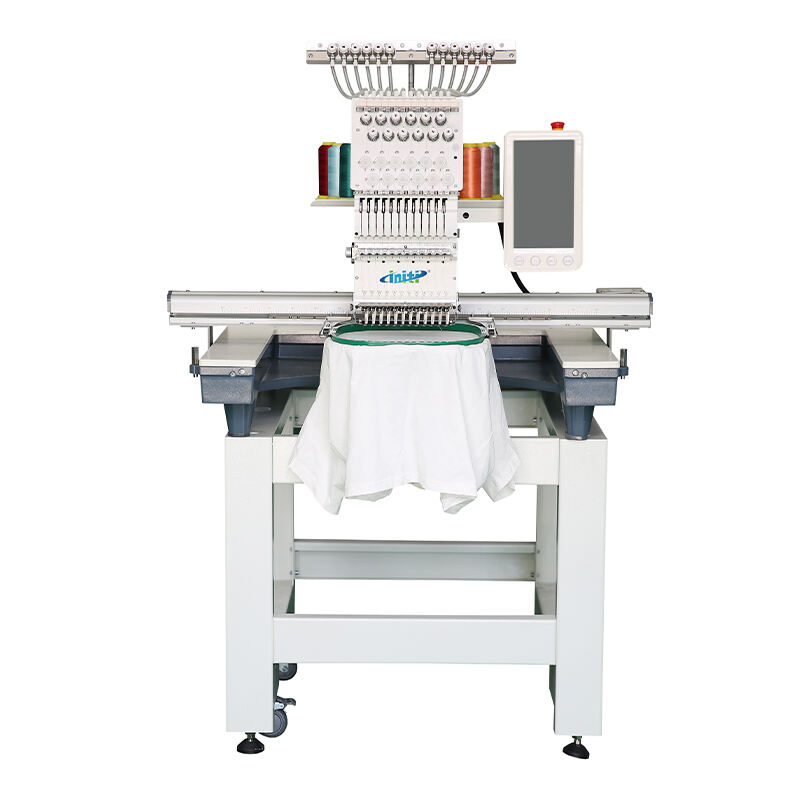
The embroidery industry has witnessed remarkable transformations in recent years, with manufacturers increasingly focusing on making advanced technology accessible through budget embroidery machines. These affordable alternatives to high-end industrial models are revolutionizing how small businesses, hobbyists, and entrepreneurs approach embroidery projects. Modern budget embroidery machines now incorporate sophisticated features that were once exclusive to premium models, challenging traditional notions about what constitutes professional-grade equipment.
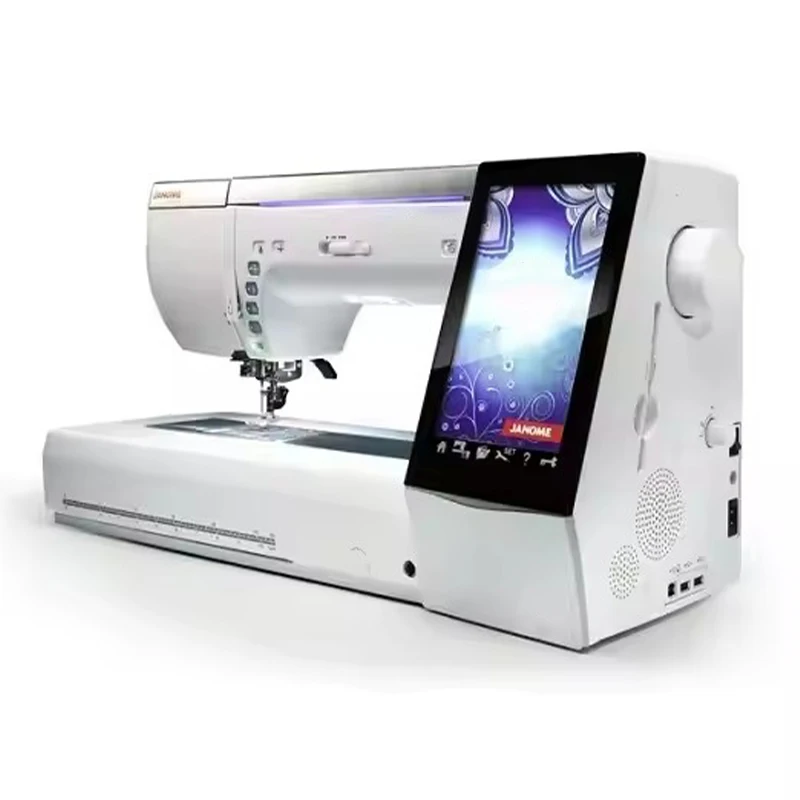
The evolution of budget embroidery machines represents a significant shift in manufacturing priorities, where cost-effectiveness meets functionality. Today's affordable models feature computerized controls, multiple stitch patterns, and automated threading systems that enhance productivity while maintaining quality standards. This democratization of embroidery technology has opened new opportunities for creative professionals and businesses operating with limited capital investment.
Technological Innovations in Affordable Embroidery Equipment
Digital Control Systems and User Interfaces
Modern budget embroidery machines incorporate sophisticated digital control systems that rival those found in expensive industrial models. These systems feature intuitive touchscreen interfaces that allow operators to easily navigate through various functions, adjust stitch parameters, and monitor progress in real-time. The integration of microprocessors enables precise control over needle movement, thread tension, and embroidery speed, ensuring consistent results across different fabric types and design complexities.
The user interface design in contemporary budget embroidery machines emphasizes accessibility and ease of operation. Many models include LCD displays that provide clear visual feedback about machine status, selected patterns, and operational parameters. Advanced menu systems guide users through setup procedures, making it possible for beginners to achieve professional results without extensive training. These digital innovations have significantly reduced the learning curve associated with embroidery machine operation.
Software compatibility represents another crucial advancement in budget embroidery machines, with many models supporting popular design file formats including DST, PES, and JEF. This compatibility ensures users can work with designs created in various embroidery software packages, expanding creative possibilities and workflow flexibility. Some machines even include built-in design editing capabilities, allowing operators to make minor adjustments without external software.
Automated Threading and Tension Control
One of the most significant technological leaps in budget embroidery machines involves automated threading systems that eliminate manual needle threading procedures. These systems use precision guides and vacuum mechanisms to draw thread through needle eyes automatically, reducing setup time and minimizing operator frustration. The automation extends to bobbin threading in some models, further streamlining the preparation process.
Tension control systems in affordable embroidery machines now feature automatic adjustment capabilities that respond to different thread types and fabric characteristics. Sensors monitor thread tension continuously during operation, making real-time adjustments to prevent thread breaks and maintain consistent stitch quality. This intelligent tension management reduces waste and improves overall embroidery quality, particularly important for budget-conscious operations.
Advanced threading mechanisms also incorporate thread cutting features that automatically trim threads at the end of color segments or design completion. This automation reduces manual intervention requirements and improves overall efficiency, allowing operators to focus on design placement and quality control rather than routine maintenance tasks. The integration of these features in budget embroidery machines demonstrates how manufacturers prioritize user experience and operational efficiency.
Design Capabilities and Pattern Diversity
Built-in Pattern Libraries and Customization Options
Contemporary budget embroidery machines come equipped with extensive built-in pattern libraries that include hundreds of designs ranging from simple decorative elements to complex multi-color compositions. These libraries typically feature alphabets in various fonts, decorative borders, floral motifs, and seasonal designs that cater to diverse customer preferences and market demands. The quality and variety of included patterns have improved dramatically, reflecting advances in design software and digital storage capabilities.
Customization features in modern budget embroidery machines enable users to modify existing patterns or create unique combinations through built-in editing tools. Operators can adjust design sizes, rotate patterns, combine multiple elements, and even create mirror images without requiring external software. These capabilities transform basic pattern libraries into comprehensive design resources that support creative exploration and custom embroidery services.
Memory expansion options in budget embroidery machines allow users to store additional designs through USB connectivity or memory card slots. This expandability ensures that pattern libraries can grow with business needs and customer demands, providing long-term value and operational flexibility. Some machines also support cloud connectivity for accessing online design repositories and software updates.
Multi-Format Support and Design Import Capabilities
File format compatibility represents a crucial consideration for budget embroidery machines, as users need flexibility to work with designs from various sources. Modern affordable models support multiple embroidery file formats, enabling seamless integration with popular design software packages and online design marketplaces. This compatibility eliminates format conversion requirements and simplifies workflow management for small businesses and independent operators.
Design import capabilities in budget embroidery machines have expanded to include direct connectivity options through USB ports, wireless networks, and mobile device integration. These connectivity features enable rapid design transfer and reduce setup time between projects. Some machines even support direct import from smartphones and tablets, appealing to younger users and mobile-centric business models.
Advanced budget embroidery machines now include design preview functions that display selected patterns on screen before stitching begins. This preview capability allows operators to verify design placement, check for potential issues, and make adjustments before committing thread and fabric to the embroidery process. Preview functions significantly reduce material waste and improve customer satisfaction by ensuring accurate design execution.
Performance Features and Operational Efficiency
Speed and Precision Capabilities
Stitching speed represents a critical performance metric for budget embroidery machines, with modern models achieving speeds that approach those of premium equipment. Many affordable machines now operate at speeds exceeding 800 stitches per minute while maintaining precise needle placement and consistent stitch formation. This performance improvement reflects advances in motor technology, mechanical engineering, and control system sophistication.
Precision capabilities in budget embroidery machines have improved through better mechanical construction and enhanced positioning systems. Modern machines feature rigid frame designs that minimize vibration and ensure accurate needle placement throughout extended operation periods. Positioning accuracy improvements enable complex design execution with fine details and tight registration between color changes.
Variable speed controls in contemporary budget embroidery machines allow operators to adjust stitching speed based on fabric type, design complexity, and thread characteristics. This flexibility enables optimization for different applications, from delicate fabrics requiring slow, careful stitching to standard materials that can accommodate maximum speed operation. Speed control features contribute to both quality outcomes and operational efficiency.
Hooping Systems and Fabric Handling
Hooping systems in modern budget embroidery machines incorporate quick-change mechanisms that reduce setup time between projects and improve overall productivity. These systems often feature magnetic or snap-lock mechanisms that secure fabric firmly while enabling rapid hoop changes. Improved hooping designs accommodate various fabric thicknesses and maintain consistent tension throughout the embroidery process.
Multiple hoop size options expand the versatility of budget embroidery machines, enabling work on projects ranging from small logos to large decorative panels. Standard hoop sets typically include sizes from 4x4 inches to 8x12 inches, covering most common embroidery applications. Some machines support even larger hoops through accessory purchases, extending capability without requiring equipment upgrades.
Fabric handling improvements in budget embroidery machines include better presser foot designs and enhanced feed mechanisms that work effectively with various material types. These improvements enable successful embroidery on challenging fabrics including stretchy knits, thick leather, and lightweight materials that traditionally required specialized equipment. Enhanced fabric handling capabilities expand market opportunities for budget embroidery machines users.
Maintenance and Reliability Considerations
Routine Maintenance Requirements
Maintenance requirements for modern budget embroidery machines have been simplified through improved design and better component quality. Routine maintenance typically involves cleaning lint accumulation, oiling specified points, and checking thread tension settings. Many machines include maintenance reminder systems that alert operators when service intervals approach, helping prevent performance degradation and extending equipment life.
Accessibility improvements in budget embroidery machines enable operators to perform routine maintenance tasks without specialized tools or extensive disassembly. Component placement prioritizes easy access to areas requiring regular attention, while maintenance-free sealed bearings reduce lubrication requirements. These design considerations minimize operational disruptions and reduce long-term maintenance costs.
Diagnostic capabilities in advanced budget embroidery machines help identify potential issues before they cause operational problems. Self-diagnostic systems monitor critical parameters including motor performance, thread tension, and mechanical alignment, alerting operators to developing problems. Early problem detection enables proactive maintenance scheduling and prevents costly repairs or extended downtime periods.
Durability and Component Quality
Component quality improvements in budget embroidery machines reflect advances in manufacturing processes and materials science. Modern machines incorporate precision-machined components, improved bearing designs, and enhanced electrical systems that provide reliable operation over extended periods. Quality improvements have narrowed the durability gap between budget and premium embroidery equipment significantly.
Frame construction in contemporary budget embroidery machines emphasizes rigidity and vibration resistance through improved materials and engineering designs. Aluminum and steel frame combinations provide structural integrity while maintaining reasonable weight and cost targets. Enhanced frame designs contribute to improved stitch quality and reduced maintenance requirements through better mechanical stability.
Electrical system reliability in modern budget embroidery machines benefits from improved component selection and circuit design practices. Better power supply designs provide stable voltage regulation, while enhanced control circuits offer improved noise immunity and operational reliability. These electrical improvements reduce the likelihood of operational disruptions and extend equipment service life.
Market Applications and Business Opportunities
Small Business and Entrepreneurial Applications
Budget embroidery machines have opened new opportunities for small business entrepreneurs seeking to enter the custom apparel and promotional products markets. Low initial investment requirements make embroidery services accessible to individuals with limited capital, while advanced features enable competitive service quality. Many successful embroidery businesses have started with budget embroidery machines before expanding to larger equipment as demand grew.
Home-based embroidery services represent a growing market segment supported by budget embroidery machines capabilities. These machines enable operators to provide professional-quality embroidery services from residential locations, serving local customers and online markets. Compact designs and relatively quiet operation make budget embroidery machines suitable for home-based business operations without zoning or noise concerns.
Educational institutions benefit from budget embroidery machines through reduced equipment costs and simplified operation procedures. Schools and training centers can provide hands-on embroidery instruction without major capital investments, while students gain experience with equipment similar to commercial models. Educational applications help develop skilled operators for the embroidery industry while providing practical learning opportunities.
Customization Services and Niche Markets
Customization services represent prime applications for budget embroidery machines, particularly in markets requiring personalized products with moderate volume requirements. These machines excel at producing custom logos, names, and decorative elements for apparel, accessories, and promotional items. The flexibility of budget embroidery machines suits customization services that require frequent design changes and diverse product types.
Specialty markets including pet accessories, infant clothing, and hobby-related items benefit from the capabilities of modern budget embroidery machines. These niche markets often require specialized designs and small production runs that align well with the operational characteristics of affordable embroidery equipment. Budget embroidery machines enable entry into specialty markets without significant capital risk.
Seasonal and event-based embroidery services find budget embroidery machines particularly suitable due to their quick setup capabilities and design flexibility. Holiday decorations, sports team merchandise, and special event commemoratives require rapid turnaround and design adaptability that budget embroidery machines can provide effectively. These applications often command premium pricing despite using affordable equipment.
FAQ
What advanced features can I expect in modern budget embroidery machines
Modern budget embroidery machines include computerized controls, automatic threading systems, multiple built-in designs, USB connectivity, and touchscreen interfaces. Many models feature variable speed controls, automatic thread cutting, and design editing capabilities that were previously available only in expensive commercial machines. These advanced features enable professional-quality results at affordable price points.
How do budget embroidery machines compare to expensive commercial models in terms of performance
Contemporary budget embroidery machines achieve stitching speeds and precision levels that closely approach commercial equipment performance. While heavy-duty commercial machines may offer superior durability for continuous operation, budget embroidery machines provide excellent performance for small to medium volume production requirements. The main differences typically involve construction robustness and maximum operating speeds rather than fundamental capabilities.
Can budget embroidery machines handle complex multi-color designs effectively
Yes, modern budget embroidery machines can execute complex multi-color designs with automatic color change capabilities and precise registration between colors. Advanced tension control systems and positioning accuracy enable successful completion of intricate patterns with multiple thread colors. Design preview functions help ensure proper execution before beginning the embroidery process, reducing material waste and improving results.
What maintenance requirements should I expect with budget embroidery machines
Routine maintenance for budget embroidery machines typically involves regular cleaning, occasional lubrication of specified points, and periodic tension adjustments. Many models include maintenance reminder systems and self-diagnostic capabilities that help prevent problems before they occur. Overall maintenance requirements have been simplified in modern machines through improved component design and better accessibility to service points.
Table of Contents
- Technological Innovations in Affordable Embroidery Equipment
- Design Capabilities and Pattern Diversity
- Performance Features and Operational Efficiency
- Maintenance and Reliability Considerations
- Market Applications and Business Opportunities
-
FAQ
- What advanced features can I expect in modern budget embroidery machines
- How do budget embroidery machines compare to expensive commercial models in terms of performance
- Can budget embroidery machines handle complex multi-color designs effectively
- What maintenance requirements should I expect with budget embroidery machines