

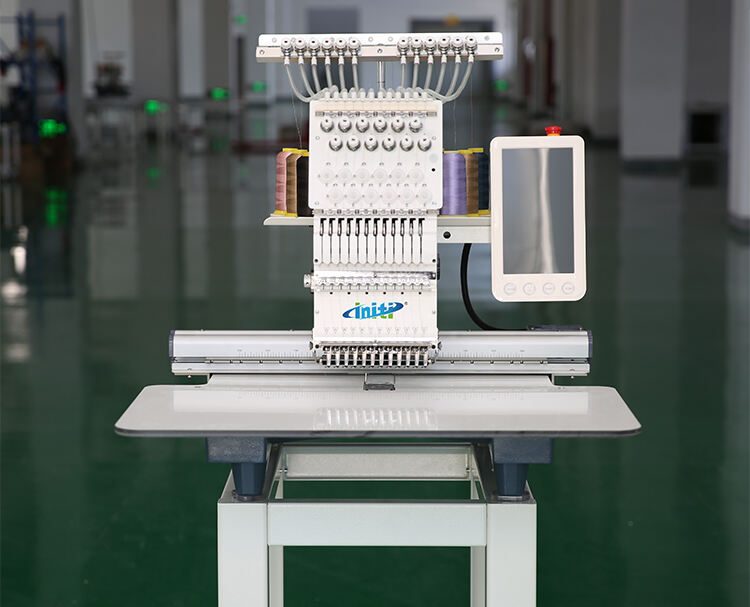
Purchasing a cheap embroidery machine can be an excellent way to start your embroidery journey or expand your crafting capabilities without breaking the bank. However, many buyers fall into common traps that lead to frustration, poor results, and ultimately wasted money. Understanding these pitfalls before making your purchase decision will help you find a quality cheap embroidery machine that meets your needs and delivers reliable performance for years to come.
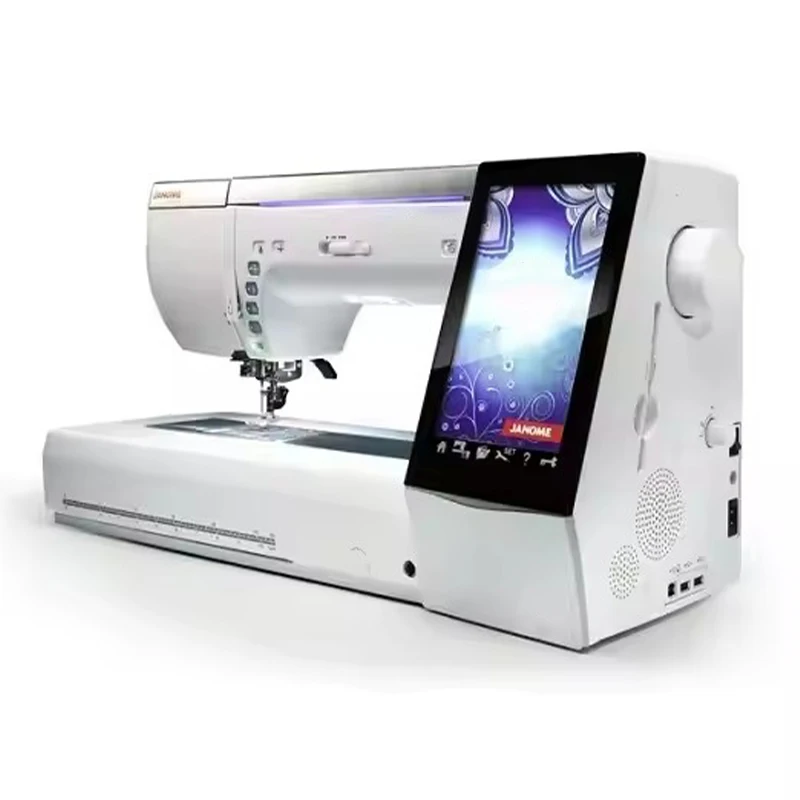
Understanding Quality Standards in Budget Embroidery Equipment
Defining Quality Versus Price in Embroidery Machines
The relationship between price and quality in embroidery machines is not always straightforward. A cheap embroidery machine does not necessarily mean poor quality, but it requires careful evaluation of key features and construction standards. Quality budget machines often sacrifice advanced features rather than basic functionality, allowing manufacturers to offer reliable performance at lower price points. Understanding which features are essential versus nice-to-have helps buyers make informed decisions when selecting affordable embroidery equipment.
When evaluating a cheap embroidery machine, focus on core mechanical components rather than digital bells and whistles. The frame stability, needle mechanism precision, and thread tension consistency are fundamental aspects that directly impact embroidery quality. These mechanical elements should never be compromised, even in budget models, as they determine the machine's ability to produce clean, professional-looking embroidery work consistently over time.
Essential Performance Metrics for Budget Models
Performance metrics provide objective measures for comparing different cheap embroidery machine options. Stitching speed, measured in stitches per minute, indicates how quickly the machine can complete projects, though slower speeds often mean better precision in budget models. Embroidery area size determines the maximum design dimensions the machine can handle, with larger areas offering more versatility for various project types and sizes.
Thread compatibility and needle system design significantly impact the versatility of any cheap embroidery machine. Machines that accept standard needle types and work with various thread weights provide better long-term value and flexibility. Additionally, the machine's ability to maintain consistent tension across different fabric types demonstrates quality engineering, even in budget-priced equipment that prioritizes essential functionality over premium features.
Common Purchasing Mistakes That Lead to Disappointment
Overlooking Software Compatibility and Support
Many buyers focus solely on hardware specifications while neglecting software compatibility, leading to significant frustration after purchase. A cheap embroidery machine with incompatible or outdated software can severely limit design options and workflow efficiency. Modern embroidery work relies heavily on digital design files, making software integration crucial for productive machine operation and creative flexibility in project execution.
Design file format support varies significantly among different machine manufacturers and models. Ensuring your chosen cheap embroidery machine supports common formats like PES, DST, and JEF prevents compatibility issues with purchased or downloaded designs. Additionally, consider the availability of design editing software, as basic editing capabilities can greatly expand your creative options without requiring expensive third-party applications or professional design services.
Ignoring Long-Term Maintenance Requirements
Maintenance accessibility and part availability often receive insufficient attention during the initial purchase decision. A cheap embroidery machine with difficult maintenance procedures or expensive replacement parts can become costly over time, negating initial savings. Understanding routine maintenance requirements, such as cleaning schedules and lubrication needs, helps buyers assess the true long-term cost of ownership beyond the initial purchase price.
Warranty coverage and technical support availability vary dramatically among budget embroidery machine manufacturers. Some companies offer comprehensive support for their cheap embroidery machine models, while others provide minimal assistance. Researching manufacturer reputation, warranty terms, and customer service quality before purchase prevents future frustration when technical issues arise or routine maintenance becomes necessary for continued operation.
Technical Specifications That Matter Most
Frame Stability and Mechanical Precision
Frame construction directly influences embroidery quality and machine longevity, making it a critical consideration when selecting any cheap embroidery machine. Solid metal frames provide superior stability compared to plastic alternatives, reducing vibration and maintaining consistent stitch placement throughout long embroidery runs. This stability becomes particularly important when working on dense designs or using heavier fabrics that place additional stress on the machine's mechanical systems.
Mechanical precision in budget machines requires careful evaluation of key components like the needle bar mechanism and hoop positioning system. These elements determine the machine's ability to maintain accurate stitch placement and consistent tension throughout complex designs. A well-engineered cheap embroidery machine should demonstrate smooth operation and minimal mechanical play in moving parts, ensuring reliable performance despite its lower price point compared to premium alternatives.
Electrical System Reliability and Power Requirements
Electrical system design impacts both performance reliability and energy efficiency in embroidery machines. A quality cheap embroidery machine should feature stable power delivery and appropriate surge protection to prevent damage from electrical fluctuations. Understanding power consumption characteristics helps users plan appropriate electrical infrastructure and avoid potential issues with circuit overloading during extended operation periods or when using multiple machines simultaneously.
Motor specifications, including torque ratings and speed control precision, determine the machine's ability to handle various fabric types and thread weights effectively. Budget machines often use simpler motor control systems, but these should still provide smooth speed transitions and consistent power delivery. Evaluating motor performance characteristics helps buyers identify cheap embroidery machine options that offer reliable operation without compromising essential functionality for cost savings.
Evaluating Manufacturer Reputation and Support
Research Methods for Manufacturer Assessment
Manufacturer reputation research requires examining multiple information sources to build a comprehensive understanding of company reliability and product quality. Online reviews, industry forums, and trade publications provide valuable insights into real-world performance of different cheap embroidery machine brands. However, distinguishing between legitimate feedback and promotional content requires careful analysis of review patterns, reviewer credentials, and consistency across multiple platforms and time periods.
Industry certifications and compliance standards indicate manufacturer commitment to quality and safety requirements. Reputable companies producing cheap embroidery machine models typically maintain certifications for electrical safety, electromagnetic compatibility, and quality management systems. These certifications provide assurance that even budget-priced machines meet basic safety and performance standards, reducing risks associated with purchasing from unknown or unverified manufacturers seeking to minimize costs through quality compromises.
Support Infrastructure and Resource Availability
Technical support infrastructure significantly impacts the ownership experience with any cheap embroidery machine. Companies offering comprehensive support resources, including detailed manuals, video tutorials, and responsive customer service, provide better long-term value than those with minimal support offerings. Evaluating available resources before purchase helps buyers understand what assistance will be available when questions or issues arise during machine setup and operation.
Parts availability and service network accessibility become crucial factors for maintaining a cheap embroidery machine over its operational lifetime. Manufacturers with established parts distribution networks and authorized service centers provide better support for repairs and maintenance needs. Additionally, companies that offer detailed parts diagrams and maintenance instructions enable users to perform routine maintenance tasks independently, reducing long-term operational costs and minimizing downtime for repairs.
Smart Shopping Strategies for Budget Embroidery Equipment
Timing and Market Analysis for Best Deals
Market timing significantly influences pricing for embroidery equipment, with seasonal patterns and industry events creating opportunities for substantial savings. Understanding these cycles helps buyers identify optimal purchasing windows when manufacturers and retailers offer promotions on cheap embroidery machine inventory. Trade shows, holiday seasons, and model year transitions typically generate the best pricing opportunities for budget-conscious buyers seeking quality equipment at reduced costs.
Comparing prices across multiple vendors and channels reveals significant price variations for identical cheap embroidery machine models. Online retailers, local dealers, and direct manufacturer sales often have different pricing structures and promotional schedules. Thorough market research, including consideration of shipping costs, warranty coverage, and included accessories, ensures buyers identify the best overall value rather than simply the lowest initial price for their chosen machine model.
Feature Prioritization and Compromise Strategies
Successful cheap embroidery machine selection requires identifying essential features versus desirable but non-critical capabilities. Core functionality should never be compromised for additional features, as basic performance limitations cannot be overcome through software updates or accessories. Prioritizing mechanical reliability, stitch quality, and user interface simplicity over advanced features ensures the selected machine meets primary embroidery needs effectively within budget constraints.
Future expansion considerations help buyers select cheap embroidery machine models that accommodate growing skills and project complexity. Machines with modular design elements or upgrade pathways provide better long-term value than highly specialized units with limited flexibility. Additionally, considering compatibility with existing equipment and software investments prevents costly transitions when upgrading or expanding embroidery capabilities as experience and project requirements evolve over time.
FAQ
What is the typical lifespan of a cheap embroidery machine with regular use
A well-maintained cheap embroidery machine can typically last 3-7 years with regular hobbyist use, depending on build quality and maintenance practices. Higher-quality budget models often exceed this range when properly cared for, while poorly constructed machines may require replacement sooner. Key factors influencing lifespan include usage frequency, maintenance consistency, and the quality of original components used in construction.
How much should I expect to spend on accessories and supplies for a budget embroidery machine
Initial accessory costs for a cheap embroidery machine typically range from 200-500 dollars, including essential items like additional hoops, stabilizers, threads, and needles. Ongoing supply costs vary based on project frequency and complexity, but budget approximately 50-100 dollars monthly for active users. Investing in quality accessories often provides better results than purchasing the cheapest options available for critical items like stabilizers and threads.
Can a cheap embroidery machine handle commercial-quality projects
While cheap embroidery machine models may not match commercial machine capabilities, many budget units can produce professional-quality results for smaller projects with proper technique and materials. Limitations typically include slower speeds, smaller embroidery areas, and reduced durability under heavy use. Success depends on matching project requirements to machine capabilities and maintaining realistic expectations about production capacity and complexity limits.
What safety considerations are important when operating budget embroidery equipment
Safety considerations for cheap embroidery machine operation include ensuring proper electrical grounding, maintaining clear workspace areas, and following manufacturer guidelines for thread and needle specifications. Budget machines may lack some safety features found in premium models, making operator awareness more critical. Regular maintenance and inspection help identify potential safety issues before they become serious problems that could cause injury or equipment damage.
Table of Contents
- Understanding Quality Standards in Budget Embroidery Equipment
- Common Purchasing Mistakes That Lead to Disappointment
- Technical Specifications That Matter Most
- Evaluating Manufacturer Reputation and Support
- Smart Shopping Strategies for Budget Embroidery Equipment
-
FAQ
- What is the typical lifespan of a cheap embroidery machine with regular use
- How much should I expect to spend on accessories and supplies for a budget embroidery machine
- Can a cheap embroidery machine handle commercial-quality projects
- What safety considerations are important when operating budget embroidery equipment