

Starting your embroidery journey can feel overwhelming, especially when choosing the right equipment. An embroidery machine opens up endless creative possibilities, from personalizing clothing to creating stunning home décor pieces. For beginners, selecting the perfect embroidery machine requires understanding key features, budget considerations, and ease of use. The right choice will determine whether your crafting experience becomes enjoyable and productive or frustrating and costly.
Essential Features Every Beginner Should Consider
Built-in Design Library and Memory
A comprehensive built-in design library serves as your creative foundation when starting with machine embroidery. Look for machines that include at least 50 to 100 pre-programmed designs, including alphabets, decorative borders, and seasonal motifs. These designs eliminate the immediate need to purchase additional patterns or learn complex digitizing software. Memory capacity also matters significantly, as it determines how many custom designs you can store and access without external storage devices.
Modern machines often feature USB connectivity, allowing you to import designs from online sources or create backups of your favorite patterns. Some entry-level models include basic editing functions, enabling you to resize, rotate, or combine designs directly on the machine. This feature proves invaluable when you want to customize projects without investing in expensive software initially.
Automatic Threading and Needle Systems
Threading complications can quickly discourage new embroiderers, making automatic threading systems highly desirable for beginners. Machines equipped with automatic needle threading save time and reduce eye strain, especially during long crafting sessions. Additionally, consider models with automatic thread cutting capabilities, which eliminate manual trimming between color changes and jump stitches.
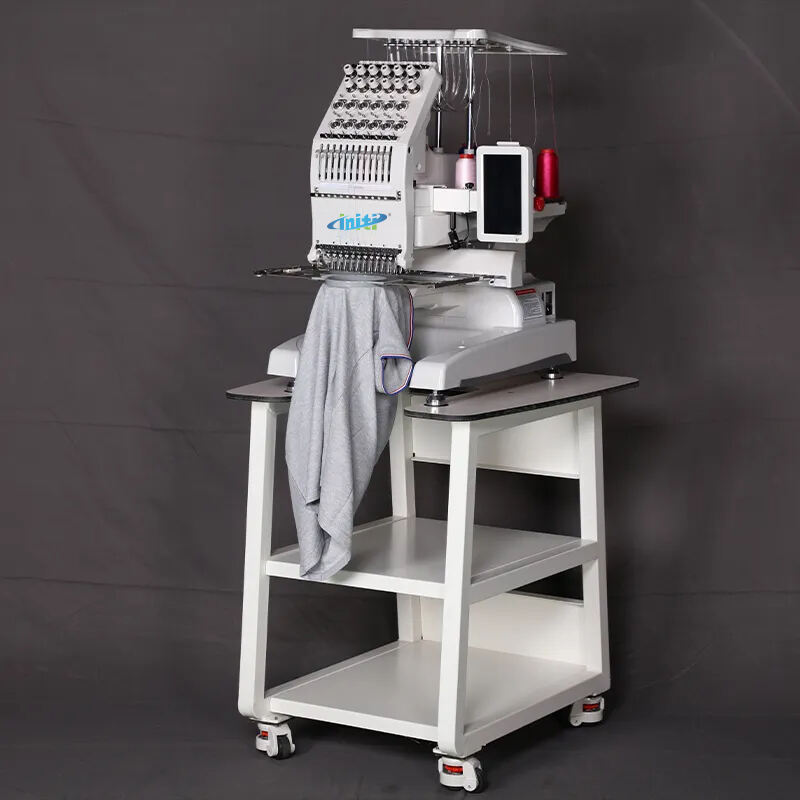
The needle system design affects both convenience and stitch quality. Single-needle machines require manual thread changes for multi-color designs but typically cost less and occupy minimal workspace. Multi-needle systems allow seamless color transitions but involve higher initial investments. For beginners, single-needle machines with efficient threading mechanisms often provide the best balance of functionality and affordability.
Budget Considerations and Value Assessment
Entry-Level Price Ranges
Beginner-friendly machines typically range from $300 to $1,500, with significant feature variations across this spectrum. Entry-level models under $500 often include basic embroidery functions, limited hoop sizes, and fewer built-in designs. Mid-range options between $500 and $1,000 frequently offer larger embroidery areas, more design options, and enhanced user interfaces that simplify operation.
Premium beginner machines exceeding $1,000 usually incorporate advanced features like automatic thread cutting, larger color displays, and professional-grade construction. While these models require higher initial investments, they often provide better long-term value through durability and expanded capabilities. Consider your commitment level and projected usage when determining appropriate budget allocations.
Hidden Costs and Ongoing Expenses
Beyond the initial purchase price, factor in ongoing operational costs that impact your total investment. Embroidery thread represents a significant recurring expense, with quality polyester or rayon threads costing $2-5 per spool. Stabilizer materials, essential for proper stitch formation, add another $20-30 monthly for active users. Hooping accessories, needles, and maintenance supplies contribute additional costs throughout your embroidery journey.
Design purchases can quickly accumulate expenses if you rely heavily on commercial patterns. Many beginners underestimate these costs, focusing solely on machine prices. Budget approximately $50-100 monthly for supplies and designs when calculating total ownership costs. Some manufacturers offer subscription services or design bundles that provide better value for frequent users.
User-Friendly Features That Matter
Intuitive Control Interfaces
Modern embroidery machine interfaces have evolved significantly, with touchscreen displays becoming standard on many models. Clear, colorful screens displaying design previews, stitch progress, and threading guides make operations more intuitive for newcomers. Look for machines with logical menu structures and clearly labeled function buttons that minimize confusion during project setup.
Help systems and on-screen tutorials add tremendous value for beginners learning basic operations. Some machines include step-by-step guidance for common tasks like hooping fabric, changing threads, or adjusting tension settings. These features reduce dependence on printed manuals and provide immediate assistance when problems arise during crafting sessions.
Hoop Systems and Fabric Handling
Efficient hooping mechanisms directly impact both ease of use and final stitch quality. Magnetic hoops simplify fabric placement and reduce marking or damage compared to traditional screw-type systems. Quick-release mechanisms allow rapid hoop changes when working on multiple projects or different fabric types. Consider machines that include multiple hoop sizes to accommodate various project scales.
Automatic fabric sensors and presser foot pressure adjustments help maintain consistent stitch formation across different material thicknesses. These features become particularly valuable when working with challenging fabrics like thick denim, delicate silk, or stretchy knits. Proper fabric handling capabilities expand your creative possibilities while reducing frustration from poor stitch quality.
Maintenance and Durability Factors
Routine Maintenance Requirements
Regular maintenance ensures optimal performance and extends machine lifespan significantly. Basic cleaning involves removing lint and thread debris from the bobbin area, needle bar, and thread path after every few projects. Most manufacturers recommend professional servicing annually or after specific usage intervals, typically measured in operating hours or stitch counts.
Lubrication requirements vary by model, with some machines featuring automatic oiling systems while others need manual attention. Understanding these requirements before purchase helps establish realistic ownership expectations. Machines requiring frequent manual maintenance may not suit users seeking minimal upkeep responsibilities.
Warranty Coverage and Support
Comprehensive warranty coverage provides peace of mind for significant investments in embroidery equipment. Standard warranties typically cover mechanical defects for one to three years, with some manufacturers offering extended coverage options. Electronic components, displays, and software often receive separate warranty terms that may differ from mechanical coverage periods.
Technical support quality varies dramatically between manufacturers, affecting your ownership experience substantially. Research available support channels, including phone assistance, online resources, and local dealer networks. Companies offering extensive online tutorials, user forums, and responsive customer service provide better long-term value than those with limited support infrastructure.
Popular Beginner Models and Recommendations
Single-Needle Entry Options
Several manufacturers produce excellent entry-level single-needle machines that balance features with affordability. These models typically offer 4x4 inch embroidery areas, sufficient for most beginner projects like monogramming, small decorative elements, and appliqué work. Built-in design libraries usually include 50-200 patterns, providing immediate creative options without additional purchases.
Connection options vary, with USB ports becoming standard for design transfer. Some models include wireless connectivity, enabling direct downloads from manufacturer websites or design marketplaces. Consider machines with computer connectivity if you plan to create or edit designs using digitizing software in the future.
Combination Sewing and Embroidery Machines
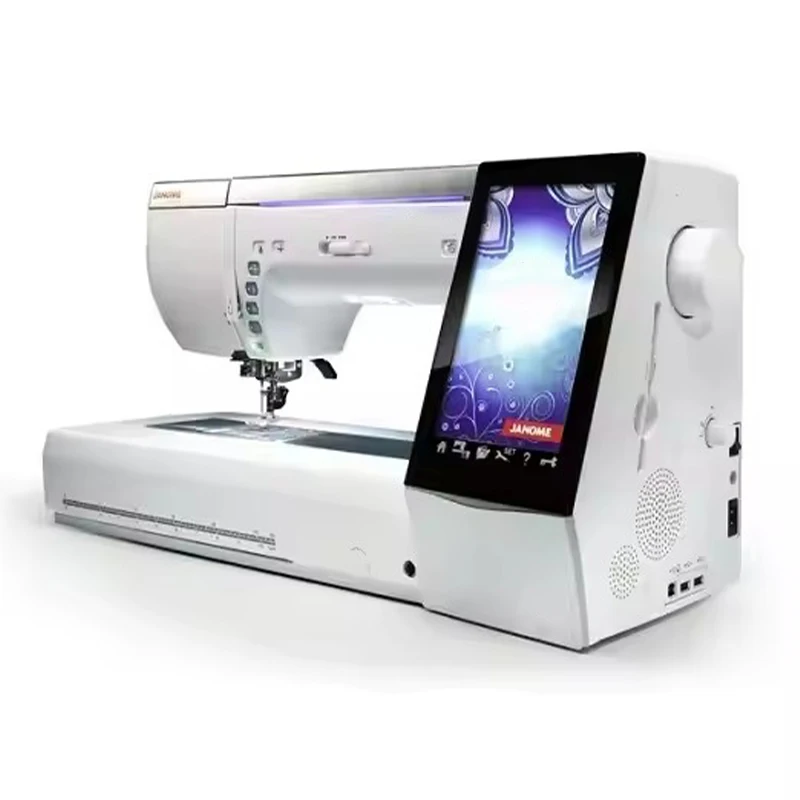
Combination units appeal to crafters interested in both traditional sewing and embroidery capabilities. These versatile machines eliminate the need for separate equipment while often costing less than purchasing individual units. However, combination machines may compromise somewhat on specialized embroidery features compared to dedicated models in similar price ranges.
Transition mechanisms between sewing and embroidery modes affect convenience and setup time. Look for models with simple conversion processes that don't require extensive machine reconfiguration. Some combinations include separate embroidery modules that attach when needed, maintaining full sewing functionality while providing embroidery capabilities.
FAQ
What embroidery area size do beginners need
Most beginner projects work well within a 4x4 inch embroidery area, which accommodates monograms, small decorative designs, and appliqué elements. This size handles typical clothing embellishments, baby items, and home décor accents effectively. Larger areas like 5x7 or 6x10 inches provide more versatility but increase machine costs and workspace requirements significantly.
How much should beginners spend on their first machine
A reasonable budget for first-time buyers ranges from $400 to $800, balancing essential features with affordability. This range typically includes machines with adequate built-in designs, reliable construction, and user-friendly interfaces. Spending significantly less often results in frustrating limitations, while higher investments may exceed beginners' immediate needs and skill levels.
Can beginners learn embroidery without taking classes
Many successful embroiderers learn independently using online resources, manufacturer tutorials, and practice projects. Modern machines include extensive help systems and step-by-step guides that facilitate self-directed learning. However, hands-on classes or workshops can accelerate skill development and provide valuable troubleshooting assistance, especially for complex techniques or challenging fabrics.
What supplies do new embroidery machine owners need immediately
Essential initial supplies include embroidery thread in basic colors, tear-away and cut-away stabilizers, embroidery needles in various sizes, small scissors for trimming, and a seam ripper for correcting mistakes. Additional hoops, fabric markers, and spray adhesives enhance convenience but aren't immediately necessary. Budget approximately $100-150 for basic supply starter kits when purchasing your machine.