

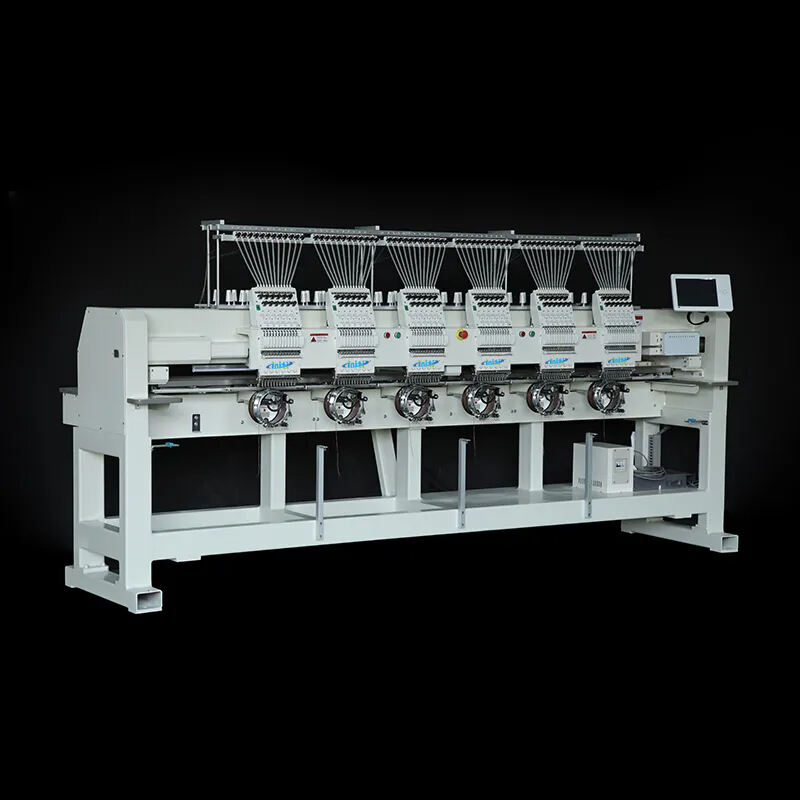
The modern textile and apparel industry has witnessed remarkable advancements in embroidery technology, with multi-needle computerized systems leading the charge in production efficiency and quality output. Professional embroidery operations require sophisticated equipment that delivers consistent results while maximizing return on investment through enhanced productivity and reduced operational costs. Understanding the pricing dynamics and financial implications of acquiring an embroidery machine is crucial for businesses looking to expand their capabilities or upgrade existing equipment.
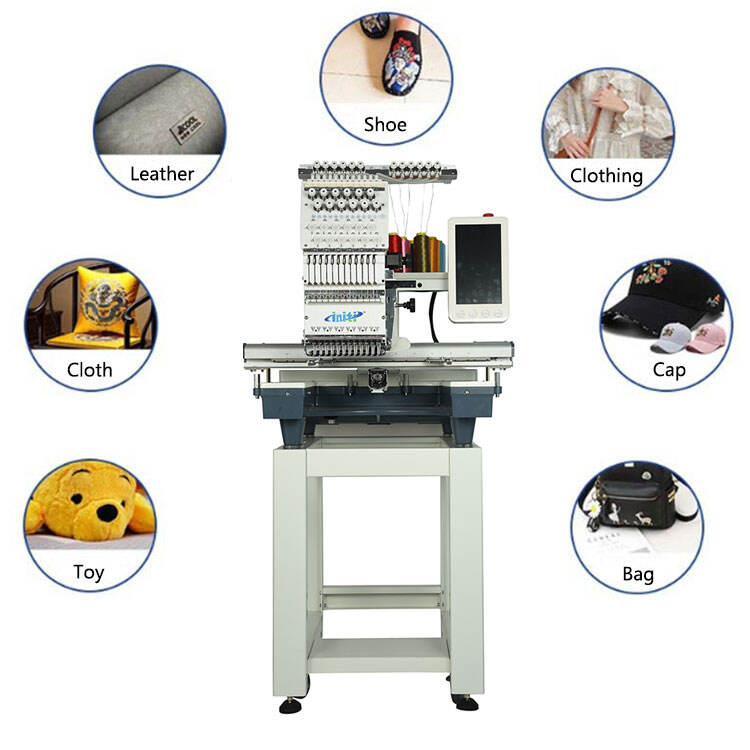
Understanding Multi-Needle Embroidery Technology
Core Components and Functionality
Multi-needle embroidery systems represent the pinnacle of automated textile decoration technology, featuring multiple threading mechanisms that operate simultaneously to create complex designs with minimal operator intervention. These sophisticated machines incorporate advanced computerized control systems that manage thread tension, stitch formation, and pattern execution with unprecedented precision. The fundamental architecture includes servo motors for precise positioning, electromagnetic thread cutters for clean finishes, and integrated software platforms that translate digital designs into executable embroidery commands.
The technological foundation of modern embroidery machine systems relies on high-resolution stepper motors that provide micro-positioning capabilities essential for intricate design work. Advanced models feature automatic thread trimming functions, color change sequences, and intelligent thread break detection systems that minimize production downtime and material waste. These capabilities ensure consistent output quality while reducing the skill level required for operators to achieve professional results.
Production Capacity and Speed Advantages
Contemporary multi-needle embroidery machine configurations typically operate at speeds ranging from 800 to 1200 stitches per minute, depending on design complexity and fabric characteristics. This operational velocity represents a significant improvement over single-needle alternatives, enabling businesses to fulfill larger orders within compressed timeframes while maintaining quality standards. The parallel processing capabilities inherent in multi-needle designs allow simultaneous execution of multiple color changes and complex pattern elements without manual intervention.
Production efficiency gains become particularly evident when handling commercial orders requiring multiple color combinations or gradient effects. Modern embroidery machine systems can manage up to 15 different thread colors simultaneously, eliminating the need for frequent manual thread changes that traditionally consumed significant production time. This enhanced capacity directly translates to improved labor utilization and reduced per-unit production costs across various product categories.
Pricing Structure Analysis
Initial Investment Considerations
The acquisition cost of professional multi-needle embroidery equipment varies significantly based on machine specifications, included accessories, and manufacturer positioning within the market. Entry-level commercial embroidery machine models typically range from $8,000 to $15,000, while high-end industrial systems with advanced automation features can exceed $50,000 for fully configured installations. These price variations reflect differences in build quality, production capacity, software sophistication, and included support services.
Mid-range embroidery machine options, positioned between $20,000 and $35,000, often provide the optimal balance of functionality and investment recovery potential for growing businesses. These systems typically include comprehensive digitizing software packages, extended warranty coverage, and training programs that accelerate operator proficiency development. The pricing structure also encompasses ongoing considerations such as maintenance agreements, software updates, and replacement part availability that influence total cost of ownership calculations.
Operating Cost Factors
Beyond initial purchase price, successful embroidery machine deployment requires careful analysis of recurring operational expenses that impact long-term profitability. Thread consumption represents the most variable cost component, with premium polyester and rayon threads ranging from $3 to $8 per 5000-meter spool depending on quality grade and supplier relationships. Design complexity directly influences thread usage, with dense fill patterns consuming significantly more material than outline-based designs.
Maintenance requirements for modern embroidery machine systems typically involve scheduled lubrication cycles, tension adjustment procedures, and periodic replacement of wear components such as needles and bobbin cases. Professional servicing costs generally range from $150 to $300 per visit, with most operations requiring quarterly maintenance intervals to ensure optimal performance. Energy consumption averages between 500 and 800 watts during active operation, representing a relatively modest ongoing expense compared to other production equipment categories.
Return on Investment Calculations
Revenue Generation Potential
Professional embroidery services command premium pricing across multiple market segments, with custom logo work typically generating $15 to $45 per garment depending on design complexity and order volume. Corporate uniform decoration represents a particularly lucrative application, as businesses frequently require consistent branding across large employee populations. Multi-needle embroidery machine capabilities enable operators to handle these high-volume contracts efficiently while maintaining the quality standards essential for repeat business development.
Diversified revenue streams emerge when embroidery machine operators expand into promotional products, personalized gifts, and specialty textile applications. Hat embroidery commands premium rates of $8 to $20 per piece, while jacket back decoration can generate $25 to $75 per garment for complex multi-color designs. The ability to process multiple items simultaneously using multi-needle configurations significantly enhances throughput capacity and profit margins compared to single-needle alternatives.
Payback Period Analysis
Typical payback periods for well-managed embroidery machine operations range from 12 to 24 months, assuming consistent order flow and competitive pricing strategies. Businesses processing 200 to 400 garments monthly can generally recover initial investment costs within 18 months while building sustainable customer relationships for long-term growth. The key to accelerating payback timelines lies in developing diverse service offerings that maximize machine utilization across different market segments and seasonal demand patterns.
Cash flow projections must account for the learning curve associated with embroidery machine operation and design optimization. Most operators achieve peak efficiency within 3 to 6 months of initial installation, during which production rates gradually increase as technical proficiency develops. This ramp-up period should be factored into financial planning to ensure adequate working capital availability during the initial establishment phase.
Market Applications and Opportunities
Commercial Embroidery Services
The commercial embroidery market encompasses diverse applications ranging from corporate apparel decoration to specialty promotional products that require sophisticated multi-color designs. Professional service providers utilizing advanced embroidery machine technology can capture market share in uniform decoration, team sports apparel, and corporate gift markets that demand consistent quality and reliable delivery schedules. These market segments typically offer stable revenue streams with opportunities for long-term contract relationships.
Educational institutions represent another significant market opportunity, requiring embroidery services for athletic uniforms, club apparel, and administrative clothing that incorporates school logos and branding elements. The cyclical nature of educational purchasing creates predictable demand patterns that embroidery machine operators can leverage for capacity planning and inventory management. Additionally, graduation and special event requirements generate seasonal revenue spikes that enhance overall profitability.
Custom Product Development
Modern embroidery machine capabilities enable operators to develop unique product lines that differentiate their offerings from standard decoration services. Personalized baby clothing, custom wedding accessories, and commemorative items represent high-margin applications that leverage the precision and quality capabilities of multi-needle systems. These specialized markets often support premium pricing strategies while building customer loyalty through personalized service delivery.
The growing trend toward customization in consumer markets creates expanding opportunities for embroidery machine operators who can efficiently manage small-batch production runs. Online ordering platforms and direct-to-consumer sales channels enable operators to reach broader markets while maintaining healthy profit margins on customized products. This market evolution favors businesses equipped with flexible embroidery machine systems capable of handling diverse design requirements efficiently.
Technology Selection Criteria
Feature Evaluation Framework
Selecting the optimal embroidery machine configuration requires systematic evaluation of features that align with intended applications and growth objectives. Embroidery field size determines the maximum dimensions for single-piece decoration, with larger fields enabling processing of jackets, bags, and oversized garments that command premium pricing. Multi-position capabilities allow simultaneous processing of multiple smaller items, maximizing throughput for high-volume orders while reducing per-piece labor costs.
Software sophistication varies significantly across embroidery machine manufacturers, with advanced systems offering integrated design tools, automatic digitizing capabilities, and production management features that streamline workflow processes. Compatibility with industry-standard file formats ensures flexibility when working with customer-supplied designs or purchased embroidery patterns. Cloud connectivity and remote monitoring capabilities enable operators to manage multiple machines efficiently while providing real-time production status updates to customers.
Scalability and Expansion Planning
Forward-thinking embroidery machine selection should consider future expansion requirements and technology upgrade pathways that accommodate business growth. Modular systems allow incremental capacity additions without replacing entire installations, providing financial flexibility as order volumes increase. Network connectivity enables integration of multiple embroidery machines into coordinated production systems that optimize workflow distribution and minimize setup times between jobs.
Compatibility with auxiliary equipment such as automatic trimming systems, heat press units, and finishing stations creates comprehensive production capabilities that enhance service offerings and operational efficiency. The ability to integrate embroidery machine operations with complementary decoration technologies enables operators to provide complete garment customization services that capture additional revenue opportunities while strengthening customer relationships.
FAQ
What factors most significantly impact embroidery machine ROI calculations
The primary factors affecting return on investment include initial purchase price, operational efficiency levels, market positioning strategy, and ongoing maintenance costs. Successful operators focus on maximizing machine utilization through diverse service offerings while maintaining competitive pricing that reflects value-added capabilities. Consistent quality output and reliable delivery schedules typically enable premium pricing that accelerates payback timelines compared to low-cost service providers.
How does multi-needle technology compare to single-needle alternatives in terms of cost effectiveness
Multi-needle embroidery machine systems typically demonstrate superior cost effectiveness for businesses processing moderate to high volumes due to reduced setup times and enhanced production speeds. While initial investment costs are higher, the elimination of manual thread changes and improved operational efficiency generally result in lower per-unit production costs and faster order completion times. Single-needle systems remain viable for low-volume operations or specialized applications requiring frequent design changes.
What ongoing training requirements should operators expect with modern embroidery equipment
Contemporary embroidery machine systems require initial training periods of 1 to 2 weeks for basic operational proficiency, followed by ongoing skill development in design optimization and troubleshooting procedures. Most manufacturers provide comprehensive training programs covering software operation, maintenance procedures, and advanced techniques that maximize production efficiency. Continuous learning opportunities through online resources and industry workshops help operators stay current with evolving technology and market trends.
How should businesses evaluate long-term support and parts availability when selecting embroidery equipment
Long-term support considerations include manufacturer stability, local service network availability, and parts inventory accessibility that ensure minimal production downtime. Established manufacturers with extensive dealer networks typically provide more reliable ongoing support compared to newer market entrants. Evaluation should include warranty terms, training availability, software update policies, and replacement part pricing that impact total cost of ownership over the equipment lifecycle.
Table of Contents
- Understanding Multi-Needle Embroidery Technology
- Pricing Structure Analysis
- Return on Investment Calculations
- Market Applications and Opportunities
- Technology Selection Criteria
-
FAQ
- What factors most significantly impact embroidery machine ROI calculations
- How does multi-needle technology compare to single-needle alternatives in terms of cost effectiveness
- What ongoing training requirements should operators expect with modern embroidery equipment
- How should businesses evaluate long-term support and parts availability when selecting embroidery equipment