

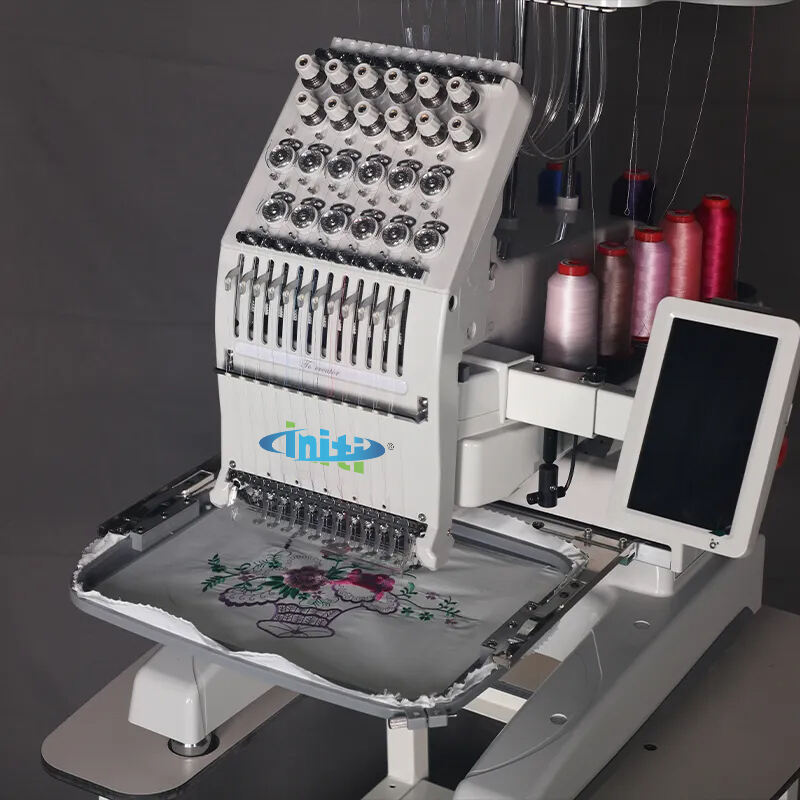
Applique embroidery combines the beauty of fabric layering with the precision of machine stitching, creating stunning dimensional designs that elevate any textile project. This technique involves attaching pieces of fabric onto a base material using decorative stitching, and when executed with a quality embroidery machine, the results can be truly professional. Understanding the fundamentals of applique embroidery will unlock creative possibilities for both commercial embroiderers and hobbyists seeking to expand their skill set.
Essential Equipment and Materials for Applique Embroidery
Selecting the Right Embroidery Machine Features
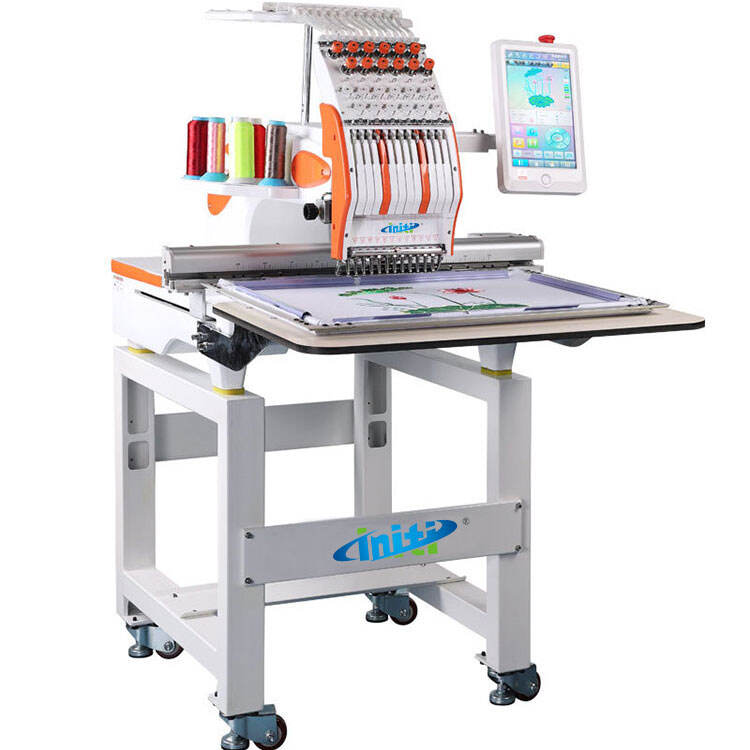
Modern embroidery machines designed for applique work offer specialized features that streamline the entire process. Look for machines with precise positioning systems, automatic thread cutting capabilities, and robust hoop mechanisms that maintain consistent fabric tension throughout the stitching sequence. The ability to handle various thread weights and types is crucial, as applique often requires both fine detail threads and heavier satin stitch threads for edge finishing.
Speed control becomes particularly important during applique work, as different phases of the process require varying stitch rates. Initial placement stitches benefit from slower speeds to ensure accuracy, while fill stitches and satin borders can be executed at higher speeds for efficiency. Advanced machines offer programmable speed settings that automatically adjust based on the stitch type being executed.
Fabric Selection and Preparation Techniques
Choosing appropriate fabrics forms the foundation of successful applique embroidery projects. The base fabric should provide adequate stability without being so thick that it creates needle deflection issues. Cotton blends, canvas, and denim work exceptionally well as base materials, offering the perfect balance of durability and workability for most applique applications.
Applique fabrics require different considerations, focusing on edge stability and visual impact. Cotton prints, felt, leather, and specialty decorative fabrics each bring unique characteristics to the finished design. Pre-treating fabrics through washing and pressing ensures dimensional stability and prevents unexpected shrinkage that could distort the completed embroidery design.
Design Preparation and Digitization Process
Converting Artwork to Applique-Ready Designs
Transforming creative concepts into machine-readable applique designs requires specialized digitization software and understanding of applique sequence logic. The design must be broken down into distinct elements, each representing a separate applique piece with its corresponding placement and finishing stitches. Color separation becomes critical, as each applique element typically requires its own fabric piece and stitching sequence.
Professional digitization involves creating placement lines that guide fabric positioning, followed by tack-down stitches that temporarily secure the applique fabric, and finally satin or decorative edge stitches that permanently attach and finish the piece. The stitch sequence must account for overlapping elements and ensure that layered pieces are applied in the correct order to achieve the intended visual effect.
Testing and Refining Design Elements
Before committing to final production, thorough testing on sample materials validates design integrity and identifies potential issues. Test stitching reveals whether placement lines provide adequate guidance, if tack-down stitches secure the applique fabric sufficiently, and whether edge finishing stitches create the desired aesthetic result. This phase often requires multiple iterations to optimize stitch density, underlay patterns, and overall design flow.
Documentation of successful test parameters ensures consistent reproduction across multiple pieces. Recording thread tensions, needle sizes, stabilizer choices, and speed settings creates a reliable recipe for achieving consistent results when the design moves into production phases.
Step-by-Step Applique Execution Process
Hooping and Stabilization Strategies
Proper hooping technique sets the stage for successful applique embroidery by maintaining consistent fabric tension and preventing distortion during the stitching process. The base fabric should be hooped with appropriate stabilizer backing, ensuring smooth, wrinkle-free positioning that won't shift during the extended stitching time required for complex applique designs. Stabilizer selection depends on the base fabric weight and the density of the intended embroidery.
Cut-away stabilizers work best for stretchy or lightweight fabrics, providing permanent support that prevents puckering and maintains design integrity through washing and wear. Tear-away stabilizers suit stable fabrics where minimal residual backing is desired, while water-soluble toppings can prevent stitches from sinking into textured or pile fabrics during the embroidery process.
Fabric Placement and Trimming Techniques
Once the placement stitches are complete, applique fabric positioning requires precision and attention to detail. The fabric should completely cover the placement line area with adequate overlap to ensure secure attachment, but excess material should be minimized to reduce bulk in the finished design. Sharp, dedicated applique scissors enable clean trimming close to the tack-down stitches without accidentally cutting through the base fabric.
Trimming technique significantly impacts the final appearance, with careful attention to curves and corners preventing fraying or lifting during subsequent washing. Some embroiderers prefer to leave slight fabric excess that will be covered by the final satin stitch border, while others trim precisely to the tack-down line for maximum accuracy in the finished edge placement.
Advanced Techniques and Troubleshooting
Multi-Layer and Complex Design Management
Complex applique designs featuring multiple overlapping elements require careful planning and execution to maintain proper layering sequence and visual hierarchy. Each layer must be completed in the correct order, with lower elements fully finished before upper elements are positioned and stitched. This approach prevents confusion and ensures that each applique piece integrates seamlessly with adjacent elements.
Registration marks and alignment guides become increasingly important as design complexity grows. These temporary reference points help maintain accurate positioning throughout the multi-step process, especially when designs span large areas or require precise geometric alignment between separate applique elements.
Common Issues and Professional Solutions
Puckering represents one of the most frequent challenges in applique embroidery, typically resulting from improper stabilization, incorrect tension settings, or inadequate hooping technique. Addressing puckering requires systematic evaluation of each process element, starting with stabilizer adequacy and progressing through tension adjustments and speed modifications until smooth, flat results are achieved consistently.
Thread breakage during applique work often indicates needle compatibility issues, excessive machine speed for the fabric combination, or inadequate thread path lubrication. Using embroidery machine maintenance protocols and selecting appropriate needle sizes for the specific thread and fabric combination typically resolves most thread-related issues encountered during applique production.
Quality Control and Finishing Methods
Inspection and Touch-Up Procedures
Professional applique embroidery requires systematic quality inspection at multiple stages throughout the production process. Initial inspection occurs immediately after completion while the piece remains in the hoop, allowing for immediate correction of any incomplete stitching or loose threads. This in-hoop inspection prevents distortion that might occur if the piece is removed and then re-hooped for corrections.
Post-production inspection focuses on overall design integrity, checking for consistent stitch quality, proper edge finishing, and secure applique attachment. Any loose threads should be trimmed cleanly, and areas showing incomplete coverage should be noted for potential touch-up work using hand embroidery techniques or careful machine re-stitching.
Care Instructions and Durability Considerations
Finished applique embroidery requires specific care protocols to maintain appearance and structural integrity over time. Washing instructions should account for both the base fabric requirements and the applique material characteristics, typically recommending gentle cycles and appropriate temperature settings that won't cause differential shrinkage between materials.
Storage and handling guidelines help preserve the dimensional quality that makes applique embroidery particularly appealing. Folding should be avoided when possible, with rolled storage or flat filing preventing crease formation that could stress the stitched connections between applique elements and base fabric.
FAQ
What stabilizer works best for applique embroidery projects
Cut-away stabilizers provide the most reliable support for applique work, especially when using stretchy or lightweight base fabrics. Medium-weight cut-away stabilizer offers excellent stitch support while remaining flexible enough for comfortable wear in finished garments. For very dense applique designs or heavy fabrics, heavier stabilizers may be necessary to prevent puckering and maintain design registration throughout the stitching process.
How do I prevent applique fabric edges from fraying after washing
Proper edge finishing with dense satin stitching provides the primary protection against fraying, but fabric selection also plays a crucial role. Choose applique fabrics with stable weaves and pre-treat them to remove excess sizing that might interfere with thread adhesion. Additionally, ensuring complete coverage of raw edges with the finishing stitches and using quality embroidery thread designed for durability will maximize the longevity of applique edges.
Can I use metallic threads for applique edge finishing
Metallic threads can create stunning applique edge finishes but require specific handling techniques for successful application. Reduce machine speed significantly when using metallic threads, and ensure your embroidery machine needle is designed for specialty threads to prevent shredding. Consider using a slightly looser upper thread tension and high-quality metallic thread designed specifically for machine embroidery to achieve the best results with minimal thread breakage.
What needle size should I use for different applique fabric weights
Needle selection should match both the applique fabric weight and the thread being used for attachment. For lightweight cotton appliques with standard embroidery thread, size 75/11 needles work well, while heavier fabrics like denim or canvas may require size 90/14 or 100/16 needles. When using heavy decorative threads for edge finishing, step up one needle size to accommodate the increased thread bulk and prevent thread damage during stitching.