

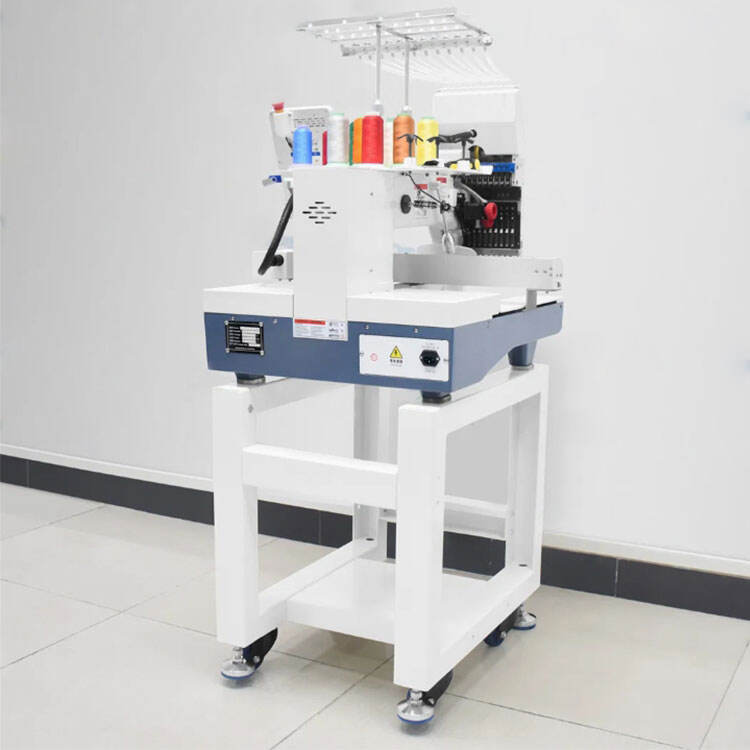
The modern textile and apparel industry has witnessed tremendous growth in automated embroidery solutions, with single head embroidery machine technology leading the charge in precision and efficiency. These sophisticated machines represent the perfect balance between commercial-grade capability and space-conscious design, making them ideal for businesses ranging from startup embroidery shops to established manufacturing facilities. Understanding the key features and benefits of today's best single head embroidery machine models can help business owners make informed decisions that will impact their productivity and profitability for years to come.
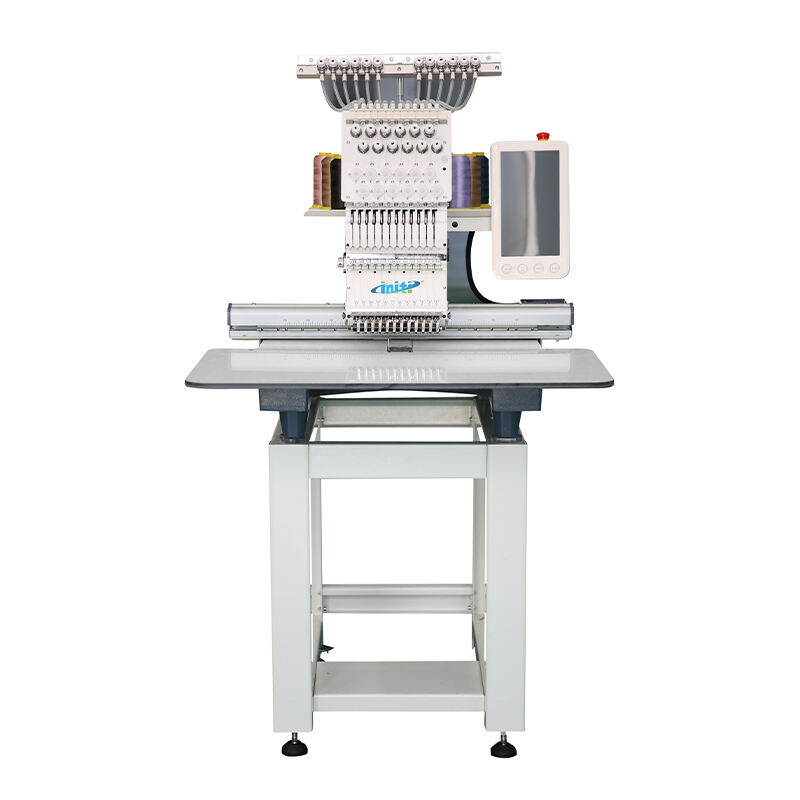
Current market trends show increasing demand for versatile embroidery equipment that can handle complex designs while maintaining consistent quality output. A well-chosen single head embroidery machine serves as the cornerstone of efficient production workflows, offering the reliability and precision that modern businesses require to stay competitive in today's fast-paced marketplace.
Essential Features of Modern Single Head Embroidery Machines
Advanced Control Systems and User Interface
Today's single head embroidery machine models incorporate sophisticated computerized control systems that streamline the entire embroidery process. These advanced interfaces feature intuitive touchscreen displays that allow operators to easily navigate through design libraries, adjust stitch parameters, and monitor production progress in real-time. The integration of user-friendly software reduces the learning curve for new operators while providing experienced users with powerful customization options.
Modern control systems also include automatic thread tension adjustment, which ensures consistent stitch quality across different fabric types and thread materials. This intelligent automation significantly reduces the need for manual adjustments and minimizes production downtime, making each single head embroidery machine more efficient and cost-effective to operate.
Precision Mechanics and Build Quality
The mechanical foundation of a high-quality single head embroidery machine determines its longevity and output consistency. Premium models feature robust steel frames that provide excellent stability during high-speed operation, while precision-engineered components ensure accurate needle positioning and smooth fabric movement. These mechanical advantages translate directly into superior embroidery quality and reduced maintenance requirements.
Advanced servo motor systems provide exceptional speed control and positioning accuracy, allowing operators to achieve intricate design details that would be impossible with less sophisticated equipment. The combination of precise mechanics and intelligent control systems enables modern single head embroidery machine units to deliver professional-grade results consistently.
Performance Capabilities and Speed Considerations
Embroidery Speed and Throughput Optimization
Production efficiency remains a critical factor when evaluating any single head embroidery machine for commercial applications. Top-tier models can achieve embroidery speeds of up to 1,500 stitches per minute while maintaining exceptional quality standards. This impressive throughput capability allows businesses to complete large orders within tight deadlines without compromising on the intricate details that customers expect.
Speed optimization features include intelligent stitch sequence planning that minimizes unnecessary head movements and reduces overall production time. Advanced models also incorporate automatic color change systems that eliminate manual thread switching, further enhancing productivity and allowing operators to focus on quality control and design preparation tasks.
Design Complexity and Size Limitations
The embroidery area capacity of a single head embroidery machine directly impacts the range of projects that can be completed efficiently. Most commercial-grade models offer embroidery areas ranging from 15x15 inches to 20x20 inches, providing sufficient space for garment decoration, promotional items, and specialty textile applications. Larger embroidery areas enable businesses to handle oversized designs or multiple smaller designs simultaneously.
Modern machines excel at handling complex multi-color designs with thousands of stitches, thanks to advanced memory systems and processing capabilities. The ability to store and recall design libraries directly on the single head embroidery machine eliminates the need for external storage devices and streamlines the production workflow for repeat orders and custom designs.
Thread Management and Color Change Systems
Automatic Thread Cutting and Trimming
Efficient thread management separates professional-grade single head embroidery machine models from basic consumer units. Automatic thread cutting systems eliminate manual trimming between color changes and at design completion, resulting in cleaner finished products and reduced labor costs. These systems incorporate precision cutting mechanisms that leave minimal thread tails while preventing fabric damage.
Advanced trimming functions also include automatic thread break detection that immediately alerts operators to potential issues before they affect production quality. This proactive monitoring capability helps maintain consistent output standards and reduces the risk of defective products reaching customers.
Multi-Color Thread Handling
Contemporary single head embroidery machine designs accommodate multiple thread colors through sophisticated feeding systems that maintain consistent tension across all threads. Most commercial models support 6 to 15 different thread colors, allowing for complex multi-hued designs without frequent manual intervention. This capability is essential for businesses that specialize in detailed logos, decorative patterns, and custom artwork.
Thread break sensors and automatic re-threading mechanisms minimize production interruptions and ensure that color transitions occur smoothly throughout the embroidery process. These reliability features are particularly valuable during long production runs where consistency and unattended operation are crucial for meeting delivery deadlines.
Software Integration and Design Compatibility
Embroidery Software Platforms
The software ecosystem surrounding a single head embroidery machine significantly influences its practical utility and creative potential. Leading manufacturers provide comprehensive design software packages that include digitizing tools, format conversion capabilities, and extensive design libraries. These software suites enable businesses to create custom designs, modify existing patterns, and optimize stitch sequences for specific fabric types.
Cloud-based design sharing and storage solutions allow multiple operators to access design libraries remotely, facilitating collaboration and backup security. Modern software platforms also include production management tools that track machine utilization, monitor thread consumption, and generate detailed reports for business analysis and cost accounting purposes.
File Format Compatibility
Versatile file format support ensures that a single head embroidery machine can work with designs created in various software platforms and received from different sources. Standard formats including DST, PES, EMB, and JEF provide broad compatibility with industry-standard design tools, while proprietary formats may offer enhanced functionality for specific applications.
USB connectivity and network integration enable seamless design transfer from computers and mobile devices, streamlining the workflow from concept to finished product. This connectivity flexibility allows businesses to accept design files from customers in multiple formats and convert them efficiently for production use.
Fabric Handling and Hooping Systems
Hooping Frame Varieties and Sizes
The hooping system of a single head embroidery machine determines the range of items that can be decorated effectively. Professional models typically include multiple hoop sizes ranging from small 4x4 inch frames for caps and patches to large 15x15 inch frames for jackets and decorative panels. Quick-change hoop systems reduce setup time between different projects and improve overall productivity.
Specialized hooping accessories enable decoration of challenging items such as sleeves, collars, and curved surfaces that would be difficult to handle with standard flat hoops. These specialized attachments expand the service capabilities of businesses and allow them to accept more diverse customer requests.
Fabric Tension and Stabilization
Proper fabric stabilization is crucial for achieving professional embroidery results, and modern single head embroidery machine designs incorporate features that maintain optimal fabric tension throughout the stitching process. Adjustable pressure systems accommodate different fabric weights and textures, from lightweight silk to heavy denim and canvas materials.
Integrated laser alignment systems help operators position designs accurately on garments and ensure consistent placement across multiple items. These precision tools are particularly valuable for production runs where exact logo placement and symmetry are critical quality requirements.
Maintenance Requirements and Service Support
Routine Maintenance Procedures
Regular maintenance is essential for preserving the performance and longevity of any single head embroidery machine investment. Daily maintenance tasks typically include cleaning thread paths, lubricating moving parts, and checking thread tension settings. These simple procedures can be completed quickly and help prevent mechanical issues that could disrupt production schedules.
Weekly maintenance routines involve more thorough cleaning of the needle area, inspection of hooping mechanisms, and calibration checks for positioning accuracy. Following manufacturer-recommended maintenance schedules ensures warranty coverage and maximizes the operational lifespan of the equipment.
Technical Support and Training Resources
Comprehensive technical support and training programs are valuable considerations when selecting a single head embroidery machine supplier. Leading manufacturers provide detailed operation manuals, video tutorials, and hands-on training sessions that help operators master the equipment quickly and efficiently. Access to responsive technical support can minimize downtime and resolve issues before they impact production deadlines.
Extended warranty programs and service agreements provide additional peace of mind for business owners who depend on their embroidery equipment for daily operations. These support services often include regular maintenance visits, emergency repair responses, and discounted replacement parts that help control long-term operating costs.
Cost Analysis and Return on Investment
Initial Investment Considerations
The purchase price of a single head embroidery machine represents just one component of the total ownership cost. Businesses must also consider installation requirements, operator training costs, software licensing fees, and initial inventory of threads and supplies. Professional-grade machines typically range from $15,000 to $50,000 depending on features and capabilities, with financing options available to help manage cash flow impact.
Energy efficiency ratings and power consumption specifications should be evaluated alongside purchase price, as operating costs can accumulate significantly over the machine's operational lifespan. Modern servo motor systems and LED lighting reduce power consumption compared to older technologies, contributing to lower monthly operating expenses.
Revenue Generation Potential
A well-utilized single head embroidery machine can generate substantial revenue through custom embroidery services, corporate branding projects, and specialty textile decoration. Typical embroidery service rates range from $5 to $25 per item depending on complexity and quantity, with profit margins of 60% to 80% being achievable for efficient operations.
Market research indicates that businesses specializing in custom embroidery services can achieve payback periods of 12 to 24 months on their equipment investments, particularly when serving niche markets such as sports teams, corporate clients, or specialized retail segments. The key to maximizing return on investment lies in maintaining high utilization rates and developing efficient production workflows.
FAQ
What production volume can I expect from a single head embroidery machine
A typical single head embroidery machine can produce 20 to 100 finished items per day depending on design complexity, fabric type, and operator efficiency. Simple designs with fewer than 5,000 stitches can be completed in 10-15 minutes, while complex multi-color designs may require 30-60 minutes per item. Businesses often achieve optimal productivity by batching similar items and optimizing thread color sequences to minimize setup time between projects.
How much space do I need for a single head embroidery machine installation
Most single head embroidery machine models require approximately 6 feet by 8 feet of floor space for safe operation and maintenance access. Additional space should be allocated for thread storage, design workstation, and finished goods staging. Adequate lighting, ventilation, and electrical service are also important considerations for optimal working conditions and equipment performance.
Can a single head embroidery machine handle thick materials like leather or heavy canvas
Professional-grade single head embroidery machine models can successfully embroider on thick materials up to 8-10mm thickness with proper needle selection and thread tension adjustments. Heavy-duty needles, appropriate stabilizers, and slower stitching speeds are typically required for optimal results on thick materials. Some specialized applications may require additional accessories or modifications to achieve professional quality results.
What ongoing costs should I budget for single head embroidery machine operation
Monthly operating costs for a single head embroidery machine typically include thread and stabilizer supplies ($200-500), routine maintenance supplies ($50-100), and electrical costs ($30-80) depending on usage levels. Annual costs may include software updates ($200-500), major maintenance services ($300-800), and replacement of wear items such as needles and hoops. Planning for these ongoing expenses helps ensure consistent profitability and equipment reliability.
Table of Contents
- Essential Features of Modern Single Head Embroidery Machines
- Performance Capabilities and Speed Considerations
- Thread Management and Color Change Systems
- Software Integration and Design Compatibility
- Fabric Handling and Hooping Systems
- Maintenance Requirements and Service Support
- Cost Analysis and Return on Investment
-
FAQ
- What production volume can I expect from a single head embroidery machine
- How much space do I need for a single head embroidery machine installation
- Can a single head embroidery machine handle thick materials like leather or heavy canvas
- What ongoing costs should I budget for single head embroidery machine operation