

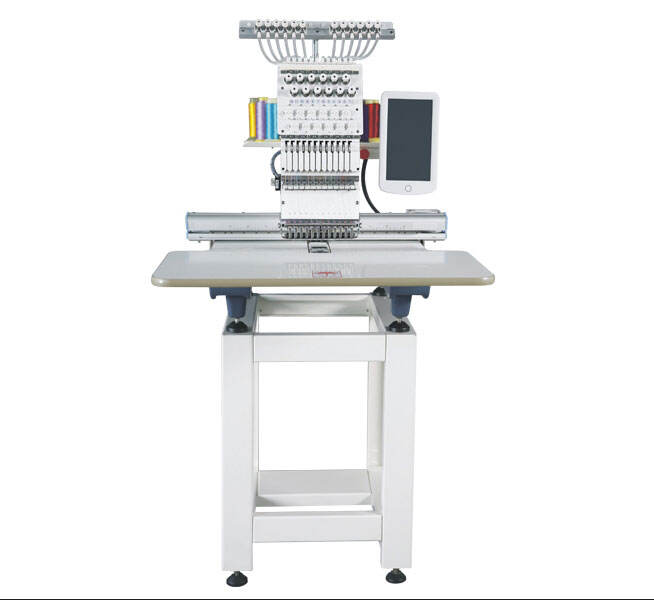
Modern textile manufacturing demands exceptional precision and reliability, particularly when it comes to decorative stitching and custom embroidery applications. Industrial embroidery operations rely heavily on advanced machinery that can deliver consistent quality while maintaining operational efficiency. The evolution of computerized embroidery systems has revolutionized how manufacturers approach precision stitching, with single head embroidery machine technology leading the charge in providing accurate, repeatable results across diverse production environments.
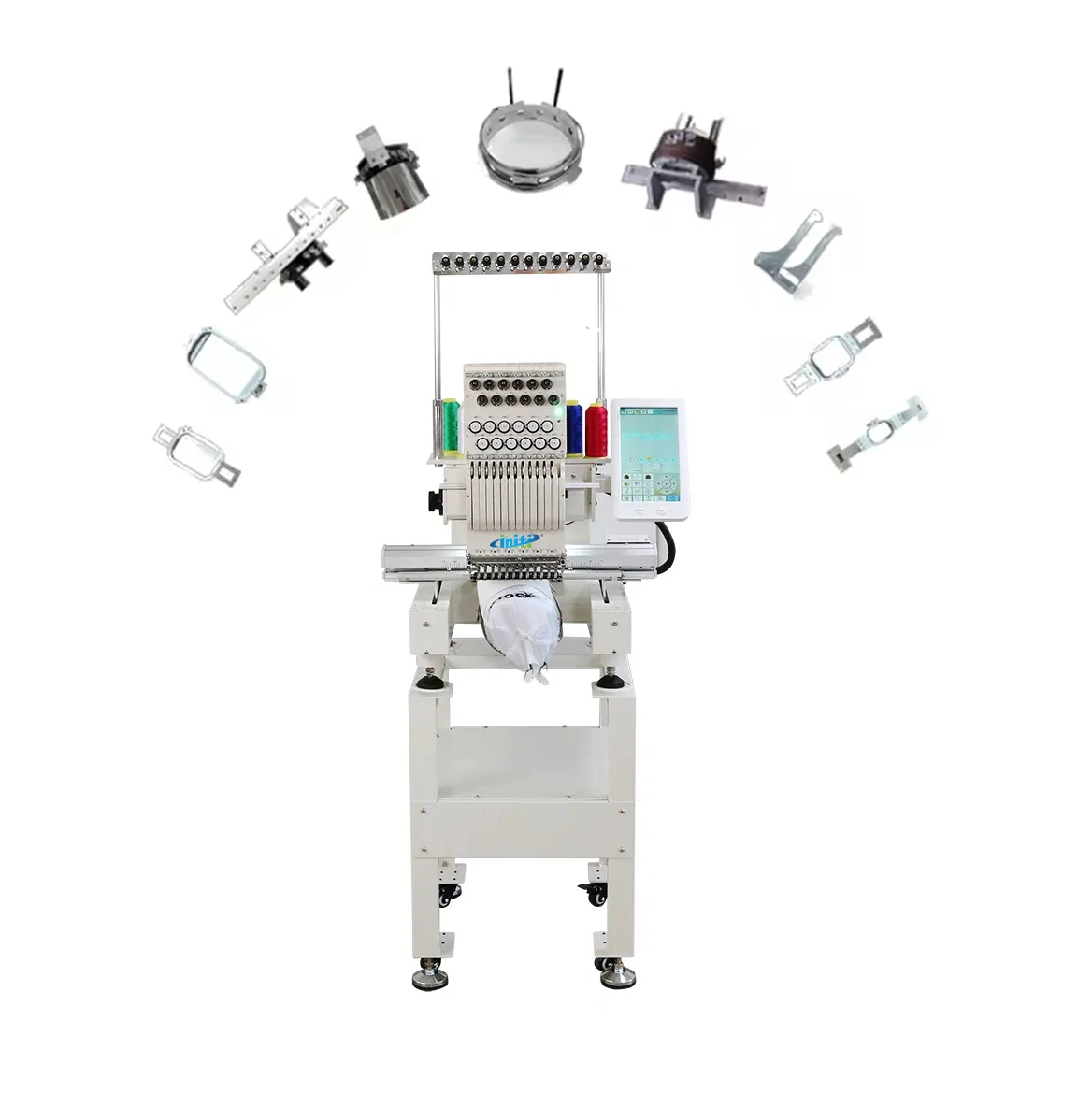
Advanced Digital Control Systems in Modern Embroidery Manufacturing
Computer-Aided Design Integration
Contemporary embroidery manufacturing leverages sophisticated computer-aided design systems that interface directly with production machinery. These digital platforms enable manufacturers to translate complex designs into precise stitch patterns with mathematical accuracy. The integration between design software and single head embroidery machine controllers ensures that every needle movement follows predetermined coordinates, eliminating human error and maintaining consistent quality across production runs. Advanced CAD systems also provide real-time feedback during the design phase, allowing operators to optimize stitch density and thread paths before production begins.
Digital control systems incorporate multiple layers of precision monitoring, including servo motor feedback loops and encoder positioning systems. These components work together to ensure that fabric positioning remains accurate throughout the embroidery process. The sophisticated algorithms governing these systems can compensate for minor variations in fabric tension or environmental conditions, maintaining stitch quality regardless of external factors that might otherwise affect production outcomes.
Servo Motor Technology and Positioning Accuracy
High-precision servo motors form the backbone of modern embroidery machine positioning systems. These motors utilize closed-loop feedback mechanisms that continuously monitor and adjust needle positioning with sub-millimeter accuracy. The servo control systems in a single head embroidery machine can execute thousands of positioning adjustments per minute, ensuring that each stitch placement aligns perfectly with the programmed design specifications. Advanced servo technology also enables variable speed control, allowing operators to optimize stitching speeds for different fabric types and design complexities.
Manufacturers implement multi-axis servo control systems that coordinate X, Y, and Z-axis movements simultaneously. This three-dimensional control capability enables complex embroidery techniques such as raised embroidery and appliqué work, where precise height control becomes critical for achieving professional results. The integration of high-resolution encoders with servo motors provides positioning feedback accurate to 0.01 millimeters, surpassing the precision requirements for even the most demanding embroidery applications.
Quality Assurance Mechanisms in Embroidery Production
Thread Tension Management Systems
Consistent thread tension represents one of the most critical factors in achieving precision embroidery results. Modern manufacturing facilities employ electronic thread tension systems that automatically adjust tension parameters based on thread type, fabric characteristics, and stitch requirements. These systems utilize load cells and electronic actuators to maintain optimal tension throughout the embroidery process, preventing thread breaks and ensuring uniform stitch formation. The automatic adjustment capabilities of advanced single head embroidery machine systems eliminate the need for manual tension adjustments, reducing operator intervention and improving production consistency.
Advanced tension management incorporates predictive algorithms that anticipate tension requirements based on upcoming stitch sequences. These systems analyze design data in advance and pre-adjust tension parameters to accommodate changes in stitch direction, density, or thread color. The proactive approach to tension management significantly reduces production interruptions and maintains quality standards across complex multi-color designs that would traditionally require multiple manual adjustments.
Real-Time Quality Monitoring
Contemporary embroidery manufacturing integrates comprehensive quality monitoring systems that track production parameters in real-time. Vision systems equipped with high-resolution cameras continuously monitor stitch formation, thread placement, and overall design progression. These monitoring systems can detect quality deviations within milliseconds and automatically pause production to prevent defective output. The integration of artificial intelligence algorithms enables these systems to learn from historical quality data and improve their detection capabilities over time.
Quality monitoring extends beyond visual inspection to include mechanical parameter tracking. Sensors monitor needle bar vibration, thread consumption rates, and motor performance characteristics to identify potential issues before they affect production quality. This comprehensive monitoring approach enables predictive maintenance scheduling and reduces unexpected equipment downtime that could compromise precision requirements.
Environmental Control and Precision Maintenance
Climate-Controlled Manufacturing Environments
Precision embroidery manufacturing requires carefully controlled environmental conditions to maintain consistent machine performance and material stability. Temperature fluctuations can affect thread elasticity, fabric dimensions, and machine component tolerances, potentially compromising embroidery accuracy. Professional manufacturing facilities maintain temperature stability within ±2°C and relative humidity levels between 45-55% to optimize single head embroidery machine performance and ensure consistent results across all production shifts.
Advanced HVAC systems incorporate air filtration capabilities that remove dust and particulate matter from the manufacturing environment. Clean air circulation prevents contamination of thread paths and reduces the likelihood of quality issues caused by foreign particles interfering with precision mechanical components. Environmental monitoring systems continuously track atmospheric conditions and automatically adjust climate control parameters to maintain optimal manufacturing conditions.
Preventive Maintenance Protocols
Systematic maintenance programs play a crucial role in preserving embroidery machine precision over extended production periods. Manufacturers implement time-based and usage-based maintenance schedules that address both routine component care and comprehensive system calibration. Regular maintenance activities include precision alignment checks, servo motor calibration, and thread path lubrication to ensure optimal machine performance. The maintenance protocols for a single head embroidery machine often incorporate specialized measurement tools and calibration fixtures to verify positioning accuracy and mechanical tolerances.
Advanced maintenance programs utilize condition monitoring technologies that track machine performance parameters and predict maintenance requirements based on actual usage patterns. Vibration analysis, thermal imaging, and precision measurement tools enable maintenance teams to identify potential issues before they affect production quality. This proactive approach to maintenance ensures that embroidery machines consistently meet precision requirements throughout their operational lifespan.
Material Handling and Fabric Stabilization Techniques
Hooping Technology and Fabric Tensioning
Proper fabric stabilization forms the foundation of precision embroidery manufacturing. Advanced hooping systems utilize pneumatic or mechanical tensioning mechanisms that apply uniform pressure across the entire embroidery area. These systems ensure that fabric remains stable during the stitching process, preventing distortion that could affect design accuracy. Modern single head embroidery machine installations often incorporate quick-change hooping systems that enable rapid fabric changeovers while maintaining consistent tensioning parameters across different fabric types and thicknesses.
Specialized hooping technologies accommodate various fabric characteristics, including stretch materials, delicate fabrics, and heavy-duty textiles. Multi-zone tensioning systems can apply different tension levels across different areas of the same fabric piece, optimizing stabilization for complex designs that incorporate varying stitch densities. The integration of fabric sensing technologies enables automatic adjustment of hooping parameters based on material properties detected during the setup process.
Stabilizer Selection and Application Methods
Strategic stabilizer selection significantly impacts embroidery precision and final quality outcomes. Manufacturers utilize various stabilizer types, including tear-away, cut-away, and wash-away options, depending on fabric characteristics and end-use requirements. Advanced application techniques ensure optimal stabilizer placement and adhesion, preventing fabric movement during embroidery operations. The selection criteria for stabilizers consider factors such as stitch count, design complexity, and fabric stretch characteristics to achieve optimal results with single head embroidery machine operations.
Automated stabilizer application systems streamline production workflows while ensuring consistent placement accuracy. These systems can apply multiple stabilizer layers with precise alignment, creating optimal foundation conditions for high-precision embroidery work. Integration with design analysis software enables automatic stabilizer recommendation based on specific design requirements and fabric properties, reducing setup time and improving consistency across production batches.
Thread Management and Quality Control Systems
Multi-Color Thread Systems
Sophisticated thread management systems enable seamless color transitions while maintaining embroidery precision throughout multi-color designs. Automated thread changing mechanisms eliminate manual intervention during color transitions, reducing production time and maintaining consistent quality standards. These systems incorporate thread break detection and automatic re-threading capabilities that minimize production interruptions and ensure continuous operation. Advanced single head embroidery machine configurations can accommodate multiple thread colors simultaneously, enabling complex designs without manual thread changes.
Thread quality monitoring systems continuously assess thread characteristics during embroidery operations, detecting variations in thread diameter, tensile strength, or surface quality that could affect final results. These monitoring systems can automatically adjust machine parameters to compensate for thread variations or alert operators to potential quality issues before they impact production outcomes. The integration of thread inventory management systems ensures optimal thread availability and reduces the likelihood of production delays due to material shortages.
Waste Reduction and Efficiency Optimization
Modern embroidery manufacturing emphasizes waste reduction through optimized thread usage and efficient production planning. Advanced nesting algorithms arrange multiple designs on single fabric pieces to maximize material utilization while maintaining quality standards. Thread consumption monitoring systems track actual usage against projected requirements, enabling accurate cost estimation and waste reduction initiatives. These optimization systems work in conjunction with single head embroidery machine capabilities to minimize thread waste during color changes and design transitions.
Efficiency optimization extends to production scheduling systems that minimize setup time and maximize machine utilization rates. Smart scheduling algorithms consider design complexity, thread requirements, and fabric characteristics to optimize production sequences and reduce changeover time between different jobs. Integration with inventory management systems ensures optimal material availability and reduces production delays that could affect delivery schedules and quality outcomes.
FAQ
What factors determine positioning accuracy in embroidery machines
Positioning accuracy depends on several critical components including servo motor resolution, encoder feedback systems, and mechanical tolerances of guide rails and drive mechanisms. Modern single head embroidery machine systems achieve positioning accuracy of 0.1mm or better through high-resolution encoders and closed-loop servo control. Environmental factors such as temperature stability and vibration isolation also significantly impact positioning accuracy over extended production runs.
How do manufacturers maintain consistent stitch quality across different fabric types
Consistent stitch quality across various fabrics requires adaptive control systems that adjust machine parameters based on material characteristics. These systems modify needle penetration force, thread tension, and stitching speed according to fabric thickness, elasticity, and surface texture. Advanced machines incorporate fabric sensing technologies that automatically detect material properties and optimize embroidery parameters accordingly, ensuring consistent results regardless of substrate variations.
What role does software play in embroidery precision
Software systems control every aspect of embroidery precision from design digitization through final production. Advanced embroidery software optimizes stitch paths, manages thread tensions, and coordinates multi-axis movements with mathematical precision. Real-time control software continuously monitors production parameters and makes automatic adjustments to maintain quality standards. Integration between design software and single head embroidery machine controllers ensures seamless translation of creative concepts into precise manufacturing instructions.
How frequently should embroidery machines undergo calibration procedures
Calibration frequency depends on production volume, environmental conditions, and precision requirements. High-volume manufacturing operations typically perform basic calibration checks daily and comprehensive system calibration weekly. Critical precision components such as servo motors and positioning systems may require monthly calibration verification using specialized measurement equipment. Preventive calibration schedules help maintain consistent accuracy and prevent quality issues that could affect customer satisfaction and production efficiency.