

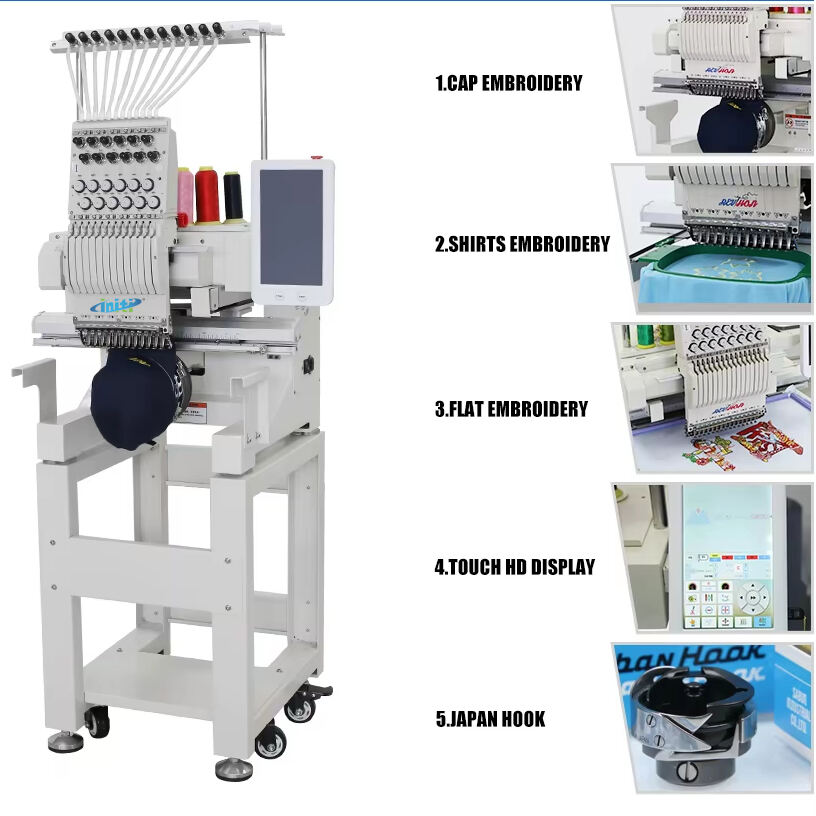
The textile and apparel industry has witnessed remarkable transformation through advanced manufacturing technologies, with wholesale computerized embroidery machine solutions leading the charge in production efficiency and design precision. Modern businesses seeking competitive advantages must carefully evaluate their embroidery equipment investments, considering factors ranging from production capacity to technological sophistication. Understanding the wholesale market for computerized embroidery machines requires comprehensive knowledge of industrial specifications, vendor relationships, and long-term operational strategies that align with business growth objectives.
Essential Features of Modern Computerized Embroidery Equipment
Multi-Head Configuration Systems
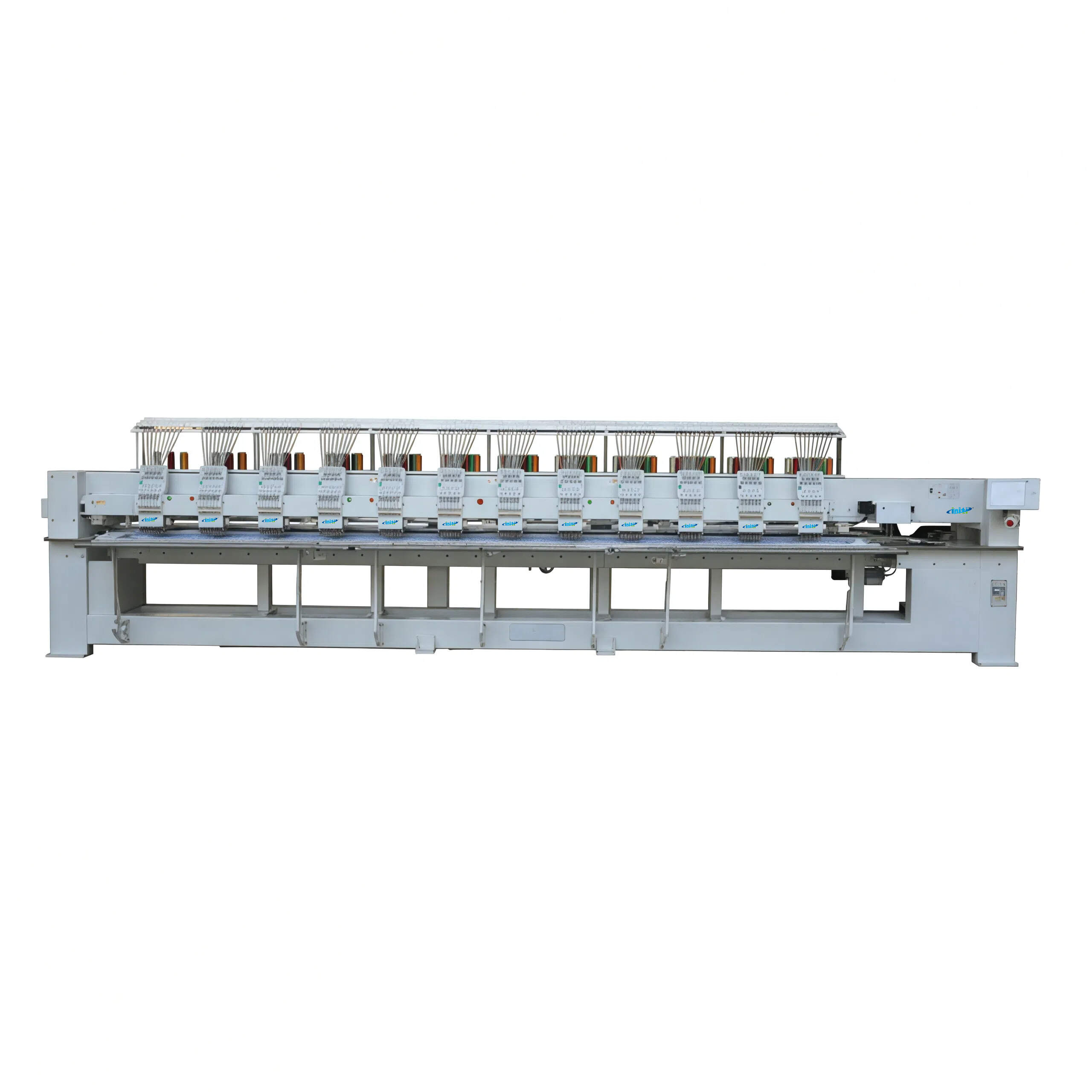
Contemporary wholesale computerized embroidery machine designs prioritize multi-head configurations that maximize production throughput while maintaining consistent stitch quality across simultaneous operations. These systems typically incorporate between four to thirty-six individual embroidery heads, each capable of independent pattern execution or coordinated large-format designs. The strategic advantage of multi-head systems lies in their ability to process multiple garments simultaneously, reducing per-unit production time and increasing overall manufacturing efficiency.
Advanced multi-head configurations feature sophisticated thread management systems that prevent tangling and ensure continuous operation during extended production runs. Modern machines incorporate automatic thread cutting mechanisms, color change capabilities, and tension adjustment systems that adapt to various fabric types and thread specifications. These technological enhancements significantly reduce manual intervention requirements, allowing operators to focus on quality control and production optimization rather than routine machine maintenance tasks.
Digital Control and Programming Capabilities
The digital revolution has transformed wholesale computerized embroidery machine functionality through integrated software platforms that streamline design import, pattern modification, and production scheduling processes. Contemporary machines feature touchscreen interfaces with intuitive navigation systems that accommodate both experienced operators and newcomers to computerized embroidery technology. These control systems support multiple file formats, enabling seamless integration with popular design software packages used throughout the textile industry.
Programming capabilities extend beyond basic pattern execution to include advanced features such as automatic density adjustment, stitch optimization algorithms, and real-time production monitoring. Modern wholesale computerized embroidery machine systems can analyze fabric characteristics and automatically adjust parameters such as stitch speed, thread tension, and needle penetration depth to optimize results for specific materials. This intelligent automation reduces waste, minimizes production errors, and ensures consistent quality across diverse product lines.
Strategic Purchasing Considerations for Wholesale Buyers
Production Volume Assessment
Successful wholesale computerized embroidery machine procurement begins with accurate assessment of current and projected production requirements. Buyers must evaluate their existing order volumes, seasonal fluctuations, and growth projections to determine appropriate machine capacity and configuration options. This analysis should consider both immediate operational needs and medium-term expansion plans to ensure equipment investments align with business development strategies.
Production volume assessment should also account for the diversity of products and services offered by the business. Companies serving multiple market segments may require versatile wholesale computerized embroidery machine configurations capable of handling various fabric types, thread specifications, and design complexities. Understanding these operational requirements helps buyers select equipment with appropriate flexibility and scalability to accommodate evolving customer demands and market opportunities.
Technology Integration Requirements
Modern manufacturing environments demand seamless integration between embroidery equipment and existing production management systems. Wholesale computerized embroidery machine buyers should evaluate compatibility with their current software infrastructure, including design management platforms, inventory tracking systems, and customer relationship management tools. This integration capability significantly impacts operational efficiency and data accuracy across the entire production workflow.
Technology integration extends to network connectivity and remote monitoring capabilities that enable real-time production oversight and predictive maintenance scheduling. Advanced wholesale computerized embroidery machine systems offer cloud-based connectivity options that facilitate remote troubleshooting, software updates, and performance analytics. These features become particularly valuable for businesses operating multiple locations or seeking to implement centralized production management strategies.
Quality Standards and Performance Metrics
Precision and Consistency Benchmarks
Quality evaluation for wholesale computerized embroidery machine equipment requires establishment of specific precision and consistency benchmarks that align with industry standards and customer expectations. Key performance indicators include stitch accuracy tolerances, color registration precision, and pattern repeat consistency across extended production runs. These metrics directly impact product quality, customer satisfaction, and brand reputation in competitive markets.
Precision benchmarks should encompass both mechanical accuracy and software-driven performance parameters. Modern wholesale computerized embroidery machine systems achieve positioning accuracy within fractions of millimeters, enabling intricate design execution and fine detail reproduction. Consistency measurements track performance variations over time, helping buyers evaluate long-term reliability and maintenance requirements for different equipment options.
Speed and Efficiency Optimization
Production speed represents a critical factor in wholesale computerized embroidery machine selection, directly affecting manufacturing capacity and cost-per-unit calculations. Contemporary machines achieve speeds ranging from 800 to 1500 stitches per minute, with actual production rates depending on design complexity, thread specifications, and fabric characteristics. Buyers must balance speed capabilities with quality requirements to identify optimal performance parameters for their specific applications.
Efficiency optimization encompasses factors beyond raw stitching speed, including thread change times, design positioning accuracy, and automatic trimming capabilities. Advanced wholesale computerized embroidery machine systems incorporate intelligent algorithms that optimize needle paths, reduce color changes, and minimize non-productive movements during pattern execution. These efficiency enhancements contribute significantly to overall production throughput and operational cost reduction.
Vendor Selection and Partnership Strategies
Manufacturer Reputation and Support Services
Selecting reputable manufacturers with established track records in wholesale computerized embroidery machine production ensures access to reliable equipment, comprehensive support services, and ongoing technological development. Established manufacturers typically offer extensive warranty coverage, technical training programs, and responsive customer service that minimizes production disruptions and supports operational continuity.
Support service evaluation should include assessment of local service networks, parts availability, and technical expertise levels. Manufacturers with robust support infrastructures provide faster response times for maintenance issues, readily available replacement parts, and skilled technicians familiar with specific wholesale computerized embroidery machine models. These support capabilities become increasingly important as production volumes increase and equipment downtime costs escalate.
Financial Terms and Investment Protection
Wholesale computerized embroidery machine investments require careful evaluation of financing options, payment terms, and long-term value protection strategies. Many manufacturers offer flexible financing arrangements, including equipment leasing programs, graduated payment schedules, and trade-in allowances for existing equipment. These financial structures help businesses manage cash flow while acquiring advanced production capabilities.
Investment protection considerations should include equipment residual values, technology upgrade pathways, and manufacturer stability assessments. Leading wholesale computerized embroidery machine manufacturers maintain strong resale markets and offer upgrade programs that protect initial investments while enabling access to emerging technologies. Understanding these factors helps buyers make informed decisions that balance immediate operational needs with long-term strategic objectives.
Implementation and Training Protocols
Installation and Setup Procedures
Successful wholesale computerized embroidery machine implementation requires comprehensive planning for installation procedures, facility preparation, and initial system configuration. Professional installation services ensure proper equipment positioning, electrical connections, and software setup that optimize performance and minimize startup delays. Buyers should coordinate closely with manufacturers to establish realistic timelines and resource requirements for seamless implementation.
Setup procedures extend beyond basic equipment installation to include network configuration, design software integration, and production workflow optimization. Modern wholesale computerized embroidery machine systems require careful calibration of mechanical components, thread management systems, and digital control parameters to achieve optimal performance. Thorough setup procedures establish the foundation for consistent production quality and reliable long-term operation.
Operator Training and Skill Development
Comprehensive operator training programs ensure maximum utilization of wholesale computerized embroidery machine capabilities while minimizing errors and equipment damage risks. Effective training covers machine operation procedures, maintenance protocols, troubleshooting techniques, and safety requirements that protect both personnel and equipment. Structured training programs typically combine classroom instruction with hands-on practice sessions that build confidence and competency.
Skill development initiatives should address both technical operation and creative design aspects of wholesale computerized embroidery machine utilization. Advanced training modules cover design modification techniques, production optimization strategies, and quality control procedures that maximize equipment ROI. Ongoing education programs help operators stay current with software updates, new techniques, and industry best practices that enhance productivity and competitiveness.
FAQ
What factors determine the optimal number of embroidery heads for wholesale operations
The optimal number of embroidery heads depends on production volume requirements, available floor space, operator capacity, and budget constraints. Most wholesale operations benefit from 6-15 head configurations that balance production capacity with operational flexibility. Consider your average order sizes, delivery timelines, and growth projections when evaluating head count options. Multi-head wholesale computerized embroidery machine systems provide scalability advantages but require proportional increases in thread inventory, maintenance resources, and operator training.
How do maintenance requirements vary between different wholesale computerized embroidery machine brands
Maintenance requirements vary significantly based on machine complexity, build quality, and usage intensity. Premium wholesale computerized embroidery machine brands typically feature more robust components that require less frequent servicing but may involve higher parts costs. Evaluate manufacturer maintenance schedules, parts availability, and local service network coverage when comparing options. Regular maintenance includes daily cleaning, weekly lubrication, and periodic calibration procedures that ensure consistent performance and extend equipment lifespan.
What software compatibility considerations affect wholesale computerized embroidery machine selection
Software compatibility encompasses design file formats, operating system requirements, and integration capabilities with existing production management systems. Most modern wholesale computerized embroidery machine systems support standard formats like DST, PES, and EMB, but verify compatibility with your current design software. Consider cloud-based design libraries, automatic digitizing features, and remote monitoring capabilities that enhance operational efficiency. Network connectivity options enable real-time production tracking and facilitate integration with inventory management and customer service systems.
How should businesses evaluate ROI for wholesale computerized embroidery machine investments
ROI evaluation should consider production capacity increases, labor cost reductions, quality improvements, and new market opportunities enabled by advanced wholesale computerized embroidery machine capabilities. Calculate payback periods based on increased throughput, reduced waste, and expanded service offerings. Factor in training costs, maintenance expenses, and facility modifications required for implementation. Consider both quantitative benefits like reduced production time and qualitative advantages such as improved customer satisfaction and enhanced brand reputation in competitive markets.
Table of Contents
- Essential Features of Modern Computerized Embroidery Equipment
- Strategic Purchasing Considerations for Wholesale Buyers
- Quality Standards and Performance Metrics
- Vendor Selection and Partnership Strategies
- Implementation and Training Protocols
-
FAQ
- What factors determine the optimal number of embroidery heads for wholesale operations
- How do maintenance requirements vary between different wholesale computerized embroidery machine brands
- What software compatibility considerations affect wholesale computerized embroidery machine selection
- How should businesses evaluate ROI for wholesale computerized embroidery machine investments