

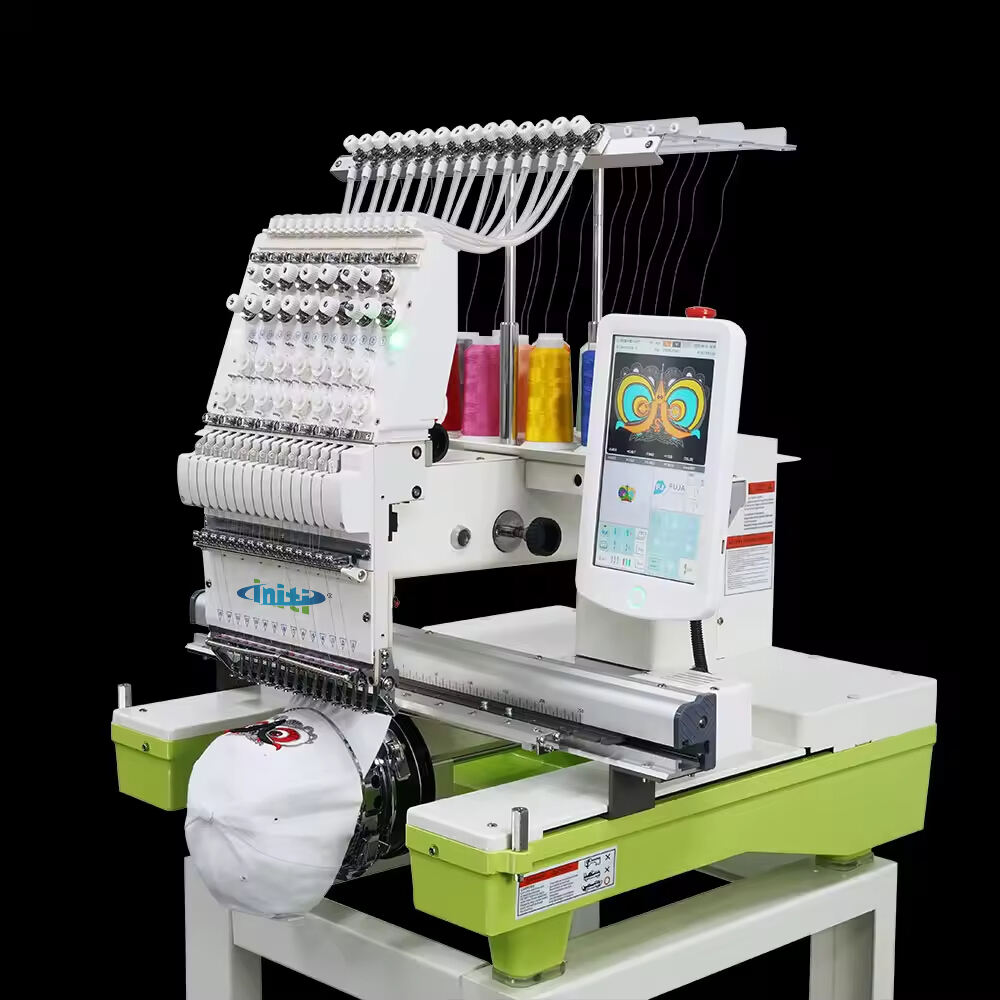
The manufacturing landscape of computerized embroidery machine production represents one of the most sophisticated sectors within the textile machinery industry. Modern factories dedicated to producing these advanced systems combine precision engineering, cutting-edge technology, and meticulous quality control processes to deliver equipment that meets the demanding requirements of commercial embroidery operations worldwide. Understanding the intricate production methods behind computerized embroidery machine manufacturing provides valuable insights into how these complex systems achieve their remarkable precision and reliability in commercial applications.
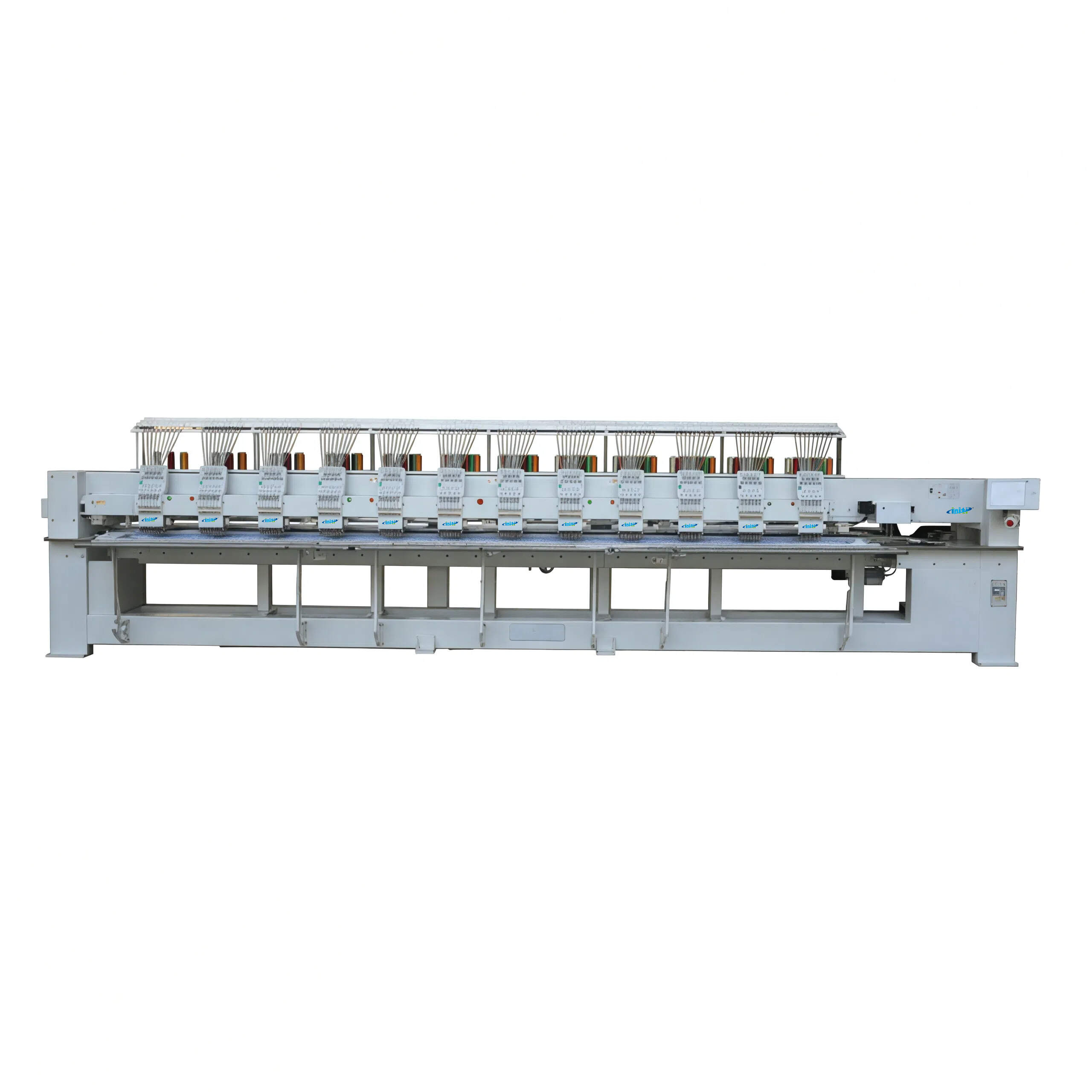
Advanced Manufacturing Processes in Computerized Embroidery Production
Precision Engineering and Component Manufacturing
The foundation of every high-quality computerized embroidery machine begins with precision-engineered components manufactured to exacting tolerances. Factory production floors feature sophisticated CNC machining centers that craft the mechanical framework, needle assemblies, and drive systems with microscopic accuracy. Each component undergoes rigorous dimensional inspection using coordinate measuring machines to ensure perfect alignment when assembled into the final computerized embroidery machine configuration.
Material selection plays a crucial role in component durability and performance characteristics. Premium-grade aluminum alloys, hardened steel components, and specialized polymers undergo extensive testing before incorporation into computerized embroidery machine assemblies. The manufacturing process includes heat treatment procedures, surface finishing operations, and protective coating applications that enhance component longevity and resistance to operational stresses encountered during high-speed embroidery operations.
Electronic Control System Integration
Modern computerized embroidery machine production involves sophisticated electronic control system integration that requires specialized clean-room environments and advanced testing protocols. Circuit board assembly stations utilize automated pick-and-place equipment to position thousands of surface-mount components with exceptional precision. Each control module undergoes comprehensive functionality testing before integration into the main computerized embroidery machine architecture.
Software development teams work continuously to refine the embedded control algorithms that govern needle positioning, thread tension management, and pattern execution timing. These programming efforts directly impact the final performance characteristics of each computerized embroidery machine, requiring extensive field testing and validation procedures to ensure optimal operation across diverse fabric types and embroidery applications.
Quality Control and Testing Protocols
Multi-Stage Inspection Procedures
Factory quality control systems implement multi-stage inspection procedures that evaluate every aspect of computerized embroidery machine performance before shipment to customers. Initial component-level testing verifies dimensional accuracy, material properties, and individual part functionality using specialized measurement equipment and automated testing fixtures. This comprehensive approach ensures that only components meeting strict specifications advance to the assembly stages.
Assembly-level quality checks focus on mechanical alignment, electrical connectivity, and system integration verification. Trained technicians perform detailed inspections using precision instruments to confirm that each computerized embroidery machine meets performance benchmarks established through extensive research and development activities. These quality control measures significantly reduce the likelihood of field service requirements and ensure customer satisfaction with equipment performance.
Performance Validation and Calibration
Each completed computerized embroidery machine undergoes comprehensive performance validation testing that simulates real-world operating conditions. Test protocols include extended runtime evaluations, precision embroidery pattern execution, and stress testing under various load conditions. These validation procedures verify that the computerized embroidery machine maintains consistent stitch quality, accurate positioning, and reliable operation throughout its expected service life.
Calibration procedures ensure that each computerized embroidery machine delivers precise needle positioning and consistent thread tension across all head positions. Advanced optical measurement systems verify registration accuracy between multiple embroidery heads, while tension monitoring equipment confirms uniform thread handling characteristics. This meticulous calibration process guarantees that customers receive equipment capable of producing professional-quality embroidery results from initial installation.
Innovation and Technology Integration
Research and Development Initiatives
Leading computerized embroidery machine manufacturers maintain dedicated research and development facilities that continuously explore new technologies and manufacturing techniques. These innovation centers focus on advancing needle technology, improving thread handling systems, and developing more sophisticated control algorithms that enhance embroidery quality and production efficiency. Prototype development and testing activities provide valuable insights that inform future computerized embroidery machine design improvements.
Collaborative partnerships with textile manufacturers, thread suppliers, and fabric producers ensure that computerized embroidery machine development efforts align with evolving industry requirements. These relationships provide manufacturers with crucial feedback regarding performance expectations, application-specific needs, and emerging market trends that influence computerized embroidery machine design priorities and feature development strategies.
Automation and Manufacturing Efficiency
Modern computerized embroidery machine production facilities increasingly utilize automated manufacturing systems that improve consistency, reduce production costs, and enhance overall quality control capabilities. Robotic assembly systems handle repetitive tasks with exceptional precision, while automated testing equipment performs comprehensive functionality verification without human intervention. These automation investments enable manufacturers to maintain competitive pricing while delivering superior computerized embroidery machine quality.
Lean manufacturing principles guide production flow optimization, inventory management, and waste reduction initiatives throughout computerized embroidery machine manufacturing operations. Continuous improvement programs identify opportunities for efficiency enhancements, cost reductions, and quality improvements that benefit both manufacturers and customers. These operational excellence efforts ensure sustainable competitiveness in the global computerized embroidery machine marketplace.
Supply Chain Management and Global Distribution
Component Sourcing and Vendor Partnerships
Successful computerized embroidery machine manufacturing requires sophisticated supply chain management systems that coordinate component sourcing, vendor relationships, and inventory optimization across global networks. Premium component suppliers undergo rigorous qualification processes that evaluate quality systems, delivery capabilities, and technical support resources. These partnerships ensure consistent availability of high-quality materials and components required for computerized embroidery machine production.
Strategic sourcing initiatives focus on identifying suppliers capable of supporting long-term growth objectives while maintaining the quality standards essential for computerized embroidery machine reliability. Vendor development programs provide technical assistance and quality improvement support that enhance supplier capabilities and strengthen partnership relationships. These collaborative efforts create mutual benefits that support sustainable computerized embroidery machine manufacturing operations.
Global Market Distribution Networks
International distribution networks enable computerized embroidery machine manufacturers to serve customers worldwide while providing local technical support and service capabilities. Regional distribution centers maintain inventory levels optimized for local market demands and ensure rapid delivery of equipment and replacement parts. These distribution strategies minimize customer downtime and maximize computerized embroidery machine utilization rates across diverse geographic markets.
Training programs for international distributors and service technicians ensure consistent support quality regardless of geographic location. Comprehensive technical documentation, diagnostic tools, and remote support capabilities enable effective computerized embroidery machine maintenance and repair services. These support systems contribute significantly to customer satisfaction and long-term equipment performance optimization.
Environmental Considerations and Sustainability
Eco-Friendly Manufacturing Practices
Modern computerized embroidery machine manufacturing facilities implement comprehensive environmental management systems that minimize waste generation, reduce energy consumption, and promote sustainable production practices. Recycling programs for metal components, electronic materials, and packaging materials significantly reduce the environmental impact of computerized embroidery machine production operations. These initiatives demonstrate corporate responsibility while reducing manufacturing costs through improved resource utilization.
Energy-efficient manufacturing equipment and facility systems reduce the carbon footprint associated with computerized embroidery machine production while maintaining productivity and quality standards. Solar power installations, efficient lighting systems, and optimized HVAC equipment contribute to sustainable manufacturing operations that align with global environmental protection objectives. These investments in green technology support long-term operational sustainability and cost management goals.
Product Lifecycle Considerations
Design for manufacturability principles guide computerized embroidery machine development efforts to minimize material waste, reduce energy consumption during operation, and facilitate end-of-life recycling activities. Modular design approaches enable component reuse and upgrade capabilities that extend equipment service life while reducing replacement costs for customers. These sustainability considerations influence every aspect of computerized embroidery machine design and manufacturing decisions.
Service life extension programs provide customers with upgrade paths, refurbishment services, and component replacement options that maximize the useful life of computerized embroidery machine investments. These initiatives reduce total cost of ownership while minimizing environmental impact through reduced equipment turnover rates. Comprehensive service support ensures that computerized embroidery machine systems continue delivering value throughout extended operational periods.
FAQ
What makes computerized embroidery machine manufacturing so complex
Computerized embroidery machine manufacturing complexity stems from the precise integration of mechanical, electronic, and software systems that must work together flawlessly. The manufacturing process requires specialized expertise in precision machining, electronic control systems, software development, and quality assurance protocols. Each computerized embroidery machine contains thousands of components that must be manufactured to exacting tolerances and assembled with exceptional precision to achieve the performance standards expected by commercial embroidery operations.
How long does it take to manufacture a complete computerized embroidery machine
The complete manufacturing cycle for a computerized embroidery machine typically ranges from several weeks to a few months, depending on the complexity of the model and current production schedules. Component manufacturing, assembly, testing, and calibration procedures require significant time investments to ensure quality standards are maintained. Custom configurations and specialized features may extend production timelines, while standard models benefit from streamlined manufacturing processes that optimize efficiency without compromising quality.
What quality standards do computerized embroidery machine manufacturers follow
Leading computerized embroidery machine manufacturers adhere to international quality standards including ISO 9001 quality management systems, CE compliance requirements, and industry-specific safety regulations. These standards ensure consistent manufacturing processes, comprehensive testing protocols, and reliable product performance. Quality certification programs provide customers with confidence in computerized embroidery machine reliability and long-term operational performance while supporting global market acceptance and regulatory compliance.
How do manufacturers ensure computerized embroidery machine reliability
Manufacturers ensure computerized embroidery machine reliability through comprehensive testing protocols that include accelerated aging tests, stress testing under extreme conditions, and long-term operational evaluations. Component selection focuses on proven materials and suppliers with established quality records. Continuous monitoring of field performance data provides feedback for design improvements and manufacturing process optimization. These reliability assurance measures minimize warranty claims and maximize customer satisfaction with computerized embroidery machine performance throughout the equipment service life.