

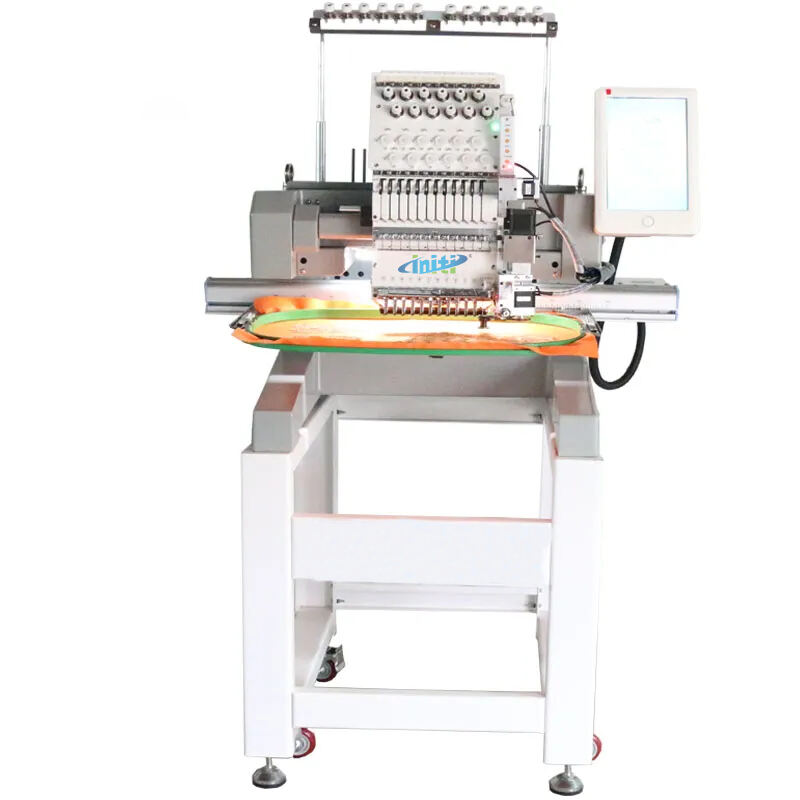
Proper maintenance of your embroidery machine is crucial for ensuring consistent, high-quality results and extending the lifespan of your equipment. Whether you operate a commercial embroidery business or manage an in-house production facility, understanding the fundamental principles of machine care can prevent costly downtime and maintain peak performance. Regular maintenance routines not only preserve your investment but also ensure that every stitch meets professional standards. The complexity of modern embroidery systems demands attention to detail in maintenance procedures, making it essential for operators to develop comprehensive care protocols that address both mechanical and digital components.
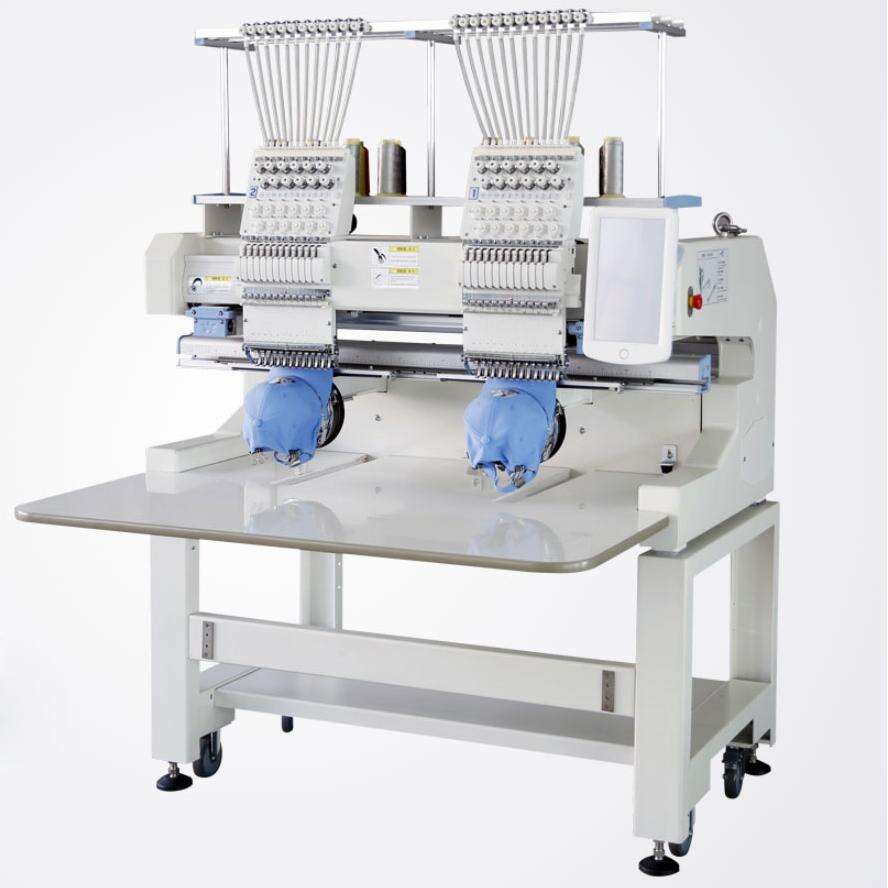
Daily Maintenance Procedures
Thread Path Inspection and Cleaning
Begin each operational day by thoroughly inspecting the thread path from the spool to the needle. Remove any lint, thread fragments, or debris that may have accumulated during previous use. Pay particular attention to thread guides, tension discs, and the bobbin area, as these components directly impact stitch quality. Use compressed air to clear hard-to-reach areas, ensuring that all thread pathways remain unobstructed. This daily routine prevents thread breaks and maintains consistent tension throughout the embroidery process.
Clean the needle area meticulously, removing any adhesive residue from stabilizers or fabric fibers that may have collected around the needle bar. Inspect needles for burrs, bends, or dullness that could affect stitch formation or damage delicate fabrics. Replace needles according to manufacturer recommendations or when visible wear becomes apparent. A clean, sharp needle is fundamental to achieving professional embroidery results and preventing costly rework.
Bobbin Case Maintenance
The bobbin case requires daily attention to maintain proper thread delivery and tension control. Remove the bobbin case completely and clean all surfaces with a soft brush or lint-free cloth. Check for scratches, nicks, or wear that could snag thread or create irregular tension. Examine the tension spring for proper alignment and adjust if necessary according to manufacturer specifications. A well-maintained bobbin case ensures smooth lower thread delivery and prevents the formation of loops or irregular stitches on the fabric underside.
Lubricate the bobbin case hook according to the manufacturer's schedule, typically using light machine oil applied sparingly to designated points. Avoid over-lubrication, which can attract lint and create thread contamination issues. Proper lubrication reduces friction and wear while maintaining smooth rotational movement essential for consistent stitch formation.
Weekly Deep Cleaning Protocols
Motor and Drive System Care
Weekly maintenance should include thorough cleaning of the motor housing and drive components. Remove accumulated dust and debris from cooling vents using compressed air, ensuring adequate airflow for temperature regulation. Inspect drive belts for proper tension, alignment, and signs of wear such as cracking or fraying. Adjust belt tension according to manufacturer specifications to prevent slippage or premature wear that could affect timing accuracy.
Clean and inspect all accessible gears and mechanical linkages, looking for signs of excessive wear or inadequate lubrication. Apply appropriate lubricants to designated points as specified in the maintenance manual. Check that all mechanical movements are smooth and free from binding or irregular operation. Any unusual noises or vibrations should be investigated immediately to prevent major component failure.
Electronic Component Maintenance
The electronic systems of modern embroidery machines require careful attention during weekly maintenance cycles. Clean the control panel and display screen with appropriate cleaners that won't damage electronic components. Inspect all cable connections for tightness and signs of wear or damage. Check that cooling fans are operating properly and that air filters are clean and unobstructed.
Backup important design files and machine settings to external storage devices during weekly maintenance sessions. Verify that software updates are current and that the machine's internal memory has adequate free space for optimal operation. Regular data management prevents loss of custom designs and ensures that the embroidery machine operates with the latest performance enhancements and bug fixes.
Monthly Comprehensive Inspections
Timing and Calibration Verification
Monthly maintenance should include comprehensive timing verification to ensure that all mechanical and electronic systems remain properly synchronized. Use the machine's built-in diagnostic functions to check needle-to-hook timing, which is critical for proper stitch formation. Any timing irregularities should be addressed immediately by qualified technicians to prevent damage to components or poor embroidery quality.
Calibrate the hoop positioning system to maintain accurate design placement and registration. Check that emergency stops function properly and that all safety interlocks operate as designed. Verify that thread break sensors respond appropriately and that automatic thread trimming functions operate within specified parameters. These safety and precision systems are essential for both operator protection and product quality assurance.
Frame and Structural Assessment
Conduct thorough inspections of the machine frame and structural components during monthly maintenance sessions. Look for signs of stress, cracking, or misalignment that could affect operational stability or accuracy. Check that all mounting bolts and structural fasteners remain properly torqued according to manufacturer specifications. Any structural issues should be addressed promptly to prevent cascading problems that could result in extensive downtime.
Inspect the hoop drive system for wear in tracks, bearings, and drive mechanisms. Clean and lubricate these components according to the maintenance schedule, paying particular attention to areas that experience high stress during rapid positioning movements. Proper maintenance of the hoop drive system ensures accurate design placement and prevents premature wear of expensive components.
Preventive Maintenance Best Practices
Environmental Controls
Maintaining proper environmental conditions significantly extends embroidery machine life and improves performance consistency. Control temperature and humidity levels within manufacturer-recommended ranges to prevent condensation, corrosion, and material expansion issues. Install adequate filtration systems to minimize airborne contaminants that can infiltrate sensitive mechanisms and electronic components.
Ensure that the machine installation area provides adequate space for maintenance access and proper ventilation. Position the equipment away from sources of vibration, electromagnetic interference, and direct sunlight that could affect precision or electronic stability. Regular environmental monitoring helps identify potential issues before they impact machine performance or component longevity.
Documentation and Record Keeping
Maintain comprehensive maintenance records that document all service activities, component replacements, and performance observations. This documentation helps identify patterns that may indicate developing problems and supports warranty claims or service interventions. Record keeping also assists in scheduling preventive maintenance activities and tracking component life cycles for cost-effective replacement planning.
Create standardized checklists for daily, weekly, and monthly maintenance tasks to ensure consistency and completeness in service activities. Train all operators on proper maintenance procedures and documentation requirements to maintain high standards regardless of personnel changes. Consistent maintenance practices protect your investment and ensure reliable production capability over the equipment's operational life.
Troubleshooting Common Issues
Thread-Related Problems
Thread breaks represent one of the most common embroidery machine issues and often result from maintenance-related causes. Examine the entire thread path for rough surfaces, improper threading, or tension irregularities that could stress the thread beyond its breaking point. Check needle condition and ensure proper needle size selection for the thread weight and fabric combination being used.
Inconsistent thread tension often indicates problems with tension discs, springs, or adjustment mechanisms that require cleaning or calibration. Verify that thread quality meets machine specifications and that storage conditions haven't degraded thread properties. Poor thread quality can cause numerous operational problems that may be mistakenly attributed to machine malfunctions.
Stitch Quality Issues
Poor stitch quality frequently results from inadequate maintenance of critical machine components. Inspect the hook timing, needle condition, and bobbin case adjustment when stitches appear irregular or malformed. Verify that the machine frame remains properly aligned and that hoop positioning accuracy meets specifications. Many stitch quality problems can be resolved through proper maintenance procedures rather than expensive component replacement.
Check that stabilizer selection and application methods match the fabric and design requirements, as improper stabilization can create apparent machine problems. Ensure that hooping techniques provide adequate fabric tension without distortion that could affect stitch formation. Proper training in fabric preparation and stabilization techniques complements machine maintenance in achieving consistent quality results.
FAQ
How often should I replace the needles on my embroidery machine
Needle replacement frequency depends on usage intensity and fabric types, but generally every 8-10 hours of operation or when visible wear appears. Inspect needles daily for burrs, bends, or dullness that could affect stitch quality or damage fabrics. Replace needles immediately when working with abrasive materials or after thread breaks that may have damaged the needle point. Keep detailed records of needle usage to establish replacement patterns specific to your operational requirements.
What type of oil should I use for lubricating my embroidery machine
Use only manufacturer-specified lubricants designed for precision embroidery equipment, typically lightweight machine oils with specific viscosity ratings. Avoid household oils or automotive lubricants that may contain additives harmful to sensitive machine components. Apply lubricants sparingly according to the maintenance manual schedule, as over-lubrication can attract contaminants and create operational problems. Store lubricants in clean, sealed containers to prevent contamination.
How can I tell if my machine timing is off
Signs of timing problems include irregular stitch formation, frequent thread breaks, needle strikes on the hook, or unusual mechanical noises during operation. Use the machine's diagnostic functions to verify timing parameters, or consult qualified service technicians for precise timing verification. Never attempt timing adjustments without proper training, as incorrect adjustments can cause expensive damage to precision components. Address timing issues immediately to prevent cascading problems that could result in extensive repairs.
What environmental conditions are best for embroidery machine operation
Maintain temperature between 65-75°F and relative humidity between 45-55% for optimal machine performance and component longevity. Avoid locations with excessive vibration, electromagnetic interference, or direct sunlight that could affect precision or electronic stability. Provide adequate ventilation and filtration to minimize airborne contaminants while ensuring stable environmental conditions. Monitor environmental parameters regularly and address any deviations promptly to protect your equipment investment.