

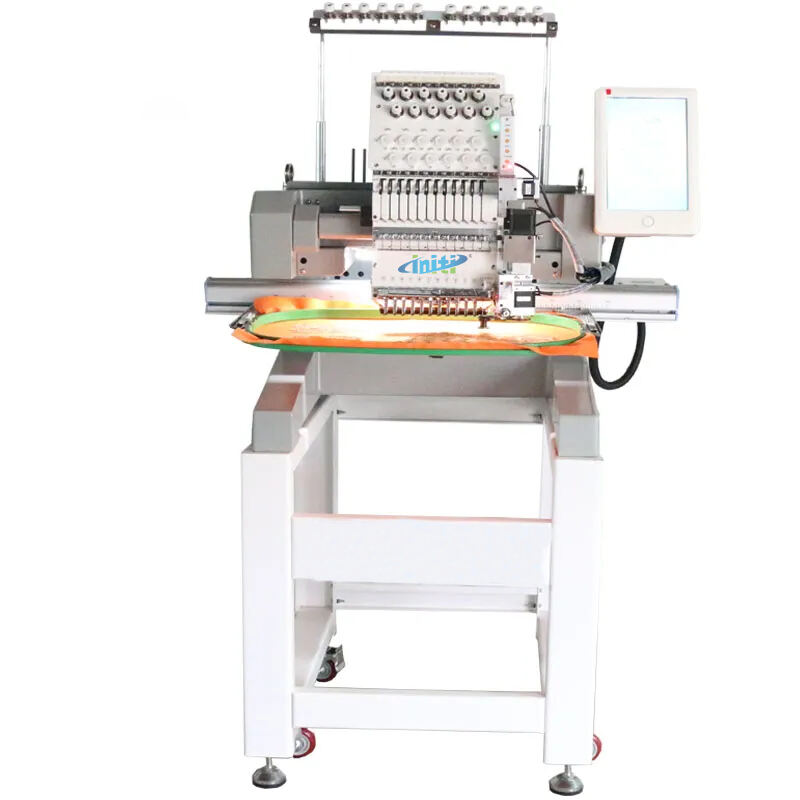
Creating embroidered patches with an embroidery machine opens up endless possibilities for personalization, branding, and artistic expression. Whether you're a small business owner looking to produce custom patches for clients or a hobbyist wanting to create unique designs, understanding the proper techniques and equipment is essential for achieving professional results. The process involves careful planning, precise digitization, and skilled operation of specialized equipment to transform thread into beautiful, durable patches.
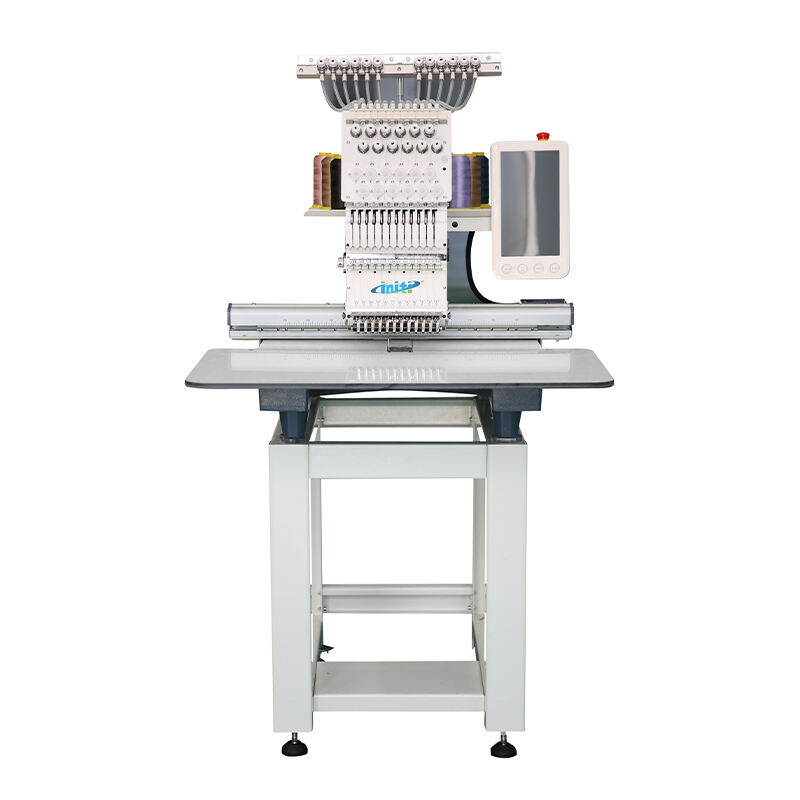
Understanding Embroidery Machine Requirements for Patch Creation
Essential Machine Specifications
Modern embroidery machines designed for patch production require specific features that distinguish them from basic home machines. Professional-grade equipment typically includes multiple needle positions, allowing for seamless color changes during the stitching process. The hoop size plays a crucial role in determining the maximum patch dimensions, with larger hoops accommodating bigger designs and multiple patches simultaneously. Variable speed controls enable operators to adjust stitching rates based on fabric thickness and design complexity.
Memory capacity represents another critical specification, as complex patch designs often contain thousands of stitches requiring substantial storage space. USB connectivity and computer integration facilitate easy design transfer from digitizing software to the machine. Thread tension adjustments must be precise to prevent puckering or loose stitching, particularly important when working with backing materials and stabilizers used in patch construction.
Machine Setup and Calibration
Proper machine calibration ensures consistent stitch quality across all patch production runs. Thread path alignment prevents breaks and maintains uniform tension throughout the embroidery process. Needle positioning requires precise adjustment to match thread weights and fabric types commonly used in patch creation. Regular maintenance schedules including cleaning, lubrication, and timing checks prevent mechanical issues that could compromise patch quality.
Workspace organization around the machine improves efficiency and reduces production time. Adequate lighting, comfortable seating, and accessible storage for threads, stabilizers, and backing materials create an optimal working environment. Temperature and humidity control protect both the machine components and thread materials from environmental damage.
Design Preparation and Digitization Process
Converting Artwork to Machine Format
Transforming original artwork into machine-readable embroidery files requires specialized digitizing software and technical expertise. Vector graphics provide the cleanest starting point, though high-resolution bitmap images can also be successfully converted. The digitization process involves manually plotting stitch paths, determining fill patterns, and establishing color sequences that optimize production efficiency.
Stitch density calculations affect both the appearance and durability of finished patches. Dense stitching creates solid coverage but may cause fabric distortion, while sparse stitching reduces visual impact. Professional digitizers balance these factors based on patch size, intended use, and fabric characteristics. Underlay stitching provides foundation stability, particularly important for patches that will undergo frequent washing or heavy use.
Color Planning and Thread Selection
Strategic color planning minimizes thread changes and reduces production time per patch. Grouping similar colors together in the stitch sequence prevents unnecessary machine stops. Thread quality directly impacts patch appearance and longevity, with polyester threads offering superior color retention and durability compared to rayon alternatives.
Color matching between computer screens and actual thread colors requires physical thread charts and calibrated monitors. Metallic and specialty threads add visual appeal but demand adjusted machine settings including reduced speed and modified tension. Thread inventory management ensures consistent color availability throughout large production runs.
Material Selection and Preparation Techniques
Backing Fabric Considerations
Selecting appropriate backing fabric forms the foundation of quality patch construction. Twill weaves provide excellent stability and professional appearance, while felt offers softer texture suitable for decorative applications. Canvas backing delivers maximum durability for patches subjected to harsh conditions. Fabric weight must balance structural integrity with flexibility requirements of the final application.
Pre-washing backing materials removes sizing chemicals and prevents shrinkage after embroidery completion. Grain direction alignment ensures uniform stretch characteristics across the patch surface. Color selection should complement the embroidered design while maintaining sufficient contrast for visual clarity.
Stabilizer Application Methods
Proper stabilizer selection and application prevents fabric distortion during the embroidery process. Tear-away stabilizers work well for stable fabrics, while cut-away versions provide permanent support for stretchy materials. Water-soluble stabilizers eliminate removal challenges but require careful moisture control during storage.
Hooping techniques affect stabilizer performance and final patch quality. Adequate tension prevents fabric shifting while avoiding excessive stress that causes puckering. Multiple stabilizer layers may be necessary for heavily textured designs or lightweight backing materials. Stabilizer removal timing impacts patch appearance, with premature removal risking stitch distortion.
Production Process and Quality Control
Embroidery Execution Steps
Systematic production workflows maximize efficiency while maintaining consistent quality standards. Machine warm-up procedures ensure optimal performance from the first stitch. Thread path inspection before starting prevents mid-process failures that waste materials and time. Speed adjustments based on design complexity prevent thread breaks and maintain stitch formation quality.
Monitoring during production allows immediate correction of developing issues. Thread tension problems often manifest gradually, requiring periodic checks and adjustments. Color sequence verification prevents costly mistakes in multi-color designs. Documentation of successful machine settings facilitates future reproduction of quality results.
An embroidery machine with automated features can significantly streamline the production process by reducing manual interventions and maintaining consistent stitch quality throughout long production runs.
Quality Assessment and Finishing
Post-embroidery inspection identifies issues requiring correction before final finishing. Stitch density evaluation ensures adequate coverage without excessive bulk. Thread end trimming requires precision to maintain clean edges while preventing unraveling. Pressing techniques smooth fabric surfaces and enhance professional appearance.
Dimensional accuracy verification confirms patches meet specified size requirements. Edge treatment options include merrow stitching, heat cutting, or traditional scissors trimming, each offering different aesthetic and functional characteristics. Final quality control checks encompass colorfastness testing, wash durability assessment, and visual inspection for defects.
Advanced Techniques and Troubleshooting
Complex Design Implementation
Multi-level embroidery creates dimensional effects through strategic stitch layering. Appliqué integration combines fabric pieces with embroidered elements for enhanced visual impact. Gradient effects require careful thread color progression and stitch pattern variations. Textural elements incorporate specialty stitches and thread types to achieve unique surface characteristics.
Registration accuracy becomes critical in multi-hoop designs requiring precise alignment. Template systems ensure consistent positioning across production runs. Color blending techniques create smooth transitions between adjacent thread colors. Specialty threads including glow-in-the-dark, reflective, and metallic options expand design possibilities.
Common Problem Resolution
Thread breakage troubleshooting involves examining tension settings, needle condition, and thread path obstructions. Puckering problems often stem from inadequate stabilization or excessive hoop tension. Uneven stitch formation may indicate timing issues or worn machine components requiring professional service.
Design registration problems require careful examination of hoop positioning and machine calibration. Thread nesting underneath fabric typically results from incorrect thread tension or bobbin threading errors. Color bleeding during washing indicates poor thread quality or inadequate heat setting during production.
Business Applications and Market Opportunities
Commercial Production Strategies
Efficient production scheduling maximizes machine utilization while meeting customer deadlines. Batch processing similar designs reduces setup time and material waste. Inventory management systems track thread consumption and material usage for accurate cost calculations. Customer communication protocols ensure design approval before production begins.
Pricing strategies must account for design complexity, material costs, and production time requirements. Market research identifies profitable niches including corporate branding, sports teams, and specialty collectors. Quality standards documentation supports premium pricing and customer retention. Delivery logistics coordinate with production schedules to ensure timely order fulfillment.
Equipment Investment Considerations
Production volume projections guide equipment selection and capacity planning. Single-head machines suit small batch production while multi-head systems handle large commercial orders efficiently. Maintenance cost analysis includes regular service, replacement parts, and potential downtime impacts. Technology upgrades ensure compatibility with evolving software and design standards.
Financing options for professional equipment include leasing, loans, and equipment-specific financing programs. Training investments ensure operators can maximize machine capabilities and maintain quality standards. Insurance coverage protects against equipment damage and business interruption losses. Facility requirements include adequate electrical supply, climate control, and workspace organization.
FAQ
What type of backing material works best for embroidered patches
Cotton twill provides the optimal balance of stability, durability, and professional appearance for most embroidered patches. Its tight weave prevents stitch penetration problems while maintaining flexibility for application to various surfaces. Canvas backing offers superior durability for heavy-duty applications, while felt backing provides softer texture suitable for decorative purposes.
How do I prevent thread breakage during patch embroidery
Thread breakage prevention involves multiple factors including proper tension adjustment, fresh needle installation, and quality thread selection. Ensure the thread path follows manufacturer specifications without sharp bends or friction points. Reduce machine speed for complex designs and check that the needle size matches the thread weight being used.
What stabilizer should I use for different patch materials
Tear-away stabilizer works well with stable woven fabrics like twill and canvas, providing adequate support during embroidery while removing cleanly afterward. Cut-away stabilizer offers permanent support for stretchy or loosely woven materials. Water-soluble stabilizer eliminates removal challenges but requires careful moisture control during storage and handling.
How can I achieve consistent patch sizing across production runs
Consistent patch sizing requires precise hoop positioning, accurate design scaling, and systematic quality control procedures. Use positioning templates to ensure uniform placement in the embroidery hoop. Verify design dimensions in the digitizing software before production begins. Implement measurement checks throughout the production process and maintain detailed records of successful machine settings for future reference.