

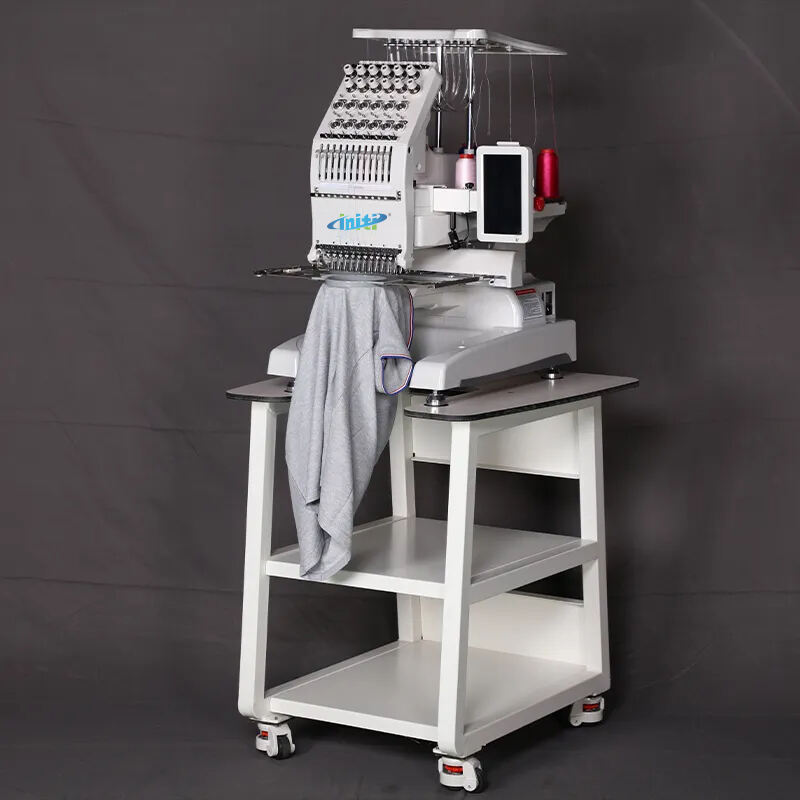
Modern manufacturing and textile industries rely heavily on sophisticated machinery to produce intricate designs with precision and speed. Understanding the intricate mechanisms behind automated stitching equipment reveals fascinating engineering principles that combine mechanical precision with digital technology. These advanced systems transform digital patterns into physical embroidered designs through a complex interplay of motors, sensors, and needle mechanisms that work in perfect synchronization.
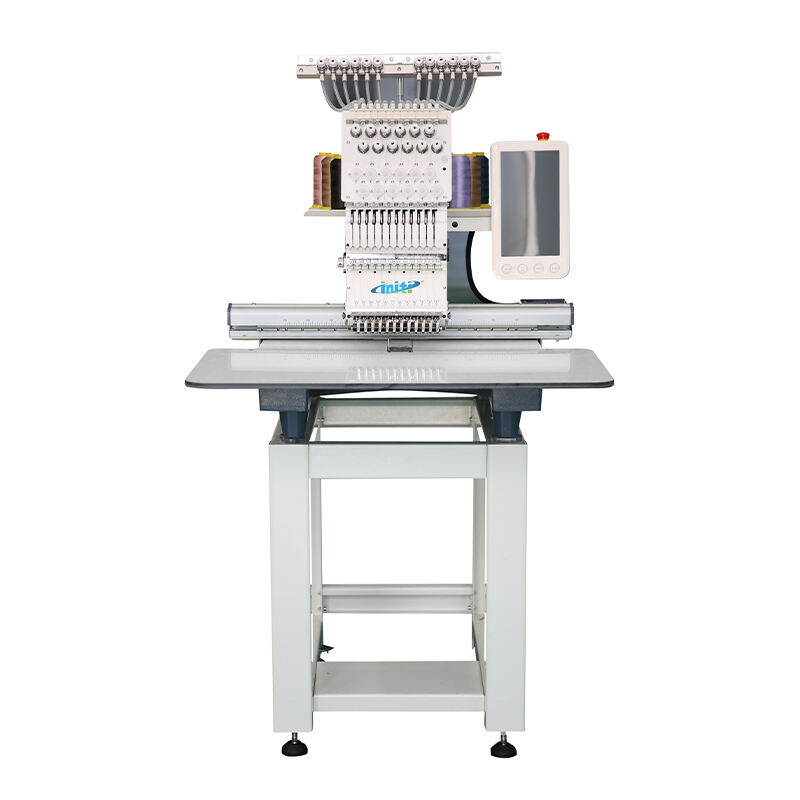
The fundamental operation of computerized stitching systems involves converting digital design files into precise needle movements and thread placements. Each design begins as a digitized pattern containing specific coordinates, stitch types, and color sequences. The control system processes this information and translates it into mechanical commands that guide the needle assembly and fabric positioning mechanisms throughout the entire embroidery process.
Digital Pattern Processing and Control Systems
Design File Interpretation
Contemporary embroidery systems begin their operation by reading specialized design files that contain vectorized pattern information. These files include detailed instructions about stitch placement, density, direction, and thread color changes. The embedded computer system processes thousands of individual stitch coordinates within seconds, creating a comprehensive roadmap for the mechanical components to follow during the embroidery process.
The control software analyzes pattern complexity and optimizes the stitching sequence to minimize thread breaks and maximize efficiency. Advanced algorithms calculate the most efficient path between design elements, reducing production time while maintaining consistent stitch quality. This preprocessing stage ensures that the mechanical systems receive clear, organized instructions that prevent errors and maintain design integrity throughout the production run.
Real-Time Motion Control
Once pattern processing is complete, the control system manages real-time coordination between multiple mechanical subsystems. Servo motors receive precise positioning commands that control both horizontal and vertical fabric movement with micron-level accuracy. The timing of these movements must synchronize perfectly with needle penetration cycles to ensure proper stitch formation and prevent fabric damage or thread breakage.
Modern control systems monitor hundreds of parameters continuously, including thread tension, needle temperature, and fabric positioning accuracy. Feedback sensors provide real-time data that allows the system to make instant adjustments, maintaining consistent quality even during long production runs. This closed-loop control approach ensures reliable performance across various fabric types and design complexities.
Mechanical Drive Systems and Precision Movement
Servo Motor Technology
The heart of any automated stitching system lies in its precision drive mechanisms, typically powered by high-resolution servo motors. These motors control fabric positioning through a sophisticated pantograph system that moves the embroidery hoop in precise X and Y coordinates. Each motor can execute thousands of positioning commands per minute while maintaining positioning accuracy within fractions of a millimeter.
Advanced servo systems incorporate encoder feedback that provides continuous position verification to the control computer. This feedback loop ensures that fabric positioning remains accurate throughout extended operation periods, compensating for mechanical wear and environmental factors that might affect precision. The integration of these systems allows for complex multi-directional stitching patterns that would be impossible to achieve through manual operation.
Needle Bar Assembly and Threading Systems
The needle bar assembly represents one of the most critical mechanical components in automated stitching equipment. This system controls needle penetration depth, timing, and vertical movement coordination with the fabric positioning mechanism. Precision-machined components ensure consistent stitch formation while minimizing needle deflection during high-speed operation.
Modern threading systems incorporate automatic thread cutting and color changing capabilities that eliminate manual intervention during production. Pneumatic mechanisms control thread tension and trimming functions, while magnetic sensors detect thread breaks instantly. These automated features significantly increase production efficiency while reducing the skill level required for operation, making sophisticated embroidery machine technology accessible to a broader range of users.
Thread Management and Tension Control
Automatic Tension Regulation
Proper thread tension management is essential for producing high-quality embroidered products with consistent appearance and durability. Automated tension control systems use spring-loaded mechanisms combined with electronic monitoring to maintain optimal thread tension throughout the stitching process. These systems automatically adjust tension based on fabric type, stitch density, and thread characteristics.
Variable tension control allows the system to accommodate different thread materials and weights without manual adjustment. Sensors monitor thread path resistance and automatically compensate for variations in thread thickness or elasticity. This adaptive approach ensures consistent stitch quality across diverse thread types and prevents common problems such as thread breakage or loose stitches that can compromise final product quality.
Multi-Color Thread Management
Advanced embroidery systems incorporate sophisticated thread management capabilities that handle multiple colors simultaneously without operator intervention. Automatic thread changing mechanisms select appropriate colors based on design requirements and position the correct thread for each portion of the pattern. This automation eliminates manual color changes and reduces production time significantly.
Thread monitoring systems track consumption rates and alert operators when thread supplies need replenishment. Optical sensors detect thread presence and quality, automatically stopping production if thread breaks or runs out. These safety features prevent incomplete embroidery and protect both the fabric and the mechanical components from damage that could result from continued operation without proper thread supply.
Fabric Positioning and Hoop Systems
Pneumatic Clamping Mechanisms
Secure fabric positioning forms the foundation of accurate embroidery production, requiring specialized clamping systems that hold materials firmly without causing damage or distortion. Pneumatic clamping mechanisms provide consistent pressure across the entire embroidery area while accommodating various fabric thicknesses and textures. These systems ensure that fabric remains stationary during needle penetration and thread pulling operations.
Advanced clamping systems incorporate pressure sensors that automatically adjust clamping force based on fabric characteristics. Delicate materials receive lighter pressure to prevent damage, while heavy fabrics require increased clamping force to prevent movement during stitching. This intelligent pressure control extends the range of materials that can be processed effectively while maintaining consistent quality standards.
Multi-Axis Positioning Control
Precise fabric positioning requires coordination of multiple mechanical axes working in perfect synchronization with needle timing. Linear motor systems provide smooth, accurate movement in both horizontal directions while maintaining consistent positioning accuracy throughout the entire embroidery area. Ball screw drive mechanisms ensure backlash-free operation and long-term positioning accuracy.
Modern positioning systems incorporate laser measurement technology for real-time position verification and automatic calibration. These systems can detect and compensate for mechanical wear, thermal expansion, and other factors that might affect positioning accuracy over time. Continuous calibration ensures that embroidery quality remains consistent throughout the machine's operational life, reducing maintenance requirements and maximizing production uptime.
Quality Control and Monitoring Systems
Real-Time Quality Assessment
Contemporary embroidery systems integrate sophisticated monitoring capabilities that assess stitch quality continuously during production. Vision systems capture high-resolution images of the embroidery process and analyze stitch formation, thread placement, and pattern accuracy in real-time. These systems can detect quality issues immediately and alert operators or automatically adjust parameters to correct problems.
Advanced quality control algorithms compare actual stitch placement with design specifications and identify deviations that exceed acceptable tolerances. Machine learning capabilities allow these systems to improve their detection accuracy over time, learning to recognize subtle quality issues that might not be apparent to human operators. This proactive approach to quality control reduces waste and ensures consistent output quality across all production runs.
Predictive Maintenance Integration
Modern embroidery equipment incorporates predictive maintenance systems that monitor component performance and predict when maintenance will be required. Vibration sensors, temperature monitoring, and performance tracking systems collect data continuously and analyze trends that indicate developing mechanical issues. This approach allows maintenance to be scheduled proactively, preventing unexpected downtime and extending equipment life.
Integrated diagnostic systems provide detailed information about machine performance and component condition, enabling technicians to identify and address potential problems before they affect production quality. Remote monitoring capabilities allow service technicians to assess machine condition and provide support without physical presence, reducing response times and minimizing production interruptions.
Production Efficiency and Automation Features
Automated Workflow Management
Modern embroidery systems incorporate comprehensive workflow management capabilities that optimize production efficiency and reduce operator workload. Automated job queuing systems manage multiple design files and coordinate production scheduling to maximize machine utilization. These systems can automatically select appropriate settings for each design and prepare the machine for production without manual intervention.
Integration with enterprise resource planning systems allows embroidery machines to receive production orders directly and report completion status automatically. This seamless integration eliminates manual data entry and provides real-time production visibility to management systems. Automated reporting capabilities track production statistics, efficiency metrics, and quality indicators, providing valuable insights for process optimization and capacity planning.
Adaptive Speed Control
Intelligent speed control systems automatically adjust stitching speed based on design complexity, fabric characteristics, and thread requirements. Complex areas with high stitch density or tight curves operate at reduced speeds to ensure accuracy, while simple fill areas can run at maximum speed for efficiency. This adaptive approach optimizes production time while maintaining consistent quality standards.
Advanced algorithms analyze upcoming design elements and preemptively adjust machine parameters to ensure smooth transitions between different stitching requirements. This predictive approach eliminates the stop-start cycles that can reduce efficiency and affect stitch quality. Continuous speed optimization based on real-time conditions maximizes production throughput while preserving the mechanical components from unnecessary stress.
FAQ
What are the main components that make an embroidery machine function
The primary components include a computerized control system that processes digital designs, servo motors for precise fabric positioning, a needle bar assembly for stitch formation, thread management systems for tension control and color changes, and pneumatic clamping mechanisms for secure fabric holding. These components work together under computer control to translate digital patterns into physical embroidered designs with high precision and consistency.
How does an embroidery machine maintain stitch quality during high-speed operation
Quality maintenance during high-speed operation relies on real-time monitoring systems that track thread tension, needle temperature, and positioning accuracy continuously. Feedback sensors provide instant data to the control system, which makes automatic adjustments to maintain optimal parameters. Advanced algorithms also adjust stitching speed based on design complexity, slowing down for intricate areas and increasing speed for simple sections.
Can embroidery machines work with different types of fabrics and threads
Yes, modern embroidery machines incorporate adaptive systems that automatically adjust parameters based on material characteristics. Tension control systems accommodate different thread weights and materials, while clamping pressure adjusts based on fabric thickness and delicacy. The control software includes settings for various fabric types, ensuring optimal performance across a wide range of materials from delicate silk to heavy canvas.
What happens when an embroidery machine detects a problem during operation
When problems are detected, the machine typically stops operation immediately to prevent damage or quality issues. Advanced diagnostic systems identify the specific problem, such as thread breaks, needle issues, or positioning errors, and display appropriate alerts to the operator. Some systems can automatically attempt corrective actions, such as re-threading or adjusting tension, while others require operator intervention to resolve the issue before production can resume.
Table of Contents
- Digital Pattern Processing and Control Systems
- Mechanical Drive Systems and Precision Movement
- Thread Management and Tension Control
- Fabric Positioning and Hoop Systems
- Quality Control and Monitoring Systems
- Production Efficiency and Automation Features
-
FAQ
- What are the main components that make an embroidery machine function
- How does an embroidery machine maintain stitch quality during high-speed operation
- Can embroidery machines work with different types of fabrics and threads
- What happens when an embroidery machine detects a problem during operation