

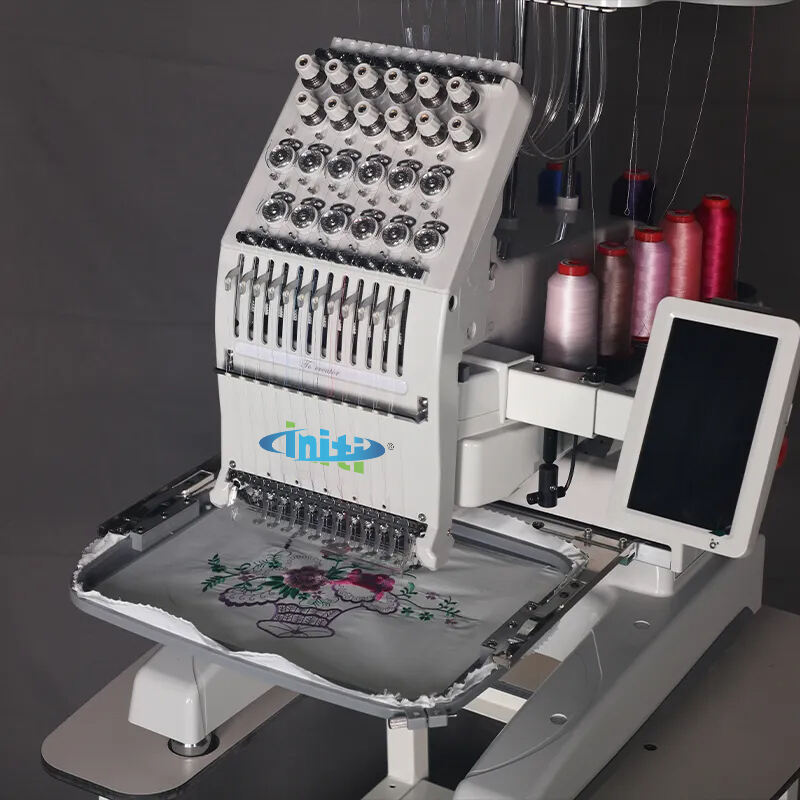
Modern textile businesses face increasing pressure to deliver high-quality embroidered products while maintaining competitive pricing and fast turnaround times. The embroidery machine market has evolved significantly, offering sophisticated solutions that balance advanced features with cost-effectiveness. Commercial cap embroidery machines represent a specialized segment where precision engineering meets practical business needs, enabling manufacturers to create professional-grade embroidered caps with consistent quality and efficiency.
The decision-making process for purchasing commercial embroidery equipment involves careful consideration of multiple factors beyond initial cost. Business owners must evaluate production capacity requirements, design complexity capabilities, operational efficiency features, and long-term maintenance costs. Understanding these elements helps establish realistic expectations and ensures the selected embroidery machine aligns with specific business objectives and growth projections.
Understanding Commercial Cap Embroidery Machine Technology
Multi-Head Configuration Benefits
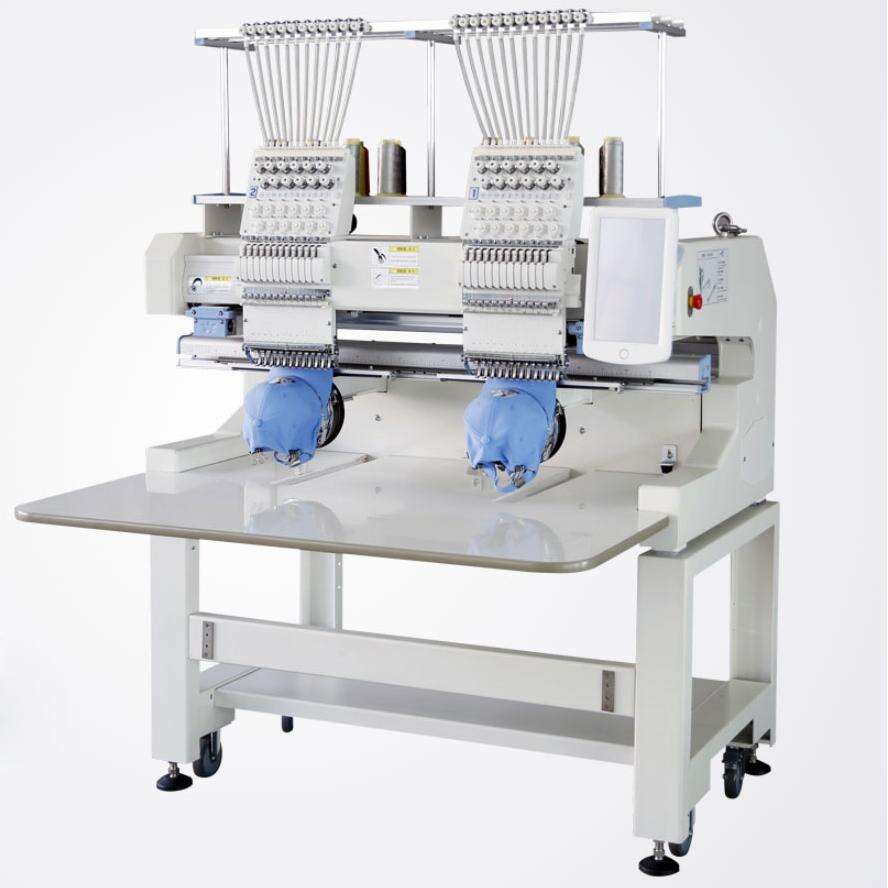
Commercial cap embroidery machines typically feature multiple embroidery heads that operate simultaneously, dramatically increasing production efficiency compared to single-head alternatives. Each head functions independently, allowing operators to work on different designs or multiple pieces of the same pattern concurrently. This configuration reduces per-unit production time and maximizes machine utilization throughout operational hours.
The synchronization technology between heads ensures consistent stitch quality and timing across all embroidery positions. Advanced control systems monitor thread tension, needle positioning, and fabric movement to maintain uniform results regardless of which head completes the work. This reliability becomes crucial when fulfilling large orders where consistency directly impacts customer satisfaction and brand reputation.
Specialized Cap Hoop Systems
Cap embroidery requires specialized hooping mechanisms designed to accommodate curved surfaces and varying cap styles. Professional machines incorporate adjustable cap frames that securely hold different cap types while providing optimal access for needle penetration. The hooping system must maintain fabric tension without distorting the cap shape or creating visible marks on finished products.
Modern cap frames feature quick-release mechanisms that streamline the loading and unloading process between jobs. Ergonomic design considerations reduce operator fatigue during extended production runs while ensuring precise positioning for accurate embroidery placement. The frame stability directly affects stitch quality, making this component a critical factor in overall machine performance evaluation.
Cost Analysis Framework for Investment Decisions
Initial Purchase Price Considerations
Commercial cap embroidery machine prices vary significantly based on head count, feature sets, and manufacturer positioning. Entry-level commercial units typically start around fifteen thousand dollars, while high-end multi-head systems can exceed fifty thousand dollars. The price differential reflects capabilities in speed, automation level, software sophistication, and construction quality.
Financing options often influence the practical affordability of embroidery equipment beyond the sticker price. Many suppliers offer lease programs, equipment loans, or rent-to-own arrangements that spread costs over multiple years. These arrangements require careful evaluation of interest rates, depreciation schedules, and tax implications to determine true ownership costs versus immediate cash purchases.
Operating Cost Projections
Beyond initial investment, ongoing operational expenses significantly impact the total cost of ownership for commercial embroidery equipment. Thread consumption, needle replacement, maintenance supplies, and electricity usage create recurring costs that accumulate over the machine's operational lifetime. Efficient machines with optimized thread handling and energy-saving features reduce these ongoing expenses.
Labor costs represent another substantial operational factor, particularly regarding operator training requirements and production efficiency. Machines with intuitive controls and automated features reduce the skill level needed for basic operations while increasing throughput per operator hour. The balance between automation sophistication and operator involvement affects both immediate productivity and long-term staffing flexibility.
Essential Features for Commercial Applications
Speed and Production Capacity
Commercial embroidery machines are rated by stitches per minute, with typical speeds ranging from 800 to 1200 stitches per minute per head. Higher speeds increase hourly production capacity but may require trade-offs in stitch quality or material compatibility. The optimal speed setting depends on design complexity, thread types, and fabric characteristics of the specific application.
Production capacity calculations must account for setup time, design changes, thread color changes, and quality control procedures. Real-world throughput often differs from theoretical maximum speeds due to these operational factors. Machines with automated features like thread cutting, color changing, and design sequencing minimize downtime between embroidery cycles, improving overall efficiency.
Design Software Integration
Modern commercial embroidery machines integrate with sophisticated design software that converts artwork into machine-readable stitch patterns. The software capabilities directly impact design flexibility, editing efficiency, and operator productivity. Professional-grade software includes features for automatic digitizing, stitch optimization, and design simulation before actual embroidery begins.
Compatibility with industry-standard file formats ensures seamless workflow integration with existing design processes or external design services. Cloud-based software solutions enable remote design management and facilitate collaboration between design teams and production facilities. The software investment often represents a significant portion of total system costs but provides ongoing value through enhanced capabilities and workflow efficiency.
Quality Control and Precision Engineering
Stitch Quality Consistency
Professional embroidery applications demand consistent stitch quality across all production runs to maintain brand standards and customer expectations. Advanced machines incorporate tension monitoring systems that automatically adjust thread tension based on fabric type, design density, and environmental conditions. This automation reduces operator intervention while maintaining superior results.
Quality control features include automatic thread break detection, needle break sensors, and fabric displacement monitoring. These systems pause production when irregularities occur, preventing defective products and minimizing material waste. The early detection capabilities save time and materials while ensuring only acceptable products leave the production area.
Precision Mechanical Components
The mechanical precision of commercial embroidery machines directly affects stitch placement accuracy and pattern registration. High-quality machines utilize precision-ground components, sealed bearings, and rigid frame construction to minimize vibration and maintain accurate needle positioning. These engineering details become increasingly important for intricate designs or high-speed operations.
Regular calibration procedures ensure maintained accuracy throughout the machine's operational life. Professional machines include built-in calibration routines and diagnostic tools that simplify maintenance procedures while providing objective performance measurements. This systematic approach to precision maintenance reduces unexpected downtime and extends equipment lifespan.
Market Comparison and Selection Criteria
Brand Reputation and Support Services
Established embroidery machine manufacturers typically provide comprehensive support services including technical training, maintenance programs, and parts availability. The quality and accessibility of these services significantly impact long-term ownership satisfaction and operational reliability. Local dealer networks facilitate faster service response times and hands-on support relationships.
Warranty coverage varies between manufacturers and often reflects confidence in product reliability. Extended warranty options provide additional protection but require evaluation of coverage terms, exclusions, and claim procedures. The warranty value depends partly on the manufacturer's reputation for honoring claims and providing timely service responses.
Technology Evolution and Future Compatibility
The embroidery machine industry continues evolving with improvements in automation, connectivity, and material handling capabilities. Selecting equipment with upgrade pathways and expandable features provides protection against technological obsolescence. Modular designs allow incremental capability additions without complete system replacement.
Industry 4.0 integration features such as IoT connectivity, remote monitoring, and predictive maintenance capabilities represent emerging trends in commercial embroidery equipment. These technologies promise improved efficiency and reduced maintenance costs but require evaluation of implementation complexity and ongoing service requirements. Early adoption may provide competitive advantages but involves additional risks and learning curves.
FAQ
What factors most significantly affect commercial cap embroidery machine pricing
The primary price drivers include the number of embroidery heads, maximum embroidery speed, software sophistication, and automation level. Multi-head configurations dramatically increase cost but provide proportional productivity gains. Advanced features like automatic thread changing, design optimization software, and quality monitoring systems add substantial value but require higher investment levels.
How do I calculate the return on investment for embroidery equipment
ROI calculation requires comparing total ownership costs against projected revenue increases from enhanced production capacity. Include initial purchase price, financing costs, training expenses, and ongoing operational costs in the investment calculation. Revenue projections should account for increased production speed, improved quality consistency, and potential for new customer acquisition through expanded capabilities.
What maintenance requirements should I expect with commercial embroidery machines
Regular maintenance includes daily cleaning, weekly lubrication, monthly calibration checks, and annual professional servicing. Thread path cleaning, needle replacement, and software updates represent ongoing requirements. Preventive maintenance costs typically range from two to four percent of machine value annually but significantly extend equipment life and maintain optimal performance levels.
Can commercial cap embroidery machines handle other embroidery applications
Most commercial cap machines can accommodate flat embroidery applications with appropriate hoop changes, making them versatile investments for diversified production requirements. However, specialized applications like jacket backs or large flat designs may require different machine configurations. Evaluate your complete application requirements before finalizing equipment selection to ensure optimal versatility and investment utilization.
Table of Contents
- Understanding Commercial Cap Embroidery Machine Technology
- Cost Analysis Framework for Investment Decisions
- Essential Features for Commercial Applications
- Quality Control and Precision Engineering
- Market Comparison and Selection Criteria
-
FAQ
- What factors most significantly affect commercial cap embroidery machine pricing
- How do I calculate the return on investment for embroidery equipment
- What maintenance requirements should I expect with commercial embroidery machines
- Can commercial cap embroidery machines handle other embroidery applications