

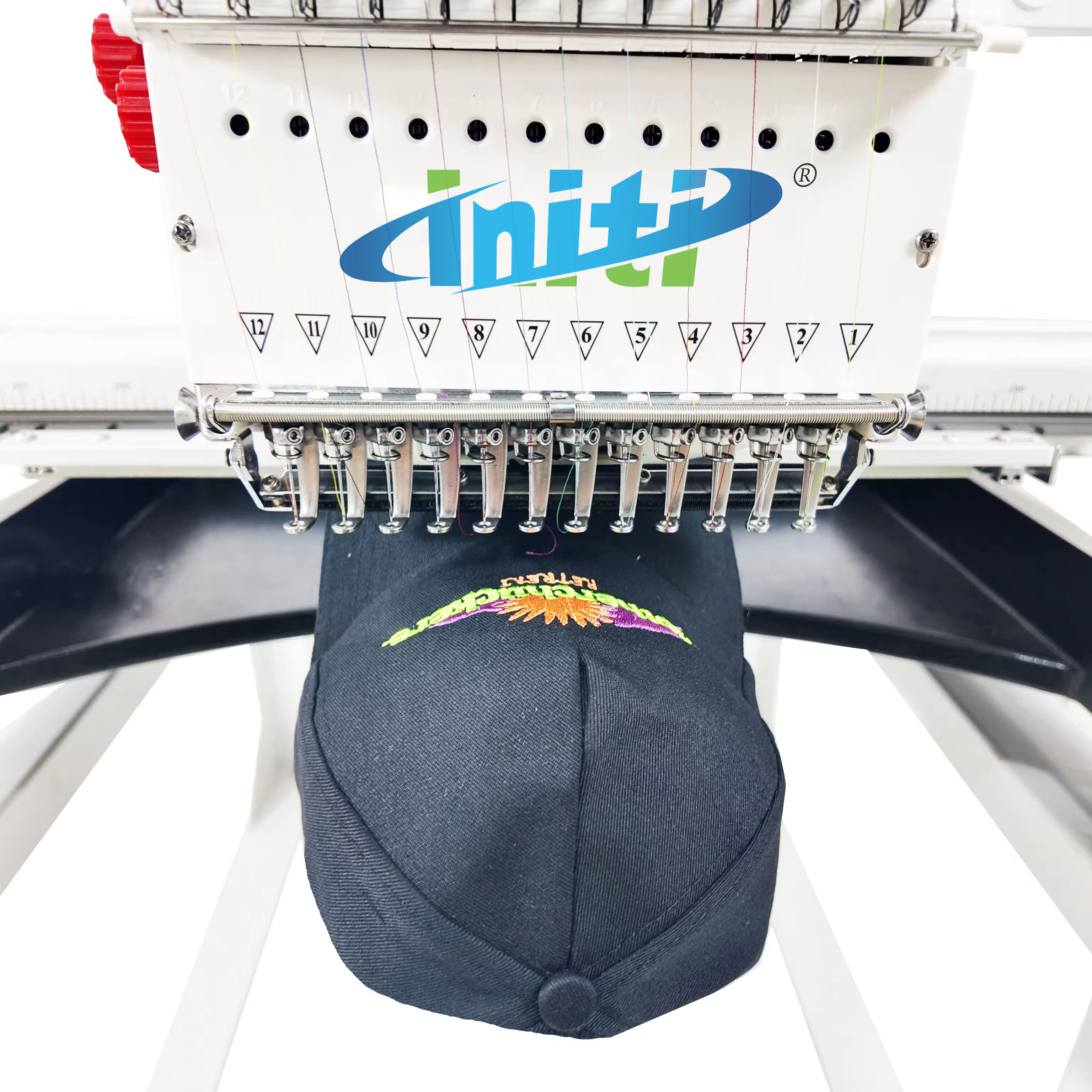
When businesses evaluate manufacturing equipment, the initial purchase cost often dominates decision-making conversations. However, savvy operators understand that the true value proposition extends far beyond the sticker price. The embroidery machine price represents just one component of a comprehensive cost structure that includes maintenance, energy consumption, training, and long-term productivity considerations. Understanding these hidden expenses can mean the difference between a profitable investment and a costly mistake that impacts operations for years.
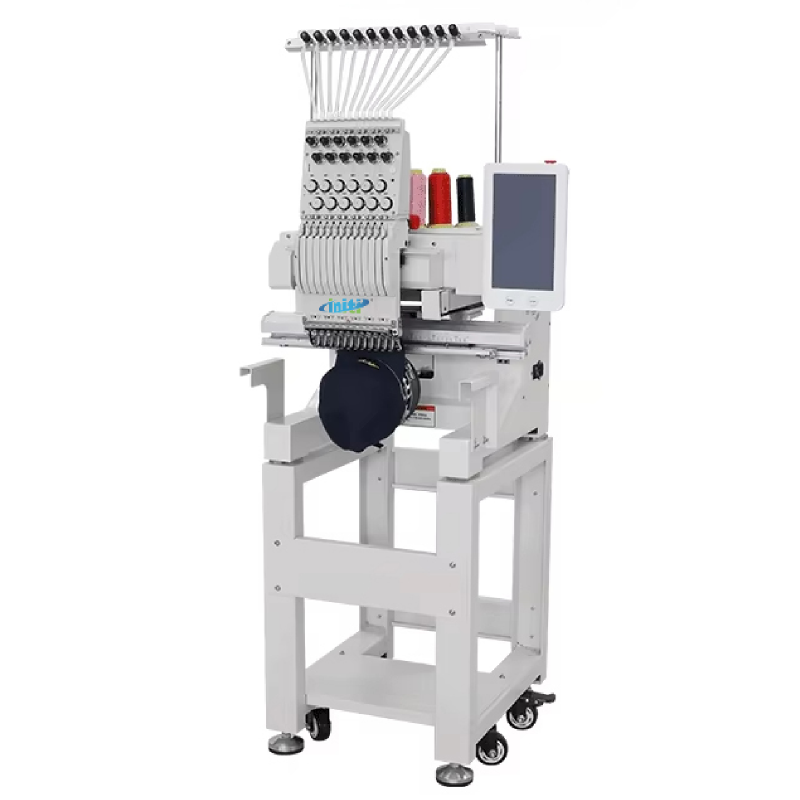
Manufacturing businesses frequently fall into the trap of selecting equipment based solely on upfront costs, overlooking critical factors that significantly impact total ownership expenses. This narrow focus can lead to substantial financial consequences that emerge months or years after installation. Smart procurement teams recognize that comprehensive cost analysis requires examining operational efficiency, reliability metrics, and support infrastructure alongside initial capital requirements.
Understanding Total Cost of Ownership in Manufacturing Equipment
Initial Investment Considerations
The embroidery machine price typically represents 30-40% of the total ownership cost over a five-year period. While budget-conscious buyers gravitate toward lower-priced options, this approach often proves counterproductive when factoring in reliability issues, maintenance requirements, and productivity limitations. Premium equipment manufacturers invest heavily in engineering excellence, resulting in machines that deliver consistent performance with minimal downtime.
Quality manufacturing processes, superior materials, and rigorous testing protocols contribute to higher initial costs but generate substantial savings through reduced maintenance needs and extended operational life. These factors become particularly important in high-volume production environments where equipment reliability directly impacts revenue generation. Businesses must evaluate whether short-term savings justify potential long-term operational challenges.
Hidden Operational Expenses
Beyond the embroidery machine price, operators encounter numerous ongoing expenses that significantly impact profitability. Energy consumption varies dramatically between models, with efficient units reducing electricity costs by 20-30% compared to older or lower-quality alternatives. These savings compound over time, particularly in facilities operating multiple shifts or running equipment continuously.
Maintenance requirements represent another substantial cost category often overlooked during initial evaluations. Budget machines frequently require more frequent service intervals, replacement parts, and technical interventions. Premium equipment typically includes comprehensive warranty coverage, predictive maintenance features, and readily available technical support that minimizes unplanned downtime and associated revenue losses.
Evaluating Long-Term Performance Metrics
Productivity and Efficiency Analysis
Production capacity directly correlates with revenue potential, making throughput analysis essential when comparing different embroidery machine price points. Higher-end equipment often delivers superior speed, precision, and consistency that translates into increased output and improved product quality. These performance advantages become more pronounced in competitive markets where delivery times and quality standards determine customer satisfaction.
Advanced machines incorporate sophisticated control systems, automated features, and quality monitoring capabilities that reduce operator intervention and minimize defect rates. While these technologies increase initial investment requirements, they generate substantial returns through reduced labor costs, improved material utilization, and enhanced customer satisfaction scores.
Reliability and Downtime Considerations
Equipment reliability profoundly impacts operational costs and customer relationships. Budget machines often experience higher failure rates, longer repair times, and limited technical support availability. These factors combine to create significant indirect costs through production delays, overtime labor expenses, and potential customer penalties for missed delivery commitments.
When evaluating different embroidery machine price options, businesses should request detailed reliability data, warranty terms, and service level agreements. This information provides valuable insights into expected performance and helps quantify potential downtime costs that could offset initial savings from choosing less expensive alternatives.
Strategic Financial Planning for Equipment Acquisition
Cash Flow Impact Assessment
Equipment purchases significantly impact cash flow patterns, requiring careful financial planning to ensure adequate liquidity for ongoing operations. The embroidery machine price affects not only immediate capital requirements but also influences financing options, insurance costs, and depreciation schedules. Businesses must balance equipment capabilities with financial constraints to optimize long-term profitability.
Leasing arrangements provide alternative financing structures that can improve cash flow management while accessing advanced equipment technologies. These arrangements often include maintenance coverage and upgrade provisions that reduce total ownership risks. However, lease payments typically exceed purchase financing costs over extended periods, requiring careful analysis of financial trade-offs.
Return on Investment Calculations
Comprehensive ROI analysis incorporates all ownership costs, productivity benefits, and risk factors associated with different equipment options. The embroidery machine price serves as the baseline for these calculations, but true value emerges from operational performance metrics including throughput rates, quality consistency, and maintenance requirements.
Successful businesses develop detailed financial models that project cash flows, operating expenses, and revenue generation over the equipment's expected useful life. These models help identify optimal investment levels and provide objective criteria for comparing different supplier options. Regular model updates based on actual performance data improve future decision-making accuracy.
Quality Assurance and Compliance Factors
Regulatory Compliance Requirements
Manufacturing equipment must comply with various safety, environmental, and quality standards that can significantly impact total ownership costs. Budget machines may lack necessary certifications or require expensive modifications to meet regulatory requirements. These compliance gaps can result in fines, operational restrictions, or costly retrofitting that far exceeds initial savings from choosing lower-priced alternatives.
Premium manufacturers typically ensure their equipment meets or exceeds relevant standards, providing comprehensive documentation and ongoing compliance support. This proactive approach reduces regulatory risks and simplifies audit processes, contributing to smoother operations and reduced legal exposure.
Quality Control Integration
Modern embroidery equipment incorporates sophisticated quality control systems that monitor production parameters and automatically adjust settings to maintain consistent output. While these features increase the embroidery machine price, they deliver substantial value through reduced waste, improved customer satisfaction, and enhanced brand reputation.
Quality control capabilities become particularly important in industries with strict tolerance requirements or high-value products where defects create significant financial losses. Investment in advanced quality systems typically generates positive returns through reduced rework costs, warranty claims, and customer complaints.
Supplier Selection and Support Infrastructure
Technical Support Capabilities
Reliable technical support represents a critical factor that significantly impacts long-term ownership costs. Budget equipment suppliers often provide limited support resources, resulting in extended downtime periods and higher internal maintenance costs. Premium manufacturers typically offer comprehensive support packages including remote diagnostics, on-site service, and extensive training programs.
The embroidery machine price should reflect the value of included support services and warranty coverage. Businesses operating in remote locations or lacking internal technical expertise particularly benefit from robust support infrastructure that ensures rapid problem resolution and minimal production disruptions.
Parts Availability and Service Networks
Component availability directly impacts equipment uptime and maintenance costs. Established manufacturers maintain extensive parts inventories and service networks that ensure rapid component replacement when needed. Budget suppliers may struggle to maintain adequate inventory levels or provide timely service response, resulting in extended downtime periods and lost production capacity.
Long-term parts availability represents another important consideration, as discontinued models may become difficult and expensive to maintain. Reputable manufacturers typically provide extended parts support and migration paths to newer equipment models, protecting customer investments and ensuring operational continuity.
Market Analysis and Competitive Positioning
Industry Benchmarking
Understanding market pricing trends and competitive positioning helps businesses make informed equipment decisions. The embroidery machine price varies significantly based on capabilities, brand reputation, and market positioning. Comprehensive market analysis reveals value propositions and identifies optimal investment levels for specific operational requirements.
Industry benchmarking studies provide valuable insights into typical ownership costs, performance expectations, and best practices for equipment selection. These resources help businesses avoid common pitfalls and identify opportunities for competitive advantage through strategic equipment investments.
Future Technology Trends
Rapid technological advancement creates both opportunities and risks for equipment investments. While current embroidery machine price levels may seem high, emerging technologies could deliver significant performance improvements or cost reductions. Businesses must balance current operational needs with future technology evolution to optimize investment timing and equipment selection.
Smart procurement strategies include provisions for technology upgrades, trade-in programs, and migration paths that protect against technological obsolescence. These considerations become particularly important for businesses planning extended equipment lifecycles or operating in rapidly evolving markets.
FAQ
How much should businesses expect to spend beyond the initial embroidery machine price
Total ownership costs typically range from 150-250% of the initial embroidery machine price over a five-year period. This includes maintenance, energy consumption, training, parts replacement, and financing costs. Businesses should budget an additional 20-30% of the purchase price annually for ongoing operational expenses, though this varies significantly based on equipment quality and usage patterns.
What factors most significantly impact long-term equipment costs
Reliability and maintenance requirements represent the most significant cost drivers beyond the initial embroidery machine price. Equipment downtime can cost manufacturers hundreds of dollars per hour in lost production, making reliability a critical investment consideration. Energy efficiency, operator training requirements, and parts availability also substantially impact total ownership expenses.
How can businesses accurately compare different embroidery machine price points
Effective comparison requires developing comprehensive total cost of ownership models that include all operational expenses, productivity metrics, and risk factors. Businesses should request detailed specifications, warranty terms, and performance data from suppliers. Customer references and independent performance evaluations provide additional insights into real-world costs and capabilities beyond the advertised embroidery machine price.
When does it make sense to choose premium equipment over budget alternatives
Premium equipment investments typically prove worthwhile for high-volume operations, quality-critical applications, or businesses lacking extensive maintenance capabilities. While the embroidery machine price may be 50-100% higher, superior reliability, performance, and support often generate positive returns through increased productivity and reduced operational disruptions. Budget alternatives may suit low-volume operations with flexible production schedules and strong internal technical capabilities.
Table of Contents
- Understanding Total Cost of Ownership in Manufacturing Equipment
- Evaluating Long-Term Performance Metrics
- Strategic Financial Planning for Equipment Acquisition
- Quality Assurance and Compliance Factors
- Supplier Selection and Support Infrastructure
- Market Analysis and Competitive Positioning
-
FAQ
- How much should businesses expect to spend beyond the initial embroidery machine price
- What factors most significantly impact long-term equipment costs
- How can businesses accurately compare different embroidery machine price points
- When does it make sense to choose premium equipment over budget alternatives