

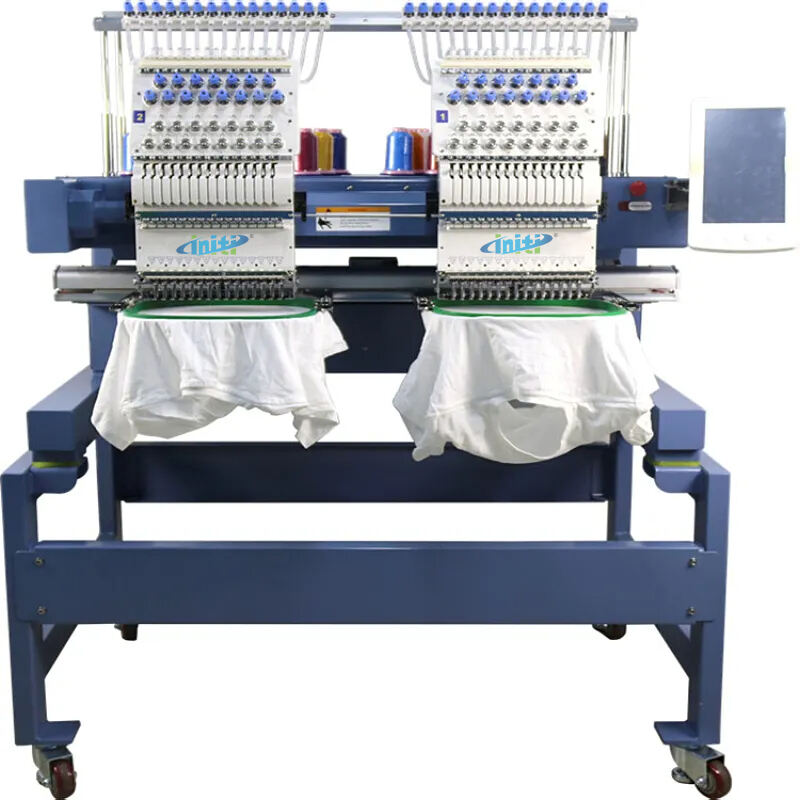
Creating custom patches with an embroidery machine opens up endless possibilities for personalizing clothing, accessories, and promotional items. Whether you're running a small business, working on craft projects, or fulfilling commercial orders, understanding the proper techniques and processes for patch creation is essential. Modern embroidery machines have revolutionized the way we approach patch making, offering precision, consistency, and professional results that were once only achievable through industrial methods. The process involves careful planning, proper material selection, and mastering specific techniques that ensure your patches look professional and durable.
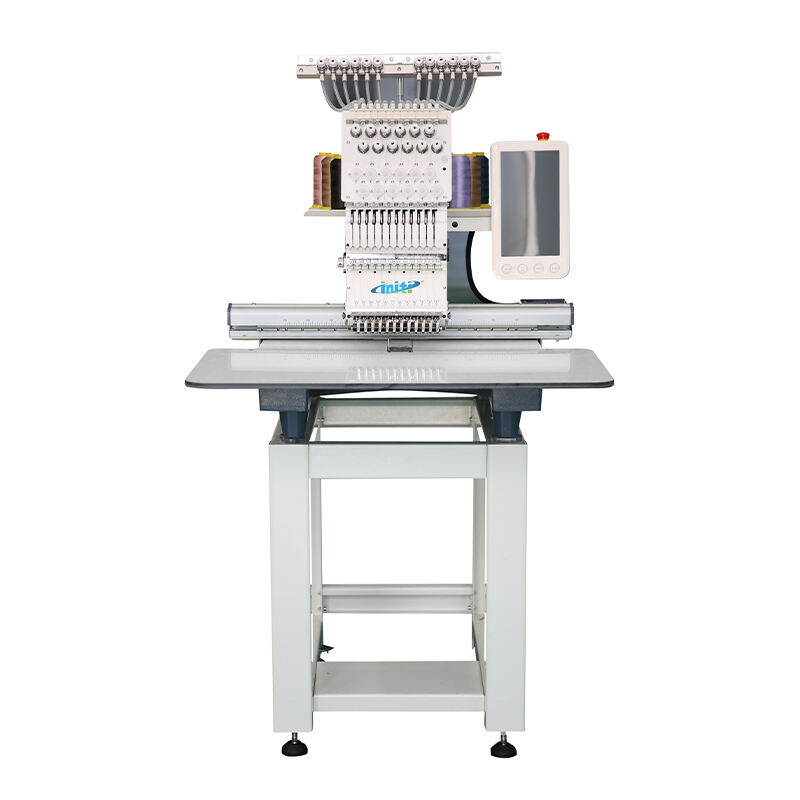
Essential Materials and Equipment for Patch Making
Selecting the Right Fabrics and Backing Materials
The foundation of any quality patch begins with choosing appropriate materials that will withstand regular use and washing. Twill fabric remains the most popular choice for patch bases due to its durability and smooth surface that accepts embroidery well. Cotton twill, polyester twill, and canvas all offer excellent stability for embroidery work. The fabric weight should typically range between 8-12 ounces to provide adequate support without being too thick for the embroidery machine to handle effectively.
Backing materials play a crucial role in stabilizing the fabric during the embroidery process. Cutaway backing is preferred for patches as it provides permanent support and prevents the design from puckering or distorting over time. Medium-weight cutaway stabilizer works well for most patch applications, while heavier weights may be necessary for dense designs or when working with stretchy fabrics. Temporary spray adhesive can help secure the fabric to the backing, ensuring no shifting occurs during stitching.
Thread Selection and Color Matching
High-quality embroidery thread is non-negotiable when creating professional patches. Polyester embroidery thread offers superior colorfastness and durability compared to rayon alternatives, making it ideal for patches that will see frequent washing or outdoor use. The thread weight should typically be 40-weight for most patch applications, providing good coverage while maintaining fine detail capability. Investing in a comprehensive color palette ensures you can match brand colors accurately or create eye-catching designs that stand out.
Color coordination becomes particularly important when creating patches for uniforms, team merchandise, or corporate branding. Many embroidery thread manufacturers provide color matching services or digital color charts that help ensure consistency across multiple production runs. Consider keeping detailed records of thread colors used for each project to maintain consistency in future orders or replacements.
Design Preparation and Digitization Process
Converting Artwork to Embroidery Files
The digitization process transforms your artwork into machine-readable instructions that guide the embroidery machine through each stitch. Professional digitizing software allows precise control over stitch types, densities, and sequencing. For patches, border definition becomes crucial as clean edges distinguish professional work from amateur attempts. Satin stitches work excellently for borders and text, while fill stitches handle larger areas effectively.
Understanding stitch density prevents common issues like thread breaks, puckering, or poor coverage. Dense designs may require underlay stitches to provide foundation support, while lighter designs might need only minimal stabilization. The embroidery machine capabilities should guide design complexity decisions, as overly intricate details may not reproduce well on standard home or commercial machines.
Size Considerations and Design Optimization
Patch sizing affects both aesthetic appeal and production efficiency. Standard patch sizes include 2x3 inches, 3x4 inches, and various circular or custom shapes. Larger patches accommodate more detailed designs but require longer stitching times and more materials. Smaller patches challenge design clarity, often requiring simplified artwork or text size adjustments to maintain readability.
Design optimization involves adjusting stitch counts, reducing color changes, and simplifying complex elements that may not translate well at smaller sizes. Consider the intended application when determining final patch dimensions, as uniform patches typically follow specific size guidelines while promotional patches offer more flexibility in sizing options.
Machine Setup and Configuration
Hooping Techniques for Optimal Results
Proper hooping forms the foundation of successful patch embroidery. The fabric and backing must be taut without being stretched, as tension affects stitch formation and final patch appearance. Start by placing the cutaway backing in the hoop, then position the patch fabric on top, ensuring grain lines run straight. The fabric should feel drum-tight when properly hooped, with no wrinkles or loose areas that could cause registration problems.
Multiple patches can be hooped simultaneously to increase production efficiency, but spacing must allow adequate clearance for the embroidery machine head movement. Mark patch boundaries with temporary markers to ensure accurate placement and prevent overlapping designs. Consider using larger hoops when possible to maximize the number of patches per setup while maintaining quality standards.
Thread Tension and Machine Calibration
Thread tension adjustments significantly impact patch quality and durability. Upper thread tension should allow smooth thread flow without creating loops on the fabric underside, while bobbin tension must be balanced to prevent thread nesting or weak stitch formation. Test tension settings on fabric scraps before beginning production runs, as different fabric weights may require slight adjustments.
Machine calibration includes needle selection, presser foot pressure, and speed settings optimization. Sharp embroidery needles in sizes 75/11 or 80/12 work well for most patch fabrics, while metallic threads may require specialized needles. Reduced machine speed often improves stitch quality, particularly for detailed designs or challenging thread types.
Production Techniques and Quality Control
Stitching Sequence and Color Management
Efficient color sequencing minimizes thread changes and reduces production time while maintaining design integrity. Group similar colors together when possible, and consider the visual impact of stitch layering when determining color order. Underlay stitches should complete first, followed by fill areas, then detail work, and finally border stitching to create clean, defined edges.
Monitor thread consumption throughout production to avoid running out mid-patch, which can create color inconsistencies or require time-consuming restarts. Keep detailed production notes including thread colors, stitch counts, and timing information to streamline future production runs and maintain consistency across multiple orders.
Finishing and Edge Treatment Options
Professional patch finishing separates amateur work from commercial-quality products. Heat cutting provides clean, sealed edges that resist fraying, while die cutting offers precision shaping for complex patch outlines. Overlock stitching around patch perimeters creates a raised border effect that adds durability and visual appeal. Consider the intended application when selecting finishing methods, as iron-on patches require different edge treatments than sew-on varieties.
Quality control checkpoints throughout production catch issues before they become costly mistakes. Inspect thread tension, stitch density, and color accuracy regularly. Check for loose threads, skipped stitches, or registration problems that could affect final patch appearance. Establish acceptance criteria for finished patches to ensure consistent quality across all production runs.
Troubleshooting Common Issues
Addressing Thread Breaks and Tension Problems
Thread breaks during patch production can result from various factors including improper tension, dull needles, or design issues. Upper thread breaks often indicate excessive tension or needle problems, while bobbin thread issues typically relate to bobbin case adjustments or inferior thread quality. Systematic troubleshooting approaches help identify root causes quickly and minimize production downtime.
Dense design areas may require tension adjustments or slower machine speeds to prevent thread stress. Consider redesigning problematic areas with different stitch types or reduced density if breaks persist. Keep detailed logs of adjustments made to resolve issues, as similar problems may recur with comparable designs or materials.
Preventing Puckering and Registration Issues
Puckering occurs when fabric draws up around dense stitching areas, creating an unprofessional appearance that affects patch lay-flat characteristics. Proper stabilization, appropriate stitch density, and correct hooping techniques prevent most puckering issues. Consider using additional stabilizer layers for problematic designs or adjusting underlay stitching to provide better fabric support.
Registration problems manifest as misaligned design elements or color overlaps that create poor patch appearance. Ensure consistent hooping techniques and verify machine calibration regularly. Mark reference points on templates to maintain consistent patch placement across production runs. Address mechanical issues promptly, as worn machine components can cause registration drift over time.
FAQ
What type of fabric works best for embroidered patches
Twill fabric, particularly cotton or polyester twill in 8-12 ounce weights, provides the ideal foundation for embroidered patches. These fabrics offer excellent stability, durability, and a smooth surface that accepts embroidery well. Canvas and duck cloth also work effectively for patches requiring extra durability or a more rugged appearance.
How do I prevent my patches from fraying after cutting
Heat cutting or hot knife cutting seals fabric edges and prevents fraying effectively. Alternatively, applying a thin layer of fabric glue or fray prevention solution to cut edges before trimming provides good results. Overlock stitching around patch perimeters adds both fray prevention and a professional finished appearance.
Can I make patches without specialized embroidery software
While professional digitizing software produces the best results, some basic embroidery machines include built-in design editing capabilities suitable for simple patch designs. Many online services offer affordable digitizing for custom designs, and some free software options exist for basic design conversion, though results may vary in quality and complexity handling.
What backing material should I use for durable patches
Medium-weight cutaway stabilizer provides the best foundation for patches, offering permanent support that prevents design distortion over time. For patches requiring extra durability or frequent washing, consider heavy-weight cutaway backing or multiple layers of medium-weight stabilizer. Avoid tear-away backings for patches, as they can compromise long-term stability and appearance.